

The United Nations Office at Geneva
Multimedia Newsroom
Ukraine’s women at breaking point after four years of war as attacks on energy, healthcare continue – UN humanitarians
Four years into Russia’s full-scale invasion, millions in Ukraine struggle to keep the lights on and heat their homes, with the crisis taking a particular toll on women, humanitarians warned on Friday.
Freshly back from a visit to the country UN Women’s Chief of Humanitarian Action Sofia Calltorp told reporters in Geneva of the suffering inflicted upon families left without heating, electricity and reliable shelter amid brutal winter conditions. Sixty-five per cent of Ukraine's energy generation capacity has been destroyed by deliberate attacks.
“Those energy blackouts, they are not just technical disruptions,” she said. “They directly undermine women's safety, protection and economic security.”
Ms. Calltorp explained that extended darkness, lack of street lighting and disrupted transport “severely restrict women's mobility and increase exposure to harassment and accidents.”
Many Ukrainian women work in sectors that are the hardest-hit by extended power cuts, such as education, health, social services and retail, and are now losing their jobs, the UN Women official said.
“In Kyiv, in a heated tent that had been set up to support citizens, I met with Irina… She told me: ‘No electricity means no school for my children and no electricity means no job for me. It means no salary.’”
UN Women reported that 2025 was the deadliest year of the conflict for women so far and that since 24 February 2022, more than 5,000 women and girls have been confirmed killed and 14,000 injured, with the real toll likely far higher.
Despite the challenges, Ukraine’s women are “carrying the country forward” and women-led organizations are at the heart of humanitarian response, Ms. Calltorp said. They provide vital protection, psychosocial support, emergency assistance and livelihood opportunities to hundreds of thousands of Ukrainians – yet they are now under serious threat because of funding cuts.
On in three women-led organizations warned that they may not survive beyond six months, according to a recent survey focused on the impact of cuts in foreign assistance
“Due to the funding reductions in 2025 and 2026, these organizations in Ukraine are projected to lose at least $53.9 million by the end of the year,” said UN Women’s representative in Ukraine Sabine Freizer Gunes. “If this continues, an estimated 63,000 women in 2026 will lose access to services” such as support for survivors of conflict-related sexual violence.
“There will be more women in need of psychosocial and legal support. There'll be less political participation for women, less economic opportunity and less economic growth in Ukraine. Weakening women's organizations at this moment risks weakening the entire humanitarian and recovery architecture of Ukraine,” Ms. Freizer Gunes said.
Turning to the broader humanitarian impact of the energy crisis, Jaime Wah, Deputy Head of Delegation for the International Federation of Red Cross and Red Crescent Societies (IFRC) in Ukraine, said that when the power goes out “it is often the most vulnerable who carry the consequences.”
“For older people, people with disabilities and those with chronic illnesses, this is life-threatening,” she insisted.
Speaking from Kyiv, Ms. Wah said that while “cold homes increase illness,” the psychosocial toll of the power outages is “equally serious.”
“Prolonged darkness, isolation and constant uncertainty are exhausting communities,” she stressed. “Many people have experienced traumatic events, yet access to specialized mental health and psychosocial support remains limited.”
The conflict’s devastating toll on health is further deepened by attacks on healthcare which are “severe and widespread” in Ukraine, World Health Organization (WHO) spokesperson Christian Lindmeier said.
In the past four years WHO has verified more than 2,870 confirmed attacks, resulting in 233 deaths and 937 injuries among healthcare workers and patients.
“Facilities operate beyond surge capacity, with the workforce depleted and infrastructure damaged,” Mr. Lindmeier warned.
The WHO spokesperson also said that the reported number of people with disabilities has increased by nearly 390,000, or more than 10 per cent, since February 2022.
Beyond this figure, “it's the support [for people with disabilities] that is missing, the freedom of movement for people, the lack of supplies.”
“The numbers are one thing. The story behind [them is] a much bigger one,” he insisted.
-Ends-
STORY Ukraine 4 years of war – UN Women, IFRC, WHO
TRT: 3:56”
SOURCE: UNTV CH and UN WOMEN
RESTRICTIONS: NONE
LANGUAGE: ENGLISH/NATS
ASPECT RATIO: 16:9
DATELINE: 20 FEBRUARY 2026 GENEVA, SWITZERLAND and 7 FEBRUARY 2026, KYIV, UKRAINE
1. Exterior wide shot: Palais des Nations, Flag Alley.
2. Wide reverse shot: Speakers at the podium of the press conference; speaker on screens; journalists in the Press room.
3. SOUNDBITE (English) – Sofia Calltorp, Director, Geneva Office and Chief of Humanitarian Action, UN Women: “Since 24 February 2022, more than 5,000 women and girls have been killed and 14,000 injured, with 2025 being the deadliest year yet and the real toll likely far higher.”
4. Wide shot: Speaker on screens; journalists in the Press room.
5. SOUNDBITE (English) – Sofia Calltorp, Director, Geneva Office and Chief of Humanitarian Action, UN Women: “With 65 per cent of the country's energy generation capacity destroyed by deliberate attacks, families are left without heating, electricity and reliable shelter, especially during those brutal winter conditions. And those energy blackouts, they are not just technical disruptions. They directly undermine women's safety, protection and economic security. Extended darkness, lack of street lighting, non-functioning elevators and disrupted transport severely restrict women's mobility and increase exposure to harassment and accidents.”
6. Medium over-the-shoulder reverse shot: Speakers at the podium of the press conference, speaker on screens.
7. SOUNDBITE (English) – Sofia Calltorp, Director, Geneva Office and Chief of Humanitarian Action, UN Women: “In Kyiv, in a heated tent that had been set up to support citizens across the street, I met with Irina and she told me, ‘no electricity means no school for my children and no electricity means no job for me. It means no salary.’ ”
8. Wide shot: Speaker on screens, journalists in the Press room.
9. SOUNDBITE (English) – Sabine Freizer Gunes, Representative in Ukraine, UN Women: “One in three women-led organizations surveyed warned that they may not survive beyond six months under current funding levels. Due to the funding reductions in 2025 and 2026, organizations in Ukraine are projected to lose at least $53.9 million by the end of the year.”
10. Medium over-the-shoulder reverse shot: Speakers at the podium of the press conference, speaker on screens.
11. SOUNDBITE (English) – Jaime Wah, Deputy Head of Delegation for the International Federation of Red Cross and Red Crescent Societies (IFRC) in Ukraine: “The energy crisis is a humanitarian crisis. When the power goes out, generators allow for some of us to continue working. But they cannot power every apartment, every stove, every radiator, or every elevator. It is often the most vulnerable who carry the consequences. For older people, people with disabilities and those with chronic illnesses, this is life-threatening.”
12. Medium shot: Journalists in the Press room.
13. SOUNDBITE (English) – Jaime Wah, Deputy Head of Delegation for the International Federation of Red Cross and Red Crescent Societies (IFRC) in Ukraine: “Cold homes increase illness. The psychosocial toll is equally serious. Prolonged darkness, isolation and constant uncertainty are exhausting communities.”
14. Wide shot: Journalists in the Press room.
15. SOUNDBITE (English) – Christian Lindmeier, spokesperson, World Health Organization (WHO): “Attacks on healthcare are widespread and severe in Ukraine. WHO has verified more than 2,870 confirmed attacks, resulting in 233 deaths and 937 injuries among healthcare workers and patients. Facilities operate beyond surge capacity, with the workforce depleted and infrastructure damaged.
16. Medium shot: Journalists in the Press room.
17. SOUNDBITE (English) – Christian Lindmeier, spokesperson, World Health Organization (WHO): “So, since February 2022, so since the four years alone, 390,000, nearly 400,000 disabilities were added, which could be attributed to the war. But the figures alone don't do it because it's the support that is missing, the freedom of movement for people, the lack of supplies, the lack of any support necessary to support people with disabilities is decreasing. So, the numbers are one thing. The story behind it are a much bigger one.”
18. Various shots of journalists in the Press room.
19. UN Women b-roll, Kyiv, 7 February 2026 – Sofia Calltorp, Director, Geneva Office and Chief of Humanitarian Action and Sabine Freizer Gunes, Representative in Ukraine, UN Women, visiting a field kitchen and support tents in Kyiv – credit: UN Women.
Similar Stories
1
1
1
Edited News | ICRC , UNODA
Amid unconfirmed reports that fully autonomous and AI-guided drones are now being used on the battlefield, UN chief António Guterres and the President of the Red Cross on Tuesday renewed their urgent call for stricter controls, before it is too late.
1
1
1
Edited News | UNICEF
Somalia: child hunger surges as humanitarian aid dries up – UNICEF
The global funding crisis for vital lifesaving work is taking a growing toll on the most vulnerable children in Somalia, where hundreds of health and nutrition facilities have been forced to close, the UN Children’s Fund (UNICEF) warned on Friday
1
1
1
Edited News | OCHA
As the deadliest Ebola outbreak in DR Congo’s history continued spreading on Friday, UN responders renewed their urgent appeal for immediate international support, with existing funding for lifesaving work critically low.
1
1
1
Edited News | WHO
DRC: In the fight against Ebola, bikers transporting dead bodies hold key to community engagement - WHO
From the frontlines of the deadliest-ever Ebola Bundibugyo outbreak in the Democratic Republic of the Congo (DRC), the UN’s World Health Organization (WHO) shared details on Tuesday of a massive push for community engagement, a day after yet another ambulance attack.
1
1
1
Edited News | UNFPA
Sudan: The harrowing reality of giving birth in a war zone
Sudanese women about to give birth are losing their babies and sometimes their own lives because of a lack of specialist healthcare support, amid the ongoing war, UN humanitarians said on Friday.
1
1
1
Edited News | OCHA , WHO
Colombia earthquake: International teams ready to support, says UN
As earthquake rescue efforts across western Colombia continued on Tuesday, UN agencies said that they stood ready to help “with everything we've got” if and when the request came from the authorities.
2
1
2
Edited News , Press Conferences | HRC
Myanmar's military has carried out a sustained campaign of deliberate attacks on civilians – including airstrikes on homes, schools and camps for displaced people, alongside arbitrary detention, torture and sexual violence – Human Rights Council-appointed investigators said on Tuesday.
1
6
1
1
Edited News | UNOG
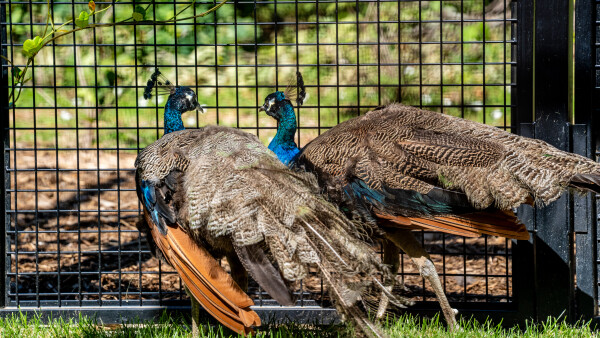
In a new twist on panda diplomacy, UN Geneva welcomed five young peacocks to the Palace of Nations on Friday, a gift of India that preserves a tradition of keeping the stately birds in the grounds, that predates both the global body and its ill-fated predecessor, the League of Nations.
1
1
1
Edited News | WFP
Afghanistan’s hunger crisis intensifies as millions go without food aid – WFP
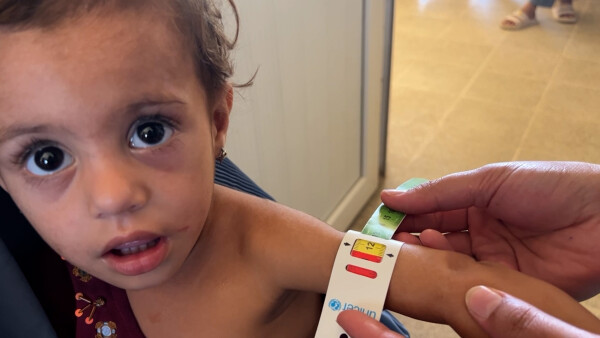
Afghanistan’s dire hunger crisis now affects 14 million people including babies fed on weak tea and a little bread by their despairing and dirt-poor parents.
In a new alert on Tuesday, the UN World Food Programme (WFP) said that one in three Afghans is now in the grip of acute food insecurity and that it lacks the resources to contain the deepening crisis.
1
1
2
Edited News | IOM
From fake jobs to forced crime: IOM sounds alarm on human trafficking behind online scams
A job offer can conceal a criminal network and a single click can lead to a nightmare. Lured by false promises of legitimate employment abroad, hundreds of thousands of people are being trafficked each year, held captive and forced to carry out online scams.
Ahead of World Day Against Trafficking in Persons marked on 30 July, the International Organization for Migration (IOM) is raising the alarm over a rapidly expanding multibillion-dollar criminal industry that turns job seekers into victims of forced cybercrime.

1
1
1
Edited News | UN WOMEN
In Sudan’s El Obeid, women risk drone attacks by day and rape by night to access water
As war intensifies in the city of El Obeid in North Kordofan state, filling up a jerrycan of water comes at a high risk for women and girls: by day, drones strike water points and by night, women who venture out to fill a bucket risk rape. UN Women warns of a dual terror that has turned access to water into a deadly gamble.
1
1
1
Edited News | OHCHR , UNOG
UN Human Rights spokesperson Shabia Mantoo made the following remarks on stranded Hormuz seafarers abandoned for months at sea, at the bi-weekly press briefing in Geneva.