

The United Nations Office at Geneva
Multimedia Newsroom
Edited News | OHCHR , UNOG
UN Human Rights Press conference with Peggy Hicks on protection of children online
UN Human Rights office has issued a set of guidelines to enhance children's safety online and protect their rights. The set of 10 guidelines, entitled Getting Children’s Safety Online Right, is available here.
“So, we're sharing these guidelines that are intended really as a contribution to this discussion on how to protect children online effectively. They respond to the huge interest in addressing online harms to children, which are spurring debates and a host of regulations across the globe,” Peggy Hicks, Director Thematic and Special Procedures said at a press conference in Geneva.
“From our perspective, that really means that we have to look at both what we need states and what we need companies to do and ask both of them to act responsibly in terms of how they respond to these challenges,”Hicks said.
“For too long, social platforms and apps have not met this responsibility,” she added.
“By fully understanding the risks that platforms pose and taking the steps to address those harms, often they've prioritized their user base expansion or engagement rather than the well-being of kid,” she said.
“Now, as we've seen, governments are stepping in to regulate. But too often the approaches that have been taken focus on limiting who can access the platforms. But that can leave behind platforms with problematic design, and features that can still harm kids,” Hicks said.
“The message is companies that we want to share now is that they really face a choice. Change how their platforms are designed and operated to better protect children's rights and safety or be forced to do so through increasingly restrictive legislation, driver attacks and regulatory fines,” she said.
“For governments. The focus needs to not only be on showing that they're doing something, taking some action. But also to secure the best outcomes while protecting children's rights. That means that they need to take a 360-degree approach, looking not only at, issues on who can be on which platforms, but also how those platforms are designed, what guardrails are in place for the age verification they require,” Hicks said.
“And that means not sitting back and legislating and assuming things are going to work but being willing to monitor and report on what's happening and to make, adjustments,” she said.
“We need to keep our eyes on the prize. The goal, like we see in many aspects of the digital space, is that we want to preserve the benefits that we see from social platforms, while ensuring that they're truly safe for our kids,” she said.
“We need to collect the evidence and adapt quickly to what we learn. And that's all the more essential given the evolving nature of the information environment. We're talking a lot about social media apps, but obviously part of what comes into this conversation is the advent of AI and the fact that I, and the use of chat bots and other tools will really change the way that these, issues play out for many children as well,” she said.
“We have to look at the design side as well. As I said, it's not enough to leave behind a platform that is flawed because people will still get to it one way or another,” Hicks said.
“We really do need to talk to kids about this and understand from them, well, where they see the risks and what will actually address their needs and the most effective way in a way that protects their rights. And part of that is really understanding that kids actually do rely on the internet and on social media to protect their own rights in a variety of ways,” she said.
“So, we need remedies when, when things go wrong. And we need to make sure that we have in place reliable and credible oversight,” she said.
ENDS
For more information and media requests, please contact:
In Geneva:
Ravina Shamdasani - ravina.shamdasani@un.org
Marta Hurtado - marta.hurtadogomez@un.org
In Nairobi:
Seif Magango - seif.magango@un.org
Facebook unitednationshumanrights
Instagram @unitednationshumanrights
STORY: UN Human Rights Office issues guidelines for child safety online - press conference by Peggy Hicks, Director Thematic and Special Procedures division
TRT: 04:01
SOURCE: OHCHR/UNOG
RESTRICTIONS: NONE
LANGUAGE: English/NATS
ASPECT RATIO: 16:9
DATELINE: 29 May 2026, Geneva, Switzerland
SHOTLIST
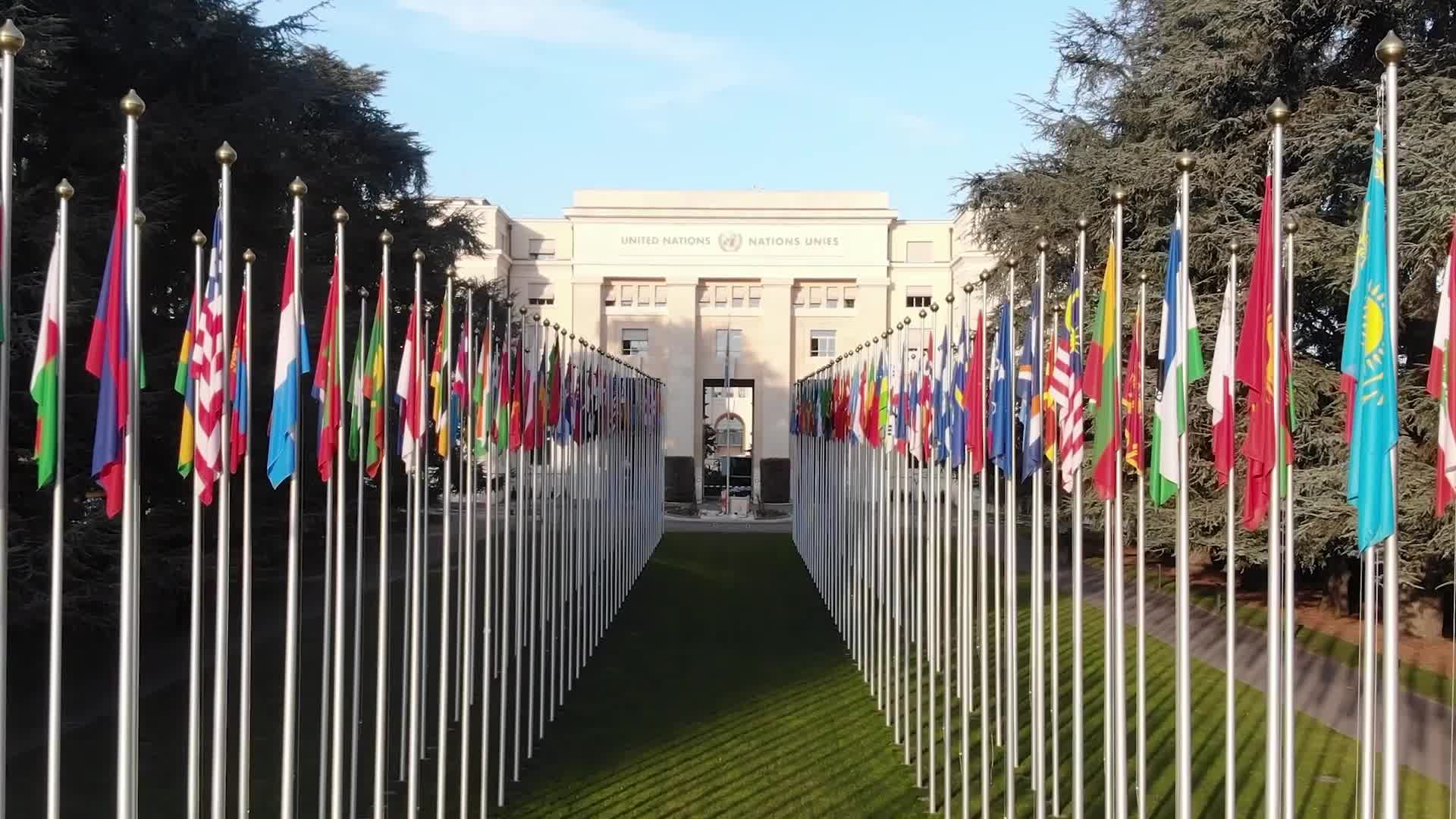
- Exterior shot: Palais des Nations
- SOUNDBITE (English) Peggy Hicks, Director Thematic and Special Procedures division- UN High Commissioner for Human Rights (OHCHR): “So we're sharing these guidelines that are intended really as a contribution to this discussion on how to protect children online effectively. They respond to the huge interest in addressing online harms to children, which are spurring debates and a host of regulations across the globe.”
- Cut away: Briefing room
- SOUNDBITE (English) Peggy Hicks, Director Thematic and Special Procedures division- UN High Commissioner for Human Rights (OHCHR): “From our perspective, that really means that we have to look at both what we need states and what we need companies to do, and ask both of them to act responsibly in terms of how they respond to these challenges.”
- Cut away: Briefing room
- SOUNDBITE (English) Peggy Hicks, Director Thematic and Special Procedures division- UN High Commissioner for Human Rights (OHCHR): “For too long, social platforms and apps have not met this responsibility. By fully understanding the risks that platforms pose and taking the steps to address those harms, often they've prioritized their user base expansion or engagement rather than the wellbeing of kids.”
- Cut away: Briefing room
- SOUNDBITE (English) Peggy Hicks, Director Thematic and Special Procedures division- UN High Commissioner for Human Rights (OHCHR): “Now, as we've seen, governments are stepping in to regulate. But too often the approaches that have been taken focus on limiting who can access the platforms. But that can leave behind platforms with problematic design, and features that can still harm kids and impact all of us.”
- Cut away: Briefing room
- SOUNDBITE (English) Peggy Hicks, Director Thematic and Special Procedures division- UN High Commissioner for Human Rights (OHCHR): “The message is companies that we want to share now is that they really face a choice. Change how their platforms are designed and operated to better protect children's rights and safety or be forced to do so through increasingly restrictive legislation and regulatory fines.”
- Cut away: Briefing room
- SOUNDBITE (English) Peggy Hicks, Director Thematic and Special Procedures division- UN High Commissioner for Human Rights (OHCHR): “For governments. The focus needs to not only be on showing that they're doing something, taking some action, but also to secure the best outcomes while protecting children's rights. That means that they need to take a 360-degree approach, looking not only at issues on who can be on which platforms, but also how those platforms are designed, what guardrails are in place for the age verification they require.
- Cut away: Briefing room
- SOUNDBITE (English) Peggy Hicks, Director Thematic and Special Procedures division- UN High Commissioner for Human Rights (OHCHR): “And that means not sitting back and legislating and assuming things are going to work but being willing to monitor and report on what's happening and to make adjustments.
- Cut away: Briefing room
- SOUNDBITE (English) Peggy Hicks, Director Thematic and Special Procedures division- UN High Commissioner for Human Rights (OHCHR): “We need to keep our eyes on the prize. The goal, like we see in many aspects of the digital space, is that we want to preserve the benefits that we see from social platforms, while ensuring that they're truly safe for our kids.
- Cut away: Briefing room
- SOUNDBITE (English) Peggy Hicks, Director Thematic and Special Procedures division- UN High Commissioner for Human Rights (OHCHR): “We need to collect the evidence and adapt quickly to what we learn. And that's all the more essential given the evolving nature of the information environment. We're talking a lot about social media apps, but obviously part of what comes into this conversation is the advent of AI and the fact that AI, and the use of chat bots and other tools will really change the way that these issues play out for many children as well.
- Cut away: Briefing room
- SOUNDBITE (English) Peggy Hicks, Director Thematic and Special Procedures division- UN High Commissioner for Human Rights (OHCHR): “We have to look at the design side as well. As I said, it's not enough to leave behind a platform that is flawed because people will still get to it one way or another.
- Cut away: Briefing room
- SOUNDBITE (English) Peggy Hicks, Director Thematic and Special Procedures division- UN High Commissioner for Human Rights (OHCHR): “We really do need to talk to kids about this and understand from them, well, where they see the risks and what will actually address their needs and the most effective way in a way that protects their rights. And part of that is really understanding that kids actually do rely on the internet and on social media to protect their own rights in a variety of ways.
- Cut away: Briefing room
- SOUNDBITE (English) Peggy Hicks, Director Thematic and Special Procedures division- UN High Commissioner for Human Rights (OHCHR): “So, we need remedies when things go wrong. And we need to make sure that we have in place reliable and credible oversight. “
Similar Stories

1
1
1
Edited News | UNICEF
A little over one year since a ceasefire agreement was announced between Hamas fighters and Israel, more than 340 children have been reported killed and hundreds more injured, the UN Children’s Fund, UNICEF, said on Friday.

1
1
1
Edited News | UNICEF , IFRC
Six weeks after Nepal’s deadly flooding disaster, communities are still struggling to rebuild their lives, but they will need sustained help as global warming increases the risk of another Himalayan catastrophe, the UN Children’s Fund (UNICEF) said on Friday.

1
1
1
Edited News | WHO
In suspected Russia plague death, testing and monitoring underway – WHO
The death of a lab worker in Russia’s Siberia region has sparked concerns about plague being the cause, the UN World Health Organization (WHO) said on Tuesday, adding that it was following the situation closely.

1
1
Edited News | OHCHR , UNOG
UN Human Rights Chief Volker Türk on Friday provided and oral update to the 63rd session of the Human rights Council on Ukraine.

1
1
1
Edited News | OHCHR , UNOG
UN Human Rights Chief Volker Türk on Friday provided and oral update to the 63rd session of the Human rights Council on the human rights situation in Haiti.

1
1
1
Edited News | WHO
Repeated delays in bringing lifesaving medicines, prosthetics and more from Israel into Gaza risk having devastating consequences on Palestinians who urgently need them in the wartorn enclave, the UN World Health Organization (WHO) said on Friday. “A truck full of non-priority supplies or the right supplies arriving too late, doesn't save lives. That's the question that actually matters," said Dr Reinhilde Van De Weerdt, WHO Representative in the OPT.

1
1
1
Edited News | WHO
DRC: Early access to care and oxygen decisive for Ebola patients’ survival – WHO
In the Democratic Republic of the Congo (DRC), health workers fighting the country’s largest-ever Ebola outbreak are struggling to overcome critical challenges to patient care, the UN World Health Organization (WHO) warned on Tuesday.

1
1
1
Edited News | OCHA , UN
Civilians in Iran are continuing to feel the consequences of months of conflict and military escalation, the UN’s top official in the country has said, as loss of life, damage to civilian infrastructure and mounting economic pressures leave many facing continued uncertainty.

1
1
1
Edited News | WHO , UNICEF
Aid agencies in Yemen highlighted the growing hunger emergency sparked by renewed fighting between Houthi opposition forces and Government troops, after mobile health clinics reported that hundreds of children displaced by the violence are suffering from the most deadly form of malnutrition.
1
1
1
Edited News | UNHCR
Displacement on the rise in Yemen as fighting continues - UNHCR
As hostilities worsen in Yemen, more people have been fleeing their homes, further intensifying the humanitarian crisis within the region, the UN Refugee Agency (UNHCR) warned on Tuesday.
1
1
1
Edited News | IOM , OHCHR , UNFPA , UNOG , UNHCR , WHO
Yemen’s humanitarian crisis growing by the hour amid spike in displacement
Yemenis displaced by renewed fighting have described fleeing for their lives amid shelling and gunfire, aid agencies reported on Friday, while highlighting the dramatic increase in humanitarian needs in the country and in Djibouti, where thousands have sought shelter.
1
1
1
Edited News | OHCHR , UNOG
The UN Human Rights Office issued on Friday a report documenting a shocking pattern of sexual violence amid Russia’s full-scale armed attack on Ukraine.