

The United Nations Office at Geneva
Multimedia Newsroom
The Human Rights Council in February this year asked our office to establish a FFM on the escalation of hostilities in North and South Kivu provinces of the DRC. Our report today covers the period between Jan and July 2025. The FFM’s work is also intended to serve as a foundation for the COI mandated by the same resolution, to in turn conduct comprehensive investigations into events since 2022.
“The report finds that gross human rights violations and violations of international humanitarian law have been committed by all parties to the conflict: by the M23, supported by Rwandan Defense Forces, as well as Congolese Armed Forces and affiliated armed groups,” Shamdasani said.
The report was produced by the UN Human Rights Office's Fact-Finding Mission (FFM) on the situation in North and South Kivu, as mandated by the UN Human Rights Council.
It documents the failure by all parties to adequately protect civilians in the conduct of hostilities, particularly during the takeover of Goma by M23 and RDF in late January, as well as attacks on schools and hospitals.
“The M23 armed group, ‘with training, material, intelligence, and operational support from the Rwandan Defense Forces’, captured major cities in North and South Kivu. The group engaged in a campaign of intimidation and violent repression through a recurrent pattern of summary executions, torture, detention, enforced disappearances and forced recruitment targeting anyone ‘perceived as opposing the M23, regarded as a threat to its notion of order and security, or deemed fit to fight or serve the movement’,” Shamdasani said.
“M23 members also systematically carried out widespread sexual violence, mainly in the form of gang rape, including sexual slavery. Women and girls were disproportionately targeted, but men, boys, and LGBT individuals were also victims of sexual violence, including in detention,” the spokesperson said.
Rapes were repeated over prolonged periods, often in conjunction with additional acts of physical and psychological torture and other ill-treatment, with a manifest intent to degrade, punish, and break the dignity of victims.
“Hundreds of children were detained by M23, and young males forcibly recruited. The report exposes the enormous toll of the conflict on children of all ages,” she added.
The report identifies daily violations across the entirety of the territory under the M23’s control and followed discernible, recurring patterns, indicating a high degree of organization, planning, and resource mobilization.
“We have reasonable grounds to believe that M23 members may have committed (...) the crimes against humanity of murder, severe deprivation of liberty, torture, rape and sexual slavery (...), enforced disappearance, and deportation or forcible transfer of population,” Shamdasani said.
“The report also documents grave violations committed by the DRC armed forces and affiliated armed groups, such as the Wazalendo, including deliberate killing of civilians. It identifies a pattern of widespread use of sexual violence by them as well, mainly gang rape and rape against women and girls, and looting by members of the FARDC, and Wazalendo during their retreat from the front lines in January and February,” the spokesperson stated.
“Wazalendo armed groups recruited children under the age of 15 and used them in hostilities, the report adds. These children were used in combat and in support roles, with girls also being used for sexual purposes,” the spokesperson stated.
“The report further finds that both DRC and Rwanda bear responsibility for their support to armed groups with known track records of serious abuses, and for failing to meet their obligations to take all measures to ensure respect for international humanitarian law and to protect civilians from serious harm,” she stated.
“Specifically, the report stresses that Rwanda is responsible for violations directly committed by its armed forces on the territory of the DRC and notes that the FFM had received “credible allegations concerning the covert presence of RDF personnel within M23,” said the UN Human Rights Spokesperson.
“The report also states that the DRC bears responsibility not only for the violations committed by its armed forces, but also by its affiliated armed groups to the extent that their members acted under its direction or control,” she added.
The report documents the failure by all parties to adequately protect civilians in the conduct of hostilities, particularly during the takeover of Goma by M23 and RDF in late January, as well as attacks on schools and hospitals.
“Our findings underscore the gravity and widespread nature of violations and abuses committed by all parties to the conflict, including acts that may constitute war crimes and crimes against humanity,” Shamdasani said.
“The report highlights the lack of focus on accountability and support for victims in the peace agreement signed between the DRC and Rwanda on June 27,” she said. “The atrocities described in this report are horrific. It is heartbreaking and deeply frustrating to witness, once again, the dehumanization of the civilian population by those in power who are failing in their responsibilities. It is imperative to promptly and independently investigate all allegations of violations with a view to ensuring accountability and victims’ right to truth, justice and reparations, especially guarantees of non-repetition.
ENDS
For more information and media requests, please contact:
In
Geneva:
Ravina Shamdasani: + 41 22 917 9169 / ravina.shamdasani@un.org
Jeremy Laurence: + 41 22 917 9383 / jeremy.laurence@un.org
Marta Hurtado: + 41 22 917 9466 / marta.hurtadogomez@un.org
Thameen Al-Kheetan: + 41 76 223 77 62 / thameen.alkheetan@un.org
In Nairobi:
Seif Magango: + 254 788 343 897 / seif.magango@un.org
Tag and share - X: @UNHumanRights and Facebook: unitednationshumanrights
STORY: DRC-UN report raises spectre of war crimes and crimes against humanity in North and South Kivu - Ravina Shamdasani UN Human Rights Spokesperson
TRT: 06:28
SOURCE: OHCHR/ UNOG
RESTRICTIONS: NONE
LANGUAGE: English/NATS
ASPECT RATIO: 16:9
DATELINE: 5 September 2025 – GENEVA, SWITZERLAND Archive location & dates in shotlist
SHOTLIST
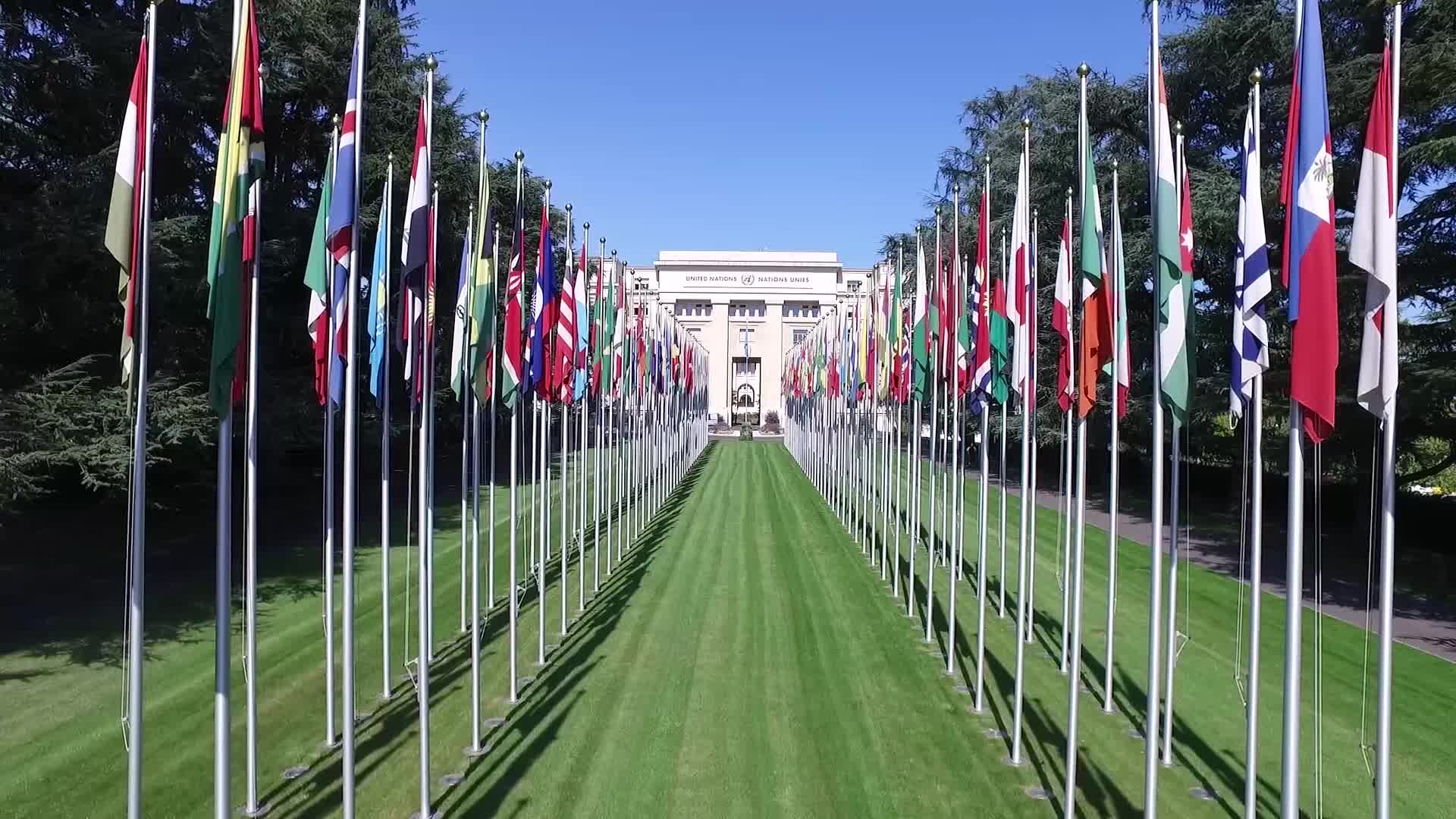
- Exterior shot: Palais des Nations
- Wide shots: Briefing room
- SOUNDBITE (English)—Ravina Shamdasani, Spokesperson for the Office of the UN High Commissioner for Human Rights (OHCHR): “The report finds that gross human rights violations and violations of international humanitarian law have been committed by all parties to the conflict: by the M23, supported by Rwandan Defense Forces, as well as Congolese Armed Forces and affiliated armed groups.”
- Cut Aways: Briefing room
- SOUNDBITE (English)—Ravina Shamdasani, Spokesperson for the Office of the UN High Commissioner for Human Rights (OHCHR): “The M23 armed group, ‘with training, material, intelligence, and operational support from the Rwanda Defence Forces,” captured major cities in North and South Kivu. The group engaged in a campaign of intimidation and violent repression through a recurrent pattern of summary executions, torture, detention, enforced disappearances and forced recruitment targeting anyone ‘perceived as opposing the M23, regarded as a threat to its notion of order and security, or deemed fit to fight or serve the movement’.”
- Cut Aways: Briefing room
- SOUNDBITE (English)—Ravina Shamdasani, Spokesperson for the Office of the UN High Commissioner for Human Rights (OHCHR): “M23 members also systematically carried out widespread sexual violence, mainly in the form of gang rape, including sexual slavery. Women and girls were disproportionately targeted, but men, boys, and LGBT individuals were also victims of sexual violence, including in detention. Hundreds of children were detained by M23, and young males forcibly recruited. The report exposes the enormous toll of the conflict on children of all ages.”
- Cut Aways: Briefing room
- SOUNDBITE (English)—Ravina Shamdasani, Spokesperson for the Office of the UN High Commissioner for Human Rights (OHCHR): “We have reasonable grounds to believe that M23 members may have committed (...) the crimes against humanity of murder, severe deprivation of liberty, torture, rape and sexual slavery (...), enforced disappearance, and deportation or forcible transfer of population.”
- Cut Aways: Briefing room
- SOUNDBITE (English)—Ravina Shamdasani, Spokesperson for the Office of the UN High Commissioner for Human Rights (OHCHR): “The report also documents grave violations committed by the DRC armed forces and affiliated armed groups, such as the Wazalendo, including deliberate killing of civilians. It identifies a pattern of widespread use of sexual violence by them as well, mainly gang rape and rape against women and girls, and looting by members of the FARDC, and Wazalendoduring their retreat from the front lines in January and February.”
- Cut Aways: Briefing room
- SOUNDBITE (English)—Ravina Shamdasani, Spokesperson for the Office of the UN High Commissioner for Human Rights (OHCHR): “The report further finds that both DRC and Rwanda bear responsibility for their support to armed groups with known track records of serious abuses, and for failing to meet their obligations to take all measures to ensure respect for international humanitarian law and to protect civilians from harm.”
- Cut Aways: Briefing room
- SOUNDBITE (English)—Ravina Shamdasani, Spokesperson for the Office of the UN High Commissioner for Human Rights (OHCHR): “Specifically, the report stresses that Rwanda is responsible for violations directly committed by its armed forces on the territory of the DRC. We have received “credible allegations concerning the covert presence of RDF personnel within M23.”
- Cut Aways: Briefing room
- SOUNDBITE (English)—Ravina Shamdasani, Spokesperson for the Office of the UN High Commissioner for Human Rights (OHCHR): “The report also states that the DRC bears responsibility not only for the violations committed by its armed forces, but also by its affiliated armed groups to the extent that their members acted under its direction or control.”
- Cut Aways: Briefing room
- SOUNDBITE (English)—Ravina Shamdasani, Spokesperson for the Office of the UN High Commissioner for Human Rights (OHCHR): “Our findings underscore the gravity and widespread nature of violations and abuses committed by all parties to the conflict, including acts that may constitute war crimes and crimes against humanity.”
- Cut Aways: Briefing room
- SOUNDBITE (English)—Ravina Shamdasani, Spokesperson for the Office of the UN High Commissioner for Human Rights (OHCHR): “The report highlights the lack of focus on accountability and support for victims in the peace agreement signed between the DRC and Rwanda on June 27. The atrocities described in this report are horrific. It is heartbreaking and deeply frustrating to witness, once again, the dehumanization of the civilian population by those in power who are failing in their responsibilities. It is imperative to promptly and independently investigate all allegations of violations with a view to ensuring accountability and victims’ right to truth, justice and reparations, especially guarantees of non-repetition.”
- Cut Aways: Briefing room
- UN FFM report: Infographics
- Various b-roll: Archive arrival by plane to Goma 16/04/2024 ©OHCHR
- Wide shot: Archive city of Goma 16/04/2024 ©OHCHR
- UN FFM report: satellite picture of city of Goma. Image © 2025 Airbus via Google Earth enhanced by OHCHR digital forensics.
- Various b-roll: Archive Bulengo camp near Goma 16/04/2024 ©OHCHR
- Various b-roll: Archive HC Volker Türk meeting with victims of sexual violence in Bulengo camp near Goma 16/04/2024 ©OHCHR
- UN FFM report: satellite picture of Muzenze central prison, Goma. Image © 2023 Airbus via Google Earth enhanced by OHCHR digital forensics.
- Wide shot: Archive exterior of Muzenze central prison 18/04/2024 ©OHCHR
- Various stills: Destroyed Muzenze central prison, Goma. ©OHCHR
- Wide shot: Archive exterior of Muzenze central prison 18/04/2024 ©OHCHR
- Various stills: Destroyed Muzenze central prison, Goma. ©OHCHR
- Wide shot: Archive exterior of Muzenze central prison 18/04/2024 ©OHCHR
- Various stills: Destroyed Muzenze central prison, Goma. ©OHCHR
Similar Stories
1
1
1
Edited News | WHO , UNICEF
Aid agencies in Yemen highlighted the growing hunger emergency sparked by renewed fighting between Houthi opposition forces and Government troops, after mobile health clinics reported that hundreds of children displaced by the violence are suffering from the most deadly form of malnutrition.
1
1
1
Edited News | UNHCR
Displacement on the rise in Yemen as fighting continues - UNHCR
As hostilities worsen in Yemen, more people have been fleeing their homes, further intensifying the humanitarian crisis within the region, the UN Refugee Agency (UNHCR) warned on Tuesday.
1
1
1
Edited News | IOM , OHCHR , UNFPA , UNOG , UNHCR , WHO
Yemen’s humanitarian crisis growing by the hour amid spike in displacement
Yemenis displaced by renewed fighting have described fleeing for their lives amid shelling and gunfire, aid agencies reported on Friday, while highlighting the dramatic increase in humanitarian needs in the country and in Djibouti, where thousands have sought shelter.
1
1
1
Edited News | OHCHR , UNOG
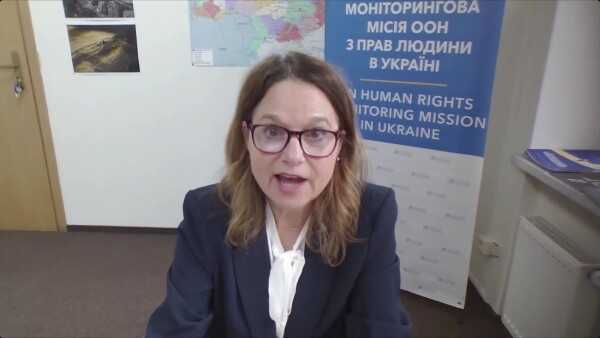
The UN Human Rights Office issued on Friday a report documenting a shocking pattern of sexual violence amid Russia’s full-scale armed attack on Ukraine.
2
1
2
Edited News , Press Conferences | WMO
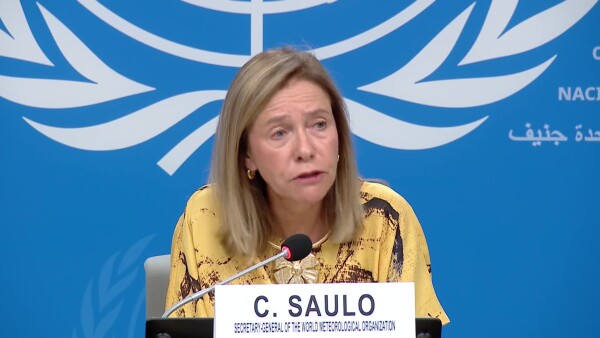
As world’s water reserves change, countries must prepare for a new reality: WMO
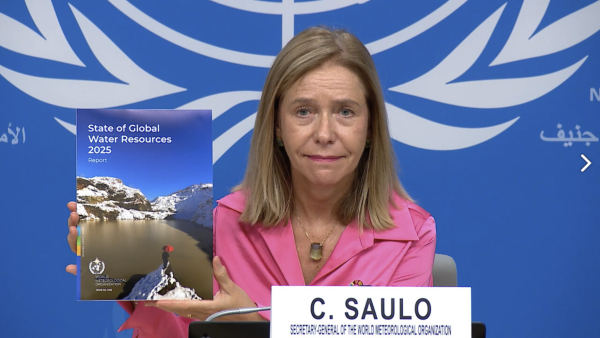
New data showing that rivers were at their lowest level for decades last year provides further evidence that the climate crisis is real and countries must act immediately to protect themselves from the increasing threat to communities and livelihoods, the UN World Meteorological Organization (WMO) said on Thursday.
The key findings from WMO’s State of Global Water Resources 2025 report covering the hydrological cycle and extreme events in the five-year period to last year:
- 2025 was one of driest years for river discharge in 35 years
- Past seven years have seen abnorfmal river flows
- Water storage on Earth’s land surface has decreased in past decade
- Widespread glacier loss across all regions for fourth consecutive year
- Asia and Africa are regions most affected by water-related disasters
- Water data availability has improved, but gaps remain in hard-hit areas
Highlighting the long-term decline in the Earth’s freshwater storage and glacier melt, WMO Secretary-General Celeste Saulo explained that the planet’s water reserves used to act as a planetary “savings account” that absorbed the occasional dry season, avoiding a water crisis. “One of the central stories of the 2025 report is what is happening to that savings account? And the simple answer is that we are depleting it,” she told journalists in Geneva.
Groundwater reserves are equally stretched and have been in decline since 2014, WMO’s report states, with nearly two-thirds of monitored wells worldwide showing levels lower than the historical norm and indicating a shift “further toward deficit…not recovery”.
“At the same time, we are seeing more water-related disasters,” Ms. Saulo said, while also stressing that the currently strengthening El Niño “will increase the risk of drought in some areas, and flooding in others”.
Glaciers disappearing
In 2025, for the fourth consecutive year, every major glaciated region on Earth lost ice mass, leading to short-term hazards including floods and long-term water insecurity, according to WMO.
Responding to a question about whether the changing global water cycle might have contributed to the deadly Nepal-China flooding disaster, Ms. Saulo explained that melting ice and rock was just one factor in the chain of events that ultimately sent a massive and deadly wall of water and debris downstream on 26 August, killing at least 1,367 people.
“You asked if it could happen again? Absolutely; the problem in this region is that there’s 63,700 glaciers at the last count,” she told a Press Conference in Geneva. “Even if you’re looking with remote sensing with satellites at these glaciers, you might see some faults, you might see some slight shifting, that does not mean necessarily catastrophic collapse. So, in order to plan for this, it’s very, very difficult. But the international community is looking very hard at ways in which we can bring people together to solve some of these monitoring issues.”
Data indicates that glaciers shrank between 2023 and 2025 with cumulative losses of 1,400 gigatonnes of water – or about one third of annual fresh water needs.
Every major glacier region on Earth lost ice for the fourth consecutive year.
“All 19 glacier regions around the globe lost ice; in Central Asia, Iceland, the Russian Arctic and western Canada and the United States, it was among the three worst years on record,” said Wayne Jenkinson, WMO’s Director of Hydrology and Cryosphere.
Some regions with smaller glaciers such as Central Europe, the Caucasus, the western Canada and the United States may already have reached “peak water”, Mr. Jenkinson warned.
“After this point, the glacier gives less meltwater each year simply because there is less ice left to melt. That matters for every community downstream that relies on water during hot, dry summers,” he explained.
Narelle van der Wel, WMO’s Head of Cryosphere Monitoring, Predictions and Services, stressed that while some further glacier loss is unavoidable, the eventual scale of the decline is not predetermined.
“Some glacier loss is inevitable, but total loss of glaciers is not yet inevitable,” she said, pointing to emissions reductions as central to limiting future losses.
Preparing for moving baselines
The report does not attribute every observed change to climate change alone. WMO says pressure on water resources and natural variability also contribute.
Mr. Jenkinson said governments need to prepare for “moving baselines” as historical patterns become less reliable.
“The situation 30 years ago is not where we are today,” he said. Countries, he added, need to prepare “for those changes that have really already arrived”.
ends
1
1
1
Edited News | OCHA , WHO
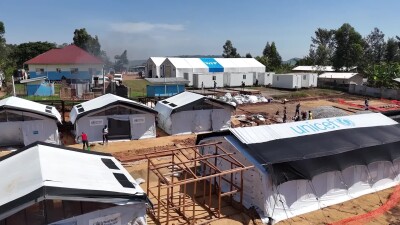
The deadly Ebola virus outbreak in DR Congo continues to spread across the vast country despite some success in containing it, aid officials said on Tuesday, in a renewed call for international support to help responders on the ground.
2
1
2
Press Conferences , Edited News | WFP
‘Super El Niño’ and converging crises worsen hunger in South Sudan and across the region - WFP
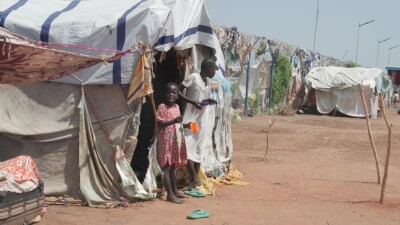
South Sudan’s hunger crisis is becoming increasingly catastrophic as violence, extreme weather and dwindling aid leave millions without enough food, the UN World Food Programme (WFP) warned on Tuesday.
1
1
1
Edited News | UN WOMEN
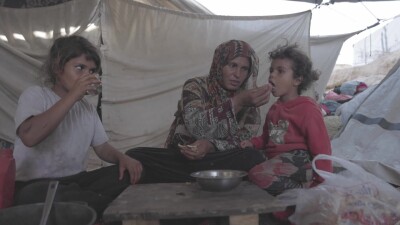
In war-torn Gaza, a growing number of women-headed households face “impossible decisions” every day, amid ongoing Israeli airstrikes and still-scarce resources, UN humanitarians said on Tuesday.
1
1
1
Edited News | OHCHR , UNOG
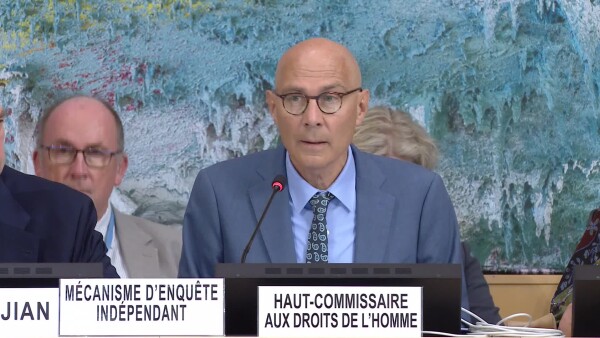
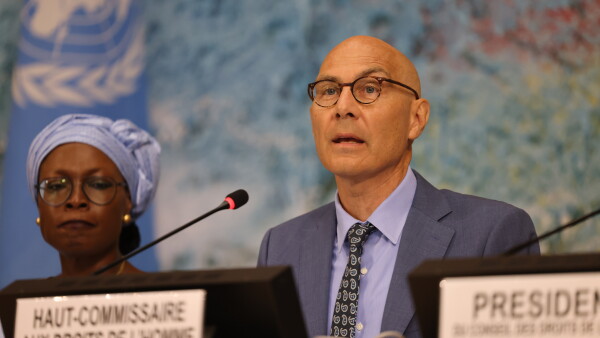
UN Human Rights Chief Volker Türk made the following remarks to the Enhanced Interactive Dialogue on the Independent Investigative Mechanism for Myanmar at the 63rd Human Rights Council.
1
Edited News | OHCHR , UNOG
UN Human Rights Chief Volker Türk today delivered an update on the global human rights situation to the 63rdsession of the Human Rights Council in Geneva.
1
1
1
Edited News | WHO
Repeated attacks on humanitarian warehouses put vital medical aid at risk in Ukraine - WHO
A new airstrike overnight damaged one of the main warehouses used by the UN health agency to store humanitarian medical supplies in the Kyiv region, the World Health Organization (WHO) said on Friday. This is the third attack to affect a WHO-used storage in the last three months.
2
2
2
Press Conferences , Edited News | WMO
Powerful El Niño heightens extreme-weather risks through 2027, as countries brace for impact - WMO
Fuelled by extraordinarily warm waters across the tropical Pacific Ocean, the El Niño climate pattern is expected to intensify in the coming months. Forecasters are almost certain that it will persist through February next year, with unusually warm conditions expected across the globe.