

The United Nations Office at Geneva
Multimedia Newsroom
Alors que l'urgence humanitaire à Gaza se poursuit, la situation de l'Iran ne fait que commencer
Les conditions désespérées et dangereuses à Gaza continuent de freiner les efforts de rétablissement pour les habitants de l'enclave dévastée par la guerre, a déclaré l'agence de santé de l'ONU vendredi, tandis que les experts en déminage ont averti qu'ils n'ont "qu'à peine égratigné la surface" dans l'évaluation du niveau de contamination des munitions non explosées.
En Iran, pendant ce temps, les préoccupations grandissent face à une pénurie imminente de fournitures médicales essentielles causée par les bombardements israélo-américains avant l'annonce de la prolongation du cessez-le-feu par le président Trump mercredi.
“L'annonce d'un cessez-le-feu au début de ce mois a été un soulagement bienvenu. La réalité sur le terrain, cependant, est très différente,” a déclaré Cristhian (Cristhian) Cortez Cardoza, Directeur régional adjoint pour le Moyen-Orient et l'Afrique du Nord à la Fédération internationale des Sociétés de la Croix-Rouge et du Croissant-Rouge, partenaire de l'ONU.
Parlant depuis Beyrouth après son retour de Téhéran, M. Cardoza a insisté sur le fait qu'“un cessez-le-feu ne signifie pas que le conflit est terminé”. Les conséquences de semaines de “conflit intense” continueront d'être ressenties par la société iranienne “pendant des mois et des années à venir”, a-t-il déclaré.
Des centaines d'établissements de santé iraniens ont été endommagés ou détruits, a expliqué le responsable de la FICR, et il y a une préoccupation croissante concernant l'accès médical et les pénuries potentielles de services clés, tels que les machines de dialyse et les dispositifs prothétiques, en raison de la destruction des infrastructures de fabrication.
En raison de la guerre, l'usine de la FICR qui fournit 60 % des filtres de dialyse du pays ne dispose que de suffisamment de matières premières pour poursuivre la production pendant les trois prochains mois.
La situation reste précaire à Gaza, où plus de 1 800 établissements de santé ont été partiellement ou complètement détruits, selon l'Organisation mondiale de la santé (OMS) de l'ONU. “Cela va des grands hôpitaux comme Al Shifa à Gaza City aux plus petits centres de soins de santé primaires, cliniques, pharmacies et laboratoires,” a déclaré la nouvelle représentante de l'agence dans les Territoires palestiniens occupés, Dr Reinhilde Van de Weerdt.
Parlant depuis Jérusalem, Dr Van de Weerdt a rapporté sa première visite à Gaza en tant que nouvelle représentante de l'OMS.
“Je viens de passer ma première semaine à Gaza plus tôt ce mois-ci. Et vraiment, rien ne vous prépare à l'ampleur de la destruction. Vous pouvez lire les rapports, étudier les chiffres, mais se tenir dans la rue au milieu de piles de décombres hautes de plusieurs mètres est une toute autre expérience.”
À travers Gaza, la plupart des familles palestiniennes restent déplacées, a noté la vétérante humanitaire. “Elles vivent dans des tentes au milieu des décombres, dépendantes de l'aide humanitaire pour les besoins les plus élémentaires. Et malgré le cessez-le-feu, les frappes aériennes, les bombardements et les tirs se poursuivent.”
En plus de ces dangers, plus de 17 000 cas d'infections liées aux rongeurs ont été signalés jusqu'à présent cette année parmi les déplacés de Gaza et plus de 80 % des sites de déplacement signalent des infections cutanées, telles que la gale, les poux et les punaises de lit - “la conséquence malheureuse mais prévisible lorsque les gens vivent dans un environnement de vie effondré”, a déclaré le responsable de l'OMS.
“Pour l'OMS et les partenaires de la santé, nous devons avoir une meilleure compréhension des maladies qui affectent les gens à Gaza. Nous avons donc besoin d'équipements de laboratoire et de fournitures pour entrer à Gaza. Comme beaucoup d'entre vous le savent, ces équipements et fournitures n'entrent pas à Gaza, ce qui nous laisse aveugles.”
Pour faire face à cette menace sanitaire croissante, “les choses doivent changer”, a insisté Dr Van de Weerdt. “Les travailleurs de la santé et les soins de santé doivent être protégés; les médicaments et fournitures essentiels doivent entrer à Gaza. Les processus bureaucratiques et les restrictions d'accès à ces médicaments et fournitures essentiels mondialement reconnus doivent être supprimés.”
Reprenant ce message, le chef du Service de l'action antimines de l'ONU (UNMAS) dans le Territoire palestinien occupé a souligné le danger omniprésent des munitions non explosées à travers l'enclave dévastée.
La menace mortelle est maintenant “essentiellement incrustée ou intégrée dans les débris à ce moment”, a déclaré Julius Dirk Van Der Walt, Chef de l'UNMAS, dans le TPO.
“Nous n'avons qu'à peine égratigné la surface pour comprendre quel est le niveau de contamination auquel nous serons confrontés à Gaza,” a-t-il poursuivi.
“Ce que nous savons, c'est que ce sera une menace dynamique, elle se déplacera car vous aurez des familles retournant chez elles; un père pourrait entrer dans la maison, trouver une grenade à main, vouloir l'éloigner de ses enfants, et il la met dehors. Quelqu'un viendra se promener, ils la verront comme une menace, ils la déplaceront de l'autre côté.”
fin
HISTOIRE : Mise à jour Gaza, Iran – OMS FICR
TRT : 3’10”
SOURCE : UNTV CH
RESTRICTIONS : AUCUNE
LANGUE : ANGLAIS, NATS
FORMAT D'IMAGE : 16:9
DATE : 24 AVRIL 2026, GENÈVE, SUISSE
Orateurs :
- Dr Reinhilde Van de Weerdt, Représentante de l'OMS pour le Territoire palestinien occupé (depuis Jérusalem)
- Julius Dirk Van Der Walt, Chef de l'UNMAS, Territoire palestinien occupé
LISTE DE PLANS
- Plan large extérieur, drapeau des Nations Unies flottant.
- Plan large des orateurs au podium lors du point de presse.
- EXTRAIT SONORE : (ANGLAIS) : Dr Reinhilde Van de Weerdt, OMS : « Je viens de passer ma première semaine à Gaza plus tôt ce mois-ci. Et vraiment, rien ne vous prépare à l'ampleur de la destruction. Vous pouvez lire les rapports, étudier les chiffres, mais se tenir dans la rue au milieu de piles de décombres hautes de plusieurs mètres est quelque chose de totalement différent. »
- Plan large, salle de presse, écran de télévision montrant l'orateur.
- EXTRAIT SONORE : (ANGLAIS) : Dr Reinhilde Van de Weerdt, OMS : « La plupart des familles palestiniennes à Gaza restent déplacées. Elles vivent dans des tentes au milieu des décombres, dépendant de l'aide humanitaire pour leurs besoins les plus basiques. Et malgré le cessez-le-feu, les frappes aériennes, les bombardements et les tirs ont continué. »
- Moyen-large, orateurs au podium, journalistes.
- EXTRAIT SONORE : (ANGLAIS) : Dr Reinhilde Van de Weerdt, OMS : « Plus de 1 800 établissements de santé sont partiellement ou complètement détruits. Cela va des grands hôpitaux comme Al Shifa à Gaza City aux plus petits centres de soins primaires, cliniques, pharmacies et laboratoires. »
- Moyen, journalistes.
- EXTRAIT SONORE : (ANGLAIS) : Dr Reinhilde Van de Weerdt, OMS : « Plus de 17 000 cas d'infections par des rongeurs et ce que nous appelons des infections ectoparasitaires ont été signalés jusqu'à présent en 2026. Et c'est juste la conséquence malheureuse mais prévisible lorsque les gens vivent dans un environnement de vie effondré. »
- Plan large, salle de presse, journaliste TV, journalistes, techniciens.
- EXTRAIT SONORE : (ANGLAIS) : Dr Reinhilde Van de Weerdt, OMS : « Pour l'OMS et les partenaires de santé, nous devons mieux comprendre les maladies qui affectent les gens à Gaza. Nous avons donc besoin que des équipements et fournitures de laboratoire entrent à Gaza. Comme beaucoup d'entre vous le savent, ces équipements et fournitures n'entrent pas à Gaza, ce qui nous laisse aveugles face à toutes les conditions de vie que je viens de mentionner. »
- Plan large, salle de presse, écrans de télévision montrant l'orateur.
- EXTRAIT SONORE : (ANGLAIS) : Dr Reinhilde Van de Weerdt, OMS : « Pour que le sauvetage de vies ait un impact, les choses doivent changer. Les travailleurs de la santé et les soins de santé doivent être protégés ; les médicaments et fournitures essentiels doivent entrer à Gaza. Les processus bureaucratiques et les restrictions d'accès à ces médicaments et fournitures essentiels reconnus mondialement doivent être supprimés. »
- Plan large, orateurs au podium.
- EXTRAIT SONORE : (ANGLAIS) : Julius Dirk Van Der Walt, Chef de l'UNMAS, Territoire palestinien occupé : « Ce que nous voyons est une menace très dynamique résultant des munitions explosives, vous savez, provenant de l'utilisation d'armes explosives, de magasins abandonnés que nous trouvons à l'intérieur de Gaza même. Et cela signifie que, vous savez, ces armes, ou vraiment ces munitions explosives sont essentiellement intégrées ou incrustées dans les débris à ce moment-là. »
- Moyen-large, orateurs du panel.
- EXTRAIT SONORE : (ANGLAIS) : Julius Dirk Van Der Walt, Chef de l'UNMAS, Territoire palestinien occupé : « Nous n'avons fait qu'effleurer la surface pour comprendre quel est le niveau de contamination auquel nous serons confrontés à Gaza. Ce que nous savons, c'est que ce sera une menace dynamique, elle se déplacera parce que vous aurez des familles retournant chez elles ; un père pourrait entrer dans la maison, trouver une grenade à main, vouloir l'éloigner de ses enfants, et il la met dehors. Quelqu'un viendra se promener, il la verra comme une menace, il la déplacera de l'autre côté. »
- Journaliste TV, orateurs au podium reflétés dans les fenêtres des cabines techniques.
Similar Stories
1
1
1
Edited News | IOM , OHCHR , UNFPA , UNOG , UNHCR , WHO
Yemen’s humanitarian crisis growing by the hour amid spike in displacement
Yemenis displaced by renewed fighting have described fleeing for their lives amid shelling and gunfire, aid agencies reported on Friday, while highlighting the dramatic increase in humanitarian needs in the country and in Djibouti, where thousands have sought shelter.
1
1
1
Edited News | OHCHR , UNOG
The UN Human Rights Office issued on Friday a report documenting a shocking pattern of sexual violence amid Russia’s full-scale armed attack on Ukraine.
2
1
2
Edited News , Press Conferences | WMO
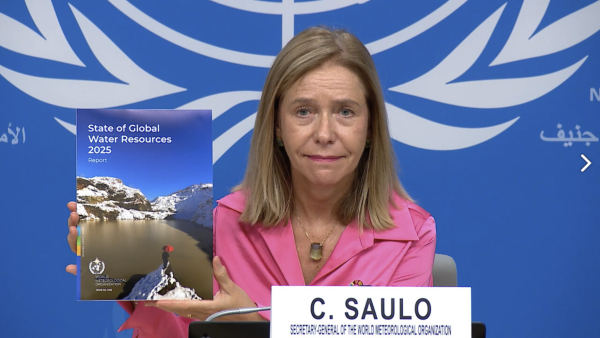
As world’s water reserves change, countries must prepare for a new reality: WMO
New data showing that rivers were at their lowest level for decades last year provides further evidence that the climate crisis is real and countries must act immediately to protect themselves from the increasing threat to communities and livelihoods, the UN World Meteorological Organization (WMO) said on Thursday.
The key findings from WMO’s State of Global Water Resources 2025 report covering the hydrological cycle and extreme events in the five-year period to last year:
- 2025 was one of driest years for river discharge in 35 years
- Past seven years have seen abnorfmal river flows
- Water storage on Earth’s land surface has decreased in past decade
- Widespread glacier loss across all regions for fourth consecutive year
- Asia and Africa are regions most affected by water-related disasters
- Water data availability has improved, but gaps remain in hard-hit areas
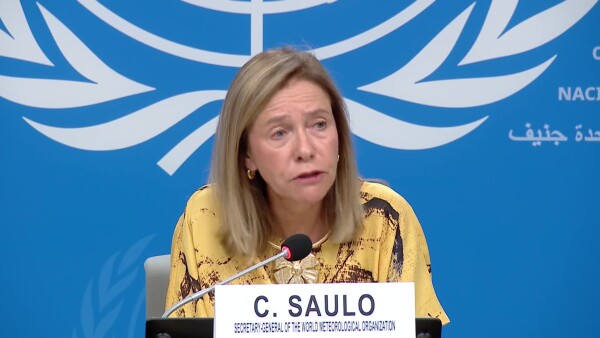
Highlighting the long-term decline in the Earth’s freshwater storage and glacier melt, WMO Secretary-General Celeste Saulo explained that the planet’s water reserves used to act as a planetary “savings account” that absorbed the occasional dry season, avoiding a water crisis. “One of the central stories of the 2025 report is what is happening to that savings account? And the simple answer is that we are depleting it,” she told journalists in Geneva.
Groundwater reserves are equally stretched and have been in decline since 2014, WMO’s report states, with nearly two-thirds of monitored wells worldwide showing levels lower than the historical norm and indicating a shift “further toward deficit…not recovery”.
“At the same time, we are seeing more water-related disasters,” Ms. Saulo said, while also stressing that the currently strengthening El Niño “will increase the risk of drought in some areas, and flooding in others”.
Glaciers disappearing
In 2025, for the fourth consecutive year, every major glaciated region on Earth lost ice mass, leading to short-term hazards including floods and long-term water insecurity, according to WMO.
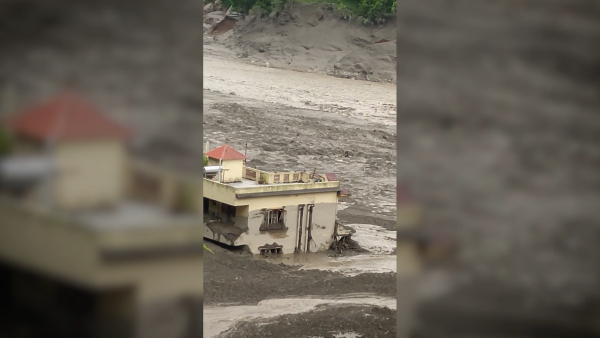
Responding to a question about whether the changing global water cycle might have contributed to the deadly Nepal-China flooding disaster, Ms. Saulo explained that melting ice and rock was just one factor in the chain of events that ultimately sent a massive and deadly wall of water and debris downstream on 26 August, killing at least 1,367 people.
“You asked if it could happen again? Absolutely; the problem in this region is that there’s 63,700 glaciers at the last count,” she told a Press Conference in Geneva. “Even if you’re looking with remote sensing with satellites at these glaciers, you might see some faults, you might see some slight shifting, that does not mean necessarily catastrophic collapse. So, in order to plan for this, it’s very, very difficult. But the international community is looking very hard at ways in which we can bring people together to solve some of these monitoring issues.”
Data indicates that glaciers shrank between 2023 and 2025 with cumulative losses of 1,400 gigatonnes of water – or about one third of annual fresh water needs.
Every major glacier region on Earth lost ice for the fourth consecutive year.
“All 19 glacier regions around the globe lost ice; in Central Asia, Iceland, the Russian Arctic and western Canada and the United States, it was among the three worst years on record,” said Wayne Jenkinson, WMO’s Director of Hydrology and Cryosphere.
Some regions with smaller glaciers such as Central Europe, the Caucasus, the western Canada and the United States may already have reached “peak water”, Mr. Jenkinson warned.
“After this point, the glacier gives less meltwater each year simply because there is less ice left to melt. That matters for every community downstream that relies on water during hot, dry summers,” he explained.
Narelle van der Wel, WMO’s Head of Cryosphere Monitoring, Predictions and Services, stressed that while some further glacier loss is unavoidable, the eventual scale of the decline is not predetermined.
“Some glacier loss is inevitable, but total loss of glaciers is not yet inevitable,” she said, pointing to emissions reductions as central to limiting future losses.
Preparing for moving baselines
The report does not attribute every observed change to climate change alone. WMO says pressure on water resources and natural variability also contribute.
Mr. Jenkinson said governments need to prepare for “moving baselines” as historical patterns become less reliable.
“The situation 30 years ago is not where we are today,” he said. Countries, he added, need to prepare “for those changes that have really already arrived”.
ends
1
1
1
Edited News | OCHA , WHO
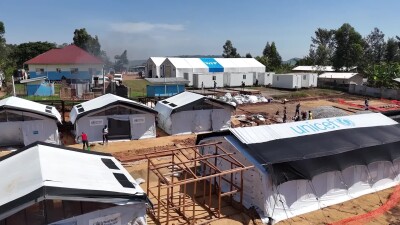
The deadly Ebola virus outbreak in DR Congo continues to spread across the vast country despite some success in containing it, aid officials said on Tuesday, in a renewed call for international support to help responders on the ground.
2
1
2
Press Conferences , Edited News | WFP
‘Super El Niño’ and converging crises worsen hunger in South Sudan and across the region - WFP
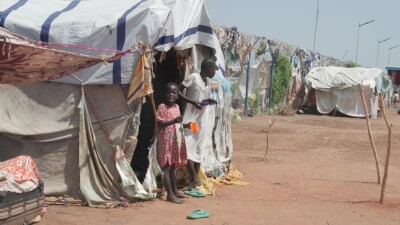
South Sudan’s hunger crisis is becoming increasingly catastrophic as violence, extreme weather and dwindling aid leave millions without enough food, the UN World Food Programme (WFP) warned on Tuesday.
1
1
1
Edited News | UN WOMEN
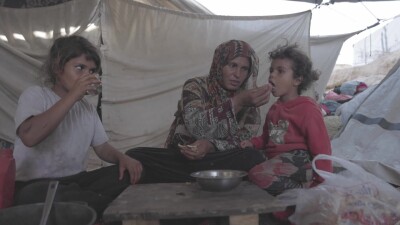
In war-torn Gaza, a growing number of women-headed households face “impossible decisions” every day, amid ongoing Israeli airstrikes and still-scarce resources, UN humanitarians said on Tuesday.
1
1
1
Edited News | OHCHR , UNOG
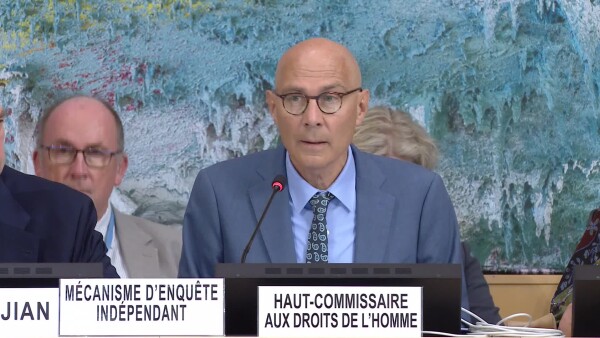
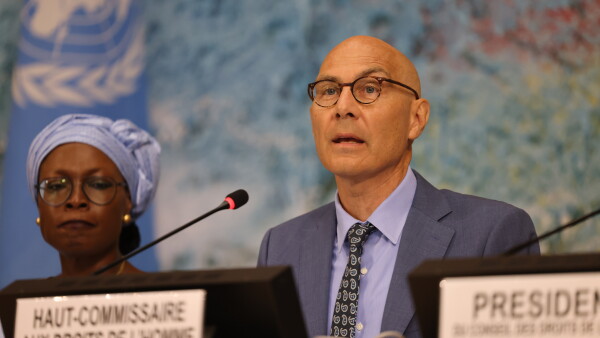
UN Human Rights Chief Volker Türk made the following remarks to the Enhanced Interactive Dialogue on the Independent Investigative Mechanism for Myanmar at the 63rd Human Rights Council.
1
Edited News | OHCHR , UNOG
UN Human Rights Chief Volker Türk today delivered an update on the global human rights situation to the 63rdsession of the Human Rights Council in Geneva.

1
1
1
Edited News | WHO
Repeated attacks on humanitarian warehouses put vital medical aid at risk in Ukraine - WHO
A new airstrike overnight damaged one of the main warehouses used by the UN health agency to store humanitarian medical supplies in the Kyiv region, the World Health Organization (WHO) said on Friday. This is the third attack to affect a WHO-used storage in the last three months.
2
2
2
Press Conferences , Edited News | WMO
Powerful El Niño heightens extreme-weather risks through 2027, as countries brace for impact - WMO
Fuelled by extraordinarily warm waters across the tropical Pacific Ocean, the El Niño climate pattern is expected to intensify in the coming months. Forecasters are almost certain that it will persist through February next year, with unusually warm conditions expected across the globe.
1
1
1
Edited News | OCHA , IFRC , UN WOMEN , WHO
Nepal flood deaths near 1,000 as those spared struggle to survive – UN humanitarians
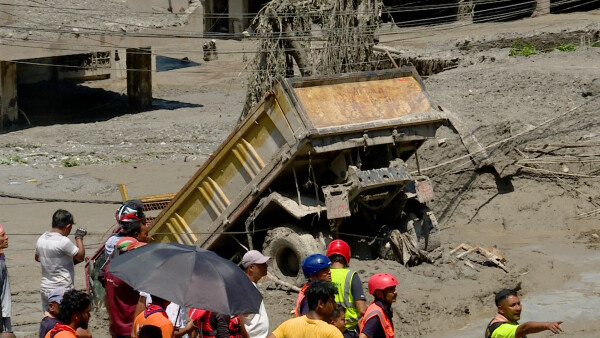
With the death toll in Nepal’s catastrophic flash floods inching towards 1,000, rescue workers are facing harsh conditions while survivors lack access to food, safe water and health care, humanitarians said on Tuesday.
1
1
1
Edited News | OCHA , UNDRR , IFRC , WHO
Nepal: Flooding disaster “not over” as humanitarians work around the clock
While search and rescue efforts continued Friday following flash floods and mudslides in northern Nepal, UN humanitarians are taking stock of the devastation amid concerns over more flooding to come.