

The United Nations Office at Geneva
Multimedia Newsroom
STORYLINE
UN High Commissioner for Human Rights, Volker Türk called on Friday for Niger’s democratically elected officials to be released “at once”, following their detention by coup leaders last month. In a statement released on Friday, Mr. Türk urged the generals to immediately restore constitutional order.
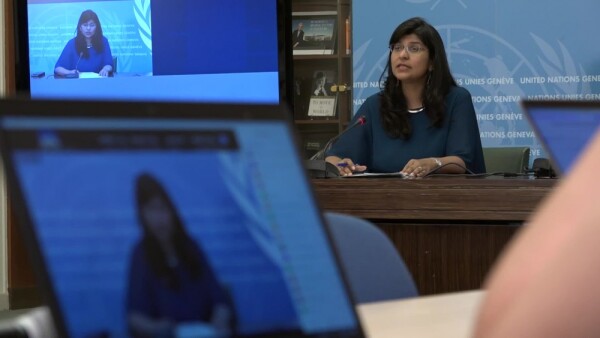
Speaking in Geneva, his spokesperson Ravina Shamdasani said that Mr. Türk had “grave concerns” for the people of Niger. “The people have already been through so much hardship over the years. Now, the very people who they elected to build a pathway to end their destitution have been removed by force,” she said.
Ms. Shamdasani noted that Niger was one of the poorest countries in the world, with nearly half of the population living on less than $2.15 a day and millions reliant on humanitarian assistance.
She deplored that the country’s people have been forced to endure “even more misery” following the coup, which has triggered border closures, trade interruptions and a surge in food prices. Even before the coup, over three million people were chronically food insecure according to the UN World Food Programme, and close to half of all children under five were suffering from chronic malnutrition. The OHCHR spokesperson reiterated Mr. Türk’s call for “full and free access for humanitarian assistance” to allow “critical food, medical and other relief supplies into the country”.
Ms. Shamdasani said there had been a “very worrying” clampdown on civic space which was impacting freedom of expression and public assembly. This included allegations of intimidation against journalists and bans on international media outlets. She also noted that recently there has been a “deeply troubling” pattern of unconstitutional changes in government by military forces in West Africa – the Niger putsch being the sixth in the region in the past three years. “The costs are always borne by the local population,” she said, warning that the coup had taken away the “key hope” and “key platform” that people had to try to resolve the “very difficult, serious problems that the country is facing on the economic front, on the security front, on every front”, she told journalists.
ends
STORY: NIGER HUMAN RIGHTS UPDATE - OHCHR
TRT: 02:38”
SOURCE: UNTV CH
RESTRICTIONS: NONE
LANGUAGE: ENGLISH
ASPECT RATIO: 16:9
DATELINE: 16 AUGUST 2023, GENEVA, SWITZERLAND
SHOTLIST
- Exterior wide shot, United Nations flag flying.
- Wide shot of panel.
- SOUNDBITE: (ENGLISH) Ravina Shamdasani, OHCHR spokesperson: “The UN human rights chief, Volker Türk, expresses grave concern for the people of Niger who have been forced to endure even more misery following last month's military coup. He calls on the generals to immediately restore constitutional order.”
- Close of speaker with screen in background.
- SOUNDBITE: (ENGLISH) Ravina Shamdasani, OHCHR spokesperson: “Niger is one of the poorest countries in the world, extremely vulnerable to climate change. The people have already been through so much hardship over the years. Now, the very people who they elected to build a pathway to end their destitution have been removed by force against the constitutional order and detained by the coup leaders. They must be released at once and democracy restored.”
- Mid of camera filming briefing.
- SOUNDBITE: (ENGLISH) Ravina Shamdasani, OHCHR spokesperson: “Nearly half of the population of Nigeria's mired in extreme poverty, living on less than $2.15 a day, and millions are reliant on humanitarian assistance. Since the coup, their situation has worsened. The landlocked country's borders have been shut, trade has come to a standstill, there have been severe power cuts and food prices have risen.”
- Wide of attendees at briefing.
- SOUNDBITE: (ENGLISH) Ravina Shamdasani, OHCHR spokesperson: “The High Commissioner calls for full and free access for humanitarian assistance, including goods, flights and personnel to allow critical food, medical and other relief supplies into the country.”
- Close of attendees at briefing.
- SOUNDBITE: (ENGLISH) Ravina Shamdasani, OHCHR spokesperson: “Clampdown on civic space, including allegations of intimidation against journalists, bans on international media outlets and other restrictions impacting freedom of expression and peaceful assembly are also very worrying.”
- Close of attendees with speaker in background.
- SOUNDBITE: (ENGLISH) Ravina Shamdasani, OHCHR spokesperson: “The High Commissioner said the recent pattern of unconstitutional changes in government by military forces in West Africa, the Niger push is the sixth in the region in the past three, years is deeply troubling and the costs are always borne by the local population.”
- Close of attendee typing.
- SOUNDBITE: (ENGLISH) Ravina Shamdasani, OHCHR spokesperson: “This coup has taken away that key hope that people had and that key platform that people had to really be involved in resolving the very difficult, serious problems that the country is facing on the economic front, on the security front, on every front.”
- Close of laptop with speaker in background.
- Side view of attendees at briefing
- Close of attendees typing.
Similar Stories
1
1
1
Edited News | OCHA , UNICEF , WFP
Aid agencies warned on Friday of the fast-developing humanitarian emergency inside Taiz City in Yemen, which has been encircled by de facto Houthi forces fighting government troops along the country’s west coast.

2
17
1
2
Edited News , Press Conferences , Images | OCHA , WMO
Two UN agencies teamed up on Wednesday to issue an appeal for immediate assistance to help communities already being impacted by the strongest El Niño on record.
3
16
2
2
Edited News , B-roll , Conferences , Images | UNITED NATIONS , UNOG
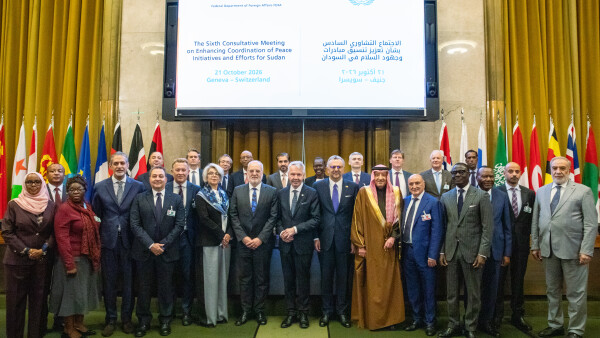
Sixth Consultative Meeting on Enhancing Coordination of Peace Initiatives and Efforts for Sudan

1
1
1
Edited News | UNICEF , WHO , UNHCR
Yemen war continues to force families from homes amid hunger and disease
More than 250,000 people have now fled renewed fighting in Yemen, the UN said on Tuesday, citing particular concern for those sheltering in the southwestern city of Taiz and the wider governorate, where access is “essentially blocked”.

1
1
1
Edited News | UNICEF
A little over one year since a ceasefire agreement was announced between Hamas fighters and Israel, more than 340 children have been reported killed and hundreds more injured, the UN Children’s Fund, UNICEF, said on Friday.

1
1
1
Edited News | UNICEF , IFRC
Six weeks after Nepal’s deadly flooding disaster, communities are still struggling to rebuild their lives, but they will need sustained help as global warming increases the risk of another Himalayan catastrophe, the UN Children’s Fund (UNICEF) said on Friday.

1
1
1
Edited News | WHO
In suspected Russia plague death, testing and monitoring underway – WHO
The death of a lab worker in Russia’s Siberia region has sparked concerns about plague being the cause, the UN World Health Organization (WHO) said on Tuesday, adding that it was following the situation closely.

1
1
Edited News | OHCHR , UNOG
UN Human Rights Chief Volker Türk on Friday provided and oral update to the 63rd session of the Human rights Council on Ukraine.

1
1
1
Edited News | OHCHR , UNOG
UN Human Rights Chief Volker Türk on Friday provided and oral update to the 63rd session of the Human rights Council on the human rights situation in Haiti.

1
1
1
Edited News | WHO
Repeated delays in bringing lifesaving medicines, prosthetics and more from Israel into Gaza risk having devastating consequences on Palestinians who urgently need them in the wartorn enclave, the UN World Health Organization (WHO) said on Friday. “A truck full of non-priority supplies or the right supplies arriving too late, doesn't save lives. That's the question that actually matters," said Dr Reinhilde Van De Weerdt, WHO Representative in the OPT.

1
1
1
Edited News | WHO
DRC: Early access to care and oxygen decisive for Ebola patients’ survival – WHO
In the Democratic Republic of the Congo (DRC), health workers fighting the country’s largest-ever Ebola outbreak are struggling to overcome critical challenges to patient care, the UN World Health Organization (WHO) warned on Tuesday.

1
1
1
Edited News | OCHA , UN
Civilians in Iran are continuing to feel the consequences of months of conflict and military escalation, the UN’s top official in the country has said, as loss of life, damage to civilian infrastructure and mounting economic pressures leave many facing continued uncertainty.