

The United Nations Office at Geneva
Multimedia Newsroom
Edited News , Statements | OCHA , UNOG , UNITED NATIONS
High-level Ministerial Meeting on Humanitarian Situation in Afghanistan
STORYLINE
Support Afghans in their most perilous hour, urges UN’s Guterres
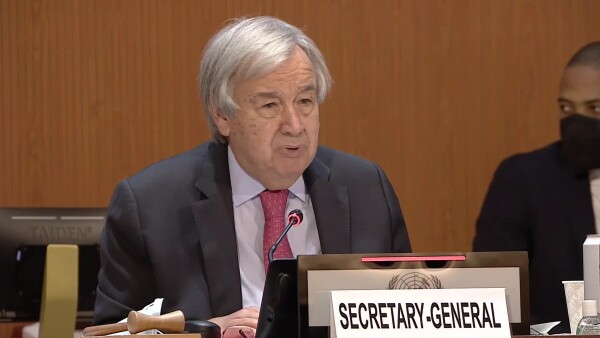
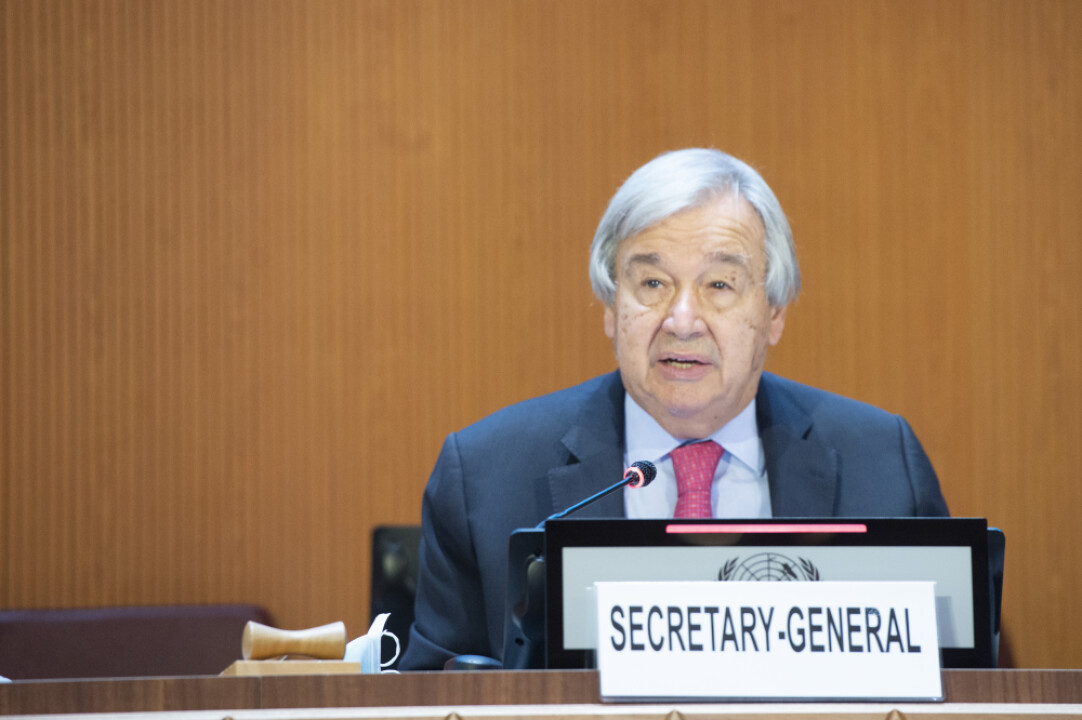
The international community should urgently offer a “lifeline” to millions of vulnerable Afghans “who face perhaps their most perilous hour”, the UN Secretary-General said on Monday.
Leading the appeal in Geneva for $606 million to support emergency aid for 11 million people across the country, António Guterres said that even before the uncertainty caused by the Taliban takeover last month, people were in the grip of one of the worst crises in the world.
“Excellencies, ladies and gentlemen, the people of Afghanistan need a lifeline. After decades of war, suffering and insecurity, they face perhaps their most perilous hour. Now is the time for the international community to stand with them. And let us be clear, this conference is not simply about what we will give to the people of Afghanistan, it is about what we owe.”
The UN chief added that four conditions needed to be met to continue life-saving efforts in Afghanistan: “first, funding; we need more and we need it quickly, and we need to be flexible enough to adapt to the fast-changing conditions on the ground. I urge you to support our flash appeal for $606 million to get urgent assistance to 11 million people in the next four months.”
Amid concerns over women’s rights, Mr. Guterres underscored how a “new generation of women leaders and entrepreneurs, educated and flourishing over the last two decades”, were “one of the bright spots of Afghanistan today”.
Afghan women and girls “want to ensure that gains are not lost, doors are not closed and hope is not extinguished,” the Secretary-General continued. “This is central to the future of the country and every Afghan.”
Turning to concerns over humanitarian access amid dramatically rising needs, Mr. Guterres maintained that the country’s new rulers had pledged their cooperation “to ensure assistance is delivered to the people of Afghanistan. Our staff and all aid workers must be allowed to do their vital work in safety — without harassment, intimidation or fear.”
One in three Afghans do not know where their next meal is coming from, the UN chief warned, adding that “many people could run out of food by the end of the month, just as winter approaches”.
“The international community must find ways to make cash available to allow the Afghan economy to breathe,” he insisted. “A total collapse would have devastated consequences to the people and risks to destabilize the neighbouring countries with a massive outflow.”
In addition to combating rising food insecurity, Monday’s flash appeal aims to support essential health care – including maternal health care.
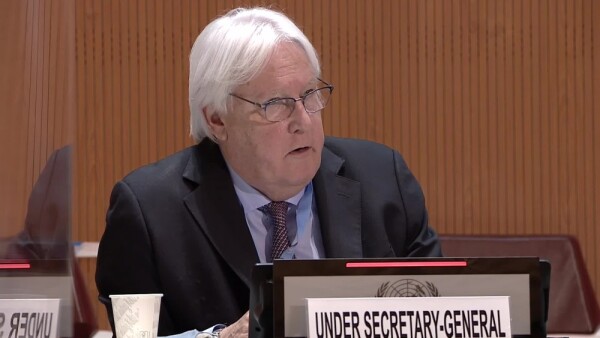
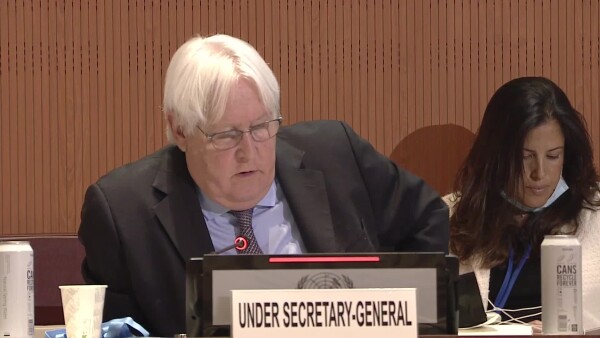
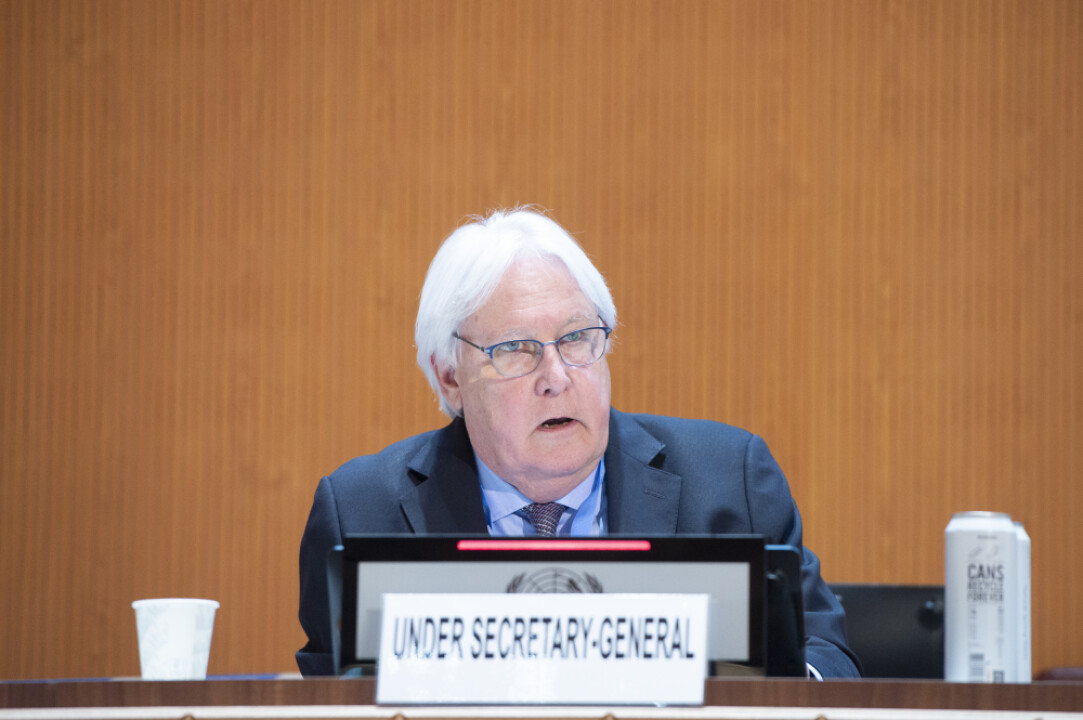
Echoing the UN’s determination to “stand by” the people of Afghanistan and protect “hard-won gains” for the country’s people over the last 20 years, UN emergency relief chief Martin Griffiths noted that he had just received written assurances from the Taliban leadership to allow relief efforts to continue.
These guarantees – received over the weekend - followed his meeting with the Taliban’s interim leaders in Kabul last week, where he urged the country’s new rulers to respect human rights and facilitate aid access.
“The role of women and girls is crucial, as anywhere,” said Mr. Griffiths. “They must have access to education, they must have their rights and access to other essential services, as anywhere else in the world. And a better future for Afghanistan in particular depends on the meaningful participation of women in all sectors of Afghanistan's economy and governance.”
Mr Griffiths also noted that the Taliban pledged to remove “current and previous impediments” to humanitarian projects by the UN and partners.
Aid workers would also be protected by the Taliban, as would the sanctity of UN property, the UN emergency relief chief explained, adding that the country’s new leaders were in agreement about women’s rights and freedom of expression, in line with the country’s religious and cultural values.
Addressing the conference, UN Children’s Fund (UNICEF) Chief Executive Henrietta Fore underscored the desperate situation for many Afghans.
“Nearly 600,000 people – more than half of whom are children - have been displaced due to conflict this year,” she said. “The number of unaccompanied and separated children is increasing, and we have received informal reports of the recruitment of children by parties to the conflict and are concerned that children may be at a heightened risk of experiencing other grave violations of their rights.”
Also appealing for international solidarity with Afghanistan, UN population fund (UNFPA) Executive Director Natalia Kanem insisted that Afghan women and girls “must not be abandoned. My message today: we must stand strong and stand together to protect the fundamental rights, freedoms and very lives of Afghan women and girls and not allow 20 years of hard-won gains to be eroded before their eyes. Neither religious beliefs nor politics must ever be used to justify curtailment of women’s full participation in all aspects of society.”
For the UN World Food Programme (WFP), the current Afghanistan crisis has its roots in decades of conflict and lack of development resilience.
“What you are seeing is back-to-back drought, years of conflict, COVID, economic deterioration, lack of cash,” said WFP Executive Director David Beasley. “In fact, 40 per cent of the wheat crop this year has been lost, and I could just keep going on and on and on and on and on.”
Speaking from Kabul, the UN High Commissioner for Refugees Filippo Grandi underscored the high level of needs among Afghanistan’s 3.5 million displaced people, and the potential for even greater suffering.
“If you look at it from the perspective of the current crisis, I fear that the collapse of services and that the economy that has already has been described as a risk, coupled perhaps with increased violence and tension, could lead to a much greater displacement, internal and external and this could happen very soon.”
If funding is received soon it can be used to scale up help to vulnerable Afghans displaced outside the country, Mr. Grandi added, highlighting the need for financial support for vaccination campaigns and resettlement programmes for refugees.
ends
STORY: High-Level Ministerial Meeting On The Humanitarian Situation in Afghanistan
TRT: 4’42”
SOURCE: UNTV CH
RESTRICTIONS: NONE
LANGUAGE: ENGLISH
ASPECT RATIO: 16:9
DATELINE: 13 Sept 2021, GENEVA, SWITZERLAND
SHOTLIST
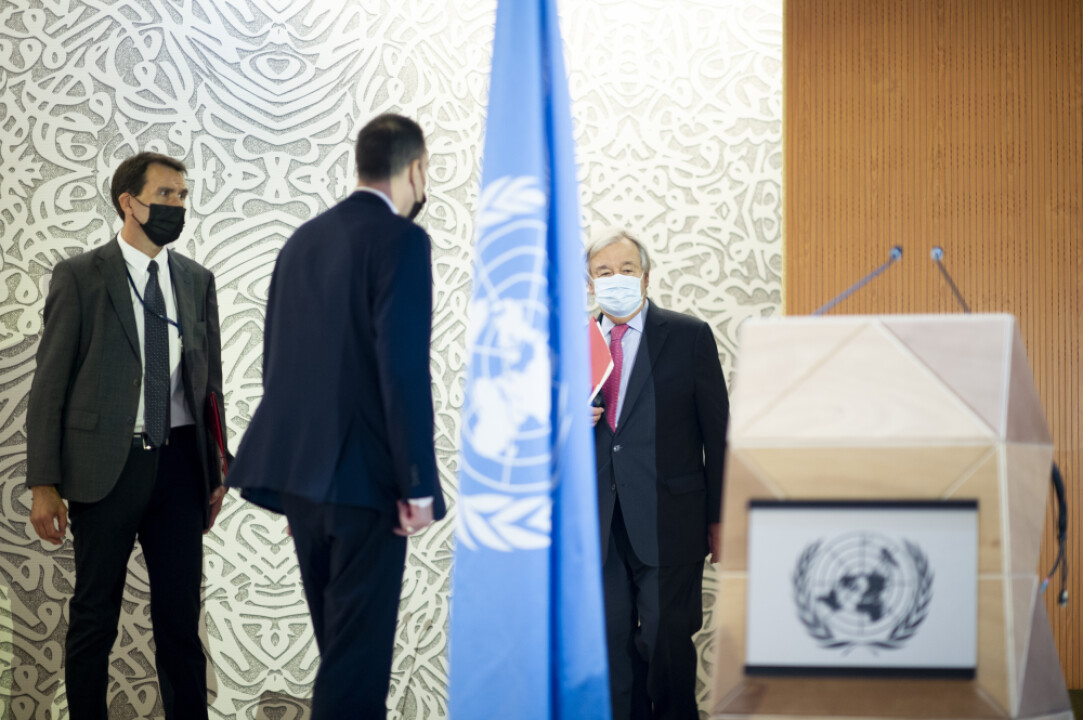
- Exterior wide shot, United Nations flag flying.
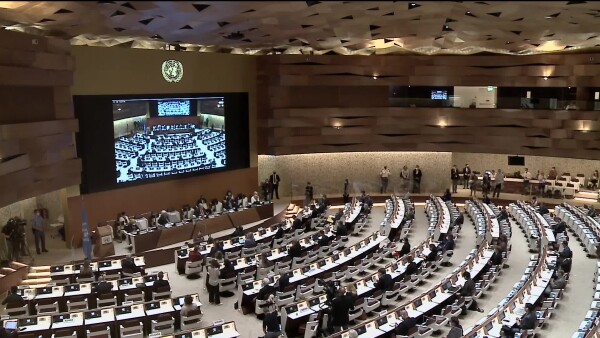
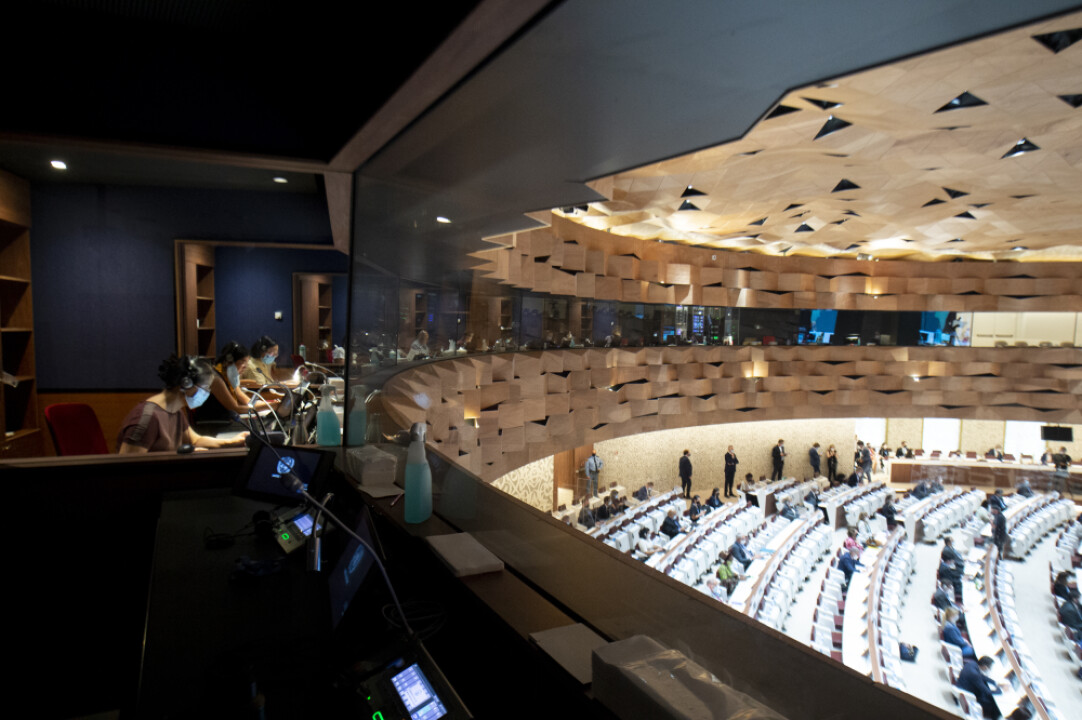
- Medium-wide shot, conference venue, UN Geneva.
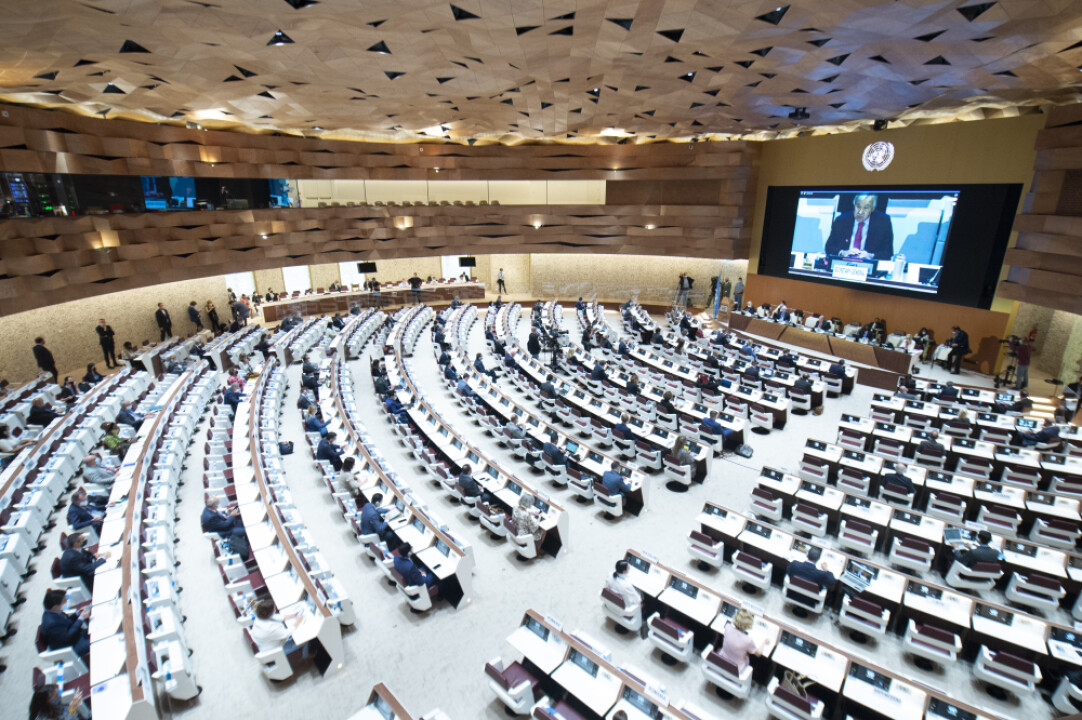
- Wide shot, conference venue, UN Geneva.
- SOUNDBITE (English): UN Secretary-General António Guterres: “Excellencies, ladies and gentlemen, the people of Afghanistan need a lifeline. After decades of war, suffering and insecurity, they face perhaps their most perilous hour. Now is the time for the international community to stand with them. And let us be clear, this conference is not simply about what we will give to the people of Afghanistan, it is about what we owe.”
- Medium shot, delegate, masked, wearing conference hearing piece.
- SOUNDBITE (English): UN Secretary-General António Guterres: “To continue our life-saving efforts in Afghanistan, we need four things right away. First, funding; we need more and we need it quickly, and we need to be flexible enough to adapt to the fast-changing conditions on the ground. I urge you to support our flash appeal for $606 million to get urgent assistance to 11 million people in the next four months.”
- Medium shot, delegates wearing facemasks, seated.
- SOUNDBITE (English): UN Secretary-General António Guterres: “One of the bright spots of Afghanistan today is the new generation of women leaders and entrepreneurs, educated and flourishing over the last two decades. Afghan women and girls want to ensure that gains are not lost, doors are not closed and hope is not extinguished. This is central to the future of the country and every Afghan.”
- Medium shot, photographer preparing to take a picture.
- SOUNDBITE (English): UN Secretary-General António Guterres: “The international community must find ways to make cash available to allow the Afghan economy to breathe. A total collapse would have devastated consequences to the people and risks to destabilize the neighbouring countries with a massive outflow.”
- Medium shot: ICRC delegate, masked, checking notes.
- SOUNDBITE (English): UN Emergency Relief Coordinator, Martin Griffiths: “The role of women and girls is crucial, as anywhere; they must have access to education, they must have their rights and access to other essential services, as anywhere else in the world. And a better future for Afghanistan in particular depends on the meaningful participation of women in all sectors of Afghanistan's economy and governance.”
- Close of delegates.
- SOUNDBITE (English): UNICEF Chief Executive Henrietta Fore: “Nearly 600,000 people, more than half of whom are children, have been displaced due to conflict this year. The number of unaccompanied and separated children is increasing, and we have received informal reports of the recruitment of children by parties to the conflict, and are concerned that children may be at a heightened risk of experiencing other grave violations of their rights.”
- Medium shot, delegate looking up, masked, other delegates to rear.
- 18. SOUNDBITE (English): UNHCR High Commissioner Filippo Grandi: “If you look at it from the perspective of the current crisis, I fear that the collapse of services and that the economy that has already has been described as a risk, coupled perhaps with increased violence and tension, could lead to a much greater displacement, internal and external and this could happen very soon.”
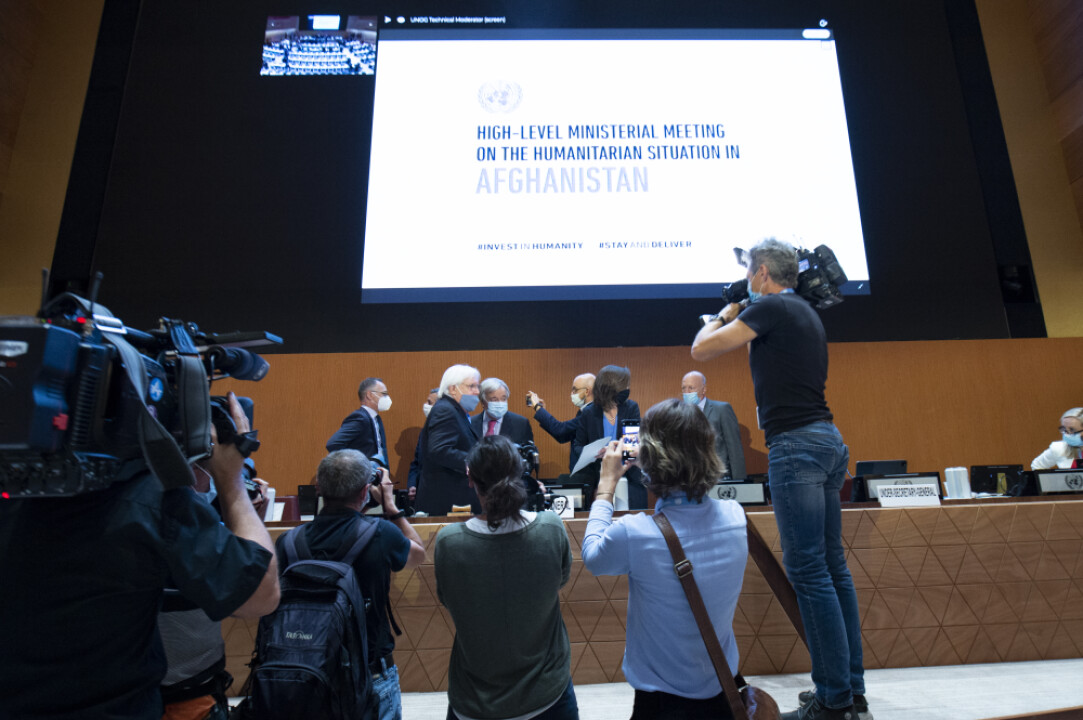
- Wide, TV camera operators surrounded by delegates.
- SOUNDBITE (English): UN WFP Executive Director David Beasley: “What you are seeing is back-to-back drought, years of conflict, COVID, economic deterioration, lack of cash; in fact, 40 per cent of the wheat crop this year has been lost, and I could just keep going on and on and on and on and on.”
- Medium, delegates, masked and seated.
- SOUNDBITE (English): UNFPA Executive Director Natalia Kanem: “Afghan women and girls must not be abandoned. My message today: we must stand strong and stand together to protect the fundamental rights, freedoms and very lives of Afghan women and girls and not allow 20 years of hard-won gains to be eroded before their eyes. Neither religious beliefs nor politics must ever be used to justify curtailment of women’s full participation in all aspects of society.”
- Medium of TV journalists and photographers crowding to take footage and pictures of podium speakers.
- Medium of photographers taking photographs.
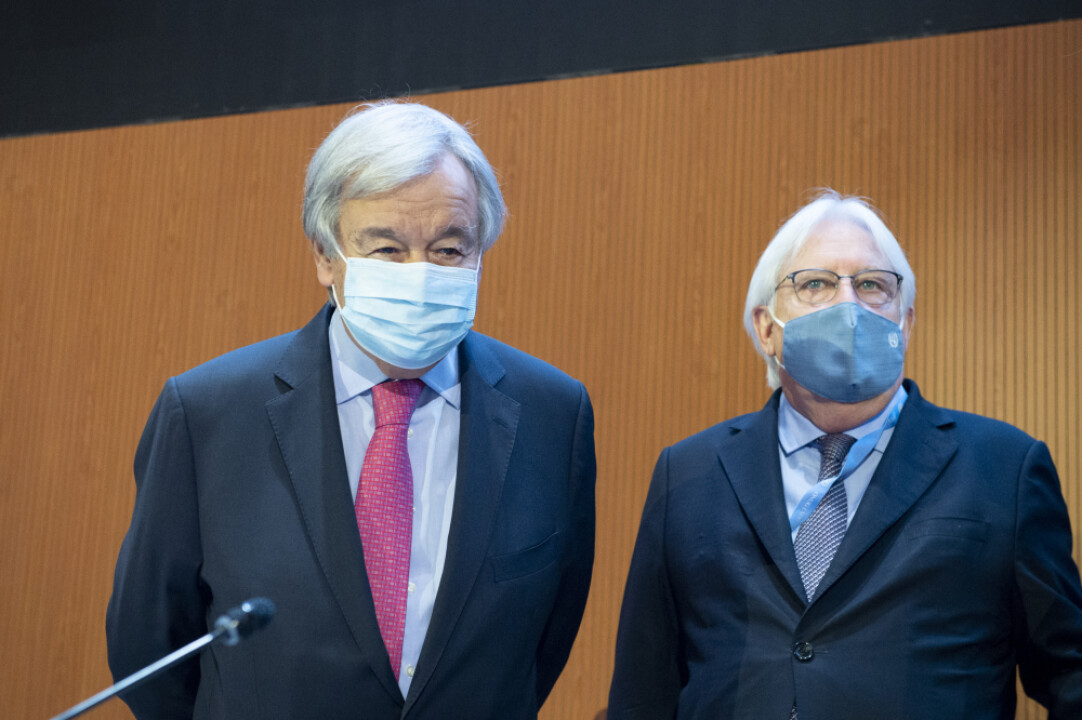
- Medium of the UN Secretary-General and UN Emergency Relief Chief talking together, masked.
- Medium, UN flag alley.
- Wide, UN flag alley.
- Close, UN flag alley.
Similar Stories

1
1
1
Edited News | UNICEF
A little over one year since a ceasefire agreement was announced between Hamas fighters and Israel, more than 340 children have been reported killed and hundreds more injured, the UN Children’s Fund, UNICEF, said on Friday.

1
1
1
Edited News | UNICEF , IFRC
Six weeks after Nepal’s deadly flooding disaster, communities are still struggling to rebuild their lives, but they will need sustained help as global warming increases the risk of another Himalayan catastrophe, the UN Children’s Fund (UNICEF) said on Friday.

1
1
1
Statements , Press Conferences | OHCHR

1
1
1
Edited News | WHO
In suspected Russia plague death, testing and monitoring underway – WHO
The death of a lab worker in Russia’s Siberia region has sparked concerns about plague being the cause, the UN World Health Organization (WHO) said on Tuesday, adding that it was following the situation closely.

1
1
Edited News | OHCHR , UNOG
UN Human Rights Chief Volker Türk on Friday provided and oral update to the 63rd session of the Human rights Council on Ukraine.
2
1
2
Statements , Conferences | HRC , OHCHR
Interactive dialogue with the High Commissioner for Human Rights, Volker Türk on the oral update on Ukraine.

1
1
1
Edited News | OHCHR , UNOG
UN Human Rights Chief Volker Türk on Friday provided and oral update to the 63rd session of the Human rights Council on the human rights situation in Haiti.

1
1
1
Edited News | WHO
Repeated delays in bringing lifesaving medicines, prosthetics and more from Israel into Gaza risk having devastating consequences on Palestinians who urgently need them in the wartorn enclave, the UN World Health Organization (WHO) said on Friday. “A truck full of non-priority supplies or the right supplies arriving too late, doesn't save lives. That's the question that actually matters," said Dr Reinhilde Van De Weerdt, WHO Representative in the OPT.

1
1
1
Edited News | WHO
DRC: Early access to care and oxygen decisive for Ebola patients’ survival – WHO
In the Democratic Republic of the Congo (DRC), health workers fighting the country’s largest-ever Ebola outbreak are struggling to overcome critical challenges to patient care, the UN World Health Organization (WHO) warned on Tuesday.

1
1
1
Edited News | OCHA , UN
Civilians in Iran are continuing to feel the consequences of months of conflict and military escalation, the UN’s top official in the country has said, as loss of life, damage to civilian infrastructure and mounting economic pressures leave many facing continued uncertainty.
1
1
1
Edited News | WHO , UNICEF
Aid agencies in Yemen highlighted the growing hunger emergency sparked by renewed fighting between Houthi opposition forces and Government troops, after mobile health clinics reported that hundreds of children displaced by the violence are suffering from the most deadly form of malnutrition.
1
1
1
Edited News | UNHCR
Displacement on the rise in Yemen as fighting continues - UNHCR
As hostilities worsen in Yemen, more people have been fleeing their homes, further intensifying the humanitarian crisis within the region, the UN Refugee Agency (UNHCR) warned on Tuesday.