

The United Nations Office at Geneva
Multimedia Newsroom
Soudan : 14 millions de déplacés ; la faim et les attaques contre la santé se poursuivent alors que la guerre entre dans sa quatrième année
Alors que le Soudan approche du troisième anniversaire d'une guerre civile brutale, des millions de personnes restent déplacées et affamées tandis que le système de santé est en ruines, sans fin en vue à la violence, ont déclaré vendredi les agences de l'ONU.
Parlant depuis Khartoum, la représentante de l'Agence des Nations Unies pour les réfugiés (HCR) dans le pays, Marie-Hélène Verney, a déclaré aux journalistes que depuis le début du conflit entre les Forces armées soudanaises (SAF) et les Forces de soutien rapide (RSF) le 15 avril 2023, environ 14 millions de personnes, soit un quart de la population, ont été forcées de fuir, avec 9 millions restant déplacées à l'intérieur du Soudan et 4,4 millions à travers les frontières, principalement au Tchad, au Soudan du Sud et en Égypte.
« Malheureusement, nous ne voyons pas de progrès clairs vers une résolution », a-t-elle déclaré, soulignant que les combats se poursuivent dans de grandes parties du pays : les Kordofans, le Darfour et l'État du Nil Bleu.
« Une chose à noter est l'utilisation accrue des bombardements aériens et des attaques de drones », a-t-elle ajouté.
Les frappes aériennes ont ciblé les infrastructures civiles « sans avertissement », a déclaré Mme Verney, et de graves violations des droits de l'homme se sont poursuivies, y compris des massacres, des recrutements forcés et des arrestations arbitraires.
Les femmes et les filles sont particulièrement à risque de violences sexuelles liées au conflit qui « se produisent souvent lorsqu'elles essaient de fuir pour se mettre en sécurité », a-t-elle ajouté.
En février, le Bureau des droits de l'homme de l'ONU (OHCHR) a déclaré que plus de 500 victimes de violences sexuelles avaient été identifiées en 2025 seulement, tandis qu'un nombre record de 11 300 civils ont été tués cette année-là alors que des milliers d'autres restaient portés disparus ou non identifiés.
La plus grande crise de déplacement au monde est aussi une crise de la faim, comme l'a souligné le représentant de l'Organisation des Nations Unies pour l'alimentation et l'agriculture (FAO) au Soudan, Hongjie Yang, en soulignant que 21 millions de Soudanais sont désormais confrontés à une insécurité alimentaire aiguë, dont 6,3 millions dans l'état le plus critique d'urgence alimentaire.
Les ménages ruraux dans les zones de conflit comme le Darfour et les Kordofans sont particulièrement sous pression, a-t-il dit.
Les capacités de production alimentaire ont été largement détruites, notamment dans l'État de Khartoum, a ajouté M. Yang, tandis que le laboratoire vétérinaire détruit ne peut pas produire de vaccins pour le bétail.
Pendant ce temps, les services de santé essentiels dans le pays ont été « brisés », a déclaré le Dr Shible Sahbani, représentant de l'Organisation mondiale de la santé (OMS) au Soudan, aux journalistes.
Plus de 40 pour cent de la population du pays nécessitent une assistance sanitaire urgente, les hôpitaux débordent de patients et les épidémies de maladies sont répandues, a-t-il dit.
L'accès aux soins de santé est d'autant plus difficile que les attaques contre les hôpitaux fonctionnels restants les ont rendus non fonctionnels.
En trois ans de guerre, l'OMS a vérifié et documenté plus de 200 attaques contre les soins de santé qui ont entraîné 2 052 décès, a déclaré le Dr Sahbani, tandis que les travailleurs de la santé ont été tués, blessés, détenus et torturés.
Le responsable de l'agence de santé de l'ONU a également souligné les impacts récents de la guerre au Moyen-Orient sur la fourniture d'aide humanitaire au Soudan.
« La plupart des agences, comme l'OMS, ont notre principal centre logistique aux Émirats arabes unis et avec ce qui se passe maintenant, cela impacte vraiment notre capacité à répondre » car les routes d'approvisionnement humanitaire ont été coupées et l'expédition d'aide est devenue plus lente et plus coûteuse.
« Heureusement, nous avions des fournitures dans le pays pour pouvoir répondre immédiatement… mais maintenant nous utilisons nos stocks et nous avons besoin de fournitures supplémentaires pour arriver », a-t-il dit.
-fin-
HISTOIRE : Trois ans de guerre au Soudan - HCR, OMS, FAO
TRT : 06:19”
SOURCE : UNTV CH
RESTRICTIONS : CRÉDIT HCR pour les images
LANGUE : ANGLAIS/NATS
RAPPORT D'ASPECT : 16:9
DATE : 10 AVRIL 2026 GENÈVE, SUISSE et diverses dates et lieux pour les images d'illustration.
- Plan large extérieur : Palais des Nations, Allée des Drapeaux.
- Plan moyen-large inversé : Orateurs au podium de la conférence de presse ; orateur sur les écrans ; journalistes dans la salle de presse.
- EXTRAIT SONORE (Anglais) – Marie-Hélène Verney, Représentante de l'Agence des Nations Unies pour les réfugiés (HCR) au Soudan : “Un quart de la population du pays a été déplacé depuis le début des combats. Cela représente environ 14 millions de personnes.”
- Plan moyen-large inversé : Orateur sur les écrans et journalistes dans la salle de presse.
- EXTRAIT SONORE (Anglais) – Marie-Hélène Verney, Représentante de l'Agence des Nations Unies pour les réfugiés (HCR) au Soudan : “9 millions sont déplacés à l'intérieur du pays. Le reste, environ 4 millions, se trouve dans les pays voisins, principalement le Tchad, le Soudan du Sud et l'Égypte.”
- Plan moyen inversé : Orateur sur les écrans et journalistes dans la salle de presse.
- EXTRAIT SONORE (Anglais) – Marie-Hélène Verney, Représentante de l'Agence des Nations Unies pour les réfugiés (HCR) au Soudan : “Alors que nous parlons, nous avons encore des combats en cours dans de grandes parties du pays, notamment cette année dans trois États appelés le Kordofan, des combats toujours en cours au Darfour et aussi dans le Nil Bleu. Et il est important de noter l'utilisation accrue des bombardements aériens et des attaques de drones.”
- Plan moyen inversé : Orateurs au podium de la conférence de presse et journalistes dans la salle de presse.
- EXTRAIT SONORE (Anglais) – Marie-Hélène Verney, Représentante de l'Agence des Nations Unies pour les réfugiés (HCR) au Soudan : “Les femmes et les filles sont particulièrement à risque, en premier lieu, mais pas seulement, de violences sexuelles liées au conflit. Nous observons malheureusement des violences sexuelles liées au conflit qui se produisent souvent lorsqu'elles tentent de fuir pour se mettre en sécurité.”
- Plan moyen inversé : Orateur sur les écrans et journalistes dans la salle de presse.
- EXTRAIT SONORE (Anglais) – Hongjie Yang, Représentant de l'Organisation des Nations Unies pour l'alimentation et l'agriculture (FAO) au Soudan : “21 millions de Soudanais font maintenant face à une insécurité alimentaire aiguë, dont 6,3 millions dans les conditions les plus extrêmes, c'est-à-dire en situation d'urgence et de catastrophe. La situation reste critique pour les ménages ruraux, en particulier dans les régions de conflit comme le Darfour, le Kordofan.”
- Plan large inversé des journalistes et techniciens dans la salle de presse.
- EXTRAIT SONORE (Anglais) – Hongjie Yang, Représentant de l'Organisation des Nations Unies pour l'alimentation et l'agriculture (FAO) au Soudan : “L'État de Khartoum est le deuxième plus grand producteur de légumes et de fruits, et de nombreuses fermes d'engraissement et abattoirs étaient situés ici à Khartoum avant la guerre, mais ont été détruits par la guerre. La destruction la plus sévère est celle du laboratoire vétérinaire essentiel, de sorte que maintenant le vaccin pour le bétail ne peut pas être produit localement.”
- Plan moyen-large inversé : Orateurs au podium de la conférence de presse ; orateur sur les écrans ; journalistes dans la salle de presse.
- EXTRAIT SONORE (Anglais) – Dr Shible Sahbani, Représentant de l'Organisation mondiale de la santé au Soudan : “Pendant les trois années de guerre, l'OMS a vérifié et documenté plus de 200 attaques qui ont entraîné plus de 2000 décès, soit exactement 2052. Rien que cette année, au premier trimestre de 2026, nous avons enregistré et vérifié 16 attaques contre des établissements de santé, entraînant presque 200 décès et plus de 300 blessés.”
- Plan moyen inversé : Orateur sur les écrans et journalistes dans la salle de presse.
- EXTRAIT SONORE (Anglais) – Dr Shible Sahbani, Représentant de l'Organisation mondiale de la santé au Soudan : “La plupart des agences comme l'OMS ont notre principal centre logistique aux Émirats arabes unis et avec ce qui se passe actuellement, cela impacte vraiment notre capacité à répondre en termes de temps, en termes de coût également, heureusement nous avions des fournitures dans le pays pour pouvoir répondre immédiatement, mais le problème est que maintenant nous utilisons nos stocks et nous avons besoin de fournitures supplémentaires pour entrer.”
- Plan moyen inversé avec des journalistes dans la salle de presse.
- Différents gros plans de journalistes dans la salle de presse.
- Plan moyen, conteneurs d'eau en cours de remplissage. Lieu : Renk, frontière de Joda, Soudan du Sud (10 février 2026). Veuillez créditer le HCR.
- Plan moyen, fille mettant son conteneur d'eau sur un âne. Lieu : Renk, frontière de Joda, Soudan du Sud (10 février 2026). Veuillez créditer le HCR.
- Plan large, fille sur un âne ramenant son eau à la maison. Lieu : Renk, frontière de Joda, Soudan du Sud (10 février 2026). Veuillez créditer le HCR.
- Plan large, passage frontalier entre le Soudan et le Soudan du Sud. Lieu : Renk, frontière de Joda, Soudan du Sud (10 février 2026). Veuillez créditer le HCR.
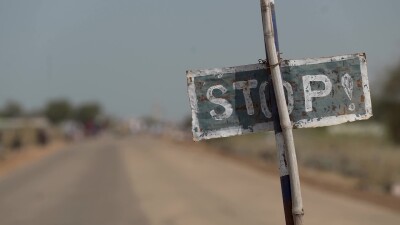
- Plan moyen, panneau d'arrêt au passage. Lieu : Renk, frontière de Joda, Soudan du Sud (10 février 2026). Veuillez créditer le HCR.
- Gros plan, drapeau du Soudan du Sud. Lieu : Renk, frontière de Joda, Soudan du Sud (10 février 2026). Veuillez créditer le HCR.
- Plan large, personnes marchant au passage frontalier. Lieu : Renk, frontière de Joda, Soudan du Sud (10 février 2026). Veuillez créditer le HCR.
- Plan moyen, personnel du HCR parlant avec des personnes à la frontière. Lieu : Renk, frontière de Joda, Soudan du Sud (10 février 2026). Veuillez créditer le HCR.
- Différents plans de petites filles lavant des vêtements à un point d'eau. Lieu : Renk, frontière de Joda, Soudan du Sud (10 février 2026). Veuillez créditer le HCR.
- Plan moyen, fille lavant des vêtements. Lieu : Renk, frontière de Joda, Soudan du Sud (10 février 2026). Veuillez créditer le HCR.
- Plan large, famille soudanaise assise à l'extérieur d'un hébergement temporaire sur le site de transit. Lieu : Renk, frontière de Joda, Soudan du Sud (10 février 2026). Veuillez créditer le HCR.
- Différents plans, au ralenti, homme soudanais. Lieu : Renk, frontière de Joda, Soudan du Sud (10 février 2026). Veuillez créditer le HCR.
- Plan large, centre de transit du HCR. Lieu : Centre de transit du HCR, Renk, Soudan du Sud, (9 février 2026) Veuillez créditer le HCR.
- Plan moyen, personnel du HCR assis et parlant avec des rapatriés et des réfugiés. Lieu : Centre de transit du HCR, Renk, Soudan du Sud, (9 février 2026) Veuillez créditer le HCR.
- Plan moyen, fille pétrissant au centre de transit. Lieu : Centre de transit du HCR, Renk, Soudan du Sud, (9 février 2026). Veuillez créditer le HCR.
- Plan moyen, femme soudanaise au centre. Lieu : Centre de transit du HCR, Renk, Soudan du Sud, (9 février 2026). Veuillez créditer le HCR.
- Différents plans de personnes à un point d'eau. Lieu : Centre de transit du HCR, Renk, Soudan du Sud, (9 février 2026). Veuillez créditer le HCR.
- Plan large, réfugiés et rapatriés rassemblés à l'extérieur avec leurs affaires se préparant à monter dans un bus. Lieu : Centre de transit du HCR, Renk, Soudan du Sud, (10 février 2026). Veuillez créditer le HCR.
- Camion plein de rapatriés et de réfugiés partant pour le port. Lieu : Centre de transit du HCR, Renk, Soudan du Sud, (10 février 2026). Veuillez créditer le HCR.
- Plan moyen, affaires des personnes attendant d'être mises sur le camion. Lieu : Centre de transit du HCR, Renk, Soudan du Sud, (10 février 2026). Veuillez créditer le HCR.
- Plan moyen, personnes chargeant des sacs sur le camion. Lieu : Centre de transit du HCR, Renk, Soudan du Sud, (10 février 2026). Veuillez créditer le HCR.
- Plan large, personnes montant dans le camion. Lieu : Centre de transit du HCR, Renk, Soudan du Sud, (10 février 2026). Veuillez créditer le HCR.
- Plan moyen, réfugiés et rapatriés grimpant dans le camion. Lieu : Centre de transit du HCR, Renk, Soudan du Sud, (10 février 2026). Veuillez créditer le HCR.
- Plan large, camion avec réfugiés/rapatriés partant pour le port. Lieu : Centre de transit du HCR, Renk, Soudan du Sud, (10 février 2026). Veuillez créditer le HCR.
Similar Stories

1
1
1
Edited News | UNICEF
A little over one year since a ceasefire agreement was announced between Hamas fighters and Israel, more than 340 children have been reported killed and hundreds more injured, the UN Children’s Fund, UNICEF, said on Friday.

1
1
1
Edited News | UNICEF , IFRC
Six weeks after Nepal’s deadly flooding disaster, communities are still struggling to rebuild their lives, but they will need sustained help as global warming increases the risk of another Himalayan catastrophe, the UN Children’s Fund (UNICEF) said on Friday.

1
1
1
Edited News | WHO
In suspected Russia plague death, testing and monitoring underway – WHO
The death of a lab worker in Russia’s Siberia region has sparked concerns about plague being the cause, the UN World Health Organization (WHO) said on Tuesday, adding that it was following the situation closely.

1
1
Edited News | OHCHR , UNOG
UN Human Rights Chief Volker Türk on Friday provided and oral update to the 63rd session of the Human rights Council on Ukraine.

1
1
1
Edited News | OHCHR , UNOG
UN Human Rights Chief Volker Türk on Friday provided and oral update to the 63rd session of the Human rights Council on the human rights situation in Haiti.

1
1
1
Edited News | WHO
Repeated delays in bringing lifesaving medicines, prosthetics and more from Israel into Gaza risk having devastating consequences on Palestinians who urgently need them in the wartorn enclave, the UN World Health Organization (WHO) said on Friday. “A truck full of non-priority supplies or the right supplies arriving too late, doesn't save lives. That's the question that actually matters," said Dr Reinhilde Van De Weerdt, WHO Representative in the OPT.

1
1
1
Edited News | WHO
DRC: Early access to care and oxygen decisive for Ebola patients’ survival – WHO
In the Democratic Republic of the Congo (DRC), health workers fighting the country’s largest-ever Ebola outbreak are struggling to overcome critical challenges to patient care, the UN World Health Organization (WHO) warned on Tuesday.

1
1
1
Edited News | OCHA , UN
Civilians in Iran are continuing to feel the consequences of months of conflict and military escalation, the UN’s top official in the country has said, as loss of life, damage to civilian infrastructure and mounting economic pressures leave many facing continued uncertainty.
1
1
1
Edited News | WHO , UNICEF
Aid agencies in Yemen highlighted the growing hunger emergency sparked by renewed fighting between Houthi opposition forces and Government troops, after mobile health clinics reported that hundreds of children displaced by the violence are suffering from the most deadly form of malnutrition.
1
1
1
Edited News | UNHCR
Displacement on the rise in Yemen as fighting continues - UNHCR
As hostilities worsen in Yemen, more people have been fleeing their homes, further intensifying the humanitarian crisis within the region, the UN Refugee Agency (UNHCR) warned on Tuesday.
1
1
1
Edited News | IOM , OHCHR , UNFPA , UNOG , UNHCR , WHO
Yemen’s humanitarian crisis growing by the hour amid spike in displacement
Yemenis displaced by renewed fighting have described fleeing for their lives amid shelling and gunfire, aid agencies reported on Friday, while highlighting the dramatic increase in humanitarian needs in the country and in Djibouti, where thousands have sought shelter.
1
1
1
Edited News | OHCHR , UNOG
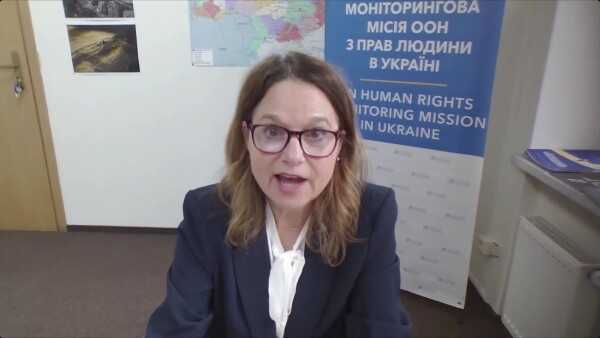
The UN Human Rights Office issued on Friday a report documenting a shocking pattern of sexual violence amid Russia’s full-scale armed attack on Ukraine.