

The United Nations Office at Geneva
Multimedia Newsroom
“UN Human Rights Chief Volker Türk is calling on the Tunisian authorities to protect the country’s democratic processes and uphold fundamental freedoms after a presidential campaign marred by a crackdown on the opposition, independent activists and journalists,”” his spokesperson Liz Throssell told the biweekly briefing in Geneva on Tuesday.
“In the weeks leading up to the election, which was held on 6 October, over 100 prospective candidates, members of their campaigns and other political figures were arrested on a variety of charges ranging from falsification of electoral paperwork to charges related to national security,” she said.
Out of 17 prospective candidates, the Independent High Authority for Elections only accepted three. A number of presidential hopefuls have been arrested and received lengthy prison sentences on various charges.
“Such cases are troubling. Their trials indicate a lack of respect for due process and fair trial guarantees,” Throssell said.
In another concerning development, the ele ctoral authorities refused on 2 September to apply a ruling by the Administrative Court to readmit three excluded candidates. Subsequently, in an extraordinary session just days before the election, Parliament passed a law removing electoral disputes from the court’s jurisdiction.
“The rejection of a legally binding court decision is at odds with basic respect for the rule of law,” the spokesperson highlighted, nothing that this development comes within a broader context of increasing pressure on civil society over the past year, targeting numerous journalists, human rights defenders and political opponents, as well as judges and lawyers.
Since 2011, Tunisia had been a pioneer in efforts to ensure accountability and redress for past abuses, including through the work of the Truth and Dignity Commission. However, a number of these gains have been lost, of which recent arrest of the former head of the commission is an example.
“We strongly urge Tunisia to recommit to transitional justice in the interests of victims, and to embark on much needed rule of law reforms, in line with international human rights law, including with regard to freedoms of expression, assembly and association. We also call for the release of all those arbitrarily detained,” Throssell said.
ENDS
STORY: UN Human Rights Spokesperson Liz Throssell on the situation in Tunisia
TRT: 01:28
SOURCE: OHCHR / UNOG
RESTRICTIONS: NONE
LANGUAGE: English/NATS
ASPECT RATIO: 16:9
DATELINE: 15 October 2024 – GENEVA, SWITZERLAND
SHOTLIST
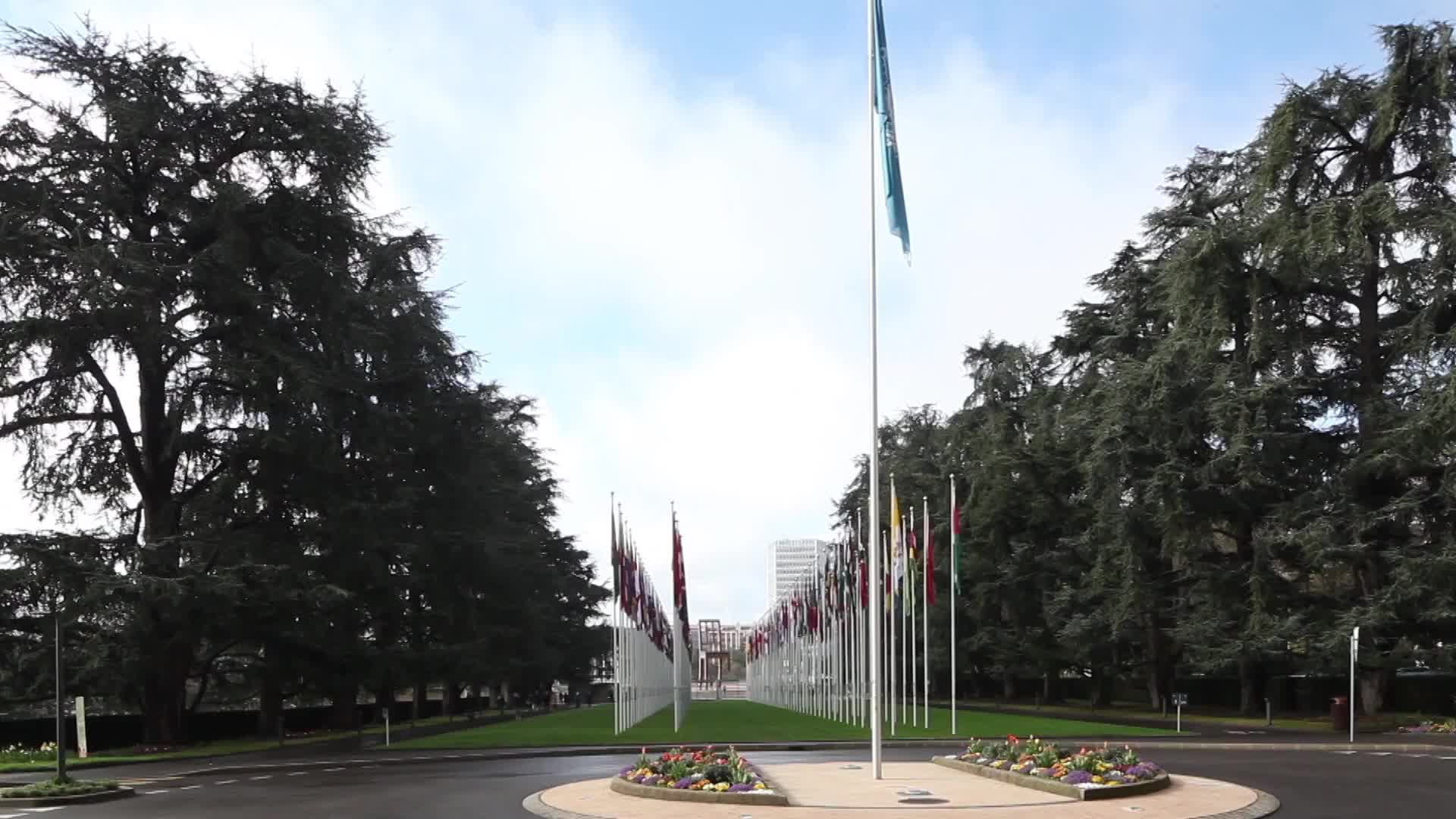
- Exterior shots : Palais de Nations
- Cut aways: Briefing room
- SOUNDBITE (English)—Liz Throssell, Spokesperson for the Office of the UN High Commissioner for Human Rights (OHCHR): “UN Human Rights Chief Volker Türk is calling on the Tunisian authorities to protect the country’s democratic processes and uphold fundamental freedoms after a presidential campaign marred by a crackdown on the opposition, independent activists and journalists.”
- Cut aways: Briefing room
- SOUNDBITE (English)— Liz Throssell, Spokesperson for the Office of the UN High Commissioner for Human Rights (OHCHR): “In the weeks leading up to the election, which was held on 6 October, over 100 prospective candidates, members of their campaigns and other political figures were arrested on a variety of charges ranging from falsification of electoral paperwork to charges related to national security,
- Cut aways: Briefing room
- SOUNDBITE (English)— Liz Throssell, Spokesperson for the Office of the UN High Commissioner for Human Rights (OHCHR): “Such cases are troubling. Their trials indicate a lack of respect for due process and fair trial guarantees.”
- Cut aways: Briefing room
- SOUNDBITE (English)— Liz Throssell, Spokesperson for the Office of the UN High Commissioner for Human Rights (OHCHR): “The rejection of a legally binding court decision is at odds with basic respect for the rule of law.”
- Cut aways: Briefing room
- SOUNDBITE (English)— Liz Throssell, Spokesperson for the Office of the UN High Commissioner for Human Rights (OHCHR): “We strongly urge Tunisia to recommit to transitional justice in the interests of victims, and to embark on much needed rule of law reforms, in line with international human rights law, including with regard to freedoms of expression, assembly and association. We also call for the release of all those arbitrarily detained.”
- Cut aways: Briefing room
OHCHR PRESS RELEASE:
Türk calls on Tunisia to uphold rule of law and democratic freedoms, following pre-electoral context marred by human rights concerns
GENEVA (15 October 2024) – UN Human Rights Chief Volker Türk today called on the Tunisian authorities to protect the country’s democratic processes and uphold fundamental freedoms after a presidential campaign marred by a crackdown on the opposition, independent activists and journalists.
In the weeks leading up to the elections, held on 6 October, over 100 prospective candidates, members of their campaigns and other political figures were arrested on a variety of charges ranging from falsification of electoral paperwork to charges related to national security.
Out of 17 prospective candidates, the Independent High Authority for Elections only accepted three. A number of presidential hopefuls have been arrested and received lengthy prison sentences on various charges, including falsification of endorsements.
“Such cases are troubling. Their trials indicate a lack of respect for due process and fair trial guarantees,” the High Commissioner said.
In another concerning development, the elections authority refused on 2 September to apply a ruling by the Administrative Court ordering the readmission of three excluded candidates. Subsequently, in an extraordinary session just days before the election, Parliament passed a law removing electoral dispute from the jurisdiction of the Administrative Court.
“The rejection of a legally binding court decision is at odds with basic respect for the rule of law,” Türk said.
This comes within a broader context of increasing pressure on civil society over the past year, targeting numerous journalists, human rights defenders and political opponents, as well as judges and lawyers.
“Since 2011, Tunisia had been a pioneer in efforts to ensure accountability and redress for past abuses, including through the work of the Truth and Dignity Commission,” the High Commissioner said. “Unfortunately, a number of these gains have been lost, and the recent arrest of the former head of the commission is an example,” he added.
“I strongly urge Tunisia to recommit to transitional justice in the interests of victims, and to embark on much needed rule of law reforms, in line with international human rights law, including with regard to freedoms of expression, assembly and association.”
“I also call for the release of all those arbitrarily detained,” Türk added.
ENDS
__________________________________
Volker Türk appelle la Tunisie à respecter l’état de droit et les libertés démocratiques, dans un contexte préélectoral marqué par des préoccupations concernant la situation des droits humains
GENÈVE (le 15 octobre 2024) – Le Haut-Commissaire des Nations Unies aux droits de l’homme Volker Türk a appelé aujourd’hui les autorités tunisiennes à protéger les processus démocratiques du pays et à défendre les libertés fondamentales après une campagne présidentielle marquée par la répression de l’opposition, des militants indépendants et des journalistes.
Dans les semaines précédant les élections, plus d’une centaine de candidats potentiels, de membres de leurs campagnes et d’autres personnalités politiques ont été arrêtés pour divers motifs allant de la falsification de documents électoraux à des accusations liées à la sécurité nationale.
Sur les 17 candidats potentiels, l’Instance supérieure indépendante pour les élections n’en a accepté que trois. Plusieurs candidats ont été arrêtés et condamnés à de lourdes peines de prison pour divers motifs, dont la falsification de parrainages.
« Ces affaires sont préoccupantes. Leurs procès témoignent d’un manque de respect pour les garanties d’une procédure régulière et d’un procès équitable », a affirmé le Haut-Commissaire.
Par ailleurs, le 2 septembre dernier, l’Instance supérieure indépendante pour les élections a refusé d’appliquer une décision du Tribunal administratif ordonnant la réadmission de trois candidats exclus. Par la suite, lors d’une session extraordinaire tenue quelques jours avant les élections, le Parlement a adopté une loi soustrayant les litiges électoraux à la compétence du Tribunal administratif.
« Le rejet d’une décision de justice juridiquement contraignante est en contradiction avec le respect fondamental de l’état de droit », a énoncé M. Türk.
Cette situation s’inscrit dans un contexte de pressions de plus en plus fortes exercées sur la société civile au cours de l’année écoulée, durant laquelle de nombreux journalistes, défenseurs des droits humains et opposants politiques ont été pris pour cibles, de même que des juges et des avocats.
« Depuis 2011, la Tunisie a été pionnière dans les efforts visant à garantir la responsabilité et la réparation des atteintes passés, notamment par le travail de l’Instance vérité et dignité », a déclaré le Haut-Commissaire. « Malheureusement, plusieurs de ces acquis ont été perdus, comme en témoigne l’arrestation récente de l’ancien chef de l’Instance », a-t-il ajouté.
« Je demande instamment à la Tunisie de s’engager à nouveau en faveur de la justice transitionnelle dans l’intérêt des victimes et d’entreprendre les réformes indispensables pour renforcer l’état de droit, conformément au droit international des droits humains, notamment en ce qui concerne les libertés d’expression, de réunion et d’association. »
« J’appelle également à la libération de toutes les personnes détenues arbitrairement », a-t-il ajouté.
FIN
Similar Stories

2
17
1
2
Edited News , Press Conferences | OCHA , WMO
Two UN agencies teamed up on Wednesday to issue an appeal for immediate assistance to help communities already being impacted by the strongest El Niño on record.
3
16
2
2
B-roll , Conferences , Edited News | UNITED NATIONS , UNOG
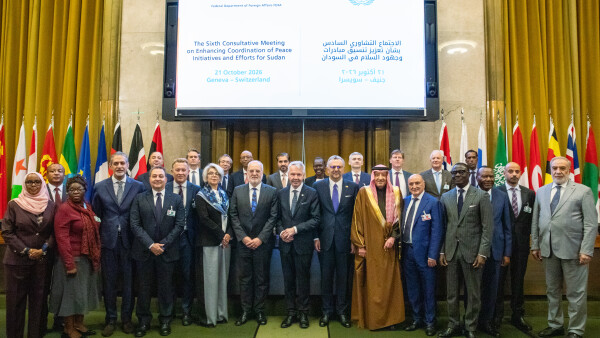
Sixth Consultative Meeting on Enhancing Coordination of Peace Initiatives and Efforts for Sudan

1
1
1
Edited News | UNICEF , WHO , UNHCR
Yemen war continues to force families from homes amid hunger and disease
More than 250,000 people have now fled renewed fighting in Yemen, the UN said on Tuesday, citing particular concern for those sheltering in the southwestern city of Taiz and the wider governorate, where access is “essentially blocked”.

1
1
1
Edited News | UNICEF
A little over one year since a ceasefire agreement was announced between Hamas fighters and Israel, more than 340 children have been reported killed and hundreds more injured, the UN Children’s Fund, UNICEF, said on Friday.

1
1
1
Edited News | UNICEF , IFRC
Six weeks after Nepal’s deadly flooding disaster, communities are still struggling to rebuild their lives, but they will need sustained help as global warming increases the risk of another Himalayan catastrophe, the UN Children’s Fund (UNICEF) said on Friday.

1
1
1
Edited News | WHO
In suspected Russia plague death, testing and monitoring underway – WHO
The death of a lab worker in Russia’s Siberia region has sparked concerns about plague being the cause, the UN World Health Organization (WHO) said on Tuesday, adding that it was following the situation closely.

1
1
Edited News | OHCHR , UNOG
UN Human Rights Chief Volker Türk on Friday provided and oral update to the 63rd session of the Human rights Council on Ukraine.

1
1
1
Edited News | OHCHR , UNOG
UN Human Rights Chief Volker Türk on Friday provided and oral update to the 63rd session of the Human rights Council on the human rights situation in Haiti.

1
1
1
Edited News | WHO
Repeated delays in bringing lifesaving medicines, prosthetics and more from Israel into Gaza risk having devastating consequences on Palestinians who urgently need them in the wartorn enclave, the UN World Health Organization (WHO) said on Friday. “A truck full of non-priority supplies or the right supplies arriving too late, doesn't save lives. That's the question that actually matters," said Dr Reinhilde Van De Weerdt, WHO Representative in the OPT.

1
1
1
Edited News | WHO
DRC: Early access to care and oxygen decisive for Ebola patients’ survival – WHO
In the Democratic Republic of the Congo (DRC), health workers fighting the country’s largest-ever Ebola outbreak are struggling to overcome critical challenges to patient care, the UN World Health Organization (WHO) warned on Tuesday.

1
1
1
Edited News | OCHA , UN
Civilians in Iran are continuing to feel the consequences of months of conflict and military escalation, the UN’s top official in the country has said, as loss of life, damage to civilian infrastructure and mounting economic pressures leave many facing continued uncertainty.
1
1
1
Edited News | WHO , UNICEF
Aid agencies in Yemen highlighted the growing hunger emergency sparked by renewed fighting between Houthi opposition forces and Government troops, after mobile health clinics reported that hundreds of children displaced by the violence are suffering from the most deadly form of malnutrition.