

The United Nations Office at Geneva
Multimedia Newsroom
Edited News | OCHA , OHCHR , UNHCR , UN WOMEN , WFP , WHO
Two years of war in Sudan – OCHA, OHCHR, UNHCR, UN Women, WFP, WHO
Two years since Sudan’s brutal conflict began, UN agencies warned that famine is spreading and civilians of all ages continue to suffer shocking abuse, including rape and gang rape.
“With no viable peace in sight, the Sudanese are trapped in a humanitarian crisis of industrial proportions,” said Jens Laerke, spokesperson for the UN aid coordination office, OCHA. “Two out of three people need aid, that’s 30 million people…This, of course, demands a massive ramp-up of international support. What we see instead is donors pulling back funding across the world.”
The war between rival militaries – the Sudanese Armed Forces (SAF) and the paramilitary Rapid Support Forces (RSF) – began on 15 April 2023 after a breakdown in transition to civilian rule, following the overthrow of long-time President Omar al-Bashir. Heavy fighting has levelled towns and cities and claimed tens of thousands of lives. At least 12.4 million people have been uprooted from their homes, including more than 3.3 million refugees.
Since the outset, relief workers and others including the UN human rights office, OHCHR, have repeatedly warned that sexual violence remains pervasive across Sudan.
“One survivor recounted that she was told, ‘We are your men now,’ before RSF fighters raped her in front of her children,” said Li Fung, OHCHR Representative in Sudan, speaking to journalists in Geneva via video link from Nairobi.
Meanwhile, the UN World Food Programme (WFP) reiterated deep concerns about the 25 million Sudanese facing famine. “Two years of war has turned Sudan into the world's largest hunger catastrophe and famine is spreading,” said Leni Kinzli, WFP Communications Officer for Sudan, also speaking from the Kenyan capital.
In an appeal for funding to support the UN agency’s work, she testified to the value of food assistance for internally displaced people (IDPs): “It means that a father who has been torn from his home in Khartoum can feed his family of four; it means that a mother in an IDP camp in Kassala can cook a simple meal for her young daughters and so that they don't fall into malnutrition.”
Amid reports that the paramilitary RSF paramilitary had taken the key Darfur town of Um Kadadah from the SAF, the UN World Health Organization (WHO) warned that attacks on healthcare personnel and facilities “are on the rise”.
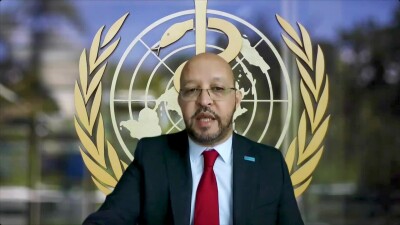
The past two years have seen 156 confirmed attacks on health “causing more than 300 deaths and over 270 injuries among either patients or healthcare workers”, said Dr Shible Sahbani, WHO Representative in Sudan speaking via video link from Cairo.
Echoing those concerns, UN Women reported that 80 per cent of hospitals in conflict areas are no longer functioning, with maternal deaths rising “alarmingly”.
A full eight in 10 displaced women and girls in Sudan now lack access to clean water, said Sofia Calltorp, UN Women Director in Geneva, highlighting the impact of deep cuts to funding for humanitarian work globally.
“The latest global cuts in humanitarian funding have put critical programmes at risk, with teams forced to make unreasonable choices and refugees being left to resort to harmful strategies to meet their basic needs,” said UN refugee agency (UNHCR) spokesperson Olga Sarrado.
“Inside Sudan, reduced funding will cut access to clean water for at least half a million displaced people, significantly increasing risks of cholera and other waterborne diseases,” she added.
Ends
STORY: Two years of war in Sudan – OCHA, OHCHR, UNHCR, WFP, WHO, UN Women
TRT: 03’05”
SOURCE: UNTV CH
RESTRICTIONS: NONE
LANGUAGE: ENGLISH / NATS
ASPECT RATIO: 16:9
DATELINE: 11 APRIL 2025 GENEVA, SWITZERLAND
Speakers:
- Jens Laerke, OCHA
- Ravina Shamdasani, OHCHR
- Leni Kinzli, WFP
- Li Fung, Representative of the UN High Commissioner for Human Rights in Sudan
- Dr Shible Sahbani, WHO Representative in Sudan
- Olga Sarrado, UNHCR
SHOTLIST
- Exterior medium shot: Palais des Nations, Flag Alley
- Wide, Press room podium speakers.
- SOUNDBITE (English) – Jens Laerke, OCHA: “As the fighting in Sudan enters a third year with no viable peace in sight, the Sudanese are trapped in a humanitarian crisis of industrial proportions. Two out of three people need aid, that’s 30 million people.”
- Medium, podium speakers.
- SOUNDBITE (English) – Ravina Shamdasani, OHCHR: “Sexual violence remains pervasive across Sudan. Women and girls have been raped, gang-raped, sexually exploited and abducted for sex on a large scale since the conflict began.”
- Medium-wide, podium speakers.
- SOUNDBITE (English) – Leni Kinzli, WFP (in Nairobi): “Today, 25 million people, or one in two Sudanese, cannot put food on their plates. Two years of war has turned Sudan into the world's largest hunger catastrophe and famine is spreading.”
- Wide, journalists, photographer, TV screen showing remote speaker.
- SOUNDBITE (English) – Li Fung, Representative of the UN High Commissioner for Human Rights in Sudan, OHCHR (from Nairobi): “One survivor recounted that she was told, ‘We are your men now,’ before RSF fighters raped her in front of her children.”
- Wide, journalists, participants, TV screens showing remote speaker.
- SOUNDBITE (English) – Dr Shible Sahbani, WHO Representative in Sudan (from Cairo): “Attacks on healthcare are on the rise. In the past two years, WHO has verified 156 attacks on health, causing more than 300 deaths and over 270 injuries among either patients or healthcare workers.”
- Wide, journalists, participants, TV screens showing remote speaker.
- SOUNDBITE (English) – Sofia Calltorp, UN Women (remote): “With 80 per cent of hospitals in conflict areas not functioning, maternal deaths have risen alarmingly and 80 per cent of the displaced women and girls in Sudan lack access to clean water.”
- Medium, podium speakers, TV screen showing speaker.
- SOUNDBITE (English) – Olga Sarrado, UNHCR: “The latest global cuts in humanitarian funding have put critical programmes at risk, with teams forced to make unreasonable choices and refugees being left to resort to harmful strategies to meet their basic needs. Inside Sudan, reduced funding will cut access to clean water for at least half a million displaced people, significantly increasing risks of cholera and other waterborne diseases.”
- Medium-wide, journalists, TV cameras, photographer.
- SOUNDBITE (English) – Jens Laerke, OCHA: “This, of course, demands a massive ramp-up of international support. What we see instead is donors pulling back funding across the world.”
- Medium, journalists, spokespersons.
- SOUNDBITE (English) – Leni Kinzli, WFP, (from Nairobi): “I have seen first-hand what food assistance means for families on a recent trip to Eastern Sudan. It means that a father who has been torn from his home in Khartoum can feed his family of four. It means that a mother in an IDP camp in Kassala can cook a simple meal for her young daughters and so that they don't fall into malnutrition.”
- Close, journalist.
- Medium, journalists.
Similar Stories

1
1
1
Edited News | OCHA , UNICEF , WFP
Aid agencies warned on Friday of the fast-developing humanitarian emergency inside Taiz City in Yemen, which has been encircled by de facto Houthi forces fighting government troops along the country’s west coast.

2
17
1
2
Edited News , Press Conferences , Images | OCHA , WMO
Two UN agencies teamed up on Wednesday to issue an appeal for immediate assistance to help communities already being impacted by the strongest El Niño on record.

3
16
2
2
Edited News , B-roll , Conferences , Images | UNITED NATIONS , UNOG
Sixth Consultative Meeting on Enhancing Coordination of Peace Initiatives and Efforts for Sudan

1
1
1
Edited News | UNICEF , WHO , UNHCR
Yemen war continues to force families from homes amid hunger and disease
More than 250,000 people have now fled renewed fighting in Yemen, the UN said on Tuesday, citing particular concern for those sheltering in the southwestern city of Taiz and the wider governorate, where access is “essentially blocked”.

1
1
1
Edited News | UNICEF
A little over one year since a ceasefire agreement was announced between Hamas fighters and Israel, more than 340 children have been reported killed and hundreds more injured, the UN Children’s Fund, UNICEF, said on Friday.

1
1
1
Edited News | UNICEF , IFRC
Six weeks after Nepal’s deadly flooding disaster, communities are still struggling to rebuild their lives, but they will need sustained help as global warming increases the risk of another Himalayan catastrophe, the UN Children’s Fund (UNICEF) said on Friday.

1
1
1
Edited News | WHO
In suspected Russia plague death, testing and monitoring underway – WHO
The death of a lab worker in Russia’s Siberia region has sparked concerns about plague being the cause, the UN World Health Organization (WHO) said on Tuesday, adding that it was following the situation closely.

1
1
Edited News | OHCHR , UNOG
UN Human Rights Chief Volker Türk on Friday provided and oral update to the 63rd session of the Human rights Council on Ukraine.

1
1
1
Edited News | OHCHR , UNOG
UN Human Rights Chief Volker Türk on Friday provided and oral update to the 63rd session of the Human rights Council on the human rights situation in Haiti.

1
1
1
Edited News | WHO
Repeated delays in bringing lifesaving medicines, prosthetics and more from Israel into Gaza risk having devastating consequences on Palestinians who urgently need them in the wartorn enclave, the UN World Health Organization (WHO) said on Friday. “A truck full of non-priority supplies or the right supplies arriving too late, doesn't save lives. That's the question that actually matters," said Dr Reinhilde Van De Weerdt, WHO Representative in the OPT.

1
1
1
Edited News | WHO
DRC: Early access to care and oxygen decisive for Ebola patients’ survival – WHO
In the Democratic Republic of the Congo (DRC), health workers fighting the country’s largest-ever Ebola outbreak are struggling to overcome critical challenges to patient care, the UN World Health Organization (WHO) warned on Tuesday.

1
1
1
Edited News | OCHA , UN
Civilians in Iran are continuing to feel the consequences of months of conflict and military escalation, the UN’s top official in the country has said, as loss of life, damage to civilian infrastructure and mounting economic pressures leave many facing continued uncertainty.