

The United Nations Office at Geneva
Multimedia Newsroom
Edited News | OCHA , OHCHR , UNHCR , UN WOMEN , WFP , WHO
Deux ans de guerre au Soudan — OCHA, HCDH, HCR, ONU Femmes, PAM, OMS 11 avril 2025
Deux ans après le début du conflit brutal au Soudan, les agences de l'ONU ont averti que la famine se répand et que les civils de tous âges continuent de subir des abus choquants, y compris le viol et le viol collectif.
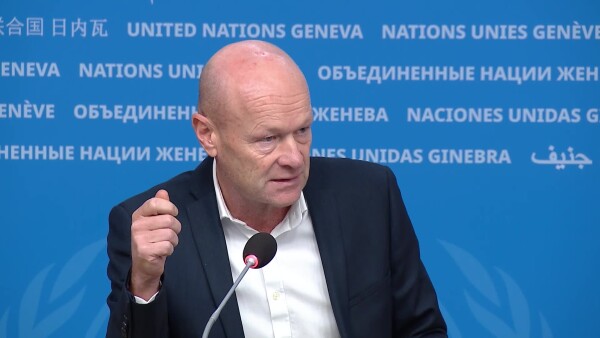
« Sans paix viable en vue, les Soudanais sont piégés dans une crise humanitaire de proportions industrielles,» a déclaré Jens Laerke, orateur pour le bureau de coordination de l'aide de l'ONU, OCHA. « Deux personnes sur trois ont besoin d'aide, soit 30 millions de personnes… Cela exige bien sûr une augmentation massive du soutien international. Ce que nous voyons à la place, c'est que les donateurs réduisent le financement à travers le monde.»
La guerre entre les militaires rivaux – les Forces armées soudanaises (SAF) et les Forces de soutien rapide (RSF) – a commencé le 15 avril 2023 après un échec dans la transition vers un régime civil, suite au renversement du président de longue date Omar al-Bashir. Les combats intenses ont rasé des villes et des cités et ont coûté la vie à des dizaines de milliers de personnes. Au moins 12,4 millions de personnes ont été déracinées de leurs foyers, y compris plus de 3,3 millions de réfugiés.
Depuis le début, les travailleurs humanitaires et d'autres, y compris le bureau des droits de l'homme de l'ONU, OHCHR, ont averti à plusieurs reprises que la violence sexuelle reste omniprésente au Soudan.
« Une survivante a raconté qu'on lui a dit, ‘Nous sommes vos hommes maintenant,’ avant que les combattants de la RSF ne la violent devant ses enfants,» a déclaré Li Fung, Représentante de l'OHCHR au Soudan, s'adressant aux journalistes à Genève via une liaison vidéo depuis Nairobi.
Parallèlement, le Programme alimentaire mondial (PAM) de l'ONU a réitéré ses profondes préoccupations concernant les 25 millions de Soudanais confrontés à la famine. « Deux ans de guerre ont transformé le Soudan en la plus grande catastrophe de la faim au monde et la famine se répand,» a déclaré Leni Kinzli, Responsable de la communication du PAM pour le Soudan, également depuis la capitale kenyane.
Dans un appel de fonds pour soutenir le travail de l'agence de l'ONU, elle a témoigné de la valeur de l'aide alimentaire pour les personnes déplacées à l'intérieur du pays (PDI) : « Cela signifie qu'un père qui a été arraché de son domicile à Khartoum peut nourrir sa famille de quatre personnes ; cela signifie qu'une mère dans un camp de PDI à Kassala peut préparer un repas simple pour ses jeunes filles afin qu'elles ne tombent pas dans la malnutrition.»
Au milieu des rapports selon lesquels les paramilitaires de la RSF avaient pris la ville clé de Darfour, Um Kadadah, des SAF, l'Organisation mondiale de la santé (OMS) de l'ONU a averti que les attaques contre le personnel et les installations de santé « sont en augmentation ».
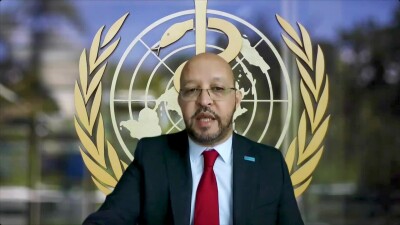
Les deux dernières années ont vu 156 attaques confirmées contre la santé « causant plus de 300 décès et plus de 270 blessures parmi les patients ou les travailleurs de la santé », a déclaré Dr Shible Sahbani, Représentant de l'OMS au Soudan, s'exprimant via une liaison vidéo depuis Le Caire.
Reflétant ces préoccupations, ONU Femmes a rapporté que 80 % des hôpitaux dans les zones de conflit ne fonctionnent plus, avec des décès maternels en augmentation « alarmante ».
Huit femmes et filles déplacées sur dix au Soudan n'ont désormais plus accès à l'eau potable, a déclaré Sofia Calltorp, Directrice d'ONU Femmes à Genève, soulignant l'impact des réductions profondes du financement pour le travail humanitaire à l'échelle mondiale.
«Les dernières réductions mondiales du financement humanitaire ont mis en péril des programmes critiques, obligeant les équipes à faire des choix déraisonnables et laissant les réfugiés recourir à des stratégies nuisibles pour répondre à leurs besoins de base,» a déclaré Olga Sarrado, oratrice de l'agence des Nations Unies pour les réfugiés (HCR).
« À l'intérieur du Soudan, la réduction du financement coupera l'accès à l'eau potable pour au moins un demi-million de personnes déplacées, augmentant considérablement les risques de choléra et d'autres maladies d'origine hydrique,» a-t-elle ajouté.
Fin
HISTOIRE : Deux ans de guerre au Soudan – OCHA, OHCHR, UNHCR, PAM, OMS, ONU Femmes
TRT : 03’05”
SOURCE : UNTV CH
RESTRICTIONS : AUCUNE
LANGUE : ANGLAIS / NATS
FORMAT D'IMAGE : 16:9
DATE : 11 AVRIL 2025 GENÈVE, SUISSE
Orateurs :
- Jens Laerke, OCHA
- Ravina Shamdasani, OHCHR
- Leni Kinzli, PAM
- Li Fung, Représentant du Haut-Commissaire des Nations Unies aux droits de l'homme au Soudan
- Dr Shible Sahbani, Représentant de l'OMS au Soudan
- Olga Sarrado, UNHCR
LISTE DES PLANS
- Plan extérieur moyen : Palais des Nations, Allée des drapeaux
- Plan large, orateurs au podium de la salle de presse.
- EXTRAIT SONORE (Anglais) – Jens Laerke, OCHA : « Alors que les combats au Soudan entrent dans leur troisième année sans paix viable en vue, les Soudanais sont piégés dans une crise humanitaire de proportions industrielles. Deux personnes sur trois ont besoin d'aide, soit 30 millions de personnes.»
- Plan moyen, orateurs au podium.
- EXTRAIT SONORE (Anglais) – Ravina Shamdasani, OHCHR : « La violence sexuelle reste omniprésente au Soudan. Les femmes et les filles ont été violées, violées en réunion, exploitées sexuellement et enlevées pour des relations sexuelles à grande échelle depuis le début du conflit.»
- Plan moyen-large, orateurs au podium.
- EXTRAIT SONORE (Anglais) – Leni Kinzli, PAM (à Nairobi) : « Aujourd'hui, 25 millions de personnes, soit un Soudanais sur deux, ne peuvent pas se nourrir. Deux ans de guerre ont transformé le Soudan en la plus grande catastrophe de la faim au monde et la famine se propage.»
- Plan large, journalistes, photographe, écran de télévision montrant un orateur à distance.
- EXTRAIT SONORE (Anglais) – Li Fung, Représentant du Haut-Commissaire des Nations Unies aux droits de l'homme au Soudan, OHCHR (depuis Nairobi) : « Une survivante a raconté qu'on lui avait dit, ‘Nous sommes vos hommes maintenant,’ avant que les combattants de la RSF ne la violent devant ses enfants.»
- Plan large, journalistes, participants, écrans de télévision montrant un orateur à distance.
- EXTRAIT SONORE (Anglais) – Dr Shible Sahbani, Représentant de l'OMS au Soudan (depuis Le Caire) : « Les attaques contre les soins de santé sont en augmentation. Au cours des deux dernières années, l'OMS a vérifié 156 attaques contre la santé, causant plus de 300 décès et plus de 270 blessés parmi les patients ou le personnel de santé.»
- Plan large, journalistes, participants, écrans de télévision montrant un orateur à distance.
- EXTRAIT SONORE (Anglais) – Sofia Calltorp, ONU Femmes (à distance) : « Avec 80 % des hôpitaux dans les zones de conflit qui ne fonctionnent pas, les décès maternels ont augmenté de manière alarmante et 80 % des femmes et des filles déplacées au Soudan n'ont pas accès à de l'eau potable.»
- Plan moyen, orateurs au podium, écran de télévision montrant un orateur.
- EXTRAIT SONORE (Anglais) – Olga Sarrado, UNHCR : « Les dernières réductions mondiales du financement humanitaire ont mis en péril des programmes critiques, obligeant les équipes à faire des choix déraisonnables et laissant les réfugiés recourir à des stratégies nuisibles pour répondre à leurs besoins de base. À l'intérieur du Soudan, la réduction du financement réduira l'accès à l'eau potable pour au moins un demi-million de personnes déplacées, augmentant considérablement les risques de choléra et d'autres maladies hydriques.»
- Plan moyen-large, journalistes, caméras de télévision, photographe.
- EXTRAIT SONORE (Anglais) – Jens Laerke, OCHA : « Cela, bien sûr, exige une augmentation massive du soutien international. Ce que nous voyons à la place, c'est que les donateurs retirent des financements à travers le monde.»
- Plan moyen, journalistes, porte-paroles.
- EXTRAIT SONORE (Anglais) – Leni Kinzli, PAM, (depuis Nairobi) : « J'ai vu de mes propres yeux ce que signifie l'aide alimentaire pour les familles lors d'un récent voyage dans l'Est du Soudan. Cela signifie qu'un père qui a été arraché de sa maison à Khartoum peut nourrir sa famille de quatre personnes. Cela signifie qu'une mère dans un camp de déplacés à Kassala peut préparer un repas simple pour ses jeunes filles afin qu'elles ne tombent pas dans la malnutrition.»
- Plan rapproché, journaliste.
- Plan moyen, journalistes.
Similar Stories
1
1
1
Edited News | OCHA , UNICEF , WFP
Aid agencies warned on Friday of the fast-developing humanitarian emergency inside Taiz City in Yemen, which has been encircled by de facto Houthi forces fighting government troops along the country’s west coast.

2
17
1
2
Edited News , Press Conferences , Images | OCHA , WMO
Two UN agencies teamed up on Wednesday to issue an appeal for immediate assistance to help communities already being impacted by the strongest El Niño on record.
3
16
2
2
Edited News , B-roll , Conferences , Images | UNITED NATIONS , UNOG
Sixth Consultative Meeting on Enhancing Coordination of Peace Initiatives and Efforts for Sudan
1
1
1
Edited News | UNICEF , WHO , UNHCR
Yemen war continues to force families from homes amid hunger and disease
More than 250,000 people have now fled renewed fighting in Yemen, the UN said on Tuesday, citing particular concern for those sheltering in the southwestern city of Taiz and the wider governorate, where access is “essentially blocked”.

1
1
1
Edited News | UNICEF
A little over one year since a ceasefire agreement was announced between Hamas fighters and Israel, more than 340 children have been reported killed and hundreds more injured, the UN Children’s Fund, UNICEF, said on Friday.

1
1
1
Edited News | UNICEF , IFRC
Six weeks after Nepal’s deadly flooding disaster, communities are still struggling to rebuild their lives, but they will need sustained help as global warming increases the risk of another Himalayan catastrophe, the UN Children’s Fund (UNICEF) said on Friday.

1
1
1
Edited News | WHO
In suspected Russia plague death, testing and monitoring underway – WHO
The death of a lab worker in Russia’s Siberia region has sparked concerns about plague being the cause, the UN World Health Organization (WHO) said on Tuesday, adding that it was following the situation closely.

1
1
Edited News | OHCHR , UNOG
UN Human Rights Chief Volker Türk on Friday provided and oral update to the 63rd session of the Human rights Council on Ukraine.

1
1
1
Edited News | OHCHR , UNOG
UN Human Rights Chief Volker Türk on Friday provided and oral update to the 63rd session of the Human rights Council on the human rights situation in Haiti.

1
1
1
Edited News | WHO
Repeated delays in bringing lifesaving medicines, prosthetics and more from Israel into Gaza risk having devastating consequences on Palestinians who urgently need them in the wartorn enclave, the UN World Health Organization (WHO) said on Friday. “A truck full of non-priority supplies or the right supplies arriving too late, doesn't save lives. That's the question that actually matters," said Dr Reinhilde Van De Weerdt, WHO Representative in the OPT.

1
1
1
Edited News | WHO
DRC: Early access to care and oxygen decisive for Ebola patients’ survival – WHO
In the Democratic Republic of the Congo (DRC), health workers fighting the country’s largest-ever Ebola outbreak are struggling to overcome critical challenges to patient care, the UN World Health Organization (WHO) warned on Tuesday.

1
1
1
Edited News | OCHA , UN
Civilians in Iran are continuing to feel the consequences of months of conflict and military escalation, the UN’s top official in the country has said, as loss of life, damage to civilian infrastructure and mounting economic pressures leave many facing continued uncertainty.