

The United Nations Office at Geneva
Multimedia Newsroom
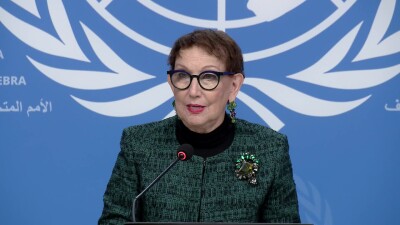
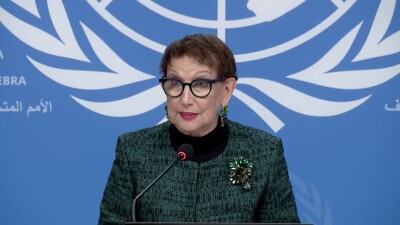
Présentation du Rapport 2024 sur les Pays les Moins Avancés : Tirer parti des marchés du carbone pour le développement
Orateurs :
- Rebeca Grynspan, Secrétaire Générale de la Conférence des Nations Unies sur le Commerce et le Développement
- Rolf Traeger, Conférence des Nations Unies sur le Commerce et le Développement, Chef, Section des PMA, Analyse des Politiques et Branche de Recherche
RAPPORT SUR LES PAYS LES MOINS AVANCÉS 2024 – Tirer parti des marchés du carbone pour le développement
Le Commerce et le Développement des Nations Unies (CNUCED) a lancé aujourd'hui le Rapport sur les Pays les Moins Avancés 2024 explorant comment les marchés du carbone peuvent relier la croissance économique à l'action climatique. En liant ces objectifs, les marchés du carbone offrent une voie pour mobiliser des fonds pour le développement durable dans les économies les plus vulnérables du monde.
DESCRIPTION
HISTOIRE : CNUCED / Rapport sur le Commerce et le Développement
TRT : 03:09
SOURCE : CNUCED
RESTRICTIONS : AUCUNE
LANGUE : ANGLAIS / NATS
SITE WEB : https://unctad.org/ldc2024
DATELINE : 04 NOVEMBRE 2024, GENÈVE, SUISSE
LISTE DES PLANS
1. Plan large, extérieur, Palais des Nations
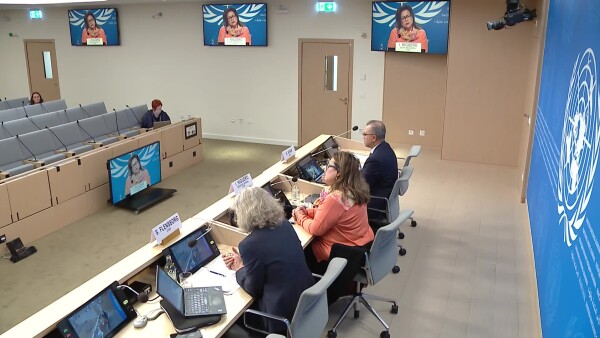
2. Plan moyen, salle de presse
3. EXTRAIT SONORE (Anglais) Rebeca Grynspan, Secrétaire générale du Commerce et du Développement de l'ONU : « Parmi les 20 pays les plus vulnérables au changement climatique, selon différentes études, 17 sont des pays les moins avancés. »
4. Plan moyen, orateur à l'écran, journaliste, photographe
5. EXTRAIT SONORE (Anglais) Rebeca Grynspan, Secrétaire générale du Commerce et du Développement de l'ONU : « Les écarts financiers dans les PMA s'élargissent, et le déficit d'investissement dans ces pays ne cesse de s'aggraver. »
6. Plan moyen, salle de presse
7. EXTRAIT SONORE (Anglais) Rebeca Grynspan, Secrétaire générale du Commerce et du Développement de l'ONU : « En bref, les marchés du carbone cherchent à résoudre un problème économique concret : comment attribuer un prix à quelque chose de grande valeur pour la planète mais de faible valeur sur le marché. »
8. Plan moyen, journalistes
9. EXTRAIT SONORE (Anglais) Rebeca Grynspan, Secrétaire générale du Commerce et du Développement de l'ONU : « Alors que nous nous approchons de la COP29 à Bakou la semaine prochaine, avec un accent principal sur le financement climatique, ce rapport sert de signal d'alarme sur les marchés du carbone.»
10. Plan moyen, journaliste
11. EXTRAIT SONORE (Anglais) Rebeca Grynspan, Secrétaire générale du Commerce et du Développement de l'ONU : « Les PMA jouent un rôle minimal dans les émissions mondiales de gaz à effet de serre, contribuant à moins de 4 % du total. Pourtant, comme mentionné, ils font face à certains des impacts les plus sévères du changement climatique. Il existe un potentiel inexploité significatif dans les PMA, avec de nombreuses opportunités de créer des crédits carbone à travers des projets dans la foresterie, l'agriculture et les énergies renouvelables. »
12. Plan moyen, salle de contrôle
11. EXTRAIT SONORE (Anglais) Rebeca Grynspan, Secrétaire générale du Commerce et du Développement de l'ONU : « Malheureusement, les marchés mondiaux du carbone sont actuellement divisés et peu clairs. Les marchés du carbone sont fragmentés en raison d'une multiplicité de cadres réglementaires, de normes et d'institutions, ce qui entraîne une grande variation des prix du carbone dans les différents segments de marché. »
13. Plan moyen, journaliste
14. EXTRAIT SONORE (Anglais) Rebeca Grynspan, Secrétaire générale du Commerce et du Développement de l'ONU : « Un facteur crucial pour les PMA est d'établir un prix carbone viable, et le prix proposé par l'étude de la CNUCED est d'au moins 100 $ par tonne. Cependant, le prix actuel n'est que de 10 $ par tonne. »
15. Plan moyen, journalistes
16. EXTRAIT SONORE (Anglais) Rebeca Grynspan, Secrétaire générale du Commerce et du Développement de l'ONU : « Nous avons besoin d'un effort plus fort pour l'harmonisation entre les différentes normes et réglementations. Les PMA ne peuvent pas—et ne devraient pas— être forcés de naviguer dans un enchevêtrement de réglementations climatiques. »
17. Divers plans
Présentation du Rapport 2024 sur les Pays les Moins Avancés : Exploiter les Marchés du Carbone pour le Développement
Orateurs :
- Rebeca Grynspan, Secrétaire Générale de la Conférence des Nations Unies sur le Commerce et le Développement
- Rolf Traeger, Conférence des Nations Unies sur le Commerce et le Développement, Chef, Section des PMA, Branche d'Analyse et de Recherche sur les Politiques
Similar Stories
1
1
1
Press Conferences | CITES
Wildlife trade and conservation policy discussions at the 81st meeting of the CITES Standing Committee (SC81)
1
1
1
Press Conferences | UNHCR , UNCTAD , WMO , OCHA , UNICEF , WHO
UNHCR Hungary’s 1956 Refugee Crisis: 70 Years On, UNCTAD World Investment Forum 2026, Doha, WMO Greenhouse Gas Bulletin and Climate Update for COP31, OCHA Afghanistan: Malnutrition, Girls’ Education and Recovery, UNICEF Yemen: Child Malnutrition and Unsafe Water in Taiz, WHO Inequalities in Noncommunicable Diseases and Risk Factors
1
1
1
Press Conferences | UNHCR
End of UNHCR's 77th Annual Executive Committee (ExCom) meeting week
1
1
1
Press Conferences | UNICEF , IOM , UNHCR
UN Special Assistant to the Personal Envoy Office (SUDAN): Peace Initiatives and Efforts in Sudan; UNICEF: Dire situation of children in Gaza; IOM: Damaged Homes and Energy Attacks Risk Displacing Ukrainians for this winter; UNHCR: update on EXCOM week
1
1
1
Press Conferences | IOM , UNDRR
UN stresses importance of household preparedness for disaster risk reduction.
1
1
1
Statements , Press Conferences | OHCHR
1
1
1
Press Conferences | UNHCR , UNICEF , IFRC , OHCHR , UN WOMEN , IOM , OCHA , WHO
UNHCR – ExCom Meeting, UNICEF – Nepal Recovery, IFRC – Flash Floods, WHO – Mental Health, IOM – South Sudan Floods, OCHA – DRC Humanitarian aid, UNHCR – Sahel Displacement, UNICEF – Yemen Update, IOM – Gaza Shelter, UN Women – Gaza Women, OHCHR – Arrests and detentions of Syrians by Israeli force
2
1
2
Press Conferences | UNCTAD
Presentation of the Trade and Developement Report 2026
Embargoed until 9 October 2026 at 11 a.m. (Geneva Time)
UNCTAD: UNCTAD’s flagship report finds that governments increasingly use industrial, trade, financial and technology policies to pursue economic and national security objectives. Market access and the ability to move into higher-value activities now depend more heavily on technology, finance and geopolitics.
1
1
1
Press Conferences | UPU
Release of the State of the Postal Sector Report 2026
1
1
1
Press Conferences | IOM , ITU , UNECE , UNICEF , WHO , WMO
UNICEF: Ebola, DRC - children orphans or separating them from parents and caregivers; IOM: Humanitarian needs in Djibouti amid arrivals from Yemen and increased migrant movements; WHO: Darfur, scale of health needs far exceeds available resources; WMO co-sponsored Global Heat Forum, Bangkok, monthly Global Seasonal Climate Update; UNECE: UN Forum of Mayors; ITU Plenipotentiary Conference 2026; WHO: child and adolescent obesity guidelines and new global roadmap to tackle pregnancy hypertension, a leading cause of maternal mortality
1
1
1
Press Conferences | OCHA , UN WOMEN , UNHCR , WFP , WHO , WTO , UNEP
OCHA – $160M CERF allocation to 12 underfunded crises; UNHCR – 5.8M refugee children remain out of school amid funding cuts; UN Women – Middle East escalation and food security among women/girls; WHO – Gaza supplies and overall situation; WFP – Yemen food insecurity and impact on global hunger ; UNEP - First International Conference of the Global Framework on Chemicals in Geneva | 16-20 November 2026
1
1
1
Press Conferences | UNHCR , WHO
Yemen's health system nears collapse amid conflict, causing rising casualties and medicine shortages.