

The United Nations Office at Geneva
Multimedia Newsroom
Edited News | UNOG , OHCHR
Ravina Shamdasani, porte-parole des Nations unies pour les droits de l'homme, à propos de l'exécution en Alabama, mardi 16 janvier
Lors du point de presse bihebdomadaire des Nations Unies à Genève, l'orateur des droits de l'homme de l'ONU, Ravina Shamdasani, a fait les commentaires suivants sur l'exécution imminente par asphyxie à l'azote en Alabama.
«Nous sommes alarmés par l'exécution imminente aux États-Unis de Kenneth Eugene Smith, par l'utilisation d'une méthode nouvelle et non testée - la suffocation par le gaz d'azote. Cela pourrait constituer un acte de torture ou un traitement ou châtiment cruel, inhumain ou dégradant en vertu du droit international des droits de l'homme,» a déclaré Shamdasani.
Le Bureau des droits de l'homme de l'ONU demande aux autorités de l'État de l'Alabama de suspendre l'exécution de Smith, prévue pour les 25-26 janvier en Alabama, et de s'abstenir de prendre d'autres mesures en vue d'autres exécutions de cette manière. L'Alabama a déjà tenté d'exécuter Smith sans succès par injection létale en 2022, et il a des procédures en cours devant la cour fédérale contre son exécution imminente, procédures qui n'ont pas encore été définitivement résolues.
«Le gaz d'azote n'a jamais été utilisé aux États-Unis pour exécuter des êtres humains. L'Association vétérinaire américaine recommande d'administrer un sédatif même aux grands animaux lorsqu'ils sont euthanasiés de cette manière, tandis que le protocole de l'Alabama pour l'exécution par asphyxie à l'azote ne prévoit pas de sédation des êtres humains avant l'exécution. Le protocole fait également référence au gaz inodore et incolore devant être administré pendant jusqu'à 15 minutes. Smith a également avancé, avec des preuves d'experts, qu'une telle exécution par asphyxie au gaz dans son cas comporte des risques de douleur et de souffrance particuliers,» a-t-elle déclaré.
«Nous avons de sérieuses préoccupations concernant l'exécution de Smith dans ces circonstances, qui pourrait enfreindre l'interdiction de la torture ou d'autres traitements ou châtiments cruels, inhumains ou dégradants, ainsi que son droit à des recours effectifs. Il s'agit de droits énoncés dans deux traités internationaux relatifs aux droits de l'homme auxquels les États-Unis sont liés - il s'agit du Pacte relatif aux droits civils et politiques et de la Convention contre la torture et autres peines ou traitements cruels, inhumains ou dégradants,» a déclaré le porte-parole.
Le Comité des droits de l'homme, organe international chargé de surveiller la mise en œuvre du Pacte dans le monde, a également critiqué l'utilisation de l'asphyxie par le gaz en tant que méthode d'exécution, l'utilisation de méthodes non testées, ainsi que l'élargissement de l'utilisation de la peine de mort dans les États qui continuent à l'appliquer.
«La peine de mort est incompatible avec le droit fondamental à la vie. Il n'y a pas de preuve de son effet dissuasif sur la criminalité, et elle crée un risque inacceptable d'exécution de personnes innocentes. Plutôt que d'inventer de nouvelles façons de mettre en œuvre la peine capitale, nous exhortons tous les États à instaurer un moratoire sur son utilisation, comme étape vers son abolition universelle,» a déclaré Shamsdasani.
«La position de l'ONU est très claire, nous sommes contre la peine de mort, nous sommes contre le fait que des personnes soient tuées pour avoir commis des crimes. Il n'y a pas de preuve que cela dissuade les crimes de quelque manière que ce soit. En revanche, il existe de nombreuses preuves que la peine de mort a été utilisée dans des cas d'erreurs judiciaires, qu'elle est utilisée contre des personnes qui se révèlent plus tard être innocentes, qu'elle est utilisée de manière disproportionnée contre les minorités, aux États-Unis contre les personnes d'ascendance africaine, qu'elle est utilisée de manière disproportionnée contre les personnes qui n'ont pas les moyens de se défendre avec une représentation juridique adéquate de leur choix,» a déclaré le porte-parole.
Pour plus d'informations et demandes des médias, veuillez contacter :
Ravina Shamdasani - + 41 22 917 9169 / ravina.shamdasani@un.org ou
Liz Throssell + 41 22 917 9296 / elizabeth.throssell@un.org ou
Marta Hurtado - + 41 22 917 9466 / marta.hurtadogomez@un.org
Taguer et partager
Twitter @UNHumanRights
Facebook unitednationshumanrights
Instagram @unitednationshumanrights
Taguer et partager - Twitter: @UNHumanRights et Facebook: unitednationshumanrights
HISTOIRE : Orateur des droits de l'homme de l'ONU Ravina Shamdasani sur Exécution imminente par asphyxie à l'azote en Alabama
DURÉE : 02:59
SOURCE : HCDH
RESTRICTIONS : AUCUNE
LANGUE : Anglais / Français / NATS
FORMAT D'IMAGE : 16:9
LIEU : 16 janvier 2023 GENÈVE, SUISSE
LISTE DES PLANS
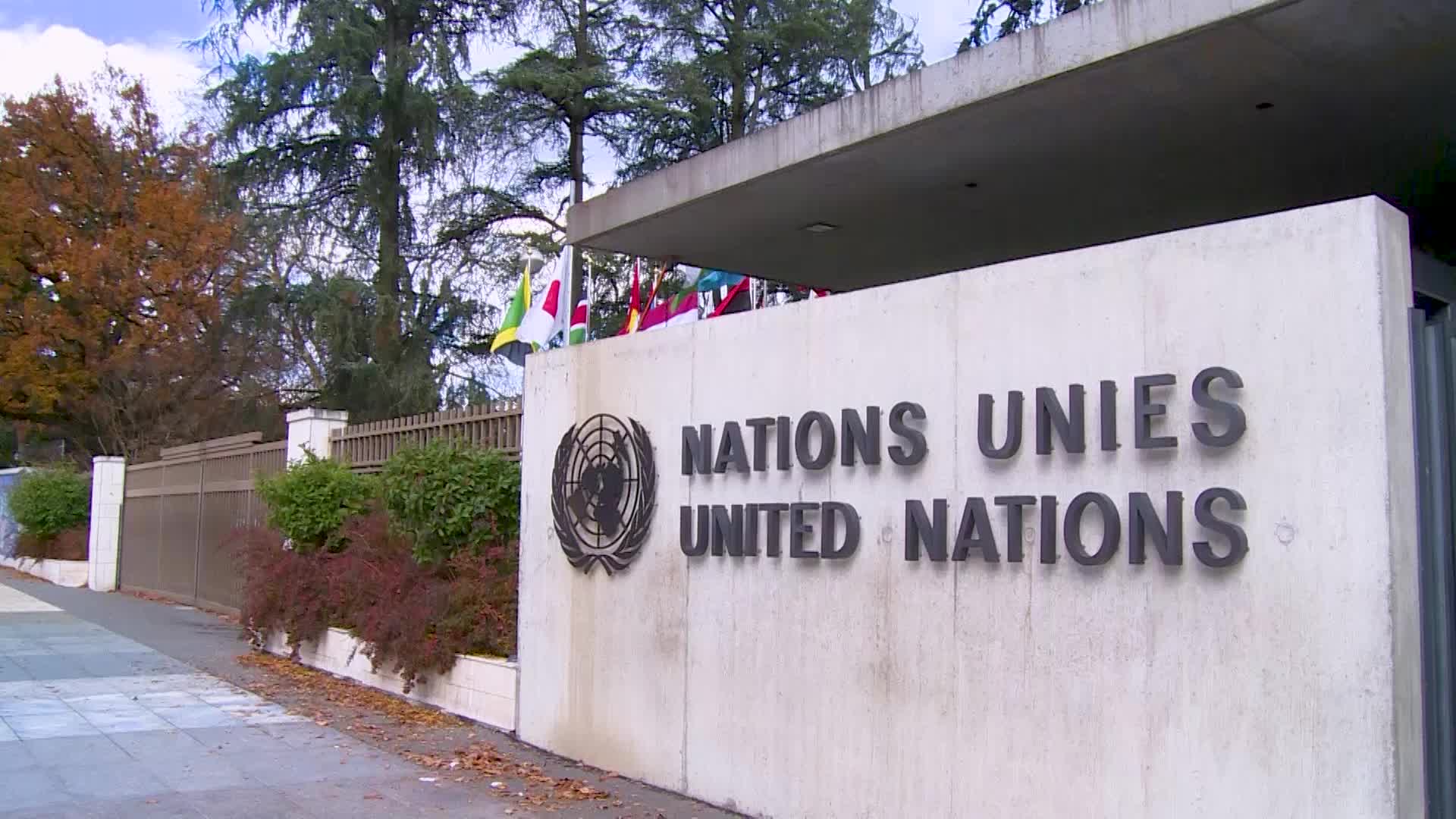
- Plan extérieur : Plan large de l'entrée du Palais des Nations
- Plan large : Salle de briefing
- SON (Anglais) - Ravina Shamdasani, porte-parole du Bureau des droits de l'homme de l'ONU (HCDH) : ““Nous sommes alarmés par l'exécution imminente aux États-Unis de Kenneth Eugene Smith, par l'utilisation d'une méthode nouvelle et non testée - la suffocation par le gaz d'azote. Cela pourrait constituer un acte de torture ou un traitement ou châtiment cruel, inhumain ou dégradant selon le droit international des droits de l'homme.”
- Coupures : Salle de briefing
- SON (Anglais) - Ravina Shamdasani, porte-parole du Bureau des droits de l'homme de l'ONU (HCDH) : “Le gaz d'azote n'a jamais été utilisé aux États-Unis pour exécuter des êtres humains. L'Association vétérinaire américaine recommande d'administrer un sédatif même aux grands animaux lorsqu'ils sont euthanasiés de cette manière, alors que le protocole de l'Alabama pour l'exécution par asphyxie à l'azote ne prévoit aucune administration de sédatif aux êtres humains avant l'exécution. Le protocole mentionne également que le gaz inodore et incolore doit être administré pendant jusqu'à 15 minutes. Smith a également avancé, avec des preuves d'experts, que cette exécution par asphyxie au gaz dans son cas comporte des risques de douleur et de souffrance particuliers.”
- Coupures : Salle de briefing
- SON (Anglais) - Ravina Shamdasani, porte-parole du Bureau des droits de l'homme de l'ONU (HCDH) : “Nous sommes sérieusement préoccupés par le fait que l'exécution de Smith dans ces circonstances pourrait enfreindre l'interdiction de la torture ou d'un traitement ou châtiment cruel, inhumain ou dégradant, ainsi que son droit à des recours effectifs. Ces droits sont énoncés dans deux traités internationaux relatifs aux droits de l'homme auxquels les États-Unis sont liés - il s'agit du Pacte relatif aux droits civils et politiques et de la Convention contre la torture et autres peines ou traitements cruels, inhumains ou dégradants.”
- Coupures : Salle de briefing
- SON (Anglais) - Ravina Shamdasani, porte-parole du Bureau des droits de l'homme de l'ONU (HCDH) : “La peine de mort est incompatible avec le droit fondamental à la vie. Il n'y a pas de preuve que cela dissuade la criminalité, et cela crée un risque inacceptable d'exécution de personnes innocentes. Plutôt que d'inventer de nouvelles façons de mettre en œuvre la peine capitale, nous exhortons tous les États à mettre en place un moratoire sur son utilisation, comme étape vers l'abolition universelle.”
- Coupures : Salle de briefing
- SON (Anglais) - Ravina Shamdasani, porte-parole du Bureau des droits de l'homme de l'ONU (HCDH) : “La position de l'ONU est très claire, nous sommes contre la peine de mort, nous sommes contre le fait que des personnes soient tuées pour avoir commis des crimes. Il n'y a pas de preuve que cela dissuade les crimes de quelque manière que ce soit. D'autre part, il existe de nombreuses preuves que la peine de mort a été utilisée dans des cas d'erreurs judiciaires, qu'elle est utilisée contre des personnes qui se révèlent plus tard être innocentes, qu'elle est utilisée de manière disproportionnée contre les minorités, aux États-Unis contre les personnes d'ascendance africaine, qu'elle est utilisée de manière disproportionnée contre les personnes qui n'ont pas les moyens de se défendre avec une représentation légale adéquate de leur choix.”
- Coupures : Salle de briefing
- SON (Anglais) - Ravina Shamdasani, porte-parole du Bureau des droits de l'homme de l'ONU (HCDH) : “
- Coupures : Salle de briefing
Similar Stories

2
17
1
2
Edited News , Press Conferences | OCHA , WMO
Two UN agencies teamed up on Wednesday to issue an appeal for immediate assistance to help communities already being impacted by the strongest El Niño on record.

3
16
2
2
B-roll , Conferences , Edited News | UNITED NATIONS , UNOG
Sixth Consultative Meeting on Enhancing Coordination of Peace Initiatives and Efforts for Sudan

1
1
1
Edited News | UNICEF , WHO , UNHCR
Yemen war continues to force families from homes amid hunger and disease
More than 250,000 people have now fled renewed fighting in Yemen, the UN said on Tuesday, citing particular concern for those sheltering in the southwestern city of Taiz and the wider governorate, where access is “essentially blocked”.

1
1
1
Edited News | UNICEF
A little over one year since a ceasefire agreement was announced between Hamas fighters and Israel, more than 340 children have been reported killed and hundreds more injured, the UN Children’s Fund, UNICEF, said on Friday.

1
1
1
Edited News | UNICEF , IFRC
Six weeks after Nepal’s deadly flooding disaster, communities are still struggling to rebuild their lives, but they will need sustained help as global warming increases the risk of another Himalayan catastrophe, the UN Children’s Fund (UNICEF) said on Friday.

1
1
1
Edited News | WHO
In suspected Russia plague death, testing and monitoring underway – WHO
The death of a lab worker in Russia’s Siberia region has sparked concerns about plague being the cause, the UN World Health Organization (WHO) said on Tuesday, adding that it was following the situation closely.

1
1
Edited News | OHCHR , UNOG
UN Human Rights Chief Volker Türk on Friday provided and oral update to the 63rd session of the Human rights Council on Ukraine.

1
1
1
Edited News | OHCHR , UNOG
UN Human Rights Chief Volker Türk on Friday provided and oral update to the 63rd session of the Human rights Council on the human rights situation in Haiti.

1
1
1
Edited News | WHO
Repeated delays in bringing lifesaving medicines, prosthetics and more from Israel into Gaza risk having devastating consequences on Palestinians who urgently need them in the wartorn enclave, the UN World Health Organization (WHO) said on Friday. “A truck full of non-priority supplies or the right supplies arriving too late, doesn't save lives. That's the question that actually matters," said Dr Reinhilde Van De Weerdt, WHO Representative in the OPT.

1
1
1
Edited News | WHO
DRC: Early access to care and oxygen decisive for Ebola patients’ survival – WHO
In the Democratic Republic of the Congo (DRC), health workers fighting the country’s largest-ever Ebola outbreak are struggling to overcome critical challenges to patient care, the UN World Health Organization (WHO) warned on Tuesday.

1
1
1
Edited News | OCHA , UN
Civilians in Iran are continuing to feel the consequences of months of conflict and military escalation, the UN’s top official in the country has said, as loss of life, damage to civilian infrastructure and mounting economic pressures leave many facing continued uncertainty.
1
1
1
Edited News | WHO , UNICEF
Aid agencies in Yemen highlighted the growing hunger emergency sparked by renewed fighting between Houthi opposition forces and Government troops, after mobile health clinics reported that hundreds of children displaced by the violence are suffering from the most deadly form of malnutrition.