

The United Nations Office at Geneva
Multimedia Newsroom
Edited News | UNOG , OHCHR
La portavoz de derechos humanos de la ONU, Ravina Shamdasani, habla sobre la ejecución en Alabama, el martes 16 de enero
En la rueda de prensa quincenal de las Naciones Unidas en Ginebra, la portavoz de Derechos Humanos de la ONU, Ravina Shamdasani, hizo los siguientes comentarios sobre la ejecución inminente por asfixia con nitrógeno en Alabama.
"Estamos alarmados por la ejecución inminente en los Estados Unidos de Kenneth Eugene Smith, a través del uso de un método novedoso y no probado: la asfixia por gas de nitrógeno. Esto podría constituir tortura u otro trato o castigo cruel, inhumano o degradante según el derecho internacional de los derechos humanos", dijo Shamdasani.
La Oficina de Derechos Humanos de la ONU insta a las autoridades estatales de Alabama a detener la ejecución de Smith, programada para el 25-26 de enero en Alabama, y a abstenerse de tomar más medidas hacia cualquier otra ejecución de esta manera. Alabama ya intentó ejecutar a Smith sin éxito por inyección letal en 2022, y él tiene procedimientos en curso en la corte federal contra su próxima ejecución, procedimientos que no han sido resueltos definitivamente.
"El gas de nitrógeno nunca se ha utilizado en los Estados Unidos para ejecutar seres humanos. La Asociación Médica Veterinaria Americana recomienda administrar incluso a animales grandes un sedante al ser sacrificados de esta manera, mientras que el protocolo de Alabama para la ejecución por asfixia con nitrógeno no prevé la sedación de seres humanos antes de la ejecución. El protocolo también se refiere al gas inodoro e incoloro que se administra durante un máximo de 15 minutos. Smith también ha argumentado, con pruebas de expertos, que tal ejecución por asfixia con gas en su caso conlleva un riesgo particular de dolor y sufrimiento", dijo.
"Tenemos serias preocupaciones de que la ejecución de Smith en estas circunstancias pueda violar la prohibición de la tortura u otro trato o castigo cruel, inhumano o degradante, así como su derecho a recursos efectivos. Estos son derechos establecidos en dos tratados internacionales de derechos humanos a los que Estados Unidos está obligado: el Pacto de Derechos Civiles y Políticos y la Convención contra la Tortura y Otros Tratos o Penas Crueles, Inhumanos o Degradantes", dijo la portavoz.
El Comité de Derechos Humanos, que es el organismo internacional encargado de supervisar la aplicación del Pacto en todo el mundo, también ha criticado el uso de la asfixia por gas como método de ejecución, el uso de métodos no probados, así como la ampliación del uso de la pena de muerte en los Estados que continúan aplicándola.
"La pena de muerte es incompatible con el derecho fundamental a la vida. No hay pruebas de que disuada del crimen, y crea un riesgo inaceptable de ejecutar a personas inocentes. En lugar de inventar nuevas formas de aplicar la pena capital, instamos a todos los Estados a establecer un moratorio sobre su uso, como un paso hacia la abolición universal", dijo Shamdasani.
“La posición de la ONU es muy clara: estamos en contra de la pena de muerte, estamos en contra de que se mate a personas por haber cometido delitos. No hay pruebas de que esto disuada de los crímenes de ninguna manera. Por otro lado, hay mucha evidencia de que la pena de muerte se ha utilizado en casos de errores judiciales, se utiliza contra personas que luego resultan ser inocentes, se utiliza de manera desproporcionada contra minorías, en los Estados Unidos contra personas de ascendencia africana, se utiliza de manera desproporcionada contra personas que no tienen los medios para defenderse con una representación legal adecuada de su elección", dijo la portavoz.
Para obtener más información y solicitudes de medios, comuníquese con:
Ravina Shamdasani - + 41 22 917 9169 / ravina.shamdasani@un.org o
Liz Throssell + 41 22 917 9296 / elizabeth.throssell@un.org o
Marta Hurtado - + 41 22 917 9466 / marta.hurtadogomez@un.org
Etiqueta y comparte
Twitter @UNHumanRights
Facebook unitednationshumanrights
Instagram @unitednationshumanrights
Etiqueta y comparte - Twitter: @UNHumanRights y Facebook: unitednationshumanrights
HISTORIA: Portavoz de Derechos Humanos de la ONU Ravina Shamdasani sobre ejecución inminente por asfixia con nitrógeno en Alabama
DURACIÓN: 02:59
FUENTE: OHCHR
RESTRICCIONES: NINGUNA
IDIOMA: Inglés/Francés / NATS
RELACIÓN DE ASPECTO: 16:9
LUGAR: 16 de enero de 2023 GINEBRA, SUIZA
LISTA DE TOMAS
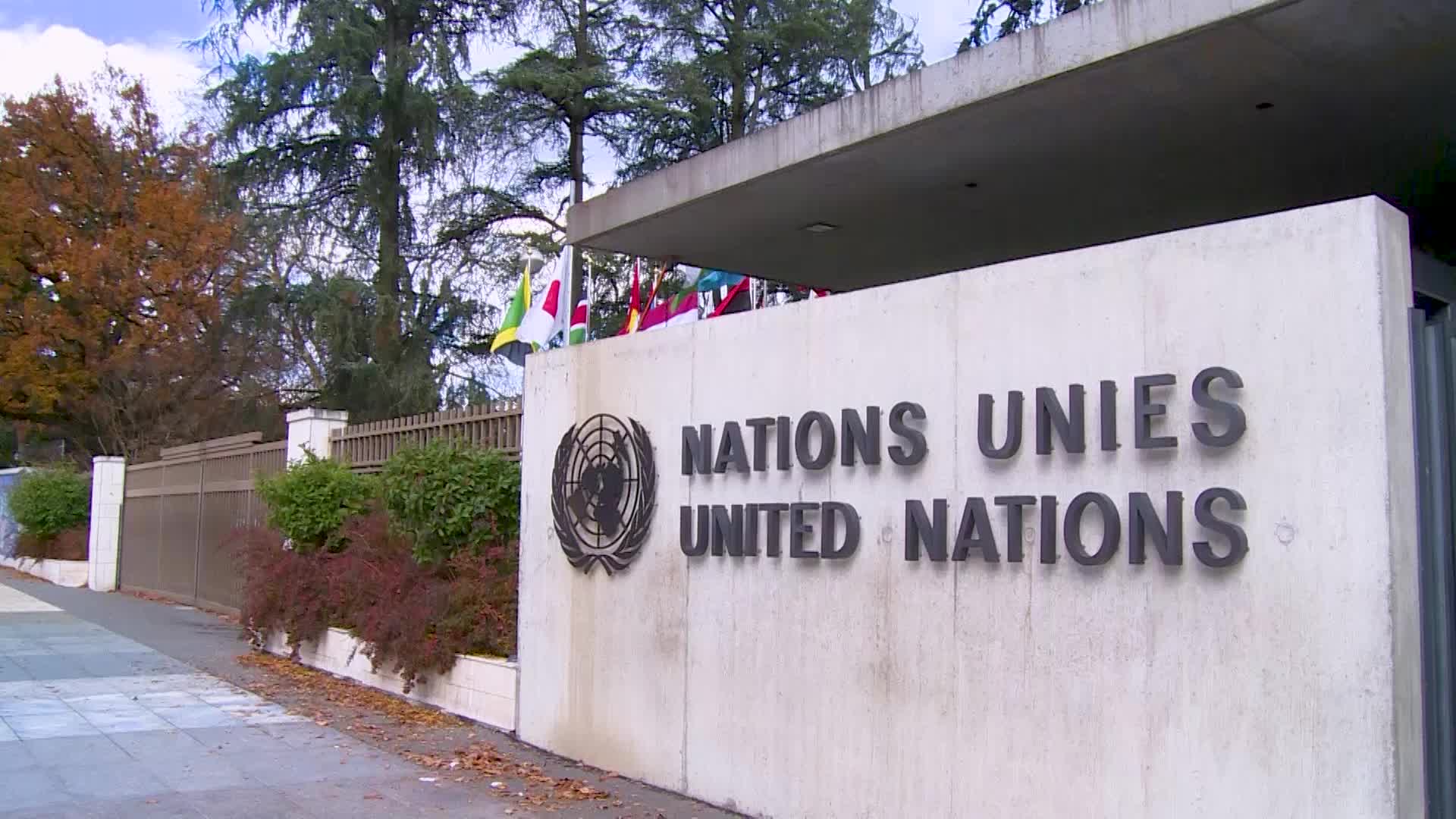
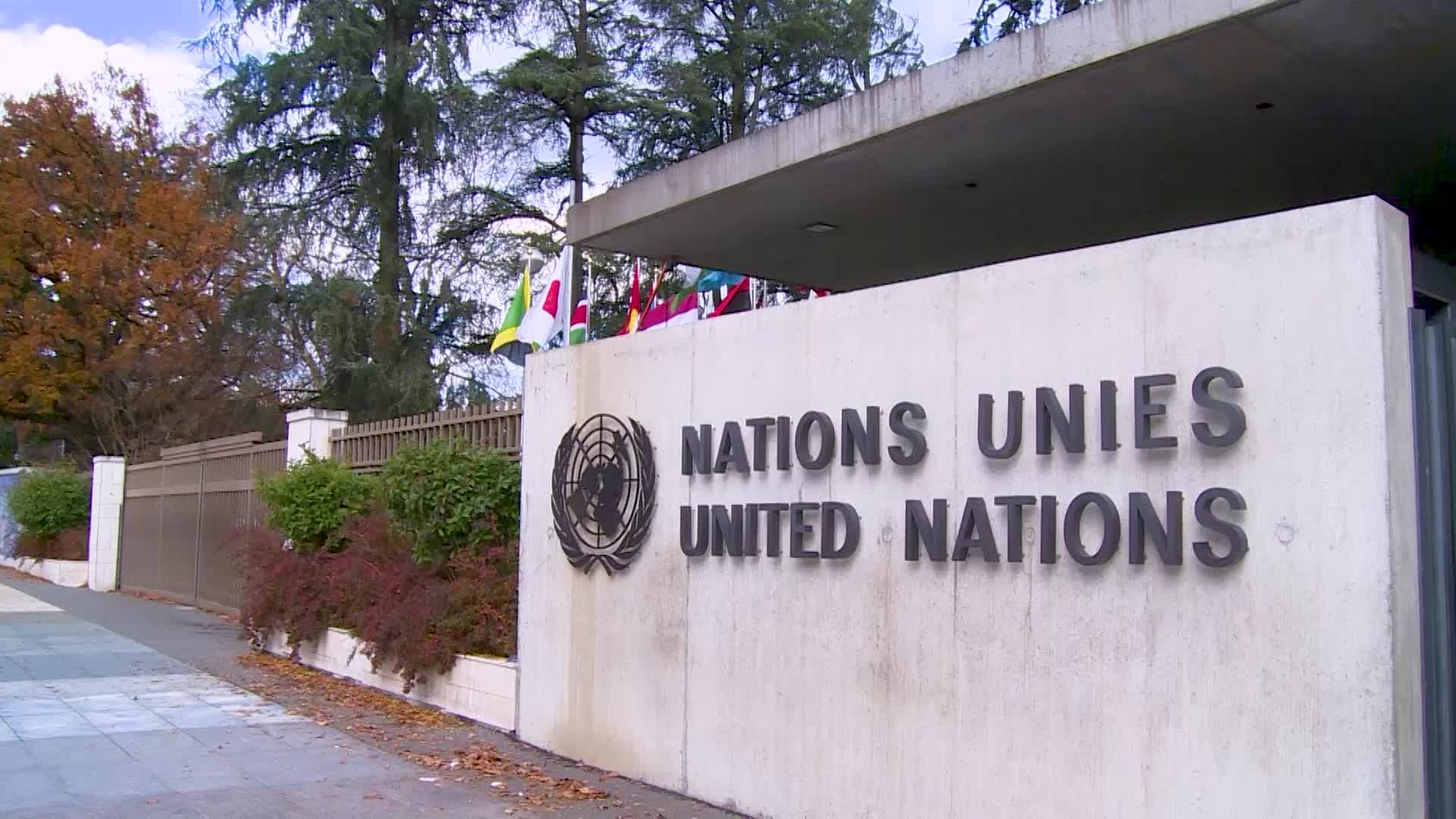
- Toma exterior: Plano general de la entrada del Palais des Nations
- Plano general: Sala de conferencias
- DECLARACIONES (Inglés) – Ravina Shamdasani, Portavoz de la Oficina de Derechos Humanos de la ONU (OHCHR): ““Estamos alarmados por la ejecución inminente en Estados Unidos de Kenneth Eugene Smith, a través del uso de un método novedoso y no probado: la asfixia por gas de nitrógeno. Esto podría constituir tortura u otro trato o castigo cruel, inhumano o degradante según el derecho internacional de los derechos humanos.”
- Planos de corte: Sala de conferencias
- DECLARACIONES (Inglés) – Ravina Shamdasani, Portavoz de la Oficina de Derechos Humanos de la ONU (OHCHR): “El gas de nitrógeno nunca ha sido utilizado en Estados Unidos para ejecutar seres humanos. La Asociación Médica Veterinaria Americana recomienda administrar incluso a animales grandes un sedante al ser sacrificados de esta manera, mientras que el protocolo de Alabama para la ejecución por asfixia con nitrógeno no contempla la sedación de seres humanos antes de la ejecución. El protocolo también hace referencia a que el gas inodoro e incoloro se administra durante hasta 15 minutos. Smith también ha presentado, con pruebas periciales, que tal ejecución por asfixia con gas en su caso conlleva un riesgo particular de dolor y sufrimiento.”
- Planos de corte: Sala de conferencias
- DECLARACIONES (Inglés) – Ravina Shamdasani, Portavoz de la Oficina de Derechos Humanos de la ONU (OHCHR): “Tenemos serias preocupaciones de que la ejecución de Smith en estas circunstancias podría violar la prohibición de la tortura u otro trato o castigo cruel, inhumano o degradante, así como su derecho a recursos efectivos. Estos son derechos establecidos en dos tratados internacionales de derechos humanos a los que Estados Unidos está obligado: el Pacto de Derechos Civiles y Políticos y la Convención contra la Tortura y Otros Tratos o Penas Crueles, Inhumanos o Degradantes.”
- Planos de corte: Sala de conferencias
- DECLARACIONES (Inglés) – Ravina Shamdasani, Portavoz de la Oficina de Derechos Humanos de la ONU (OHCHR): “La pena de muerte es incompatible con el derecho fundamental a la vida. No hay pruebas de que disuada el crimen, y crea un riesgo inaceptable de ejecutar a personas inocentes. En lugar de inventar nuevas formas de aplicar la pena de muerte, instamos a todos los Estados a establecer una moratoria sobre su uso, como un paso hacia la abolición universal.”
- Planos de corte: Sala de conferencias
- DECLARACIONES (Inglés) – Ravina Shamdasani, Portavoz de la Oficina de Derechos Humanos de la ONU (OHCHR): “La posición de la ONU es muy clara: estamos en contra de la pena de muerte, estamos en contra de que se mate a personas por haber cometido delitos. No hay pruebas de que esto disuada los delitos de ninguna manera. Por otro lado, hay muchas pruebas de que la pena de muerte se ha utilizado en casos de errores judiciales, se ha utilizado contra personas que luego resultaron ser inocentes, se ha utilizado de manera desproporcionada contra minorías, en Estados Unidos contra personas de ascendencia africana, se utiliza de manera desproporcionada contra personas que no tienen los medios para defenderse con una representación legal adecuada de su elección.”
- Planos de corte: Sala de conferencias
- DECLARACIONES (Inglés) – Ravina Shamdasani, Portavoz de la Oficina de Derechos Humanos de la ONU (OHCHR): “
- Planos de corte: Sala de conferencias
Similar Stories
2
17
1
2
Edited News , Press Conferences | OCHA , WMO
Two UN agencies teamed up on Wednesday to issue an appeal for immediate assistance to help communities already being impacted by the strongest El Niño on record.
3
16
2
2
B-roll , Conferences , Edited News | UNITED NATIONS , UNOG
Sixth Consultative Meeting on Enhancing Coordination of Peace Initiatives and Efforts for Sudan

1
1
1
Edited News | UNICEF , WHO , UNHCR
Yemen war continues to force families from homes amid hunger and disease
More than 250,000 people have now fled renewed fighting in Yemen, the UN said on Tuesday, citing particular concern for those sheltering in the southwestern city of Taiz and the wider governorate, where access is “essentially blocked”.

1
1
1
Edited News | UNICEF
A little over one year since a ceasefire agreement was announced between Hamas fighters and Israel, more than 340 children have been reported killed and hundreds more injured, the UN Children’s Fund, UNICEF, said on Friday.

1
1
1
Edited News | UNICEF , IFRC
Six weeks after Nepal’s deadly flooding disaster, communities are still struggling to rebuild their lives, but they will need sustained help as global warming increases the risk of another Himalayan catastrophe, the UN Children’s Fund (UNICEF) said on Friday.

1
1
1
Edited News | WHO
In suspected Russia plague death, testing and monitoring underway – WHO
The death of a lab worker in Russia’s Siberia region has sparked concerns about plague being the cause, the UN World Health Organization (WHO) said on Tuesday, adding that it was following the situation closely.

1
1
Edited News | OHCHR , UNOG
UN Human Rights Chief Volker Türk on Friday provided and oral update to the 63rd session of the Human rights Council on Ukraine.

1
1
1
Edited News | OHCHR , UNOG
UN Human Rights Chief Volker Türk on Friday provided and oral update to the 63rd session of the Human rights Council on the human rights situation in Haiti.

1
1
1
Edited News | WHO
Repeated delays in bringing lifesaving medicines, prosthetics and more from Israel into Gaza risk having devastating consequences on Palestinians who urgently need them in the wartorn enclave, the UN World Health Organization (WHO) said on Friday. “A truck full of non-priority supplies or the right supplies arriving too late, doesn't save lives. That's the question that actually matters," said Dr Reinhilde Van De Weerdt, WHO Representative in the OPT.

1
1
1
Edited News | WHO
DRC: Early access to care and oxygen decisive for Ebola patients’ survival – WHO
In the Democratic Republic of the Congo (DRC), health workers fighting the country’s largest-ever Ebola outbreak are struggling to overcome critical challenges to patient care, the UN World Health Organization (WHO) warned on Tuesday.

1
1
1
Edited News | OCHA , UN
Civilians in Iran are continuing to feel the consequences of months of conflict and military escalation, the UN’s top official in the country has said, as loss of life, damage to civilian infrastructure and mounting economic pressures leave many facing continued uncertainty.
1
1
1
Edited News | WHO , UNICEF
Aid agencies in Yemen highlighted the growing hunger emergency sparked by renewed fighting between Houthi opposition forces and Government troops, after mobile health clinics reported that hundreds of children displaced by the violence are suffering from the most deadly form of malnutrition.