

The United Nations Office at Geneva
Multimedia Newsroom
COVID-19 is not seasonal, says WHO, urges greater respect for physical distancing
Transmission of COVID-19 is very likely not linked to seasonal conditions, UN health experts said on Tuesday, before urging much greater respect for physical distancing measures to stop the virus spreading.
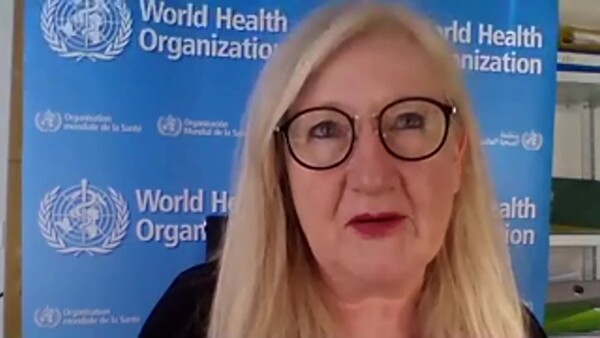
“The season does not seem to be affecting the transmission of this virus currently,” said Dr Margaret Harris, spokesperson, World Health Organization (WHO). “What is affecting the transmission is mass gatherings, it’s people coming together, and people not social distancing, not taking the precautions to ensure they are not in close contact.”
Globally, WHO said on Tuesday that there have been 16,301,736 confirmed cases of COVID-19, including 650 069 deaths, reported to the agency.
The Americas remains the epicentre by region, with more than 8.7 million cases, followed by Europe (3.2 million), South-East Asia (1.8 million), Eastern Mediterranean (1.5 million), Africa (712,920) and Western Pacific (291,993).
During a scheduled UN Geneva virtual press conference, Dr Harris dismissed the apparently “fixed idea” that the respiratory illness is seasonal and that it might come in several waves – which is not how the WHO is defining virus transmission anyway, she said. “There is a huge outbreak…with the most intense - the highest numbers” in the U.S. where it is the middle of summer.”
Brazil had also seen high infection rates, despite being an equatorial country, the WHO spokesperson continued.
Turning to countries in the global south, Dr Harris noted that winter was under way there, with samples tested indicating “high” COVID infection rates but low influenza traces. “Now the interesting thing is we are seeing from those samples high levels of COVID, but we’re not seeing high levels of influenza at the moment. So, we’re expecting a later flu season in the southern hemisphere.”
The development is in line with WHO’s latest influenza update indicating that globally, influenza activity is currently at lower-than-expected levels.
In temperate areas of the northern hemisphere, influenza activity has “returned to inter-seasonal levels”.
In Caribbean, Central American, South American, tropical African, Southern Asia and South East Asia countries, the WHO bulletin reported that there have been only sporadic or no cases detected.
Assessing the impact on countries finding themselves having to tackle both COVID-19 and influenza at the same time, the WHO spokesperson debated whether a “melange” of respiratory diseases might provoke confusion. “That would be a concern, because if you have an increase in respiratory illness when you already have a very high burden of respiratory illness, that puts even more pressure on the health system,” she said.
Asked about the WHO’s stance on charging for COVID-19 testing, Dr Harris explained that this was a decision governed by countries alone. “Now we do everything we can to encourage all countries to test, because testing is absolutely essential,” she said. “You don’t know where your outbreak is if you’re not testing people. And we also encourage all countries to make access to testing wide and available”.
- Wide shot: exterior, UN Geneva flag alley, a beautiful day.
- SOUNDBITE (EN) – Dr Margaret Harris, spokesperson, World Health Organization (WHO): “The season does not seem to be affecting the transmission of this virus currently; what is affecting the transmission is mass gatherings, it’s people coming together, and people not social distancing, not taking the precautions to ensure they are not in close contact.”
- Medium shot: UN Geneva flag alley, UN flag in centre, flanked by flags of Member States.
- SOUNDBITE (EN) – Dr Margaret Harris, spokesperson, World Health Organization (WHO): “There seems to be this fixed idea about this virus being seasonal, but there is a huge outbreak, the most intense - the highest numbers - are being experienced in the USA, they are in the middle of summer; also Brazil, they are in the sum.. (breaks off) they are an equatorial country.”
- Wide shot: UN Geneva main entrance at Pregny Gate.
- SOUNDBITE (EN) – Dr Margaret Harris, spokesperson, World Health Organization (WHO): “The southern hemisphere is currently undergoing its winter and we are watching, we have a full surveillance system and they are looking at the samples coming from every laboratory, and they are also testing them for COVID. Now the interesting thing is we are seeing from those samples high levels of COVID, but we’re not seeing high levels of influenza at the moment. So we’re expecting a later flu season in the southern hemisphere.”
- Medium shot: UN Geneva flag alley, top section of UN Palais des Nations facade, displaying “United Nations” and “Nations Unies” lettering either side of UN logo.
- SOUNDBITE (EN) – Dr Margaret Harris, spokesperson, World Health Organization (WHO): “Will there be a melange, will that cause confusion. That would be a concern, because if you have an increase in respiratory illness when you already have a very high burden of respiratory illness, that puts even more pressure on the health system.”
- Wide shot: UN Geneva flag alley seen from outside the UN complex, behind fencing and wall carrying “United Nations” and “Nations Unies” lettering either side of UN logo.
- SOUNDBITE (EN) – Dr Margaret Harris, spokesperson, World Health Organization (WHO): “Now we do everything we can to encourage all countries to test, because testing is absolutely essential, you don’t know where your outbreak is if you’re not testing people. And we also encourage all countries to make access to testing wide and available”.
- Wide shot: exterior, UN Geneva flag alley from the ground, a beautiful day.
Similar Stories

1
1
1
Edited News | OCHA , UNICEF , WFP
Aid agencies warned on Friday of the fast-developing humanitarian emergency inside Taiz City in Yemen, which has been encircled by de facto Houthi forces fighting government troops along the country’s west coast.

2
17
1
2
Edited News , Press Conferences , Images | OCHA , WMO
Two UN agencies teamed up on Wednesday to issue an appeal for immediate assistance to help communities already being impacted by the strongest El Niño on record.

3
16
2
2
Edited News , B-roll , Conferences , Images | UNITED NATIONS , UNOG
Sixth Consultative Meeting on Enhancing Coordination of Peace Initiatives and Efforts for Sudan

1
1
1
Edited News | UNICEF , WHO , UNHCR
Yemen war continues to force families from homes amid hunger and disease
More than 250,000 people have now fled renewed fighting in Yemen, the UN said on Tuesday, citing particular concern for those sheltering in the southwestern city of Taiz and the wider governorate, where access is “essentially blocked”.

1
1
1
Edited News | UNICEF
A little over one year since a ceasefire agreement was announced between Hamas fighters and Israel, more than 340 children have been reported killed and hundreds more injured, the UN Children’s Fund, UNICEF, said on Friday.

1
1
1
Edited News | UNICEF , IFRC
Six weeks after Nepal’s deadly flooding disaster, communities are still struggling to rebuild their lives, but they will need sustained help as global warming increases the risk of another Himalayan catastrophe, the UN Children’s Fund (UNICEF) said on Friday.

1
1
1
Edited News | WHO
In suspected Russia plague death, testing and monitoring underway – WHO
The death of a lab worker in Russia’s Siberia region has sparked concerns about plague being the cause, the UN World Health Organization (WHO) said on Tuesday, adding that it was following the situation closely.

1
1
Edited News | OHCHR , UNOG
UN Human Rights Chief Volker Türk on Friday provided and oral update to the 63rd session of the Human rights Council on Ukraine.

1
1
1
Edited News | OHCHR , UNOG
UN Human Rights Chief Volker Türk on Friday provided and oral update to the 63rd session of the Human rights Council on the human rights situation in Haiti.

1
1
1
Edited News | WHO
Repeated delays in bringing lifesaving medicines, prosthetics and more from Israel into Gaza risk having devastating consequences on Palestinians who urgently need them in the wartorn enclave, the UN World Health Organization (WHO) said on Friday. “A truck full of non-priority supplies or the right supplies arriving too late, doesn't save lives. That's the question that actually matters," said Dr Reinhilde Van De Weerdt, WHO Representative in the OPT.

1
1
1
Edited News | WHO
DRC: Early access to care and oxygen decisive for Ebola patients’ survival – WHO
In the Democratic Republic of the Congo (DRC), health workers fighting the country’s largest-ever Ebola outbreak are struggling to overcome critical challenges to patient care, the UN World Health Organization (WHO) warned on Tuesday.

1
1
1
Edited News | OCHA , UN
Civilians in Iran are continuing to feel the consequences of months of conflict and military escalation, the UN’s top official in the country has said, as loss of life, damage to civilian infrastructure and mounting economic pressures leave many facing continued uncertainty.