

The United Nations Office at Geneva
Multimedia Newsroom
Edited News | OHCHR , UNOG
UN Human Rights briefing renewed violence in Ituri, DRC -Continued fighting in Libya impact on civilians, hospitals.
Ituri, RDC renewed violence in Ituri, DRC.
Renewed inter-communal violence in the Democratic Republic of the Congo’s eastern province of Ituri, resumed in this province on the Ugandan border. The United Nations Joint Human Rights office in the DRC published a report in January that this type of acts of violence, if committed as part of a widespread or systematic attack directed against the civilian population, may constitute crimes against humanity.
1. Aerial shots: Ituri province
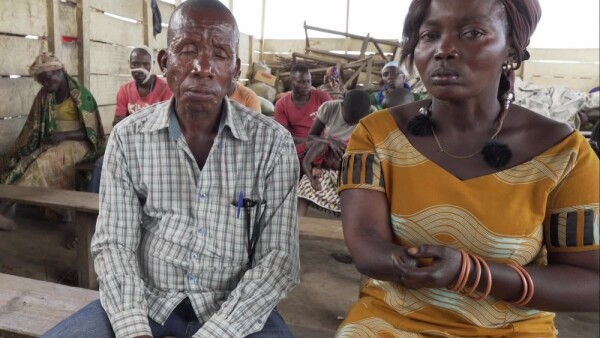
2. Travelling shot: Driving into the Hema Internally Displaced camp in Bunia
3. SOUNDBITE (English)—Rupert Colville, Spokesperson for the Office of the UN High Commissioner for Human Rights (OHCHR): “We are alarmed by the worsening security situation in Djugu and Mahagi territories, where more than 150 people have been killed in the last 40 days in a series of attacks by Djugu-based perpetrators. The attackers are for the most part members of the CODECO armed group, most of whom are from the Lendu ethnic community.
4. Wide shot: Hema victim (women in the centre) speaking with UN human rights officer
5. SOUNDBITE (English)—Rupert Colville, Spokesperson for the Office of the UN High Commissioner for Human Rights (OHCHR): “In March alone, our Office recorded 107 civilians killed and 43 injured. So far in April, another 49 people have been killed, 13 wounded and six abducted. There are some more figures in the note. But the latest violence happened last Saturday when CODECO fighters attacked the village called Koli at night, killing 23 civilians just in that one village.”
6. Wide shot: Hema children in camp in Bunia
7. SOUNDBITE (English)—Rupert Colville, Spokesperson for the Office of the UN High Commissioner for Human Rights (OHCHR): “Assaults on communities by these armed elements escalated significantly during March, with several gruesome assaults being reported. The attacks multiplied after the CODECO leader, Ngudjolo Duduko Justin, was killed on 25 March. And this reportedly triggered infighting for control of the group, which split into five factions, all carrying of which are carrying out attacks.”
8. Medium shot: Hema victim
9. SOUNDBITE (English)—Rupert Colville, Spokesperson for the Office of the UN High Commissioner for Human Rights (OHCHR): “It is important to note that leaders of the Lendu community the civilian leaders not the members of CODECO have mostly distanced themselves from the attackers.”
10. Medium shot: Hema women victim with amputated arm
11. SOUNDBITE (English)—Rupert Colville, Spokesperson for the Office of the UN High Commissioner for Human Rights (OHCHR): “The brutality of the attacks, with perpetrators using machetes to kill women and children, raping, looting property, destroying houses and killing livestock, suggests the aim is to inflict lasting trauma on the affected populations, forcing them to flee, and so gain control over the territory, which is rich in natural resources.”
12. Close up shot: Amputated limb of Hema women
13. SOUNDBITE (English)—Rupert Colville, Spokesperson for the Office of the UN High Commissioner for Human Rights (OHCHR): “Despite the atrocities, the affected communities, mainly the Hema, but also the Alur, the Ndo Okebo and the Mambisa, generally shown restraint. However, we are worried that if the attacks continue without a
decisive response from the security forces to defend the civilian population, those communities may form self-defense militias, and that would increase the likelihood of an overall descent into all out inter-communal violence which would be absolutely catastrophic.”
14. Wide shot: Hema camp in Bunia
15. SOUNDBITE (English)—Rupert Colville, Spokesperson for the Office of the UN High Commissioner for Human Rights (OHCHR): “So we call on the authorities to strengthen the presence of security forces and state officials in the region, to ensure there are thorough investigations into all alleged abuses and human rights violations, to hold all perpetrators to account in fair and impartial trials and provide victims and their families with access to justice, truth and reparations.”
16. Various Hema camp
Similar Stories
1
1
1
Edited News | OCHA , UNICEF , WFP
Aid agencies warned on Friday of the fast-developing humanitarian emergency inside Taiz City in Yemen, which has been encircled by de facto Houthi forces fighting government troops along the country’s west coast.

2
17
1
2
Edited News , Press Conferences , Images | OCHA , WMO
Two UN agencies teamed up on Wednesday to issue an appeal for immediate assistance to help communities already being impacted by the strongest El Niño on record.
3
16
2
2
Edited News , B-roll , Conferences , Images | UNITED NATIONS , UNOG
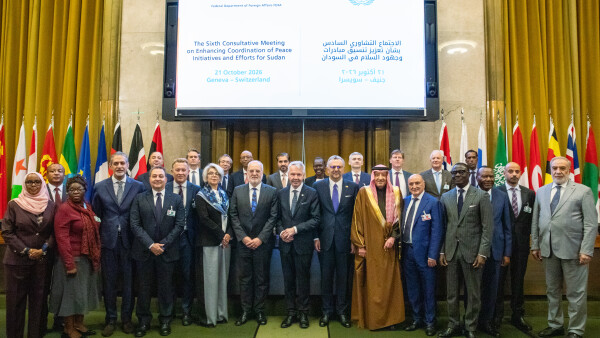
Sixth Consultative Meeting on Enhancing Coordination of Peace Initiatives and Efforts for Sudan
1
1
1
Edited News | UNICEF , WHO , UNHCR
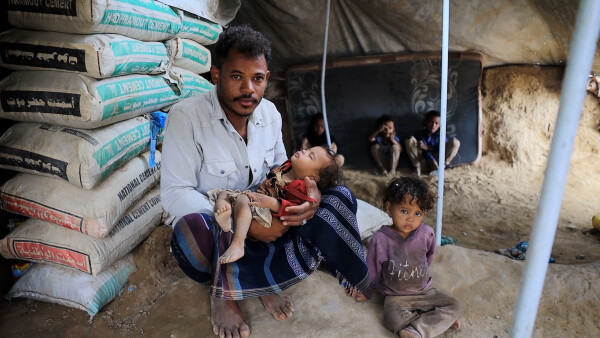
Yemen war continues to force families from homes amid hunger and disease
More than 250,000 people have now fled renewed fighting in Yemen, the UN said on Tuesday, citing particular concern for those sheltering in the southwestern city of Taiz and the wider governorate, where access is “essentially blocked”.

1
1
1
Edited News | UNICEF
A little over one year since a ceasefire agreement was announced between Hamas fighters and Israel, more than 340 children have been reported killed and hundreds more injured, the UN Children’s Fund, UNICEF, said on Friday.

1
1
1
Edited News | UNICEF , IFRC
Six weeks after Nepal’s deadly flooding disaster, communities are still struggling to rebuild their lives, but they will need sustained help as global warming increases the risk of another Himalayan catastrophe, the UN Children’s Fund (UNICEF) said on Friday.

1
1
1
Edited News | WHO
In suspected Russia plague death, testing and monitoring underway – WHO
The death of a lab worker in Russia’s Siberia region has sparked concerns about plague being the cause, the UN World Health Organization (WHO) said on Tuesday, adding that it was following the situation closely.

1
1
Edited News | OHCHR , UNOG
UN Human Rights Chief Volker Türk on Friday provided and oral update to the 63rd session of the Human rights Council on Ukraine.

1
1
1
Edited News | OHCHR , UNOG
UN Human Rights Chief Volker Türk on Friday provided and oral update to the 63rd session of the Human rights Council on the human rights situation in Haiti.

1
1
1
Edited News | WHO
Repeated delays in bringing lifesaving medicines, prosthetics and more from Israel into Gaza risk having devastating consequences on Palestinians who urgently need them in the wartorn enclave, the UN World Health Organization (WHO) said on Friday. “A truck full of non-priority supplies or the right supplies arriving too late, doesn't save lives. That's the question that actually matters," said Dr Reinhilde Van De Weerdt, WHO Representative in the OPT.

1
1
1
Edited News | WHO
DRC: Early access to care and oxygen decisive for Ebola patients’ survival – WHO
In the Democratic Republic of the Congo (DRC), health workers fighting the country’s largest-ever Ebola outbreak are struggling to overcome critical challenges to patient care, the UN World Health Organization (WHO) warned on Tuesday.

1
1
1
Edited News | OCHA , UN
Civilians in Iran are continuing to feel the consequences of months of conflict and military escalation, the UN’s top official in the country has said, as loss of life, damage to civilian infrastructure and mounting economic pressures leave many facing continued uncertainty.