

The United Nations Office at Geneva
Multimedia Newsroom
Edited News | OHCHR
HRC57 - Nada Al-Nashif, UN Deputy High Commissioner for Human Rights, on Myanmar
“The crisis in Myanmar continues to sink into an abyss of human suffering. Entrenched in armed conflicts spreading the length and breadth of the country, the military continues to lose ground, exacting an ever-higher price along the way. Airstrikes and artillery – the military’s weapons of choice -- have killed scores of civilians in villages and Internally Displaced Persons’ (IDP) camps, violating international human rights and humanitarian law,” Al-Nashif told the UN Human Rights Council in Geneva.
“While not comparable in scale and scope to the military, some ethnic armed groups have also harmed civilians, at times seemingly deliberately . Recently, the Office issued another warning about the possible reoccurrence of atrocities against Rohingya caught between the ‘Arakan Army’ – which is forcing them to flee their homes -- and the military, leaving them nowhere safe to run,” she said.
In Rakhine, the situation continues to deteriorate, with intensified clashes killing more civilians, with desperately needed food and medical assistance almost entirely blocked.
Credible sources have verified a minimum of 5,600 civilians, including 1,160 women and 624 children, killed by the military since February 2021. Compounding the violence, the number of people forced to flee due to natural disasters continues to escalate daily.
As the economy plummets, essential commodities, to the extent they remain available, are becoming unaffordable for many. More than half the population now lives in poverty with the country’s GDP dropping 12 percent annually on average since the coup in 2021.
“Yet rather than addressing the needs of the people and mitigating the crisis, the military have doubled down on repression and restrictions on humanitarian operations, especially in conflict-affected areas,” the Deputy High Commissioner said.
After attempting to forcibly conscript civilians between 18 and 35, the military has announced its intention to arm civilians in local militias to defend territories which the military itself cannot. This risks leading to wider militarization and greater violence across the country.
Throughout the crisis, the people of Myanmar have consistently expressed their desire for democracy, the rule of law, and accountability, in the face of a military desperately trying to hold on to power by any means necessary, Al-Nashif noted.
“We remain very concerned by the possible use of the death penalty, with 167 people sentenced to death since the military coup,” Al-Nashif highlighted.
“Torture and ill-treatment, including multiple reports of sexual violence in detention – against women and LBGTI persons -- remain rampant in interrogation centers, prisons, and other detention sites. Interviewees describe being subjected to some of the most depraved treatment, including electrocution, asphyxiation, having insects and animals set upon them, and sexual torture. Perpetrators have been emboldened by long-standing impunity,” she added.
Continued exposure to violence and associated fear, have had a devastating impact on the mental health and well-being of victims and communities across Myanmar. The lack of adequate resources to provide mental health support has been further exacerbated by mental health professionals fleeing the country.
“This situation is not new. This crisis has been in a steady downward spiral for over three and half years. Every indicator across the country is tipping downwards. Despite this, there has been little focused international action to stem this tide of horror,” she said.
“There is an urgent need for political will and leadership at regional and international levels to demand, and achieve, a solution in the best interests of the people of Myanmar. It is imperative that Member States, notably those with influence, work together to bolster and support ASEAN members to resolve this crisis and bring an end to the violence in Myanmar,” she added.
“Our Office has proposed concrete ways to address key aspects of this self-perpetuating crisis. The flow of arms, other military material and aviation fuel that is powering the military’s campaign of violence against the civilian population must stop.The political process must be renewed, engaging equally with the National Unity Government, ethnic armed groups and the democracy movement to define future solutions for the country,” she stated.
ENDS
For more information and media requests, please contact:
Ravina Shamdasani: +41 22 917 9169 / ravina.shamdasani@un.org
Jeremy Laurence: +41 22 917 9383 / jeremy.laurence@un.org
Tag and share - Twitter: @UNHumanRights and Facebook: unitednationshumanrights
STORY: Myanmar: Statement by UN Deputy High Commissioner for Human Rights Nada Al-Nashif
TRT: 03:39
SOURCE: OHCHR
RESTRICTIONS: NONE
LANGUAGE: English/NATS
ASPECT RATIO: 16:9
DATELINE: 24 September 2024 – GENEVA, SWITZERLAND
SHOTLIST
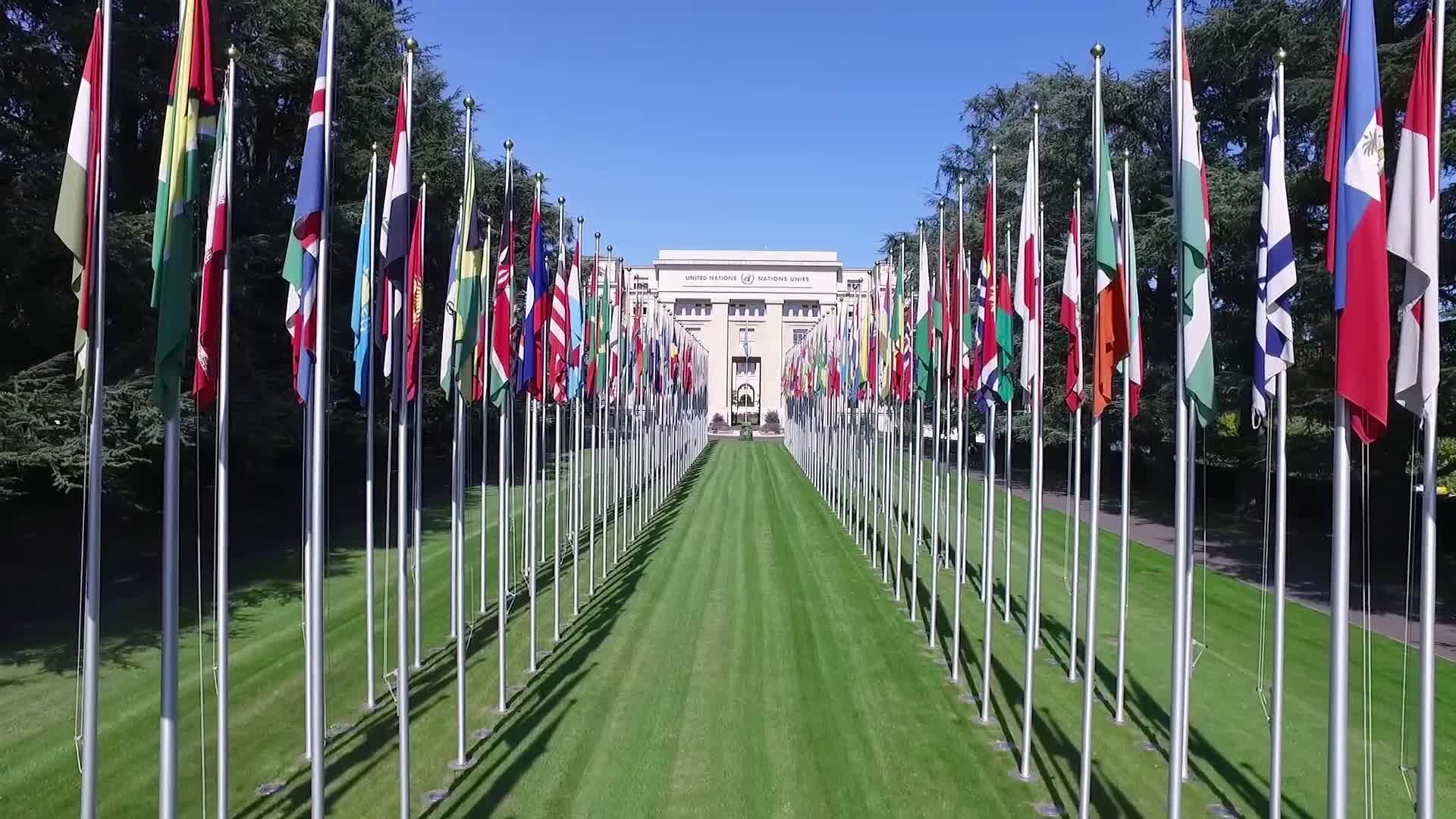
- Exterior shot: Palais des Nations
- Interior shot: Human Rights Council
- SOUNDBITE (English) — Nada Al-Nashif, Deputy High Commissioner for Human Rights on Myanmar: “The crisis in Myanmar continues to sink into an abyss of human suffering. Entrenched in armed conflicts spreading the length and breadth of the country, the military continues to lose ground, exacting an ever-higher price along the way. Airstrikes and artillery – the military’s weapons of choice -- have killed scores of civilians in villages and Internally Displaced Persons’ (IDP) camps, violating international human rights and humanitarian law.”
- Cutaway: Human Rights Council
- SOUNDBITE (English) — Nada Al-Nashif, Deputy High Commissioner for Human Rights on Myanmar: “While not comparable in scale and scope to the military, some ethnic armed groups have also harmed civilians, at times seemingly deliberately. Recently, the Office issued another warning about the possible reoccurrence of atrocities against Rohingya caught between the ‘Arakan Army’ – which is forcing them to flee their homes -- and the military, leaving them nowhere safe to run.”
- Cutaway: Human Rights Council
- SOUNDBITE (English) — Nada Al-Nashif, Deputy High Commissioner for Human Rights on Myanmar: “Yet rather than addressing the needs of the people and mitigating the crisis, the military have doubled down on repression and restrictions on humanitarian operations, especially in conflict-affected areas.”
- Cutaway: Human Rights Council
- Cutaway: Human Rights Council
- Cutaway: Human Rights Council
- SOUNDBITE (English) — Nada Al-Nashif, Deputy High Commissioner for Human Rights on Myanmar: “We remain very concerned by the possible use of the death penalty, with 167 people sentenced to death since the military coup.”
- Cutaway: Human Rights Council
- SOUNDBITE (English) — Nada Al-Nashif, Deputy High Commissioner for Human Rights on Myanmar: “Torture and ill-treatment, including multiple reports of sexual violence in detention – against women and LBGTI persons -- remain rampant in interrogation centers, prisons, and other detention sites. Interviewees describe being subjected to some of the most depraved treatment, including electrocution, asphyxiation, having insects and animals set upon them, and sexual torture. Perpetrators have been emboldened by long-standing impunity.”
- Cutaway: Human Rights Council
- SOUNDBITE (English) — Nada Al-Nashif, Deputy High Commissioner for Human Rights on Myanmar: “This situation is not new. This crisis has been in a steady downward spiral for over three and half years. Every indicator across the country is tipping downwards. Despite this, there has been little focused international action to stem this tide of horror.”
- Cutaway: Human Rights Council
- SOUNDBITE (English) — Nada Al-Nashif, Deputy High Commissioner for Human Rights on Myanmar: “There is an urgent need for political will and leadership at regional and international levels to demand, and achieve, a solution in the best interests of the people of Myanmar. It is imperative that Member States, notably those with influence, work together to bolster and support ASEAN members to resolve this crisis and bring an end to the violence in Myanmar.”
- Cutaway: Human Rights Council
- SOUNDBITE (English) — Nada Al-Nashif, Deputy High Commissioner for Human Rights on Myanmar: “Our Office has proposed concrete ways to address key aspects of this self-perpetuating crisis. The flow of arms, other military material and aviation fuel that is powering the military’s campaign of violence against the civilian population must stop.The political process must be renewed, engaging equally with the National Unity Government, ethnic armed groups and the democracy movement to define future solutions for the country.”
Similar Stories

2
17
1
2
Edited News , Press Conferences | OCHA , WMO
Two UN agencies teamed up on Wednesday to issue an appeal for immediate assistance to help communities already being impacted by the strongest El Niño on record.

3
16
2
2
B-roll , Conferences , Edited News | UNITED NATIONS , UNOG
Sixth Consultative Meeting on Enhancing Coordination of Peace Initiatives and Efforts for Sudan

1
1
1
Edited News | UNICEF , WHO , UNHCR
Yemen war continues to force families from homes amid hunger and disease
More than 250,000 people have now fled renewed fighting in Yemen, the UN said on Tuesday, citing particular concern for those sheltering in the southwestern city of Taiz and the wider governorate, where access is “essentially blocked”.

1
1
1
Edited News | UNICEF
A little over one year since a ceasefire agreement was announced between Hamas fighters and Israel, more than 340 children have been reported killed and hundreds more injured, the UN Children’s Fund, UNICEF, said on Friday.

1
1
1
Edited News | UNICEF , IFRC
Six weeks after Nepal’s deadly flooding disaster, communities are still struggling to rebuild their lives, but they will need sustained help as global warming increases the risk of another Himalayan catastrophe, the UN Children’s Fund (UNICEF) said on Friday.

1
1
1
Edited News | WHO
In suspected Russia plague death, testing and monitoring underway – WHO
The death of a lab worker in Russia’s Siberia region has sparked concerns about plague being the cause, the UN World Health Organization (WHO) said on Tuesday, adding that it was following the situation closely.

1
1
Edited News | OHCHR , UNOG
UN Human Rights Chief Volker Türk on Friday provided and oral update to the 63rd session of the Human rights Council on Ukraine.

1
1
1
Edited News | OHCHR , UNOG
UN Human Rights Chief Volker Türk on Friday provided and oral update to the 63rd session of the Human rights Council on the human rights situation in Haiti.

1
1
1
Edited News | WHO
Repeated delays in bringing lifesaving medicines, prosthetics and more from Israel into Gaza risk having devastating consequences on Palestinians who urgently need them in the wartorn enclave, the UN World Health Organization (WHO) said on Friday. “A truck full of non-priority supplies or the right supplies arriving too late, doesn't save lives. That's the question that actually matters," said Dr Reinhilde Van De Weerdt, WHO Representative in the OPT.

1
1
1
Edited News | WHO
DRC: Early access to care and oxygen decisive for Ebola patients’ survival – WHO
In the Democratic Republic of the Congo (DRC), health workers fighting the country’s largest-ever Ebola outbreak are struggling to overcome critical challenges to patient care, the UN World Health Organization (WHO) warned on Tuesday.

1
1
1
Edited News | OCHA , UN
Civilians in Iran are continuing to feel the consequences of months of conflict and military escalation, the UN’s top official in the country has said, as loss of life, damage to civilian infrastructure and mounting economic pressures leave many facing continued uncertainty.
1
1
1
Edited News | WHO , UNICEF
Aid agencies in Yemen highlighted the growing hunger emergency sparked by renewed fighting between Houthi opposition forces and Government troops, after mobile health clinics reported that hundreds of children displaced by the violence are suffering from the most deadly form of malnutrition.