

The United Nations Office at Geneva
Multimedia Newsroom
Gaza: 250,000 set to be impacted by Israel’s new evacuation order, says UNRWA
New evacuation orders issued by the Israeli army for areas in southern Gaza are expected to impact 250,000 people, including eastern Khan Younis and Rafah, UN humanitarians said on Tuesday.
The development comes just weeks after Gazans had returned to a devastated Khan Younis seeking shelter, following the Israeli military’s operation in nearby Rafah, which sparked mass displacement.
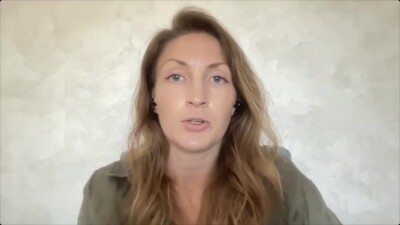
According to the UN Relief and Works Agency for Palestine Refugees in the Near East (UNRWA), the number of displaced people is likely to grow. “Already on the ground, we are seeing families moving, people starting to pack up their belongings and trying to leave this area,” said Louise Wateridge, UNRWA Senior Communications Officer.
The Israeli Defense Forces withdrew ground forces from Khan Younis in April, after months of intense fighting that left much of the city in ruins.
Ms. Wateridge described the latest upheaval as another devastating blow to the families in the Strip, many already displaced and now forced to move to the overcrowded area of al-Mawasi and camp at water’s edge.
Meanwhile, Khan Younis remains “a very highly active military zone. There is no safety to leave,” emphasized Ms. Wateridge, speaking from Gaza to journalists in Geneva. She recalled that UNICEF had reported earlier in the year that Gaza now has around 17,000 unaccompanied or separated children. “What about these children? What decisions are these children making? What about the elderly? What about the sick?” she insisted.
Although the Israeli military has reportedly said that patients and medical staff at Khan Younis’ European Hospital are not subject to an evacuation order, they have self-evacuated to avoid bloodshed and being completely cut-off from ambulance support and supplies, according to the UN World Health Organization (WHO).
The UN health agency also expressed deep concern about the lack of fuel needed to keep all humanitarian operations – including health – running. Since the closure of the Rafah border, which was the main entry point for fuel into Gaza, the health response operations have been significantly compromised, it noted, with no fuel entering the enclave since 27 June.
“To maintain full operations, health alone needs 80,000 litres of fuel a day. The water and sanitation sector alone needs 70,000 litres of fuel a day to operate critical services that remain accessible,” explained Dr Hanan Balkhy, the UN health agency’s regional director for the Eastern Mediterranean. “From 15 to 23 June, the water and sanitation cluster received less than five per cent of the fuel needed each day to keep these services running,” she insisted.
More fighting in the Khan Younis area could further hamper Palestinians’ access to safe water at a time when the lack of sanitation is significantly contributing to the spread of diseases. WHO has registered a “growing number of adults and children suffering from waterborne diseases, such as hepatitis A, diarrheal illnesses, skin conditions, and others”.
Most of Gaza’s population of 2.3 million have fled their homes, with many displaced several times, UN humanitarians report. Israeli restrictions and fighting have hindered the delivery of humanitarian aid, fueling widespread hunger and sparking fears of famine, according to the UN aid coordination office, OCHA.
Israel and Hamas have been at war since Hamas-led terror attacks in multiple locations in southern Israel on 7 October last year, killing some 1,200 people and capturing 253 hostages.
ends
Story: “Gaza: new evacuation orders – UNRWA, WHO” – 02 July 2024
Speakers:
· Louise Wateridge, Senior Communications Officer, UN Relief and Works Agency for Palestine Refugees in the Near East (UNRWA) - speaking from Gaza
· Dr Hanan Balkhy, WHO regional director for the Eastern Mediterranean - speaking from Jerusalem
TRT: 02’07”
SOURCE: UNTV CH
LANGUAGE: ENGLISH
ASPECT RATIO: 16:9
DATELINE: 02 July 2024 - GENEVA, SWITZERLAND
Geneva Press briefing
SHOTLIST
- Exterior medium shot: UN flag alley
- Wide shot of the podium at the press conference room.
- SOUNDBITE (English) Louise Wateridge, UNRWA Senior Communications Officer: “In eastern Khan Younis, there were new evacuation orders, displacement orders issued last night. Already on the ground, we are seeing people moving, families moving, people starting to pack up their belongings and trying to leave this area. UNRWA estimates that around 250,000 people have been impacted by these orders. Of course, as usual, we expect these numbers to grow.”
- Wide shot of press room.
5. SOUNDBITE (English) Louise Wateridge, UNRWA Senior Communications Officer: “It's a very highly active military zone. There is no safety to leave. And as UNICEF reported earlier in the year, 17,000 children are unaccompanied or separated. What about these children ? What decisions are these children making? What about the elderly? What about the sick ? »
- Wide shot of press room.
- SOUNDBITE (English) Dr Hanan Balkhy, WHO regional director for the Eastern Mediterranean: “To maintain full operations, health alone needs 80,000 liters of fuel a day. The water and sanitation sector alone needs another 70,000 liters of fuel a day to operate critical services.”
- Wide shot of press room.
- SOUNDBITE (English) Dr Hanan Balkhy, WHO regional director for the Eastern Mediterranean: “From June 15 to 23rd, the water and sanitation cluster received less than five per cent of the fuel needed each day to keep these services running.”
- Medium shot of press room with journalists taking notes.
- SOUNDBITE (English) Dr Hanan Balkhy, WHO regional director for the Eastern Mediterranean: “(The) lack of safe water and sanitation is significantly contributing to the spread of diseases. There are concerning increases in the number of adults and children suffering from waterborne diseases, such as hepatitis A, diarrheal illnesses, skin conditions, and others.”
- Various close shots of journalists attending the briefing in the press room.
Similar Stories

1
1
1
Edited News | OCHA , UNICEF , WFP
Aid agencies warned on Friday of the fast-developing humanitarian emergency inside Taiz City in Yemen, which has been encircled by de facto Houthi forces fighting government troops along the country’s west coast.

2
17
1
2
Edited News , Press Conferences , Images | OCHA , WMO
Two UN agencies teamed up on Wednesday to issue an appeal for immediate assistance to help communities already being impacted by the strongest El Niño on record.

3
16
2
2
Edited News , B-roll , Conferences , Images | UNITED NATIONS , UNOG
Sixth Consultative Meeting on Enhancing Coordination of Peace Initiatives and Efforts for Sudan

1
1
1
Edited News | UNICEF , WHO , UNHCR
Yemen war continues to force families from homes amid hunger and disease
More than 250,000 people have now fled renewed fighting in Yemen, the UN said on Tuesday, citing particular concern for those sheltering in the southwestern city of Taiz and the wider governorate, where access is “essentially blocked”.

1
1
1
Edited News | UNICEF
A little over one year since a ceasefire agreement was announced between Hamas fighters and Israel, more than 340 children have been reported killed and hundreds more injured, the UN Children’s Fund, UNICEF, said on Friday.

1
1
1
Edited News | UNICEF , IFRC
Six weeks after Nepal’s deadly flooding disaster, communities are still struggling to rebuild their lives, but they will need sustained help as global warming increases the risk of another Himalayan catastrophe, the UN Children’s Fund (UNICEF) said on Friday.

1
1
1
Edited News | WHO
In suspected Russia plague death, testing and monitoring underway – WHO
The death of a lab worker in Russia’s Siberia region has sparked concerns about plague being the cause, the UN World Health Organization (WHO) said on Tuesday, adding that it was following the situation closely.

1
1
Edited News | OHCHR , UNOG
UN Human Rights Chief Volker Türk on Friday provided and oral update to the 63rd session of the Human rights Council on Ukraine.

1
1
1
Edited News | OHCHR , UNOG
UN Human Rights Chief Volker Türk on Friday provided and oral update to the 63rd session of the Human rights Council on the human rights situation in Haiti.

1
1
1
Edited News | WHO
Repeated delays in bringing lifesaving medicines, prosthetics and more from Israel into Gaza risk having devastating consequences on Palestinians who urgently need them in the wartorn enclave, the UN World Health Organization (WHO) said on Friday. “A truck full of non-priority supplies or the right supplies arriving too late, doesn't save lives. That's the question that actually matters," said Dr Reinhilde Van De Weerdt, WHO Representative in the OPT.

1
1
1
Edited News | WHO
DRC: Early access to care and oxygen decisive for Ebola patients’ survival – WHO
In the Democratic Republic of the Congo (DRC), health workers fighting the country’s largest-ever Ebola outbreak are struggling to overcome critical challenges to patient care, the UN World Health Organization (WHO) warned on Tuesday.

1
1
1
Edited News | OCHA , UN
Civilians in Iran are continuing to feel the consequences of months of conflict and military escalation, the UN’s top official in the country has said, as loss of life, damage to civilian infrastructure and mounting economic pressures leave many facing continued uncertainty.