

The United Nations Office at Geneva
Multimedia Newsroom
Gaza fighting spreads into hospitals where there’s ‘no way in and out’
Amid continuing heavy fighting in Gaza on Tuesday morning including reported attacks on hospitals in the southern city of Khan Younis, UN humanitarians expressed deep concern for patients and others seeking treatment who had “no way in and out”.
Speaking in Geneva, Christian Lindmeier, spokesperson for the UN World Health Organization (WHO) confirmed that Al-Khair Hospital was “one of the two hospitals that is now being raided”, while Nasser Hospital was “now basically besieged around the hospital and has no way in and out”.
“I know it must be a horrible scenario on the ground there with people not knowing what the next minutes will bring.”
Desperate health needs
The WHO spokesperson added that only 14 hospitals are still functioning in Gaza - seven in the north and seven in the south - where health needs are overwhelming after more than three months of heavy bombardment by Israeli Defense Forces, triggered by Hamas-led terror attacks in Israel that left some 1,200 dead and approximately 250 taken hostage.
The development follows an alert on X, formerly Twitter, from WHO chief Tedros Adhanom Ghebreyesus on Monday evening about reports of “continuous fighting” near hospitals in Kheir Younis, where violence prevented “newly injured people outside the hospitals from being reached and receiving care”.
The situation is “absolutely unacceptable and not what any health facility anywhere in the world should go through”, Mr. Lindmeier insisted, noting that some 20 hospitals no longer function across Gaza.
Aid convoys held up
Underscoring the dire humanitarian situation in the enclave, the WHO spokesperson described how desperate and hungry Gazans have become, in their search for food. “One of the convoys had mainly fuel for hospitals on it but the people were holding it up as multiple times it was trying to move forward and trying to leave and trying to get onto the road because they were so desperate looking for food.”
Echoing that warning, the UN World Food Programme (WFP) warned that more than half a million people in Gaza continue to face “catastrophic food insecurity levels”.
The risk of famine increases each day as conflict continues to limit the delivery of lifesaving food assistance, said Abeer Etefa, WFP’s Middle East And North Africa Senior Communications Officer and spokesperson.
“It is the largest concentration of people in what looks like famine-like conditions anywhere in the world. And also how fast we got to this point is extremely concerning.”
The WFP spokesperson also noted that children who had been evacuated for treatment on the Egyptian side of the border appeared malnourished, underweight and “extremely thin”.
She added: “If we don't have a more humanitarian pause, a ceasefire, more access to people, we're going to see, you know, these people are starving already and they will be in a very difficult situation.”
ends
TRT: 2 mins 19s
SOURCE: UNTV CH
RESTRICTIONS: NONE
LANGUAGE: ENGLISH
ASPECT RATIO: 16:9
DATELINE: 23 January 2024 - GENEVA, SWITZERLAND
SHOTLIST
- Medium: UN Geneva flag alley.
- Wide: UN Geneva press briefing.
- SOUNDBITE (ENGLISH): Christian Lindmeier, spokesperson, the UN World Health Organization (WHO) (in Geneva): “We now have 14 - and that's important, 14 - partially functioning hospitals: seven in north and seven in the south; and with two minimal functioning ones, Al-Khair Hospital which is one of the two hospitals that is now being raided and we don't have specific updates on the situation, and the Nasser Hospital that is now basically besieged around the hospital and has no way in and out. I know it must be a horrible scenario on the ground there with people not knowing what the next minutes will bring.”
- Wide: UN Geneva press briefing.
- SOUNDBITE (ENGLISH): Abeer Etefa, Middle East And North Africa Senior Communications Officer and spokesperson, the UN World Food Programme (WFP) (in Cairo): “It is the largest concentration of people in what looks like famine-like conditions anywhere in the world. And also how fast we got to this point is extremely concerning.”
- Medium: UN Geneva press briefing.
- SOUNDBITE (ENGLISH): Abeer Etefa, Middle East And North Africa Senior Communications Officer and spokesperson, the UN World Food Programme (WFP) (in Cairo): “We have more than half a million people in Gaza facing catastrophic food insecurity levels and the risk of famine increases each day as the conflict is limiting the delivery of, you know, lifesaving food assistance to people in need.”
- Medium: UN Geneva press briefing.
- SOUNDBITE (ENGLISH): Christian Lindmeier, spokesperson, the UN World Health Organization (WHO) (in Geneva): “One of the convoys had mainly fuel for hospitals on it but the people were holding it up as multiple times it was trying to move forward and trying to leave and trying to get onto the road because they were so desperate looking for food.”
- Close: UN Geneva press briefing.
- SOUNDBITE (ENGLISH): Abeer Etefa, Middle East And North Africa Senior Communications Officer and spokesperson, the UN World Food Programme (WFP) (in Cairo): “Children that are being evacuated to get treatment on the Egyptian side of the border. You know, reports of malnutrition and children who've lost a lot of weight, extremely thin.”
- Wide: UN Geneva press briefing.
- SOUNDBITE (ENGLISH): Abeer Etefa, Middle East And North Africa Senior Communications Officer and spokesperson, the UN World Food Programme (WFP) (in Cairo): “If we don't have a more humanitarian pause, a ceasefire, more access to people, we're going to see, you know, these people are starving already and they will be in a very difficult situation.”
- Medium: UN Geneva press briefing.

Similar Stories

1
1
1
Edited News | UNICEF , WHO , UNHCR
Yemen war continues to force families from homes amid hunger and disease
More than 250,000 people have now fled renewed fighting in Yemen, the UN said on Tuesday, citing particular concern for those sheltering in the southwestern city of Taiz and the wider governorate, where access is “essentially blocked”.

1
1
1
Edited News | UNICEF
A little over one year since a ceasefire agreement was announced between Hamas fighters and Israel, more than 340 children have been reported killed and hundreds more injured, the UN Children’s Fund, UNICEF, said on Friday.

1
1
1
Edited News | UNICEF , IFRC
Six weeks after Nepal’s deadly flooding disaster, communities are still struggling to rebuild their lives, but they will need sustained help as global warming increases the risk of another Himalayan catastrophe, the UN Children’s Fund (UNICEF) said on Friday.

1
1
1
Edited News | WHO
In suspected Russia plague death, testing and monitoring underway – WHO
The death of a lab worker in Russia’s Siberia region has sparked concerns about plague being the cause, the UN World Health Organization (WHO) said on Tuesday, adding that it was following the situation closely.

1
1
Edited News | OHCHR , UNOG
UN Human Rights Chief Volker Türk on Friday provided and oral update to the 63rd session of the Human rights Council on Ukraine.

1
1
1
Edited News | OHCHR , UNOG
UN Human Rights Chief Volker Türk on Friday provided and oral update to the 63rd session of the Human rights Council on the human rights situation in Haiti.

1
1
1
Edited News | WHO
Repeated delays in bringing lifesaving medicines, prosthetics and more from Israel into Gaza risk having devastating consequences on Palestinians who urgently need them in the wartorn enclave, the UN World Health Organization (WHO) said on Friday. “A truck full of non-priority supplies or the right supplies arriving too late, doesn't save lives. That's the question that actually matters," said Dr Reinhilde Van De Weerdt, WHO Representative in the OPT.

1
1
1
Edited News | WHO
DRC: Early access to care and oxygen decisive for Ebola patients’ survival – WHO
In the Democratic Republic of the Congo (DRC), health workers fighting the country’s largest-ever Ebola outbreak are struggling to overcome critical challenges to patient care, the UN World Health Organization (WHO) warned on Tuesday.

1
1
1
Edited News | OCHA , UN
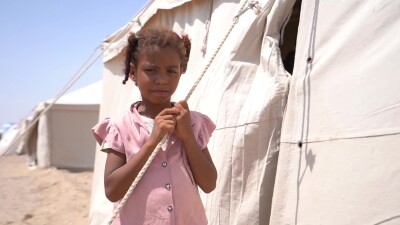
Civilians in Iran are continuing to feel the consequences of months of conflict and military escalation, the UN’s top official in the country has said, as loss of life, damage to civilian infrastructure and mounting economic pressures leave many facing continued uncertainty.
1
1
1
Edited News | WHO , UNICEF
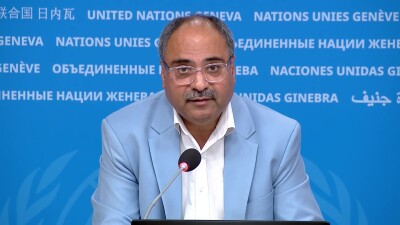
Aid agencies in Yemen highlighted the growing hunger emergency sparked by renewed fighting between Houthi opposition forces and Government troops, after mobile health clinics reported that hundreds of children displaced by the violence are suffering from the most deadly form of malnutrition.
1
1
1
Edited News | UNHCR
Displacement on the rise in Yemen as fighting continues - UNHCR
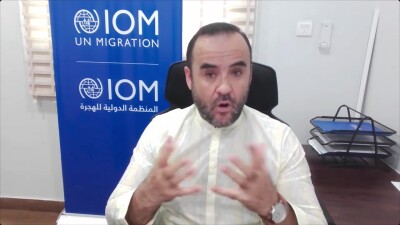
As hostilities worsen in Yemen, more people have been fleeing their homes, further intensifying the humanitarian crisis within the region, the UN Refugee Agency (UNHCR) warned on Tuesday.
1
1
1
Edited News | IOM , OHCHR , UNFPA , UNOG , UNHCR , WHO
Yemen’s humanitarian crisis growing by the hour amid spike in displacement
Yemenis displaced by renewed fighting have described fleeing for their lives amid shelling and gunfire, aid agencies reported on Friday, while highlighting the dramatic increase in humanitarian needs in the country and in Djibouti, where thousands have sought shelter.