

The United Nations Office at Geneva
Multimedia Newsroom
Edited News , Press Conferences | OHCHR , UNOG
Sesión informativa de la ONU sobre derechos humanos de Ajith Sunghay sobre Gaza
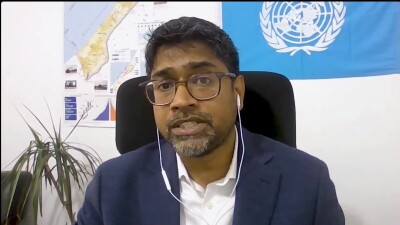
Ajith Sunghay, quien dirige la Oficina de Derechos Humanos de la ONU para el Territorio Palestino Ocupado, habló después de una visita a Gaza la semana pasada. En Khan Younis, se reunió con personas que habían huido de sus hogares para buscar refugio en campamentos improvisados y abarrotados.
“En Rafah, vi a personas desplazadas a las que las autoridades israelíes les habían ordenado abandonar sus hogares, sin ninguna provisión para su alojamiento, literalmente viviendo en la calle, con aguas residuales corriendo por las calles y condiciones de desesperación propicias para un completo colapso del orden,” agregó Sunghay.
“E incluso en medio de todo esto, los organismos de derechos humanos y humanitarios, nuestros contrapartes en Gaza, continúan con su valiente labor, tratando de asegurarse de que las violaciones de derechos humanos sean debidamente documentadas y de que la respuesta humanitaria continúe, incluso mientras sus propias vidas se desmoronan,” dijo.
En los últimos días, ha habido ataques casi continuos, incluidos los dirigidos a instalaciones médicas y escuelas en Khan Younis, instalaciones de la ONU, así como áreas residenciales.
“Las personas a las que hablé temen que la violencia extrema se esté extendiendo a Rafah, lo que tendrá implicaciones catastróficas para los más de 1,3 millones de personas que ya viven hacinadas allí,” advirtió Sunghay.
Los bombardeos por parte de las Fuerzas de Defensa de Israel (FDI) continúan en áreas designadas unilateralmente como zonas “seguras”, incluida Al Mawasi en el oeste de Khan Younis.
“Habiendo sido testigo personalmente y escuchado los testimonios de aquellos que han soportado tanto dolor y sufrimiento, estoy muy, muy preocupado. Temo que muchos más civiles morirán. Los continuos ataques a instalaciones específicamente protegidas, como hospitales, matarán civiles, y habrá un impacto adicional masivo en el acceso a la atención médica, la seguridad y la protección en general de los palestinos,” dijo Sunghay.
La aparente falta de respeto por el derecho internacional debe terminar, subrayó Sunghay. La violencia debe terminar. La ayuda humanitaria debe entregarse sin impedimentos a todos los que la necesitan.
La Oficina de Derechos Humanos de la ONU ha pedido en repetidas ocasiones un alto el fuego inmediato, la liberación de rehenes y la necesidad de una solución política que respete y garantice los derechos de todos los palestinos e israelíes.
En Ginebra:
Ravina Shamdasani - + 41 22 917 9169 / ravina.shamdasani@un.org
Liz Throssell + 41 22 917 9296 / elizabeth.throssell@un.org
Jeremy Laurence - + 41 22 917 9383 / jeremy.laurence@un.org
Etiquete y comparta - Twitter: @UNHumanRights y Facebook: unitednationshumanrights
HISTORIA: Portavoz de Derechos Humanos de la ONU, Ajith Sunghay, sobre la "situación catastrófica" para civiles en Gaza
DURACIÓN: 01:35
FUENTE: OHCHR/UNTV
RESTRICCIONES: NINGUNA
IDIOMA: Inglés/NATS
RELACIÓN DE ASPECTO: 16:9
FECHA: 26 de enero de 2024, GINEBRA, SUIZA
LISTA DE TOMAS
- Toma exterior:
- DECLARACIÓN (Inglés)—Ajith Sunghay, Ajith Sunghay, Jefe de la Oficina de Derechos Humanos de la ONU para el Territorio Palestino Ocupado (OHCHR): “En Rafah, vi a personas desplazadas a las que las autoridades israelíes les ordenaron abandonar sus hogares, sin proporcionarles alojamiento, literalmente viviendo en la calle, con aguas residuales corriendo por las calles y condiciones de desesperación propicias para un completo colapso del orden.”
- Plano secuencia: Sala de prensa
- DECLARACIÓN (Inglés)—Ajith Sunghay, Ajith Sunghay, Jefe de la Oficina de Derechos Humanos de la ONU para el Territorio Palestino Ocupado (OHCHR): “Y aun en medio de todo, los organismos de derechos humanos y humanitarios, nuestros colegas en Gaza, continúan su valiente trabajo, tratando de asegurar que las violaciones de derechos humanos sean debidamente documentadas y que la respuesta humanitaria continúe, incluso mientras sus propias vidas se desmoronan.”
- Plano secuencia: Sala de prensa
- DECLARACIÓN (Inglés)—Ajith Sunghay, Ajith Sunghay, Jefe de la Oficina de Derechos Humanos de la ONU para el Territorio Palestino Ocupado (OHCHR): “Las personas con las que hablé temen que la violencia extrema se esté extendiendo a Rafah, lo que tendrá implicaciones catastróficas para los más de 1.3 millones de personas que ya están abarrotadas allí. ”
- Plano secuencia: Sala de prensa
- DECLARACIÓN (Inglés)—Ajith Sunghay, Ajith Sunghay, Jefe de la Oficina de Derechos Humanos de la ONU para el Territorio Palestino Ocupado (OHCHR): “Habiendo sido testigo personalmente y escuchado los testimonios de aquellos que han soportado tanto dolor y sufrimiento, estoy muy, muy preocupado. Temo que muchos más civiles morirán. Los ataques continuos a instalaciones específicamente protegidas, como hospitales, matarán civiles, y habrá un impacto adicional masivo en el acceso a la atención médica, la seguridad y la protección en general de los palestinos.”
- Plano secuencia: Sala de prensa
Similar Stories
1
1
1
Press Conferences | WMO , UNHCR , WHO , ILO
WMO: Greenhouse Gas Bulletin; UNHCR: As attacks intensify UNHCR urges support for war ravaged Ukrainians; WHO: Clinical trials in DRC: vaccines and beyond; ILO: New global and regional estimates on domestic work, informality and working conditions

1
1
1
Edited News | OCHA , UNICEF , WFP
Aid agencies warned on Friday of the fast-developing humanitarian emergency inside Taiz City in Yemen, which has been encircled by de facto Houthi forces fighting government troops along the country’s west coast.
1
1
1
Press Conferences | UN WOMEN , WFP , WHO
UN WOMEN: Sudan Women and girls one year after the fall of El Fasher; increasing drone attacks across the country; WFP: DRC - Ebola spreads to eighth DRC province as WFP delivers food, builds treatment centres and keeps supplies moving; WHO - Update on Ebola (Bundibugyo Virus Disease)
1
12
1
1
Press Conferences , Images | UNOG
Closing Press Conference following the Sixth Consultative Meeting on Enhancing Coordination of Peace Initiatives and Efforts in Sudan

2
17
1
2
Edited News , Press Conferences , Images | OCHA , WMO
Two UN agencies teamed up on Wednesday to issue an appeal for immediate assistance to help communities already being impacted by the strongest El Niño on record.

3
16
2
2
Edited News , B-roll , Conferences , Images | UNITED NATIONS , UNOG
Sixth Consultative Meeting on Enhancing Coordination of Peace Initiatives and Efforts for Sudan
1
1
1
Press Conferences | CITES
Wildlife trade and conservation policy discussions at the 81st meeting of the CITES Standing Committee (SC81)

1
1
1
Edited News | UNICEF , WHO , UNHCR
Yemen war continues to force families from homes amid hunger and disease
More than 250,000 people have now fled renewed fighting in Yemen, the UN said on Tuesday, citing particular concern for those sheltering in the southwestern city of Taiz and the wider governorate, where access is “essentially blocked”.
1
1
1
Press Conferences | UNHCR , UNCTAD , WMO , OCHA , UNICEF , WHO
UNHCR Hungary’s 1956 Refugee Crisis: 70 Years On, UNCTAD World Investment Forum 2026, Doha, WMO Greenhouse Gas Bulletin and Climate Update for COP31, OCHA Afghanistan: Malnutrition, Girls’ Education and Recovery, UNICEF Yemen: Child Malnutrition and Unsafe Water in Taiz, WHO Inequalities in Noncommunicable Diseases and Risk Factors
1
1
1
Press Conferences | UNHCR
End of UNHCR's 77th Annual Executive Committee (ExCom) meeting week

1
1
1
Edited News | UNICEF
A little over one year since a ceasefire agreement was announced between Hamas fighters and Israel, more than 340 children have been reported killed and hundreds more injured, the UN Children’s Fund, UNICEF, said on Friday.
1
1
1
Press Conferences | UNICEF , IOM , UNHCR
UN Special Assistant to the Personal Envoy Office (SUDAN): Peace Initiatives and Efforts in Sudan; UNICEF: Dire situation of children in Gaza; IOM: Damaged Homes and Energy Attacks Risk Displacing Ukrainians for this winter; UNHCR: update on EXCOM week