

The United Nations Office at Geneva
Multimedia Newsroom
Edited News , Press Conferences | WHO
Ucrania: segundo invierno en guerra y desafíos para el sistema de salud - OMS
Incluso si la guerra terminara ahora, las necesidades de salud de millones de ucranianos serían altas y crecientes: OMS
A medida que la guerra en Ucrania entra en su segundo invierno completo, la agencia de salud de la ONU advirtió que los próximos meses podrían ser brutalmente fríos y largos para los ucranianos vulnerables.
“Vemos la creciente carga de enfermedades, por lo que incluso si la guerra terminara hoy, las necesidades de salud de millones de personas en todo el país serían altas y crecientes,” dijo el Dr. Jarno Habicht de la Organización Mundial de la Salud (OMS) a los periodistas en Ginebra.
En medio de la contraofensiva en curso de Ucrania en respuesta a la invasión rusa a gran escala el 24 de febrero de 2022, la campaña se ha convertido, según se informa, en una de solo ganancias incrementales.
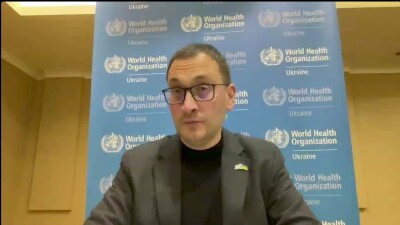
Hablando desde Odessa, el Representante de la OMS en Ucrania destacó el alto nivel de interrupción del sistema de salud.
Más de 2,400 ataques verificados se han llevado a cabo contra instalaciones de salud desde la llamada operación militar especial de Rusia, resultando en muchas bajas civiles, según la OMS.
Esto ha dejado muchas instalaciones de salud solo parcialmente funcionales en el este y sur del país, donde las necesidades son mayores.
Entre ellas, la enfermedad mental afecta a más de 10 millones de personas. “Puede variar desde estrés simple, ansiedad hasta otras necesidades de alto nivel para las cuales es necesario recurrir a la atención primaria y hospitales,” dijo el Dr. Habicht. “Lo que hemos estado haciendo es asegurar que los materiales de capacitación estén disponibles para las personas, como las herramientas de autoayuda (en línea),” explicó el funcionario de la OMS.
Más de 55,000 trabajadores de atención primaria de salud están capacitados para tratar problemas de salud mental, pero las necesidades serán duraderas para muchas generaciones, dijo.
Niños y ancianos están sufriendo particularmente y luchando a medida que llega el invierno y en medio de los combates en curso. Desde el 24 de febrero de 2022, la OMS ha entregado más de 4,000 toneladas métricas de suministros médicos que salvan vidas a Ucrania, incluidos generadores de energía, ambulancias, oxígeno y medicamentos.
Se prevé que la larga lista de requisitos se mantendrá el próximo año al mismo nivel.
La agencia de salud de la ONU y sus socios evalúan que 7.8 millones de personas necesitarán apoyo humanitario en 2024. De este número, la comunidad humanitaria apunta a atender a 3.8 millones de los más vulnerables. “Esto es algo en lo que necesitamos poner todos nuestros esfuerzos para llegar a todos esos civiles,” enfatizó el Dr. Jarno Habicht.
En una nota más positiva, el funcionario de la OMS destacó que el sistema de salud pública de Ucrania continúa funcionando, notablemente en la lucha exitosa contra el brote de polio en 2023.
Ucrania también ha adoptado una nueva ley de salud pública para mejorar la resiliencia, junto con una mayor vigilancia comunitaria de infecciones, asegurando que los especialistas en salud aborden todos los factores de riesgo, incluidas las enfermedades no transmisibles.
La comunidad de salud pública también ve el proceso de adhesión a la Unión Europea como una oportunidad para transformar aún más la infraestructura de atención de Ucrania, insistió el Dr. Habicht. “Tenemos una vigilancia de enfermedades más armonizada junto con los Estados miembros de la UE, y eso es muy importante para la salud pública y también para el intercambio de información.”
La adhesión a la UE también armonizaría la educación médica para enfermeras y médicos, así como los estándares para la sanidad del agua, continuó el funcionario de la OMS. Sin embargo, estos cambios tomarán tiempo ya que la UE solo acordó el 14 de diciembre avanzar con las conversaciones de membresía.
Fin
Orador: Dr. Jarno Habicht, Representante de la OMS en Ucrania, hablando desde Odesa, Ucrania.
DURACIÓN: 01'49"
FUENTE: UNTV CH
IDIOMA: INGLÉS
RELACIÓN DE ASPECTO: 16:9
FECHA: 19 de diciembre de 2023 - GINEBRA, SUIZA
Rueda de prensa de la OMS en Ginebra en la ONU
LISTA DE TOMAS
- Plano general: pasillo de la bandera de la ONU en Ginebra.
- Corte: plano general, sala de prensa de la ONU en Ginebra.
- DECLARACIÓN (INGLÉS) del Dr. Jarno Habicht, Representante de la OMS en Ucrania: "Vemos un aumento de la carga de enfermedades. Por lo tanto, incluso si la guerra terminara hoy, las necesidades de salud de millones de personas en toda Ucrania serían altas y crecientes".
- Corte: plano general, sala de prensa de la ONU en Ginebra.
- DECLARACIÓN (INGLÉS) del Dr. Jarno Habicht, Representante de la OMS en Ucrania: "Tenemos más de 10 millones de personas con necesidades de salud mental. Puede variar desde simple estrés y ansiedad hasta otras necesidades de alto nivel que requieren atención primaria y hospitales. Lo que hemos estado haciendo es asegurarnos de que los materiales de capacitación estén disponibles para personas, como las herramientas de autoayuda plus".
- Corte: primer plano de un periodista, ONU Ginebra.
- DECLARACIÓN (INGLÉS) del Dr. Jarno Habicht, Representante de la OMS en Ucrania: "Hemos evaluado que las necesidades de las personas el próximo año, en 2024, ascienden a 7,8 millones de personas. Y nosotros, como comunidad humanitaria que trabaja en salud y con coordinación de la OMS, estamos apuntando a 3,8 millones de personas. Y esto es algo en lo que debemos poner todos nuestros esfuerzos para llegar a todos esos civiles, muchos de los cuales son ancianos y niños".
- Corte: plano general, sala de prensa con periodistas, ONU Ginebra.
- DECLARACIÓN (INGLÉS) del Dr. Jarno Habicht, Representante de la OMS en Ucrania: "Hemos logrado una vigilancia armonizada de enfermedades en conjunto con los Estados miembros de la UE, y eso es muy importante para la salud pública y el intercambio de información".
- Varios planos de la sala de conferencias de prensa, ONU Ginebra.
Similar Stories
1
1
1
Press Conferences | WMO , UNHCR , WHO , ILO
WMO: Greenhouse Gas Bulletin; UNHCR: As attacks intensify UNHCR urges support for war ravaged Ukrainians; WHO: Clinical trials in DRC: vaccines and beyond; ILO: New global and regional estimates on domestic work, informality and working conditions

1
1
1
Edited News | OCHA , UNICEF , WFP
Aid agencies warned on Friday of the fast-developing humanitarian emergency inside Taiz City in Yemen, which has been encircled by de facto Houthi forces fighting government troops along the country’s west coast.
1
1
1
Press Conferences | UN WOMEN , WFP , WHO
UN WOMEN: Sudan Women and girls one year after the fall of El Fasher; increasing drone attacks across the country; WFP: DRC - Ebola spreads to eighth DRC province as WFP delivers food, builds treatment centres and keeps supplies moving; WHO - Update on Ebola (Bundibugyo Virus Disease)
1
12
1
1
Press Conferences , Images | UNOG
Closing Press Conference following the Sixth Consultative Meeting on Enhancing Coordination of Peace Initiatives and Efforts in Sudan

2
17
1
2
Edited News , Press Conferences , Images | OCHA , WMO
Two UN agencies teamed up on Wednesday to issue an appeal for immediate assistance to help communities already being impacted by the strongest El Niño on record.

3
16
2
2
Edited News , B-roll , Conferences , Images | UNITED NATIONS , UNOG
Sixth Consultative Meeting on Enhancing Coordination of Peace Initiatives and Efforts for Sudan
1
1
1
Press Conferences | CITES
Wildlife trade and conservation policy discussions at the 81st meeting of the CITES Standing Committee (SC81)

1
1
1
Edited News | UNICEF , WHO , UNHCR
Yemen war continues to force families from homes amid hunger and disease
More than 250,000 people have now fled renewed fighting in Yemen, the UN said on Tuesday, citing particular concern for those sheltering in the southwestern city of Taiz and the wider governorate, where access is “essentially blocked”.
1
1
1
Press Conferences | UNHCR , UNCTAD , WMO , OCHA , UNICEF , WHO
UNHCR Hungary’s 1956 Refugee Crisis: 70 Years On, UNCTAD World Investment Forum 2026, Doha, WMO Greenhouse Gas Bulletin and Climate Update for COP31, OCHA Afghanistan: Malnutrition, Girls’ Education and Recovery, UNICEF Yemen: Child Malnutrition and Unsafe Water in Taiz, WHO Inequalities in Noncommunicable Diseases and Risk Factors

1
1
1
Press Conferences | UNHCR
End of UNHCR's 77th Annual Executive Committee (ExCom) meeting week

1
1
1
Edited News | UNICEF
A little over one year since a ceasefire agreement was announced between Hamas fighters and Israel, more than 340 children have been reported killed and hundreds more injured, the UN Children’s Fund, UNICEF, said on Friday.

1
1
1
Press Conferences | UNICEF , IOM , UNHCR
UN Special Assistant to the Personal Envoy Office (SUDAN): Peace Initiatives and Efforts in Sudan; UNICEF: Dire situation of children in Gaza; IOM: Damaged Homes and Energy Attacks Risk Displacing Ukrainians for this winter; UNHCR: update on EXCOM week