

The United Nations Office at Geneva
Multimedia Newsroom
Edited News | WHO
Protección del espacio humanitario en Gaza OMS 12 de diciembre de 2023
Los hospitales de Gaza en un estado de "caos total y zona de desastre humanitario" - OMS
La Organización Mundial de la Salud (OMS) de la ONU reiteró el martes sus llamados a la protección de la atención médica y la asistencia humanitaria en Gaza, tras los retrasos en los puntos de control militares y la detención de socios de salud durante una misión para transferir pacientes críticamente enfermos del norte al sur y entregar suministros médicos.
Informando a los periodistas desde Gaza, el Dr. Richard Peeperkorn, representante de la OMS en el Territorio Palestino Ocupado, dijo que "el espacio para que los actores humanitarios proporcionen ayuda dentro de Gaza es increíblemente complejo y parece estar reduciéndose. Es muy difícil para nosotros mover suministros, pacientes y personal de manera segura y rápida, y las necesidades son enormes para aliviar esta catastrófica situación humanitaria que solo está creciendo".
La Franja de Gaza se ha transformado en 66 días de combates, de un "sistema de salud razonablemente funcional" que producía indicadores de salud "a la par con los países vecinos" a una situación en la que más de dos tercios de sus 36 hospitales y más del 70 por ciento de las instalaciones de atención primaria de salud están fuera de servicio, según la OMS.
El Dr. Peeperkorn dijo a los medios que el 9 de diciembre, durante una misión de alto riesgo para evacuar pacientes del Hospital Al-Ahli en la Ciudad de Gaza al Complejo Médico Nasser en el sur de Gaza, "en el camino hacia el norte, el convoy de la ONU fue inspeccionado en el punto de control de Wadi Gaza y los miembros de la tripulación tuvieron que salir de los vehículos para su identificación, exponiéndolos al riesgo". Añadió que "dos de los miembros del personal de la PRCS (Sociedad de la Media Luna Roja Palestina) fueron detenidos durante más de una hora, y tuvimos que esperar allí, lo que retrasó aún más la misión. Vimos que uno de los miembros del personal fue obligado a arrodillarse a punta de pistola y llevado fuera de la vista. Finalmente, regresó y pudimos continuar también".
El representante de la OMS declaró que en el camino de regreso, con los 19 pacientes críticos del Hospital Al-Ahli a bordo, el convoy fue nuevamente detenido en el punto de control de Wadi Gaza. El personal de la PRCS (Sociedad de la Media Luna Roja Palestina) y la mayoría de los pacientes tuvieron que salir de las ambulancias para controles de seguridad, y "los pacientes críticos que permanecieron en la ambulancia fueron todos registrados por soldados armados".
El personal de la OMS describió el Hospital Al-Ahli como extremadamente abarrotado, con muchas personas desplazadas refugiándose allí, y más de 200 pacientes, mientras que solo tiene recursos suficientes para apoyar 40 camas. El edificio ha sufrido daños sustanciales debido a las hostilidades.
"Vimos muchos pacientes traumatizados en carros de burros, en carros de caballos, etcétera, personas muertas desafortunadamente, personas gravemente heridas a pie, vehículos personales por todas partes, cada habitación en Al-Ahli, no solo cada sala sino cada pasillo en el patio, afuera, en la biblioteca, incluso en la capilla, está lleno de pacientes", dijo el Dr. Peeperkorn. "Solo podemos describirlo como una especie de caos total y una zona de desastre humanitario".
Frente a un gran número de pacientes traumatizados dentro del hospital y fuera en la calle, "los médicos realmente se ven obligados a priorizar quién recibe atención, quién no, y están tratando muchos de los casos graves en realidad de inmediato en la esquina de los pasillos o en el suelo o incluso en la capilla", dijo el Dr. Peeperkorn. "Desafortunadamente, no hay un cirujano vascular, por lo que los especialistas médicos se ven obligados a hacer algo como amputaciones de extremidades como último recurso para salvar vidas".
Mientras tanto, el portavoz de la OMS, Christian Lindmeier, dijo a los periodistas en Ginebra que, según el Ministerio de Salud en Gaza, el Hospital Kamal Adwan - también en el norte - "está siendo evacuado a la fuerza. Actualmente hay 68 pacientes dentro del hospital, 18 pacientes en la unidad de cuidados intensivos, incluidos seis neonatos".
Cerca de 50,000 personas han resultado heridas en Gaza desde el 7 de octubre y alrededor de 8,000 de ellas requieren "intervención médica urgente e inmediata", dijo la OMS.
La OMS dijo que con sus socios sigue firmemente comprometida a permanecer en Gaza y asistir a la población. Pero a medida que las hostilidades continúan aumentando en toda la Franja y la ayuda no alcanza las necesidades, el sistema de apoyo humanitario está al borde del colapso.
La agencia de salud de la ONU reiteró que la obstrucción de ambulancias y los ataques a trabajadores humanitarios y de salud son inconcebibles, insistiendo en que la atención médica está protegida por el derecho internacional y debe ser respetada en todas las circunstancias.
-fin-
HISTORIA: Protección del espacio humanitario en Gaza - OMS
DURACIÓN: 3:14”
FUENTE: UNTV CH
IDIOMA: INGLÉS
RELACIÓN DE ASPECTO: 16:9
FECHA Y LUGAR: 12 de diciembre de 2023 - GINEBRA, SUIZA
LISTA DE TOMAS
- Toma amplia exterior: Edificio de la ONU con la bandera de la ONU, Ginebra.
- DECLARACIONES (EN INGLÉS) – Dr. Richard Peeperkorn, Representante de la OMS en el territorio palestino ocupado (TPO): “El espacio para los actores humanitarios para brindar ayuda en Gaza es increíblemente complejo y parece estar disminuyendo, siendo muy difícil para nosotros mover suministros, pacientes y personal de manera segura y rápida. Las necesidades son enormes para aliviar esta situación humanitaria catastrófica que no hace más que crecer.”
- Plano medio: Bandera de la ONU frente al edificio de la ONU
- DECLARACIONES (EN INGLÉS) – Dr. Richard Peeperkorn, Representante de la OMS en el territorio palestino ocupado (TPO): “En el camino hacia el norte, se esperaba que el convoy de la ONU pasara por los puntos de control de Wadi Gaza y las ambulancias y el personal tuvieron que abandonar los vehículos para su identificación, exponiéndolos a riesgos. Dos miembros del personal de la Media Luna Roja de Palestina (PRCS) fueron detenidos por más de una hora, lo que retrasó aún más la misión. Presenciamos cómo uno de los miembros del personal fue obligado a arrodillarse a punta de pistola y llevado fuera de la vista. Finalmente, regresó y pudimos continuar con la misión.”
- Plano medio: Entrada de la ONU en la Plaza de las Naciones
- DECLARACIONES (EN INGLÉS) – Dr. Richard Peeperkorn, Representante de la OMS en el territorio palestino ocupado (TPO): “En el camino hacia el sur, y esto es mucho más grave, nuevamente con los pacientes del hospital Al-Ahli, el convoy fue detenido en el punto de control de Wadi Gaza. La Media Luna Roja de Palestina (PRCS) y la mayoría de los pacientes tuvieron que abandonar las ambulancias para controles de seguridad, y los pacientes críticos que permanecieron en la ambulancia fueron registrados por soldados armados.”
- Toma amplia: Parque Ariana con el mar al fondo
- DECLARACIONES (EN INGLÉS) – Christian Lindmeier, Portavoz de la OMS: “El Ministerio de Salud acaba de informar que el hospital está siendo evacuado por la fuerza. Actualmente hay 68 pacientes dentro del hospital, 18 en la unidad de cuidados intensivos, incluidos seis neonatos.”
- Toma amplia: Exterior de la ONU en Ginebra
- DECLARACIONES (EN INGLÉS) – Dr. Richard Peeperkorn, Representante de la OMS en el territorio palestino ocupado (TPO): “Vimos muchos pacientes traumatizados en carros de burros, en carros de caballos, etc. personas fallecidas desafortunadamente, personas gravemente heridas a pie, vehículos personales por todas partes, cada habitación en Al-Ahli, no solo cada sala sino cada pasillo en el patio, afuera, en la biblioteca, incluso en la capilla, está llena de pacientes. Solo podemos describirlo como un caos total y una zona de desastre humanitario.”
- Toma amplia: Parque Ariana dentro de las instalaciones de la ONU en Ginebra
- DECLARACIONES (EN INGLÉS) – Dr. Richard Peeperkorn, Representante de la OMS en el territorio palestino ocupado (TPO): “Los médicos se ven obligados a priorizar quién recibe atención, quién no, y están atendiendo muchos de los casos graves directamente en la esquina de los pasillos o en el suelo, e incluso en la capilla. Como dije, lamentablemente, hay escasez de personal. Desafortunadamente, no hay cirujano vascular, por lo que los especialistas médicos se ven obligados a realizar amputaciones de extremidades como último recurso para salvar vidas.”
- Toma amplia: Exterior de la ONU en Ginebra
Similar Stories
1
1
1
Edited News | OCHA , UNICEF , WFP
Aid agencies warned on Friday of the fast-developing humanitarian emergency inside Taiz City in Yemen, which has been encircled by de facto Houthi forces fighting government troops along the country’s west coast.

2
17
1
2
Edited News , Press Conferences , Images | OCHA , WMO
Two UN agencies teamed up on Wednesday to issue an appeal for immediate assistance to help communities already being impacted by the strongest El Niño on record.
3
16
2
2
Edited News , B-roll , Conferences , Images | UNITED NATIONS , UNOG
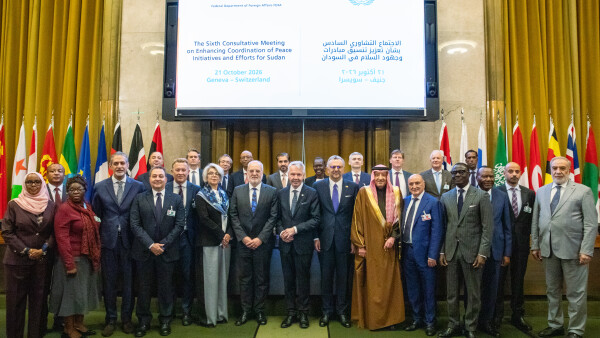
Sixth Consultative Meeting on Enhancing Coordination of Peace Initiatives and Efforts for Sudan

1
1
1
Edited News | UNICEF , WHO , UNHCR
Yemen war continues to force families from homes amid hunger and disease
More than 250,000 people have now fled renewed fighting in Yemen, the UN said on Tuesday, citing particular concern for those sheltering in the southwestern city of Taiz and the wider governorate, where access is “essentially blocked”.

1
1
1
Edited News | UNICEF
A little over one year since a ceasefire agreement was announced between Hamas fighters and Israel, more than 340 children have been reported killed and hundreds more injured, the UN Children’s Fund, UNICEF, said on Friday.

1
1
1
Edited News | UNICEF , IFRC
Six weeks after Nepal’s deadly flooding disaster, communities are still struggling to rebuild their lives, but they will need sustained help as global warming increases the risk of another Himalayan catastrophe, the UN Children’s Fund (UNICEF) said on Friday.

1
1
1
Edited News | WHO
In suspected Russia plague death, testing and monitoring underway – WHO
The death of a lab worker in Russia’s Siberia region has sparked concerns about plague being the cause, the UN World Health Organization (WHO) said on Tuesday, adding that it was following the situation closely.

1
1
Edited News | OHCHR , UNOG
UN Human Rights Chief Volker Türk on Friday provided and oral update to the 63rd session of the Human rights Council on Ukraine.

1
1
1
Edited News | OHCHR , UNOG
UN Human Rights Chief Volker Türk on Friday provided and oral update to the 63rd session of the Human rights Council on the human rights situation in Haiti.

1
1
1
Edited News | WHO
Repeated delays in bringing lifesaving medicines, prosthetics and more from Israel into Gaza risk having devastating consequences on Palestinians who urgently need them in the wartorn enclave, the UN World Health Organization (WHO) said on Friday. “A truck full of non-priority supplies or the right supplies arriving too late, doesn't save lives. That's the question that actually matters," said Dr Reinhilde Van De Weerdt, WHO Representative in the OPT.

1
1
1
Edited News | WHO
DRC: Early access to care and oxygen decisive for Ebola patients’ survival – WHO
In the Democratic Republic of the Congo (DRC), health workers fighting the country’s largest-ever Ebola outbreak are struggling to overcome critical challenges to patient care, the UN World Health Organization (WHO) warned on Tuesday.

1
1
1
Edited News | OCHA , UN
Civilians in Iran are continuing to feel the consequences of months of conflict and military escalation, the UN’s top official in the country has said, as loss of life, damage to civilian infrastructure and mounting economic pressures leave many facing continued uncertainty.