

The United Nations Office at Geneva
Multimedia Newsroom
Edited News | WHO
Protection de l'espace humanitaire à Gaza OMS 12 décembre 2023
Les hôpitaux de Gaza dans un état de “chaos total et de zone de catastrophe humanitaire” - OMS
L'Organisation mondiale de la santé (OMS) des Nations Unies a réitéré mardi ses appels à la protection des soins de santé et de l'aide humanitaire à Gaza, suite aux retards aux points de contrôle militaires et à la détention de partenaires de santé lors d'une mission de transfert de patients gravement malades du nord au sud et de livraison de fournitures médicales.
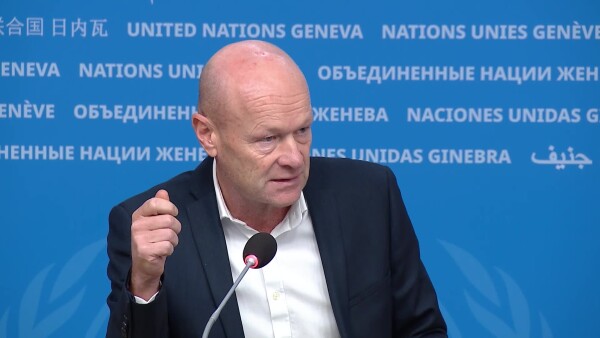
Lors d'un point de presse depuis Gaza, le Dr Richard Peeperkorn, représentant de l'OMS dans le Territoire palestinien occupé, a déclaré que “l'espace pour les acteurs humanitaires pour fournir de l'aide à Gaza est incroyablement complexe et semble se rétrécir. Il est très difficile pour nous de déplacer en toute sécurité et rapidement des fournitures, des patients et du personnel, et les besoins sont énormes pour alléger cette situation humanitaire catastrophique qui ne fait que croître.”
La bande de Gaza a été transformée en 66 jours de combats, passant d'un “système de santé raisonnablement fonctionnel” produisant des indicateurs de santé “au même niveau que les pays voisins” à une situation où plus des deux tiers de ses 36 hôpitaux et plus de 70 pour cent des établissements de soins de santé primaires sont hors service, selon l'OMS.
Le Dr Peeperkorn a déclaré aux médias que le 9 décembre, lors d'une mission à haut risque pour évacuer des patients de l'hôpital Al-Ahli à Gaza City vers le complexe médical Nasser dans le sud de Gaza, “sur le chemin du nord, le convoi de l'ONU a été inspecté au point de contrôle de Wadi Gaza et les membres de l'équipage ont dû quitter les véhicules pour identification, les exposant à des risques.” Il a ajouté que “deux membres du personnel du PRCS (Croissant-Rouge palestinien) ont été détenus pendant plus d'une heure, et nous avons dû attendre là-bas, ce qui a encore retardé la mission. Nous avons vu qu'un des membres du personnel a été forcé de s'agenouiller sous la menace d'une arme et emmené hors de vue. Finalement, il est revenu et nous avons pu continuer.”
Le représentant de l'OMS a déclaré que sur le chemin du retour, avec les 19 patients critiques de l'hôpital Al-Ahli à bord, le convoi a de nouveau été arrêté au point de contrôle de Wadi Gaza. Le personnel du PRCS (Croissant-Rouge palestinien) et la plupart des patients ont dû quitter les ambulances pour des contrôles de sécurité, et "les patients critiques restant dans l'ambulance ont tous été fouillés par des soldats armés".
Le personnel de l'OMS a décrit l'hôpital Al-Ahli comme extrêmement surpeuplé, avec de nombreuses personnes déplacées s'y abritant, et plus de 200 patients, alors qu'il n'a que suffisamment de ressources pour soutenir 40 lits. Le bâtiment a subi des dommages substantiels en raison des hostilités.
“Nous avons vu de nombreux patients traumatisés sur des charrettes à âne, sur des charrettes à cheval, etc., des personnes décédées malheureusement, des personnes gravement blessées à pied, des véhicules personnels partout, chaque pièce de l'hôpital Al-Ahli, non seulement chaque service mais chaque couloir dans la cour, à l'extérieur, dans la bibliothèque, même la chapelle, est pleine de patients,” a déclaré le Dr Peeperkorn. “Nous ne pouvons que le décrire comme une sorte de chaos total et de zone de catastrophe humanitaire.”
Face à un grand nombre de patients traumatisés à l'intérieur de l'hôpital et à l'extérieur dans la rue, “les médecins sont vraiment forcés de prioriser qui reçoit des soins, qui n'en reçoit pas, et ils traitent de nombreux cas graves directement dans un coin des couloirs ou sur le sol ou même dans la chapelle,” a déclaré le Dr Peeperkorn. “Malheureusement, il n'y a pas de chirurgien vasculaire, c'est pourquoi les spécialistes médicaux sont forcés de faire des amputations de membres en dernier recours pour sauver des vies.”
Pendant ce temps, le porte-parole de l'OMS, Christian Lindmeier, a déclaré aux journalistes à Genève que selon le ministère de la Santé de Gaza, l'hôpital Kamal Adwan – également dans le nord – “est en cours d'évacuation forcée. Il y a actuellement 68 patients à l'intérieur de l'hôpital, 18 patients en unité de soins intensifs, dont six nouveau-nés.”
Près de 50 000 personnes ont été blessées à Gaza depuis le 7 octobre et environ 8 000 d'entre elles nécessitent “une intervention médicale urgente et immédiate”, a déclaré l'OMS.
L'OMS a déclaré qu'avec ses partenaires, elle reste fermement engagée à rester à Gaza et à aider la population. Mais alors que les hostilités continuent d'augmenter à travers la bande et que l'aide est insuffisante par rapport aux besoins, le système de soutien humanitaire est au bord de l'effondrement.
L'agence de santé de l'ONU a réitéré que l'obstruction des ambulances et les attaques contre les travailleurs humanitaires et de santé sont inconcevables, insistant sur le fait que les soins de santé sont protégés par le droit international et doivent être respectés en toutes circonstances.
-fin-
HISTOIRE : Protection de l'espace humanitaire à Gaza - WHO
DURÉE : 3:14”
SOURCE : UNTV CH
LANGUE : ANGLAIS
FORMAT D'IMAGE : 16:9
LIEU : 12 décembre 2023 - GENÈVE, SUISSE
LISTE DES PLANS
- Plan large extérieur : bâtiment de l'ONU avec drapeau de l'ONU, Genève.
- SON (ANGLAIS) - Dr. Richard Peeperkorn, Représentant de l'OMS dans le territoire palestinien occupé (TPO) : « L'espace pour les acteurs humanitaires pour fournir de l'aide à Gaza est incroyablement complexe et semble se rétrécir, ce qui rend très difficile pour nous de déplacer rapidement et en toute sécurité les fournitures, les patients et le personnel. Les besoins sont énormes pour soulager cette situation humanitaire catastrophique qui ne cesse de s'aggraver.»
- Plan de coupe : Plan moyen, drapeau de l'ONU devant le bâtiment de l'ONU
- SON (ANGLAIS) - Dr. Richard Peeperkorn, Représentant de l'OMS dans le territoire palestinien occupé (TPO) : « Sur le chemin vers le nord, le convoi de l'ONU était attendu au poste de contrôle de Wadi Gaza et les ambulances et les membres de l'équipage ont dû quitter les véhicules pour être identifiés, les exposant à des risques. Deux membres du CRP (Société du Croissant-Rouge de Palestine) ont été détenus pendant plus d'une heure, et nous avons dû attendre là-bas, ce qui a encore retardé la mission. Nous avons été témoins du fait qu'un membre du personnel a été contraint de s'agenouiller sous la menace d'une arme et emmené hors de notre champ de vision. Finalement, il est revenu et nous avons pu reprendre notre route.»
- Plan de coupe : Plan moyen, entrée de l'ONU à la Place des Nations
- SON (ANGLAIS) - Dr. Richard Peeperkorn, Représentant de l'OMS dans le territoire palestinien occupé (TPO) : « Sur le chemin vers le sud, et c'est beaucoup plus sérieux, une fois de plus avec les patients de l'hôpital Al-Ahli, le convoi a de nouveau été arrêté au poste de contrôle de Wadi Gaza. Le CRP et la plupart des patients ont dû quitter les ambulances pour des contrôles de sécurité, et les patients critiques restés dans l'ambulance ont tous été fouillés par des soldats armés.»
- Plan de coupe : Plan large, parc Ariana avec la mer en arrière-plan
- SON (ANGLAIS) - Christian Lindmeier, porte-parole de l'OMS : « Le ministère de la Santé signale à l'instant que l'hôpital est évacué de force. Il y a actuellement 68 patients à l'intérieur de l'hôpital, dont 18 en unité de soins intensifs, y compris six nouveau-nés.»
- Plan de coupe : Plan large, extérieur de l'ONU à Genève
- SON (ANGLAIS) - Dr Richard Peeperkorn, Représentant de l'OMS dans le territoire palestinien occupé (TPO) : « Nous avons vu de nombreux patients traumatisés sur des charrettes tirées par des ânes, sur des chariots tirés par des chevaux, etc. Malheureusement, des personnes décédées, des blessés graves à pied, des véhicules personnels partout, chaque pièce à Al-Ahli, non seulement chaque service mais chaque couloir dans la cour, à l'extérieur, dans la bibliothèque, même dans la chapelle, est remplie de patients. Nous ne pouvons que décrire cela comme un chaos total et une zone de catastrophe humanitaire.»
- Plan de coupe : Plan large, parc Ariana dans l'enceinte de l'ONU à Genève
- SON (ANGLAIS) - Dr Richard Peeperkorn, Représentant de l'OMS dans le territoire palestinien occupé (TPO) : « Les médecins sont vraiment contraints de prioriser qui reçoit des soins, qui n'en reçoit pas, et ils traitent bon nombre des cas graves immédiatement dans un coin des couloirs, sur le sol ou même dans la chapelle. Comme je l'ai dit, ils sont gravement sous-effectif. Malheureusement, il n'y a pas de chirurgien vasculaire, c'est pourquoi les spécialistes médicaux sont contraints de pratiquer des amputations de membres en dernier recours pour sauver des vies.»
- Plan de coupe : Plan large, extérieur de l'ONU à Genève

Similar Stories
1
1
1
Edited News | OCHA , UNICEF , WFP
Aid agencies warned on Friday of the fast-developing humanitarian emergency inside Taiz City in Yemen, which has been encircled by de facto Houthi forces fighting government troops along the country’s west coast.

2
17
1
2
Edited News , Press Conferences , Images | OCHA , WMO
Two UN agencies teamed up on Wednesday to issue an appeal for immediate assistance to help communities already being impacted by the strongest El Niño on record.

3
16
2
2
Edited News , B-roll , Conferences , Images | UNITED NATIONS , UNOG
Sixth Consultative Meeting on Enhancing Coordination of Peace Initiatives and Efforts for Sudan

1
1
1
Edited News | UNICEF , WHO , UNHCR
Yemen war continues to force families from homes amid hunger and disease
More than 250,000 people have now fled renewed fighting in Yemen, the UN said on Tuesday, citing particular concern for those sheltering in the southwestern city of Taiz and the wider governorate, where access is “essentially blocked”.

1
1
1
Edited News | UNICEF
A little over one year since a ceasefire agreement was announced between Hamas fighters and Israel, more than 340 children have been reported killed and hundreds more injured, the UN Children’s Fund, UNICEF, said on Friday.

1
1
1
Edited News | UNICEF , IFRC
Six weeks after Nepal’s deadly flooding disaster, communities are still struggling to rebuild their lives, but they will need sustained help as global warming increases the risk of another Himalayan catastrophe, the UN Children’s Fund (UNICEF) said on Friday.

1
1
1
Edited News | WHO
In suspected Russia plague death, testing and monitoring underway – WHO
The death of a lab worker in Russia’s Siberia region has sparked concerns about plague being the cause, the UN World Health Organization (WHO) said on Tuesday, adding that it was following the situation closely.

1
1
Edited News | OHCHR , UNOG
UN Human Rights Chief Volker Türk on Friday provided and oral update to the 63rd session of the Human rights Council on Ukraine.

1
1
1
Edited News | OHCHR , UNOG
UN Human Rights Chief Volker Türk on Friday provided and oral update to the 63rd session of the Human rights Council on the human rights situation in Haiti.

1
1
1
Edited News | WHO
Repeated delays in bringing lifesaving medicines, prosthetics and more from Israel into Gaza risk having devastating consequences on Palestinians who urgently need them in the wartorn enclave, the UN World Health Organization (WHO) said on Friday. “A truck full of non-priority supplies or the right supplies arriving too late, doesn't save lives. That's the question that actually matters," said Dr Reinhilde Van De Weerdt, WHO Representative in the OPT.

1
1
1
Edited News | WHO
DRC: Early access to care and oxygen decisive for Ebola patients’ survival – WHO
In the Democratic Republic of the Congo (DRC), health workers fighting the country’s largest-ever Ebola outbreak are struggling to overcome critical challenges to patient care, the UN World Health Organization (WHO) warned on Tuesday.

1
1
1
Edited News | OCHA , UN
Civilians in Iran are continuing to feel the consequences of months of conflict and military escalation, the UN’s top official in the country has said, as loss of life, damage to civilian infrastructure and mounting economic pressures leave many facing continued uncertainty.