

The United Nations Office at Geneva
Multimedia Newsroom
Edited News | WHO
غزة: حماية الفضاء الإنساني | منظمة الصحة العالمية 12 ديسمبر 2023
المستشفيات في غزة في حالة "فوضى تامة ومنطقة كارثة إنسانية" - منظمة الصحة العالمية
جددت منظمة الصحة العالمية التابعة للأمم المتحدة (WHO) يوم الثلاثاء دعواتها لحماية الرعاية الصحية والمساعدات الإنسانية في غزة، بعد تأخير نقاط التفتيش العسكرية واحتجاز شركاء الصحة خلال مهمة لنقل المرضى الذين يعانون من حالات حرجة من الشمال إلى الجنوب وتقديم الإمدادات الصحية.
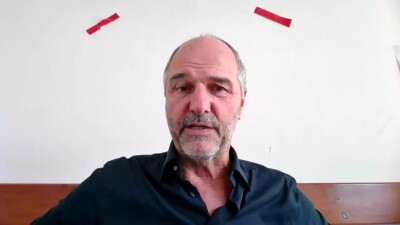
في إفادة للصحفيين من غزة، قال الدكتور ريتشارد بيبركورن، ممثل منظمة الصحة العالمية في الأراضي الفلسطينية المحتلة، إن "المجال أمام الجهات الإنسانية لتقديم المساعدة داخل غزة معقد للغاية ويبدو أنه يتقلص. من الصعب جدًا علينا نقل الإمدادات والمرضى والموظفين بأمان وسرعة، والاحتياجات هائلة لتخفيف هذه الحالة الإنسانية الكارثية التي تتزايد فقط."
تحولت قطاع غزة خلال 66 يومًا من القتال، من "نظام صحي يعمل بشكل معقول" ينتج مؤشرات صحية "على قدم المساواة مع الدول المجاورة" إلى وضع حيث أكثر من ثلثي مستشفياته الـ36 وأكثر من 70 في المائة من مرافق الرعاية الصحية الأولية خارج الخدمة، وفقًا لمنظمة الصحة العالمية.
أخبر الدكتور بيبركورن وسائل الإعلام أنه في 9 ديسمبر خلال مهمة عالية الخطورة لإجلاء المرضى من مستشفى الأهلي في مدينة غزة إلى مجمع ناصر الطبي في جنوب غزة، "في الطريق شمالًا، تم تفتيش قافلة الأمم المتحدة عند نقطة تفتيش وادي غزة واضطر أفراد الطاقم إلى مغادرة المركبات للتعرف عليهم، مما عرضهم للخطر." وأضاف أن "اثنين من موظفي جمعية الهلال الأحمر الفلسطيني (PRCS) تم احتجازهما لأكثر من ساعة، وكان علينا الانتظار هناك، مما أدى إلى تأخير المهمة بشكل أكبر. شهدنا أن أحد الموظفين أجبر على الركوع تحت تهديد السلاح وأخذ بعيدًا عن الأنظار. أخيرًا، عاد وتمكنا من التحرك أيضًا."
أوضح ممثل منظمة الصحة العالمية أنه في طريق العودة، مع 19 مريضًا حرجًا من مستشفى الأهلي على متن القافلة، تم إيقاف القافلة مرة أخرى عند نقطة تفتيش وادي غزة. اضطر موظفو جمعية الهلال الأحمر الفلسطيني (PRCS) ومعظم المرضى إلى مغادرة سيارات الإسعاف لإجراء فحوصات أمنية، وتم "تفتيش المرضى الحرجين الذين بقوا في سيارة الإسعاف من قبل جنود مسلحين".
وصف موظفو منظمة الصحة العالمية مستشفى الأهلي بأنه مكتظ للغاية، مع العديد من الأشخاص النازحين الذين يحتمون هناك، وأكثر من 200 مريض، بينما لديه موارد تكفي فقط لدعم 40 سريرًا. تعرض المبنى لأضرار كبيرة بسبب الأعمال العدائية.
"رأينا العديد من المرضى المصابين بجروح على عربات الحمير، على عربات الخيول، وما إلى ذلك، للأسف، أشخاص ميتين، أشخاص مصابين بجروح خطيرة على الأقدام، مركبات شخصية في كل مكان، كل غرفة في مستشفى الأهلي، ليس فقط كل جناح بل كل ممر في الفناء، في الخارج، في المكتبة، حتى في الكنيسة، مليئة بالمرضى،" قال الدكتور بيبركورن. "يمكننا فقط وصفها بأنها نوع من الفوضى التامة ومنطقة كارثة إنسانية."
في مواجهة أعداد كبيرة من المرضى المصابين بجروح داخل المستشفى، وفي الخارج في الشارع، "يضطر الأطباء حقًا إلى تحديد من يتلقى الرعاية ومن لا يتلقى، وهم يعالجون العديد من الحالات الخطيرة فعليًا في زاوية الممرات أو على الأرض أو حتى في الكنيسة،" قال الدكتور بيبركورن. "للأسف، لا يوجد جراح أوعية دموية، ولهذا السبب يضطر الأخصائيون الطبيون إلى القيام بشيء مثل بتر الأطراف كملاذ أخير لإنقاذ الأرواح."
وفي الوقت نفسه، قال المتحدث باسم منظمة الصحة العالمية كريستيان ليندماير للصحفيين في جنيف إنه وفقًا لوزارة الصحة في غزة، يتم "إخلاء مستشفى كمال عدوان بالقوة. هناك حاليًا 68 مريضًا داخل المستشفى، 18 مريضًا في وحدة العناية المركزة بما في ذلك ستة حديثي الولادة."
أصيب ما يقرب من 50,000 شخص في غزة منذ 7 أكتوبر ويحتاج حوالي 8,000 منهم إلى "تدخل طبي عاجل وفوري"، وفقًا لمنظمة الصحة العالمية.
قالت منظمة الصحة العالمية إنها مع شركائها تظل ملتزمة بشدة بالبقاء في غزة ومساعدة السكان. ولكن مع استمرار الأعمال العدائية في الزيادة عبر القطاع وتقصير المساعدات عن تلبية الاحتياجات، فإن نظام الدعم الإنساني على وشك الانهيار.
جددت وكالة الصحة التابعة للأمم المتحدة أن عرقلة سيارات الإسعاف والهجمات على العاملين في المجال الإنساني والصحي أمر غير مقبول، مؤكدة أن الرعاية الصحية محمية بموجب القانون الدولي ويجب احترامها في جميع الظروف.
-النهاية-
قصة: حماية غزة للمساحة الإنسانية - WHO
المدة: 3:14”
المصدر: UNTV CH
اللغة: الإنجليزية
نسبة العرض إلى الارتفاع: 16:9
تاريخ البث: 12 ديسمبر 2023 - جنيف، سويسرا
قائمة اللقطات
- لقطة خارجية واسعة: مبنى الأمم المتحدة مع علم الأمم المتحدة، جنيف.
- تصريح صوتي (بالإنجليزية) - الدكتور ريتشارد بيبركورن، ممثل منظمة الصحة العالمية في الأراضي الفلسطينية المحتلة (oPt): “المساحة المتاحة للجهات الإنسانية لتقديم المساعدات داخل غزة معقدة للغاية ويبدو أنها تتقلص ومن الصعب جدًا علينا نقل الإمدادات والمرضى والموظفين بأمان وبسرعة والاحتياجات هائلة للتخفيف من هذا الوضع الإنساني الكارثي الذي لا يزال يتفاقم.”
- لقطة قريبة: علم الأمم المتحدة أمام مبنى الأمم المتحدة
- تصريح صوتي (بالإنجليزية) - الدكتور ريتشارد بيبركورن، ممثل منظمة الصحة العالمية في الأراضي الفلسطينية المحتلة (oPt): “في الطريق إلى الشمال، كان من المتوقع وصول قافلة الأمم المتحدة إلى نقاط تفتيش وادي غزة وكان على طواقم الإسعاف وأفراد الطاقم ترك المركبات للتحقق من هويتهم، مما يعرضهم للخطر. تم احتجاز أحد موظفي جمعية الهلال الأحمر الفلسطيني لأكثر من ساعة، وكان علينا الانتظار هناك، مما أبطأ المهمة أكثر. شهدنا أن أحد الموظفين أجبر على الجثو عند نقطة البندقية وأخذ خارج الرؤية. أخيرًا، عاد وتمكنا من المضي قدمًا أيضًا.”
- لقطة قريبة: علم الأمم المتحدة في ساحة الأمم المتحدة
- تصريح صوتي (بالإنجليزية) - الدكتور ريتشارد بيبركورن، ممثل منظمة الصحة العالمية في الأراضي الفلسطينية المحتلة (oPt): “في الطريق إلى الجنوب، وهذا أمر أكثر خطورة، مرة أخرى مع المرضى من مستشفى الأهلي، تم إيقاف القافلة مرة أخرى في نقطة تفتيش وادي غزة. اضطرت جمعية الهلال الأحمر الفلسطيني ومعظم المرضى لترك سيارات الإسعاف لإجراء فحوصات أمان، وتمت تفتيش جميع المرضى الحرجين الذين بقوا في السيارة الإسعاف بواسطة جنود مسلحين.”
- لقطة واسعة: حديقة آريانا مع البحر في الخلفية
- تصريح صوتي (بالإنجليزية) - كريستيان ليندماير، المتحدث باسم منظمة الصحة العالمية: “تقوم وزارة الصحة بالإبلاغ الآن فقط بأن المستشفى يتم إخلاؤه بالقوة. هناك حاليًا 68 مريضًا داخل المستشفى، 18 مريضًا في وحدة العناية المركزة بما في ذلك ستة حديثي الولادة.”
- لقطة واسعة: خارج الأمم المتحدة في جنيف
- تصريح صوتي (بالإنجليزية) - الدكتور ريتشارد بيبركورن، ممثل منظمة الصحة العالمية في الأراضي الفلسطينية المحتلة (oPt): “رأينا العديد من المرضى المصابين بالصدمات على عربات الحمير، وعربات الخيول، وما إلى ذلك. الناس المتوفين للأسف، الناس المصابين بجروح خطيرة على الأقدام، والمركبات الشخصية في كل مكان، كل غرفة في مستشفى الأهلي، ليس فقط كل وحدة ولكن كل ممر في الفناء، خارجًا، في المكتبة، حتى في الكنيسة، مليئة بالمرضى. يمكننا فقط وصفها بأنها نوع من الفوضى المطلقة ومنطقة كارثية إنسانية.”
- لقطة واسعة: حديقة آريانا داخل مقر الأمم المتحدة في جنيف
- تصريح صوتي (بالإنجليزية) - الدكتور ريتشارد بيبركورن، ممثل منظمة الصحة العالمية في الأراضي الفلسطينية المحتلة (oPt): “يتعين على الأطباء فعليًا أن يفرضوا أولويات من يتلقى الرعاية ومن لا يتلقاها، وهم يعالجون العديد من الحالات الخطيرة فعليًا على الفور في زوايا الأروقة أو على الأرض أو حتى في الكنيسة. كما قلت، هناك نقص شديد في العمالة. للأسف، لا يوجد جراح وعائي، ولهذا السبب يضطر أخصائيو الطب إلى القيام بشيء مثل بتر الأطراف كآخر حيلة لإنقاذ الحياة.”
- لقطة واسعة: الأمم المتحدة في جنيف
Similar Stories

1
1
1
Edited News | OCHA , UNICEF , WFP
Aid agencies warned on Friday of the fast-developing humanitarian emergency inside Taiz City in Yemen, which has been encircled by de facto Houthi forces fighting government troops along the country’s west coast.

2
17
1
2
Edited News , Press Conferences , Images | OCHA , WMO
Two UN agencies teamed up on Wednesday to issue an appeal for immediate assistance to help communities already being impacted by the strongest El Niño on record.

3
16
2
2
Edited News , B-roll , Conferences , Images | UNITED NATIONS , UNOG
Sixth Consultative Meeting on Enhancing Coordination of Peace Initiatives and Efforts for Sudan

1
1
1
Edited News | UNICEF , WHO , UNHCR
Yemen war continues to force families from homes amid hunger and disease
More than 250,000 people have now fled renewed fighting in Yemen, the UN said on Tuesday, citing particular concern for those sheltering in the southwestern city of Taiz and the wider governorate, where access is “essentially blocked”.

1
1
1
Edited News | UNICEF
A little over one year since a ceasefire agreement was announced between Hamas fighters and Israel, more than 340 children have been reported killed and hundreds more injured, the UN Children’s Fund, UNICEF, said on Friday.

1
1
1
Edited News | UNICEF , IFRC
Six weeks after Nepal’s deadly flooding disaster, communities are still struggling to rebuild their lives, but they will need sustained help as global warming increases the risk of another Himalayan catastrophe, the UN Children’s Fund (UNICEF) said on Friday.

1
1
1
Edited News | WHO
In suspected Russia plague death, testing and monitoring underway – WHO
The death of a lab worker in Russia’s Siberia region has sparked concerns about plague being the cause, the UN World Health Organization (WHO) said on Tuesday, adding that it was following the situation closely.

1
1
Edited News | OHCHR , UNOG
UN Human Rights Chief Volker Türk on Friday provided and oral update to the 63rd session of the Human rights Council on Ukraine.

1
1
1
Edited News | OHCHR , UNOG
UN Human Rights Chief Volker Türk on Friday provided and oral update to the 63rd session of the Human rights Council on the human rights situation in Haiti.

1
1
1
Edited News | WHO
Repeated delays in bringing lifesaving medicines, prosthetics and more from Israel into Gaza risk having devastating consequences on Palestinians who urgently need them in the wartorn enclave, the UN World Health Organization (WHO) said on Friday. “A truck full of non-priority supplies or the right supplies arriving too late, doesn't save lives. That's the question that actually matters," said Dr Reinhilde Van De Weerdt, WHO Representative in the OPT.

1
1
1
Edited News | WHO
DRC: Early access to care and oxygen decisive for Ebola patients’ survival – WHO
In the Democratic Republic of the Congo (DRC), health workers fighting the country’s largest-ever Ebola outbreak are struggling to overcome critical challenges to patient care, the UN World Health Organization (WHO) warned on Tuesday.

1
1
1
Edited News | OCHA , UN
Civilians in Iran are continuing to feel the consequences of months of conflict and military escalation, the UN’s top official in the country has said, as loss of life, damage to civilian infrastructure and mounting economic pressures leave many facing continued uncertainty.