

The United Nations Office at Geneva
Multimedia Newsroom
Edited News | WHO , OCHA
Inicio de la tregua en Gaza OMS - OCAH 24 de noviembre de 2023
HISTORIA
La tregua en Gaza aumenta las esperanzas de alivio y mayor acceso a la ayuda: humanitarios de la ONU
Los camiones con suministros de ayuda continuaron entrando a Gaza a través del cruce de Rafah desde Egipto el viernes después de la entrada en vigor de una pausa de cuatro días en los combates a las 7 am hora local, dijeron los humanitarios de la ONU.
“Las Naciones Unidas pueden confirmar que, mientras hablo, los camiones con suministros humanitarios continúan cruzando a Gaza a través del punto de cruce de Rafah,” dijo Jens Laerke, portavoz de la oficina de coordinación de asuntos humanitarios de la ONU (OCHA). “Esperamos que el acuerdo entre Israel y Hamas ahora en vigor traiga alivio a la gente de Gaza e Israel y algo de alivio a los rehenes y detenidos que serán liberados y a sus familias.”
Además de la pausa humanitaria de 96 horas en los combates, el acuerdo anunciado a principios de esta semana estipula la liberación de rehenes tomados durante el ataque terrorista de Hamas a Israel el 7 de octubre, así como de detenidos palestinos de las cárceles israelíes.
A medida que el número de muertos en el enclave superó los 14,800 hasta la noche del jueves, según la Oficina de Medios del Gobierno de Gaza citada por OCHA, se estima que miles de personas aún están atrapadas bajo las ruinas de sus casas.
El Sr. Laerke dijo que “esperamos que la tregua permita a las familias en duelo honrar a los muertos y enterrarlos con dignidad, y esperamos que esta pausa humanitaria conduzca a un cese al fuego humanitario a largo plazo en beneficio de la gente de Gaza, Israel y más allá.”
El Sr. Laerke reiteró la importancia de obtener “acceso a toda la Franja de Gaza, especialmente en el norte. Ahí es donde el daño y las necesidades humanitarias son mayores. Por lo tanto, seguimos pidiendo acceso para llegar a todas las partes de Gaza.”
OCHA informó que 68,383 litros de combustible ingresaron a Gaza desde Egipto el jueves, tras una decisión israelí del 18 de noviembre de “permitir la entrada diaria de pequeñas cantidades de combustible para operaciones humanitarias esenciales”. La Oficina de la ONU dijo la semana pasada que se necesitaban unos 200,000 litros de combustible por día.
“Es muy importante conseguir combustible para poder operar cualquier maquinaria que se requiera para sacar a la gente de los escombros”, enfatizó el Sr. Laerke. “Vemos eso en todo tipo de situaciones donde hay daños y colapsos masivos de infraestructura.”
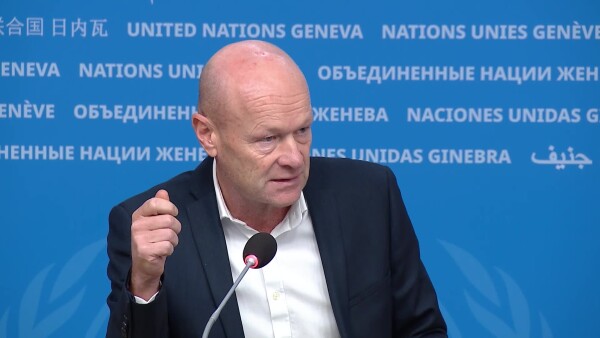
Dando la bienvenida a la pausa humanitaria mientras enfatizaba que “se necesitaba más”, el portavoz de la agencia de salud de la ONU (OMS), Christian Lindmeier, dijo que se estaba trabajando “en más evacuaciones de hospitales tan pronto como sea posible.”
Recordó que el 22 de noviembre “junto con la Sociedad de la Media Luna Roja Palestina, una misión conjunta de la ONU liderada por la OMS evacuó a 151 pacientes, familiares y trabajadores de salud que los acompañaban del hospital Al-Shifa en el norte de Gaza. Esto se llevó a cabo específicamente a petición de las autoridades de salud y los funcionarios de hospitales en Gaza.”
Esta fue la tercera misión a Al-Shifa llevada a cabo por la OMS y sus socios en menos de una semana; la primera había sido una misión de evaluación el 18 de noviembre y la segunda una misión de evacuación para transportar a 31 bebés el 19 de noviembre.
“Estamos extremadamente preocupados por la seguridad de los aproximadamente 100 pacientes y trabajadores de salud que permanecen en Al-Shifa y debido al tiempo limitado que los miembros de la misión pudieron pasar en el hospital y la urgencia de mover a los más críticos, fue difícil determinar exactamente cuántos permanecen”, dijo el Sr. Lindmeier.
De los 24 hospitales que operaban en el norte antes de la guerra, 22 están fuera de servicio o no pueden admitir nuevos pacientes, mientras que de las 11 instalaciones médicas en el sur, ocho están funcionales. La OMS dijo que de esos, solo uno tiene la capacidad de tratar casos críticos de trauma o realizar cirugías complejas.
-fin-
HISTORIA: Gaza Inicio de la tregua OMS - OCHA 24 de noviembre de 2023
TRT: 2:40”
FUENTE: UNTV CH
IDIOMA: INGLÉS
RELACIÓN DE ASPECTO: 16:9
FECHA: 10 de noviembre de 2023 - GINEBRA, SUIZA
LISTA DE TOMA
-
Toma exterior media: edificio de la ONU con bandera de la ONU, ONU Ginebra.
-
Toma amplia, sala de prensa con portavoz, periodistas y pantallas, ONU Ginebra
-
DECLARACIÓN (INGLÉS) – Jens Laerke, portavoz de OCHA: “Las Naciones Unidas pueden confirmar que, mientras hablo, los camiones con suministros humanitarios continúan cruzando hacia Gaza a través del punto de cruce de Rafah. Esperamos que el acuerdo entre Israel y Hamas ahora en vigor traiga un respiro a la gente de Gaza e Israel y algo de alivio a los rehenes y detenidos que serán liberados y a sus familias. Esperamos que permita a las familias en duelo honrar a sus muertos y enterrarlos con dignidad. Y esperamos que esta pausa humanitaria conduzca a un cese al fuego humanitario a largo plazo en beneficio de la gente de Gaza, Israel y más allá.”
-
Corte: Toma amplia, sala de prensa con portavoz, periodistas y pantallas, ONU Ginebra
-
DECLARACIÓN (INGLÉS) – Jens Laerke, portavoz de OCHA: “Necesitamos acceso a toda la Franja de Gaza, especialmente en el norte. Ahí es donde los daños y las necesidades humanitarias son mayores. Por lo tanto, continuamos pidiendo acceso para llegar a todas las partes de Gaza.”
-
Corte: Toma amplia, sala de prensa con portavoz, periodistas y pantallas, ONU Ginebra
-
DECLARACIÓN (INGLÉS) – Jens Laerke, portavoz de OCHA: “Es muy importante conseguir combustible, para poder operar cualquier maquinaria que se requiera para sacar a las personas de los escombros. Vemos esto en todo tipo de situaciones donde hay un daño y colapso masivo de la infraestructura.”
-
Corte: Toma amplia, sala de prensa con periodistas y pantallas, ONU Ginebra
-
DECLARACIÓN (INGLÉS) - Christian Lindmeier, portavoz de la Organización Mundial de la Salud (OMS): “Estamos trabajando en más evacuaciones de hospitales lo antes posible. Para recordarles que el 22 de noviembre, junto con la Sociedad de la Media Luna Roja Palestina, una misión conjunta de la ONU liderada por la OMS, evacuó a 151 pacientes, familiares y trabajadores de salud que los acompañaban del Hospital Al-Shifa en el norte de Gaza. Esto se llevó a cabo específicamente a solicitud de las autoridades sanitarias y funcionarios del hospital en Gaza.”
-
Corte: Primer plano, periodista escuchando, ONU Ginebra
-
DECLARACIÓN (INGLÉS) – Christian Lindmeier, portavoz de la Organización Mundial de la Salud (OMS): “Estamos extremadamente preocupados por la seguridad de los aproximadamente 100 pacientes y trabajadores de salud que permanecen en Al-Shifa y debido al tiempo limitado que los miembros de la misión pudieron pasar en el hospital y la urgencia de mover a los más críticos, fue difícil determinar exactamente cuántos permanecen.”

Similar Stories
1
1
1
Edited News | OCHA , UNICEF , WFP
Aid agencies warned on Friday of the fast-developing humanitarian emergency inside Taiz City in Yemen, which has been encircled by de facto Houthi forces fighting government troops along the country’s west coast.

2
17
1
2
Edited News , Press Conferences , Images | OCHA , WMO
Two UN agencies teamed up on Wednesday to issue an appeal for immediate assistance to help communities already being impacted by the strongest El Niño on record.

3
16
2
2
Edited News , B-roll , Conferences , Images | UNITED NATIONS , UNOG
Sixth Consultative Meeting on Enhancing Coordination of Peace Initiatives and Efforts for Sudan

1
1
1
Edited News | UNICEF , WHO , UNHCR
Yemen war continues to force families from homes amid hunger and disease
More than 250,000 people have now fled renewed fighting in Yemen, the UN said on Tuesday, citing particular concern for those sheltering in the southwestern city of Taiz and the wider governorate, where access is “essentially blocked”.

1
1
1
Edited News | UNICEF
A little over one year since a ceasefire agreement was announced between Hamas fighters and Israel, more than 340 children have been reported killed and hundreds more injured, the UN Children’s Fund, UNICEF, said on Friday.

1
1
1
Edited News | UNICEF , IFRC
Six weeks after Nepal’s deadly flooding disaster, communities are still struggling to rebuild their lives, but they will need sustained help as global warming increases the risk of another Himalayan catastrophe, the UN Children’s Fund (UNICEF) said on Friday.

1
1
1
Edited News | WHO
In suspected Russia plague death, testing and monitoring underway – WHO
The death of a lab worker in Russia’s Siberia region has sparked concerns about plague being the cause, the UN World Health Organization (WHO) said on Tuesday, adding that it was following the situation closely.

1
1
Edited News | OHCHR , UNOG
UN Human Rights Chief Volker Türk on Friday provided and oral update to the 63rd session of the Human rights Council on Ukraine.

1
1
1
Edited News | OHCHR , UNOG
UN Human Rights Chief Volker Türk on Friday provided and oral update to the 63rd session of the Human rights Council on the human rights situation in Haiti.

1
1
1
Edited News | WHO
Repeated delays in bringing lifesaving medicines, prosthetics and more from Israel into Gaza risk having devastating consequences on Palestinians who urgently need them in the wartorn enclave, the UN World Health Organization (WHO) said on Friday. “A truck full of non-priority supplies or the right supplies arriving too late, doesn't save lives. That's the question that actually matters," said Dr Reinhilde Van De Weerdt, WHO Representative in the OPT.

1
1
1
Edited News | WHO
DRC: Early access to care and oxygen decisive for Ebola patients’ survival – WHO
In the Democratic Republic of the Congo (DRC), health workers fighting the country’s largest-ever Ebola outbreak are struggling to overcome critical challenges to patient care, the UN World Health Organization (WHO) warned on Tuesday.

1
1
1
Edited News | OCHA , UN
Civilians in Iran are continuing to feel the consequences of months of conflict and military escalation, the UN’s top official in the country has said, as loss of life, damage to civilian infrastructure and mounting economic pressures leave many facing continued uncertainty.