

The United Nations Office at Geneva
Multimedia Newsroom
World Food Programme (WFP) warns that COVID-19 third wave has hit Myanmar’s people like a ‘tsunami’
The World Food Programme (WFP) warned on Friday that it is facing a 70 per cent funding shortfall in Myanmar, where millions face growing food insecurity.
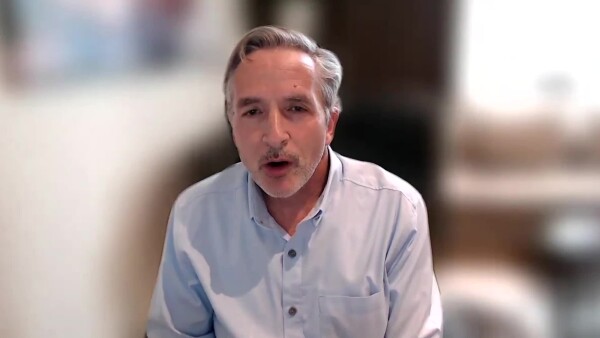
Amid the “triple impact of poverty, the current political unrest and economic crisis”, coupled with the rapidly spreading third wave of COVID-19, that is “practically like a tsunami that’s hit this country”, the people of Myanmar are “experiencing the most difficult moment in their lives”, WFP Myanmar Country Director Stephen Anderson said, from Nay Pyi Taw.
“These multiple challenges are undermining the ability of many communities throughout Myanmar to put food on their family’s table,” he added. The WFP needs $86 million to help fight hunger in the country over the next six months, amid turmoil since the military ousted the elected government led by Aung San Suu Kyi on 1 February 1.
In April, the UN agency estimated that 3.4 million more people nationwide could be pushed into food insecurity between May and October. In response, the WFP tripled its planned support to the country and commenced “large-scale emergency food distributions for up to two million people in the poorest townships of Myanmar, starting in Yangon,” Mr Anderson explained.
At the same time, the WFP is “stepping up its operations” to reach newly-displaced people affected by the clashes and insecurity in recent months, while continuing to assist 360,000 food-insecure people in Rakhine, Kachin and Shan states, where there have been longstanding concerns.
Calling for critical access to all those in need in order to provide them with humanitarian assistance, Mr. Anderson urged the international community to support the WFP’s work.
“We very much need sustained access to those who are in greatest need of humanitarian assistance…we do need the support and attention of the international community now more than ever.”
ends
STORY: Myanmar Food Insecurity - WFP
TRT: 03:04”
SOURCE: UNTV CH
RESTRICTIONS: NONE
LANGUAGE: ENGLISH
ASPECT RATIO: 16:9
DATELINE: 6 August 2021, GENEVA, SWITZERLAND
SHOTLIST
1. Exterior wide shot, United Nations flag flying.
2. Wide shot, press briefing room.
3. SOUNDBITE: (ENGLISH) Stephen Anderson, WFP Myanmar Country Director: “The people of Myanmar are going through their most difficult time in memory. They've been faced with multiple challenges, multiple shocks. First of all, poverty. Of course, poverty predated the current situation. But then, of course, since the 1 February military takeover, there has been increased political unrest, there is also economic and economic crisis.”
4.Wide of panel at the briefing.
5. SOUNDBITE: (ENGLISH) Stephen Anderson, WFP Myanmar Country Director: “COVID19, we had a very tough second wave last year, which had a devastating impact on people's livelihoods, and now the third wave, it's practically like a tsunami that's hit this country. It's hitting all aspects and creating major havoc.”
6.Close, side view of panel at the briefing.
7.SOUNDBITE: (ENGLISH) Stephen Anderson, WFP Myanmar Country Director:
“WFP has tried to launch large-scale assistance to people who are we believe are in very high need, in critical need in urban areas, in the poorest parts of the urban areas. And we started in Yangon and we've assisted approximately 750,000 people so far. But we believe that about two million people should be targeted with emergency food assistance.”
8.Mid of journalists at the briefing.
9. SOUNDBITE: (ENGLISH) Stephen Anderson, WFP Myanmar Country Director:
“We are also sustaining our support for about 360 thousand people who require monthly lifesaving support. And these were people who were needy even before this year. They are mainly living in Rakhine, Kachin and Shan states where there has been long-running conflict.”
10.Mid of journalist at briefing.
11. SOUNDBITE: (ENGLISH) Stephen Anderson, WFP Myanmar Country Director:
“So, essentially, we are facing a 70 per cent funding gap over the next six months. We need approximately $86 million. Equally, of course, we very much need sustained access to those who are in greatest need of humanitarian assistance. And really so to really sum it up, we do need the support and attention of the international community now more than ever.”
12. Mid of journalist on phone at briefing.
13. Wide of panel at briefing.
14. Mid of journalist at briefing.
Similar Stories

1
1
1
Edited News | OCHA , UNICEF , WFP
Aid agencies warned on Friday of the fast-developing humanitarian emergency inside Taiz City in Yemen, which has been encircled by de facto Houthi forces fighting government troops along the country’s west coast.

2
17
1
2
Edited News , Press Conferences , Images | OCHA , WMO
Two UN agencies teamed up on Wednesday to issue an appeal for immediate assistance to help communities already being impacted by the strongest El Niño on record.

3
16
2
2
Edited News , B-roll , Conferences , Images | UNITED NATIONS , UNOG
Sixth Consultative Meeting on Enhancing Coordination of Peace Initiatives and Efforts for Sudan

1
1
1
Edited News | UNICEF , WHO , UNHCR
Yemen war continues to force families from homes amid hunger and disease
More than 250,000 people have now fled renewed fighting in Yemen, the UN said on Tuesday, citing particular concern for those sheltering in the southwestern city of Taiz and the wider governorate, where access is “essentially blocked”.

1
1
1
Edited News | UNICEF
A little over one year since a ceasefire agreement was announced between Hamas fighters and Israel, more than 340 children have been reported killed and hundreds more injured, the UN Children’s Fund, UNICEF, said on Friday.

1
1
1
Edited News | UNICEF , IFRC
Six weeks after Nepal’s deadly flooding disaster, communities are still struggling to rebuild their lives, but they will need sustained help as global warming increases the risk of another Himalayan catastrophe, the UN Children’s Fund (UNICEF) said on Friday.

1
1
1
Edited News | WHO
In suspected Russia plague death, testing and monitoring underway – WHO
The death of a lab worker in Russia’s Siberia region has sparked concerns about plague being the cause, the UN World Health Organization (WHO) said on Tuesday, adding that it was following the situation closely.

1
1
Edited News | OHCHR , UNOG
UN Human Rights Chief Volker Türk on Friday provided and oral update to the 63rd session of the Human rights Council on Ukraine.

1
1
1
Edited News | OHCHR , UNOG
UN Human Rights Chief Volker Türk on Friday provided and oral update to the 63rd session of the Human rights Council on the human rights situation in Haiti.

1
1
1
Edited News | WHO
Repeated delays in bringing lifesaving medicines, prosthetics and more from Israel into Gaza risk having devastating consequences on Palestinians who urgently need them in the wartorn enclave, the UN World Health Organization (WHO) said on Friday. “A truck full of non-priority supplies or the right supplies arriving too late, doesn't save lives. That's the question that actually matters," said Dr Reinhilde Van De Weerdt, WHO Representative in the OPT.

1
1
1
Edited News | WHO
DRC: Early access to care and oxygen decisive for Ebola patients’ survival – WHO
In the Democratic Republic of the Congo (DRC), health workers fighting the country’s largest-ever Ebola outbreak are struggling to overcome critical challenges to patient care, the UN World Health Organization (WHO) warned on Tuesday.

1
1
1
Edited News | OCHA , UN
Civilians in Iran are continuing to feel the consequences of months of conflict and military escalation, the UN’s top official in the country has said, as loss of life, damage to civilian infrastructure and mounting economic pressures leave many facing continued uncertainty.