

The United Nations Office at Geneva
Multimedia Newsroom
Edited News , Press Conferences | OHCHR
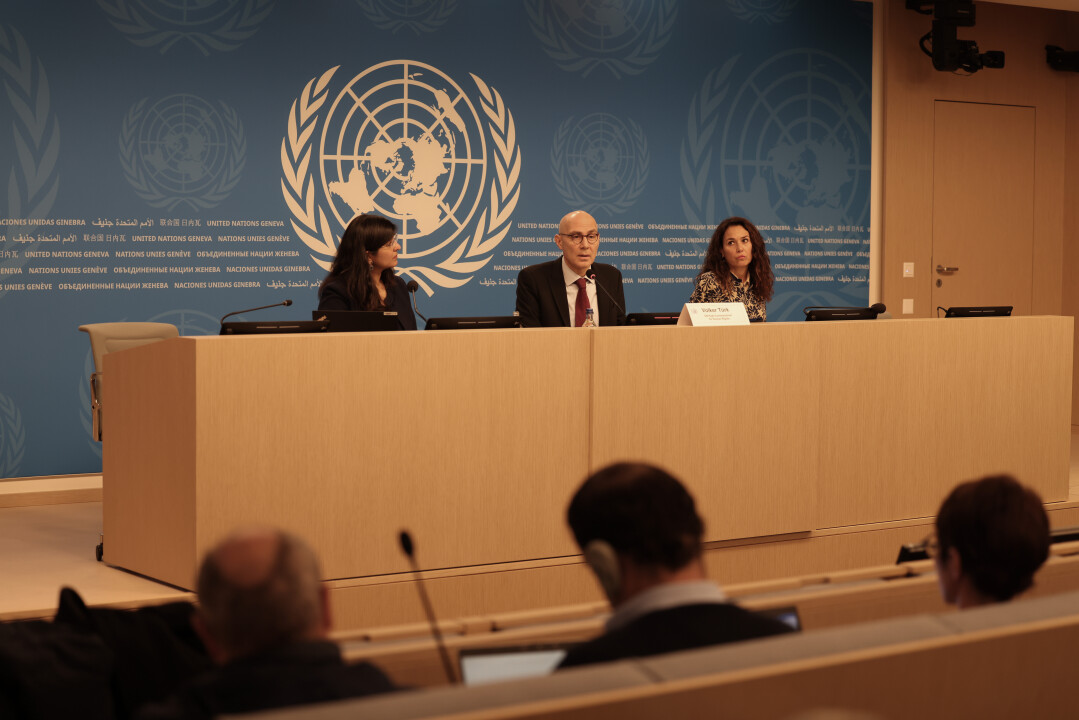
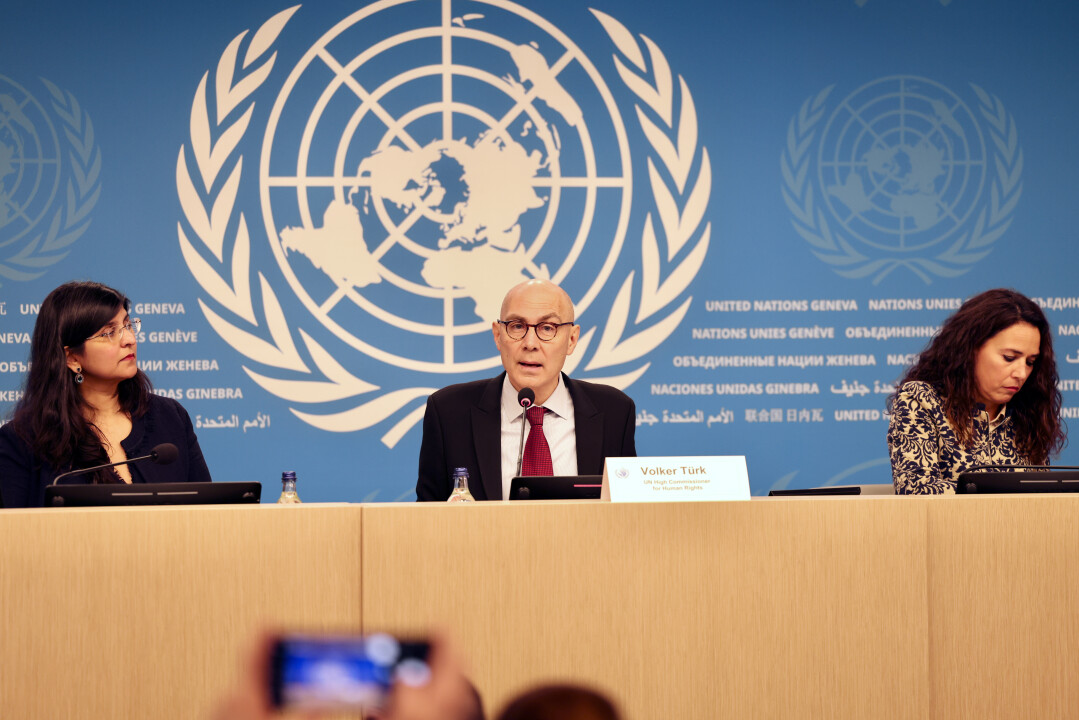
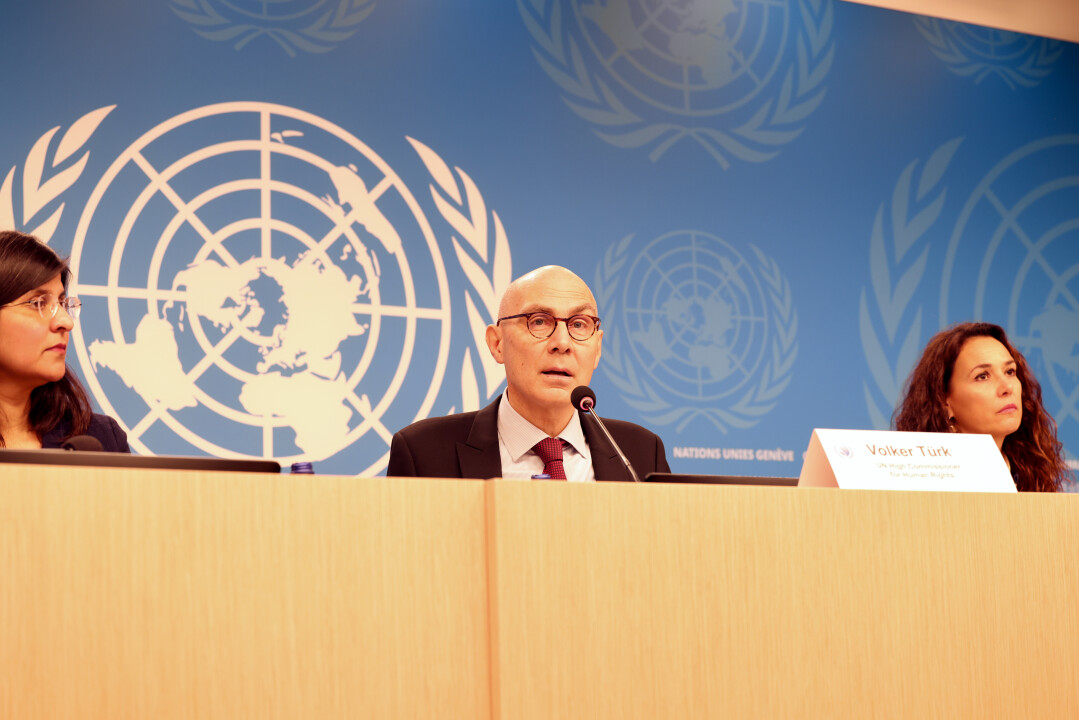
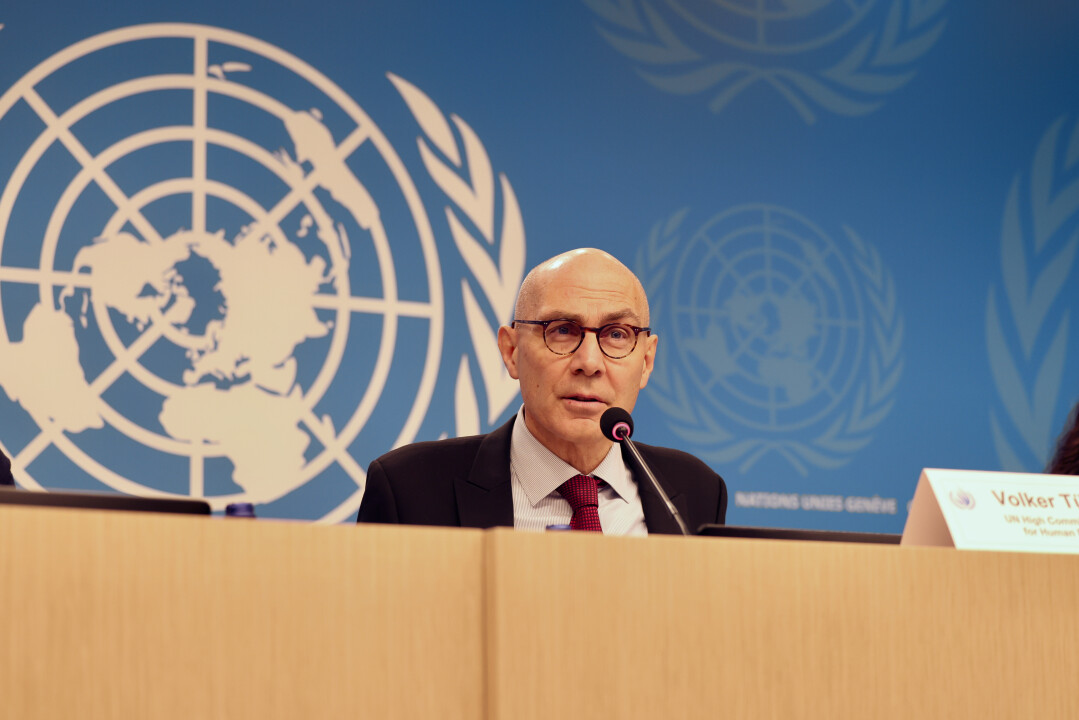
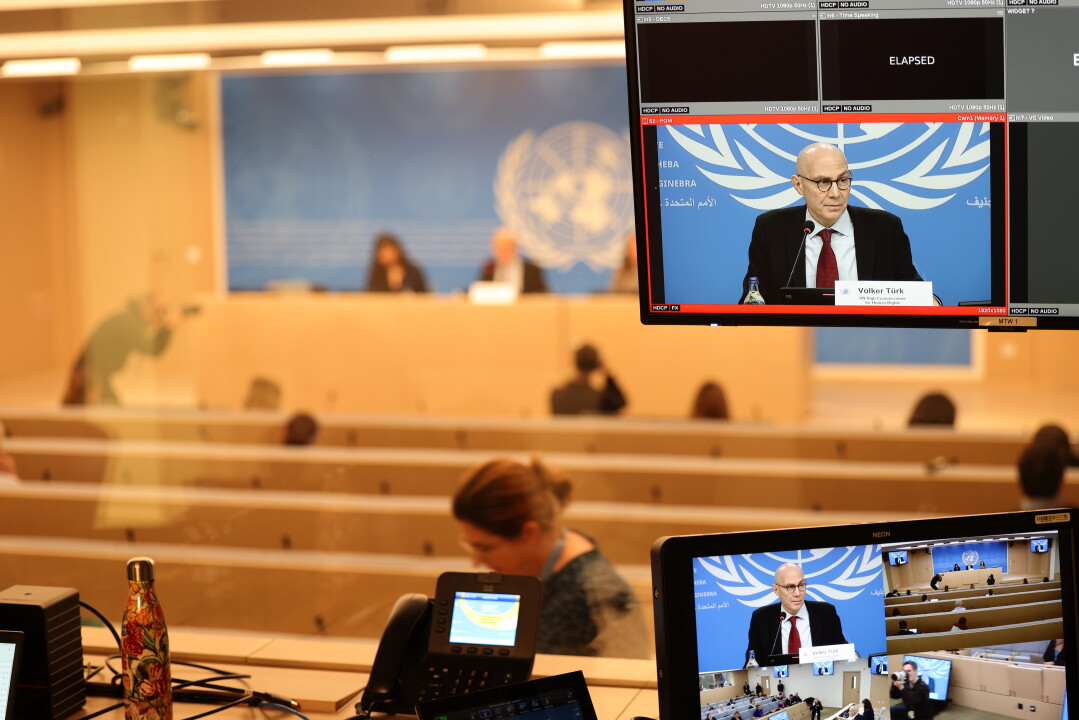
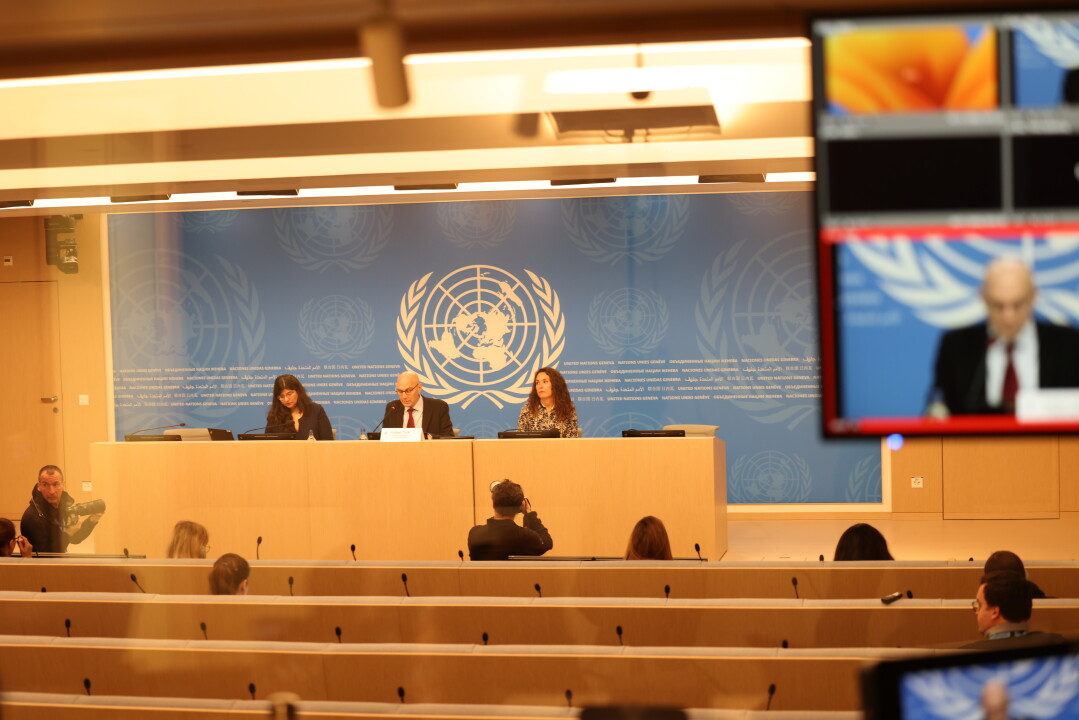
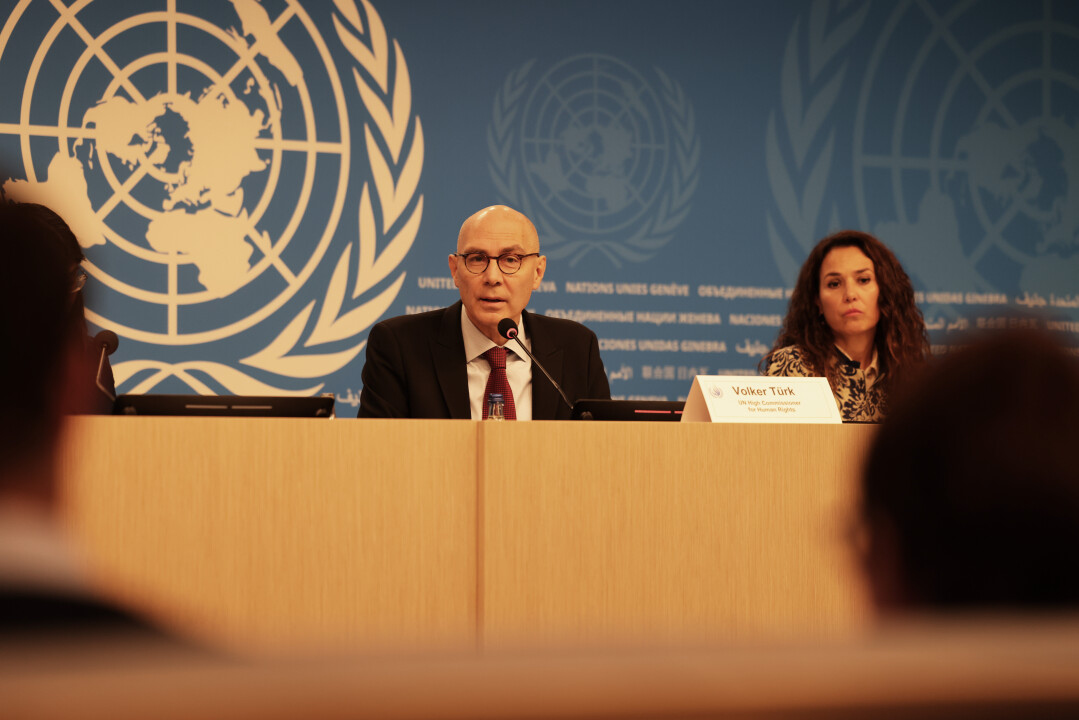
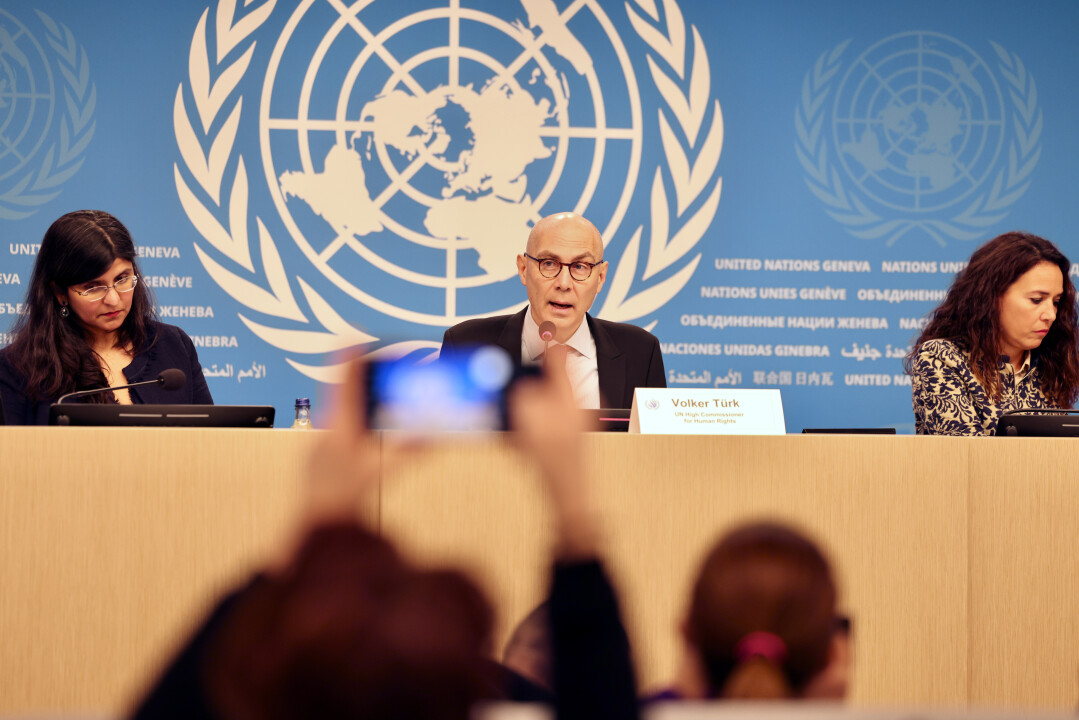
OHCHR - High Commissioner Volker Türk Press conference - 06 December 2023
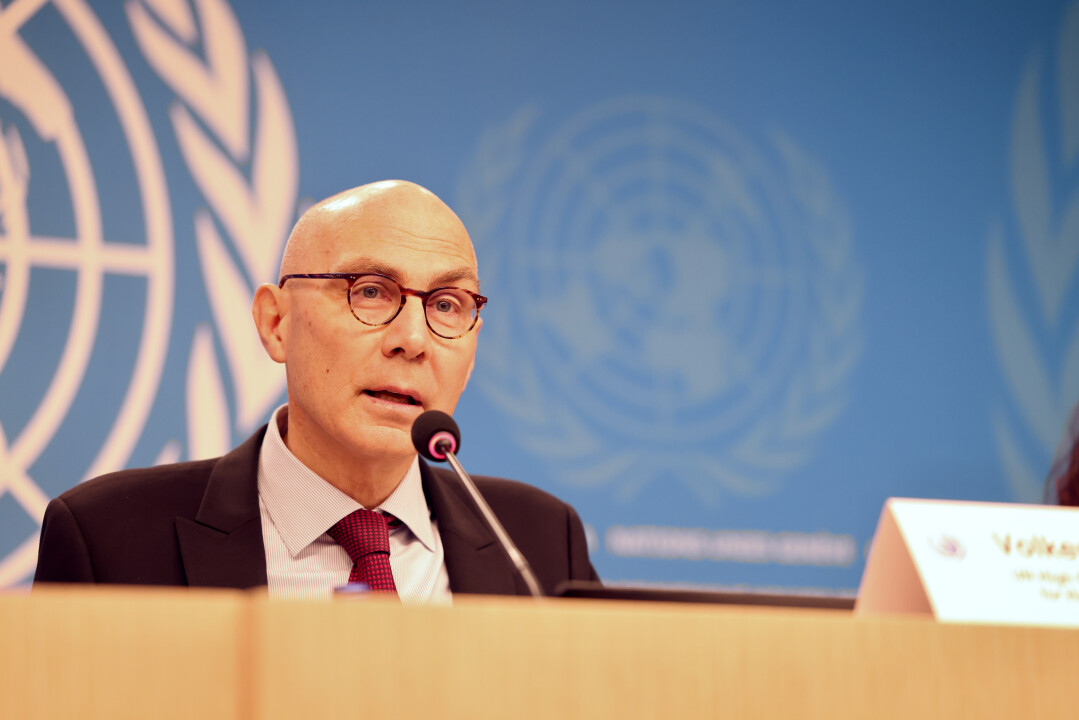
“Human rights have not failed. It is the cynical disregard for human rights, and the failure to respect and heed warnings on human rights that has got us here,” Türk told a news conference in Geneva, ahead of Human Rights Day on 10 December.
“Human rights are inherent to every human being. Leaders who ignore this truth imperil the people they are meant to serve. Unfortunately, leaders in many parts of the world have done just this. As a result, we are seeing violent conflict increase and intensify across the globe,” the High Commissioner said.
There is an utter and deepening horror for Palestinians in Gaza, two months after the horrific 7 October attacks on Israel by Hamas and other Palestinian armed groups, and nowhere is safe.
“The catastrophic situation we see unfolding in the Gaza Strip was entirely foreseeable and preventable. My humanitarian colleagues have described the situation as apocalyptic,” Türk stressed.
“In these circumstances, there is a heightened risk of atrocity crimes. Measures need to be taken urgently – both by the parties concerned and by all States – particularly those with influence – to prevent any such crimes. The international community needs to insist with one voice on a ceasefire, immediately, on human rights and humanitarian grounds,” the High Commissioner said.
The human rights crisis in the occupied West Bank, including East Jerusalem, was also extremely alarming, Türk highlighted. This includes an increase in unnecessary or disproportionate, even militarised, use of force by Israeli forces resulting in a rise in unlawful killings, much more aggressive and frequent settler violence leading to the forced displacement of Palestinian communities, record increases in arbitrary arrests and detention, an alarming spike in deaths in custody and allegations of ill-treatment of Palestinians in detention, including sexual violence. The Israeli authorities must take immediate steps to end widespread impunity for such violations.
Türk also reiterated his grave concern at dehumanizing statements by current and former high-level Israeli officials, as well as Hamas figures.
“History has shown us where this kind of language can lead. This is not just unacceptable, but a competent court may view such statements, in the circumstances in which they were made, as incitement to atrocity crimes,” Türk said.
“As more information emerges on allegations of sexual violence perpetrated by members of armed Palestinian groups, including Hamas, during their attacks on Israel on 7-8 October, it is painfully clear that these attacks need to be fully investigated to ensure justice for the victims,” he added.
In Myanmar, the human rights crisis caused by the military continues to inflict an unbearable toll on civilians. To date, credible sources have verified that military forces have killed over 4,232 civilians since the coup. Civilians have suffered countless violations – facing airstrikes, artillery shelling, enforced disappearances, arbitrary arrests and prosecutions, as well as sexual violence, displacement, denial of humanitarian access and the burning of their homes, fields and villages.
“Now, as ever, it is necessary that all parties ensure that the civilian population is adequately protected. There must be intensified efforts by the international community for an end to the violence and the peaceful restoration of an inclusive and representative government,” he said.
In Sudan, the conflict between the Sudanese Armed Forces and the Rapid Support Forces rages, with significant risk of a protracted civil war and fragmentation of the country. More than 7,000 civilians, including women and children, have been killed since April 2023, and 6.3 million displaced.
“We have documentation of rape being used as a weapon of war, particularly by RSF and affiliated forces. Ethnic and racial tensions are being stoked. And there is a general breakdown of the rule of law across Sudan. Neither party to the conflict has sought to address seriously the conduct of their own forces,” the UN Human Rights Chief said, calling on both parties to ensure all personnel responsible for violations of international humanitarian law and human rights are held accountable.
At COP28, the UN Human rights Office is joining others to press for more action to address the climate crisis and secure the right to a clean, healthy and sustainable environment.
“Fulfilling the rights to health, life, and a healthy environment requires the equitable phase-out of all fossil fuels,” Türk said. “The future of our planet and generations to come are at stake and it is essential that the voices of civil society representatives are heard loud and clear in crafting actionable solutions.”
ENDS
For more information and media requests, please contact:
In Geneva
Ravina Shamdasani - + 41 22 917 9169 / ravina.shamdasani@un.org or
Liz Throssell + 41 22 917 9296 / elizabeth.throssell@un.org or
Jeremy Laurence + +41 22 917 9383 / jeremy.laurence@un.org or
Marta Hurtado - + 41 22 917 9466 / marta.hurtadogomez@un.org
Tag and share
Twitter @UNHumanRights
Facebook unitednationshumanrights
Instagram @unitednationshumanrights
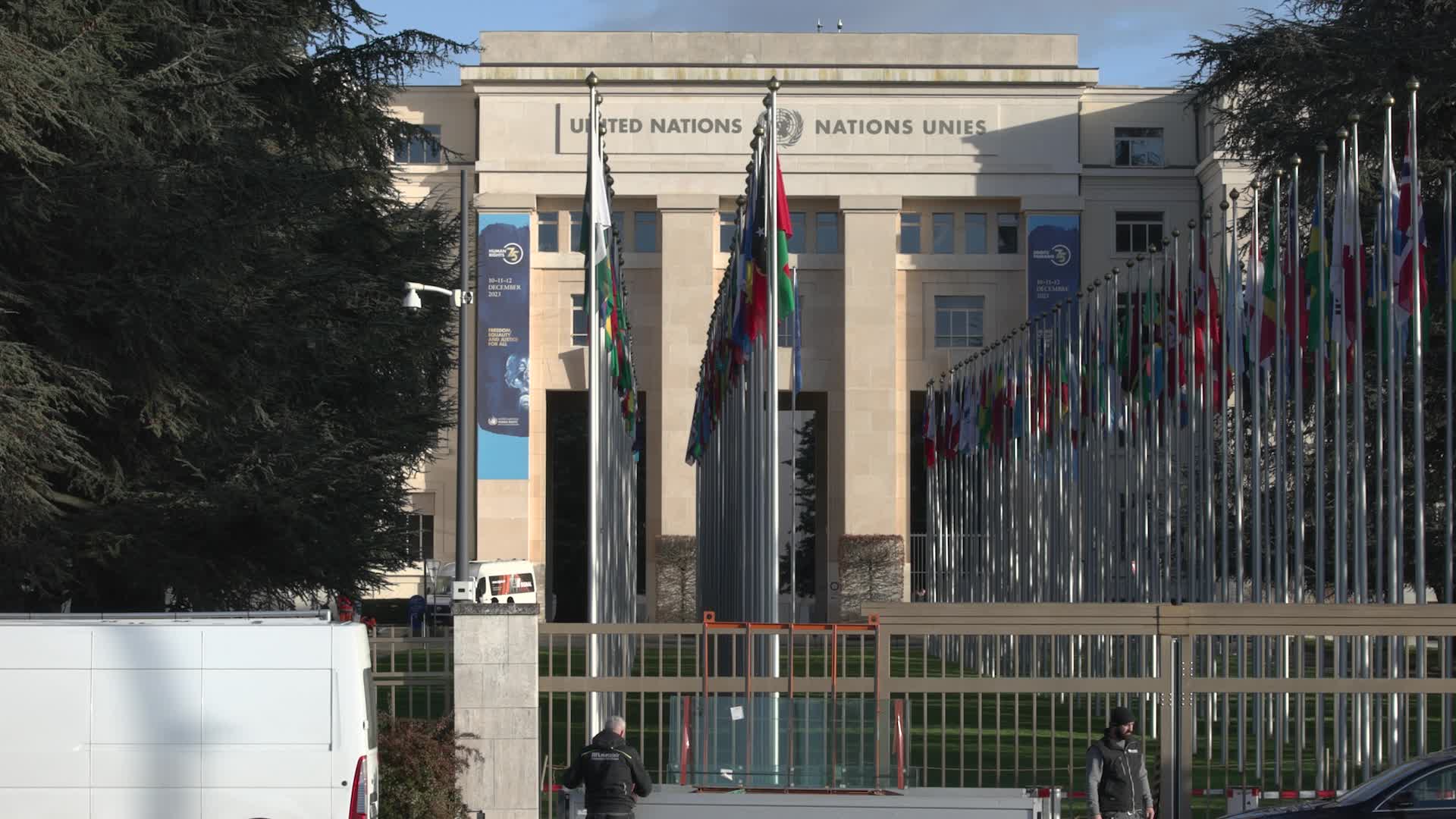
- Exteriors shots: Palais des Nation with HR75 banners
- Soundbite (English)— Volker Türk, High Commissioner for UN Human Rights: “Human rights have not failed. It is the cynical disregard for human rights, and the failure to respect and heed warnings on human rights that has got us here.”
- Cutaways: briefing room
- Soundbite (English)— Volker Türk, High Commissioner for UN Human Rights: “Human rights are inherent to every human being. Leaders who ignore this truth imperil the people they are meant to serve. Unfortunately, leaders in many parts of the world have done just this. As a result, we are seeing violent conflict increase and intensify across the globe.”
- Cutaways: briefing room
- Soundbite (English)— Volker Türk, High Commissioner for UN Human Rights: “The catastrophic situation we see unfolding in the Gaza Strip was entirely foreseeable and preventable. My humanitarian colleagues have described the situation as apocalyptic.”
- Cutaways: briefing room
- Soundbite (English)— Volker Türk, High Commissioner for UN Human Rights: “In these circumstances, there is a heightened risk of atrocity crimes. Measures need to be taken urgently – both by the parties concerned and by all States – particularly those with influence – to prevent any such crimes. The international community needs to insist with one voice on a ceasefire, immediately, on human rights and humanitarian grounds.”
- Cutaways: briefing room
- Soundbite (English)— Volker Türk, High Commissioner for UN Human Rights: “History has shown us where this kind of language can lead. This is not just unacceptable, but a competent court may view such statements, in the circumstances in which they were made, as incitement to atrocity crimes.”
- Cutaways: briefing room
- Soundbite (English)— Volker Türk, High Commissioner for UN Human Rights: “As more information emerges on allegations of sexual violence perpetrated by members of armed Palestinian groups, including Hamas, during their attacks on Israel on 7-8 October, it is painfully clear that these attacks need to be fully investigated to ensure justice for the victims.”
- Cutaways: briefing room
- Soundbite (English)— Volker Türk, High Commissioner for UN Human Rights: “Now, as ever, it is necessary that all parties ensure that the civilian population is adequately protected. There must be intensified efforts by the international community for an end to the violence and the peaceful restoration of an inclusive and representative government.”
- Cutaways: briefing room
- Soundbite (English)— Volker Türk, High Commissioner for UN Human Rights: “We have documentation of rape being used as a weapon of war, particularly by RSF and affiliated forces. Ethnic and racial tensions are being stoked. And there is a general breakdown of the rule of law across Sudan. Neither party to the conflict has sought to address seriously the conduct of their own forces.”
- Cutaways: briefing room
- Soundbite (English)— Volker Türk, High Commissioner for UN Human Rights: “Fulfilling the rights to health, life, and a healthy environment requires the equitable phase-out of all fossil fuels,” Türk said. “The future of our planet and generations to come are at stake and it is essential that the voices of civil society representatives are heard loud and clear in crafting actionable solutions.”
- Exteriors shots: Palais des Nation with HR75 banners
Similar Stories

1
1
1
Edited News | OCHA , UNICEF , WFP
Aid agencies warned on Friday of the fast-developing humanitarian emergency inside Taiz City in Yemen, which has been encircled by de facto Houthi forces fighting government troops along the country’s west coast.
1
1
1
Press Conferences | UN WOMEN , WFP , WHO
UN WOMEN: Sudan Women and girls one year after the fall of El Fasher; increasing drone attacks across the country; WFP: DRC - Ebola spreads to eighth DRC province as WFP delivers food, builds treatment centres and keeps supplies moving; WHO - Update on Ebola (Bundibugyo Virus Disease)
1
12
1
1
Press Conferences , Images | UNOG
Closing Press Conference following the Sixth Consultative Meeting on Enhancing Coordination of Peace Initiatives and Efforts in Sudan

2
17
1
2
Edited News , Press Conferences , Images | OCHA , WMO
Two UN agencies teamed up on Wednesday to issue an appeal for immediate assistance to help communities already being impacted by the strongest El Niño on record.

3
16
2
2
Edited News , B-roll , Conferences , Images | UNITED NATIONS , UNOG
Sixth Consultative Meeting on Enhancing Coordination of Peace Initiatives and Efforts for Sudan
1
1
1
Press Conferences | CITES
Wildlife trade and conservation policy discussions at the 81st meeting of the CITES Standing Committee (SC81)

1
1
1
Edited News | UNICEF , WHO , UNHCR
Yemen war continues to force families from homes amid hunger and disease
More than 250,000 people have now fled renewed fighting in Yemen, the UN said on Tuesday, citing particular concern for those sheltering in the southwestern city of Taiz and the wider governorate, where access is “essentially blocked”.
1
1
1
Press Conferences | UNHCR , UNCTAD , WMO , OCHA , UNICEF , WHO
UNHCR Hungary’s 1956 Refugee Crisis: 70 Years On, UNCTAD World Investment Forum 2026, Doha, WMO Greenhouse Gas Bulletin and Climate Update for COP31, OCHA Afghanistan: Malnutrition, Girls’ Education and Recovery, UNICEF Yemen: Child Malnutrition and Unsafe Water in Taiz, WHO Inequalities in Noncommunicable Diseases and Risk Factors

1
1
1
Press Conferences | UNHCR
End of UNHCR's 77th Annual Executive Committee (ExCom) meeting week

1
1
1
Edited News | UNICEF
A little over one year since a ceasefire agreement was announced between Hamas fighters and Israel, more than 340 children have been reported killed and hundreds more injured, the UN Children’s Fund, UNICEF, said on Friday.

1
1
1
Press Conferences | UNICEF , IOM , UNHCR
UN Special Assistant to the Personal Envoy Office (SUDAN): Peace Initiatives and Efforts in Sudan; UNICEF: Dire situation of children in Gaza; IOM: Damaged Homes and Energy Attacks Risk Displacing Ukrainians for this winter; UNHCR: update on EXCOM week

1
1
1
Press Conferences | IOM , UNDRR
UN stresses importance of household preparedness for disaster risk reduction.