

The United Nations Office at Geneva
Multimedia Newsroom
Edited News | WHO
Bi-Weekly Press Briefing: Food Insecurity Crisis Horn of Africa - WHO 02 August 2022
The World Health Organization (WHO) today raised growing alarm over the urgent health needs that over 80 million people in the greater Horn of Africa are facing due to the combination of increased food insecurity, hunger and malnutrition.
“Over 80 million people in the horn of Africa are facing food insecurity not seen in decades, as millions of people are at risk of starvation”, said Dr Ibrahima Soce FALL, WHO Assistant Director-General for Emergencies while speaking at a press briefing at the United Nations in Geneva. “The combination of increased food insecurity, hunger and malnutrition are causing a complex, unrecognized health emergency”.
WHO launched today a funding appeal for $US 123.7 million to carry out urgent lifesaving work until December 2022.
According to WHO’s Dr. Fall, the role of health in the response to famine crisis has often been underrecognized. “It is very unfortunate that people’s access to health care is more restricted because they are on the move in search of food, water, pasture and they may also have to make hard choices like between buying food and going to see a doctor ».
WHO is working to detect and respond to outbreaks of diseases such as measles, cholera and meningitis, some of which are already happening in a number of countries.
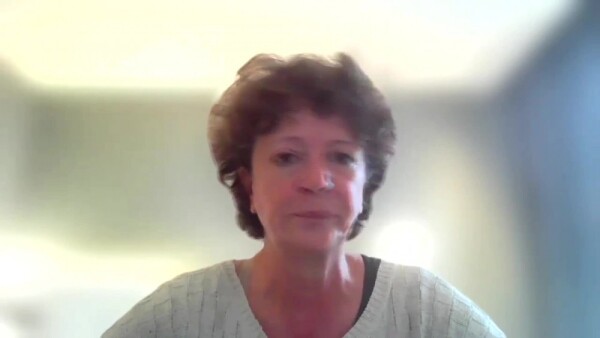
“Our main focus is to make sure that severely malnourished children who are sick get the care they need. Life-saving supplies, and drugs and equipment are available”, said Dr. Fall who was speaking via zoom from Dakar, Senegal.
WHO has intensified the response in 7 affected countries: Djibouti, Ethiopia, Kenya, Somalia, South Sudan, Sudan and Uganda.
“The big problem we are having at this moment is that, contrary to previous crises, the prevention on the food security side is not being funded enough », said Dr Sophie MAES, WHO’s Incident Manager, Drought and food insecurity crisis in the greater Horn of Africa. “Normally what you do in this kind of situation is you do blanket supplementary feeding so that people don’t slide further into malnutrition. This is not being well funded at the moment.”
An acute food insecurity crisis is also a health crisis because health risks like malnutrition, disease and outbreaks have increased and secondly, people have less access to health care just when they need it the most.
“The effects on health are doubled », according to Dr. Maes. «The health risks are going up with this synergy between disease and malnutrition, really making people much more vulnerable because people who are malnourished become more easily sick, and sick people become even more easily malnourished. That is one thing, then secondly, there is a real real lack of clean water, so there is a much higher risk of waterborne diseases.”
WHO’s stressed that the role of health in the response to famine crises has been often underrecognized.
People in the search for food and water are more prone to be exposed to the risk of violence, especially gender based violence.
“People are desperate to get money, so there is survival sex going on. There is more violence fighting for the meager resources,” said Dr. Maes.
-ends-
- Medium shot, UN Geneva flag alley.
- Wide shot, press room with journalists
- SOUNDBITE( English) Dr Ibrahima Soce FALL (Zoom from Dakar, Senegal), WHO Assistant Director-General for Emergencies : “Over 80 million people in the horn of Africa are facing food insecurity not seen in decades, as millions of people are at risk of starvation. The combination of increased food insecurity, hunger and malnutrition are causing a complex, unrecognized health emergency”.
- Medium shot, journalists taking notes.
- SOUNDBITE( English) Dr Ibrahima Soce FALL (Zoom from Dakar, Senegal), WHO Assistant Director-General for Emergencies : “It is very unfortunate that people’s access to health care is more restricted because they are on the move in search of food, water, pasture and they may also have to make hard choices like between buying food and going to see a doctor".
- Medium shot, TV screen showing speakers, UN logo backdrop panel
- SOUNDBITE( English) Dr Ibrahima Soce FALL (Zoom from Dakar, Senegal), WHO Assistant Director-General for Emergencies : “Our main focus is to make sure that severely malnourished children who are sick get the care they need. Life saving supplies and drugs and equipment are available.”
- Medium shot, Podium,TV screen showing speakers, journalists taking notes.
- SOUNDBITE( English) Dr Sophie MAES (Zoom from Nairobi, Kenya), WHO Incident Manager, Drought and food insecurity crisis in the greater Horn of Africa : “The big problem we are having at this moment is that, contrary to previous crises, the prevention on the food security side is not being funded enough. Normally what you do in this kind of situation is you do blanket supplementary feeding so that people don’t slide further into malnutrition. This is not being well funded at the moment.”
- Medium shot, TV screen showing speakers, journalists taking notes.
- SOUNDBITE( English) Dr Sophie MAES (Zoom from Nairobi, Kenya), WHO Incident Manager, Drought and food insecurity crisis in the greater Horn of Africa : “The effects on health are doubled. The health risks are going up with this synergy between disease and malnutrition, really making people much more vulnerable because people who are malnourished become more easily sick, and sick people become even more easily malnourished. That is one thing, then secondly, there is a real real lack of clean water, so there is a much higher risk of waterborne diseases.”
- Medium shot, Journalists listening.
- SOUNDBITE( English) Dr Sophie MAES (Zoom from Nairobi, Kenya), WHO Incident Manager, Drought and food insecurity crisis in the greater Horn of Africa: “People are desperate to get money, so there is survival sex going on. There is more violence fighting for the meager resources.”
- Close-up. Journalist taking photos.
- Close-up. Journalists listening
- Medium Shot, Journalist taking notes
- Wide shot, journalists, TV camera on tripod and light panel.
Similar Stories

1
1
1
Edited News | OCHA , UNICEF , WFP
Aid agencies warned on Friday of the fast-developing humanitarian emergency inside Taiz City in Yemen, which has been encircled by de facto Houthi forces fighting government troops along the country’s west coast.

2
17
1
2
Edited News , Press Conferences , Images | OCHA , WMO
Two UN agencies teamed up on Wednesday to issue an appeal for immediate assistance to help communities already being impacted by the strongest El Niño on record.

3
16
2
2
Edited News , B-roll , Conferences , Images | UNITED NATIONS , UNOG
Sixth Consultative Meeting on Enhancing Coordination of Peace Initiatives and Efforts for Sudan

1
1
1
Edited News | UNICEF , WHO , UNHCR
Yemen war continues to force families from homes amid hunger and disease
More than 250,000 people have now fled renewed fighting in Yemen, the UN said on Tuesday, citing particular concern for those sheltering in the southwestern city of Taiz and the wider governorate, where access is “essentially blocked”.

1
1
1
Edited News | UNICEF
A little over one year since a ceasefire agreement was announced between Hamas fighters and Israel, more than 340 children have been reported killed and hundreds more injured, the UN Children’s Fund, UNICEF, said on Friday.

1
1
1
Edited News | UNICEF , IFRC
Six weeks after Nepal’s deadly flooding disaster, communities are still struggling to rebuild their lives, but they will need sustained help as global warming increases the risk of another Himalayan catastrophe, the UN Children’s Fund (UNICEF) said on Friday.

1
1
1
Edited News | WHO
In suspected Russia plague death, testing and monitoring underway – WHO
The death of a lab worker in Russia’s Siberia region has sparked concerns about plague being the cause, the UN World Health Organization (WHO) said on Tuesday, adding that it was following the situation closely.

1
1
Edited News | OHCHR , UNOG
UN Human Rights Chief Volker Türk on Friday provided and oral update to the 63rd session of the Human rights Council on Ukraine.

1
1
1
Edited News | OHCHR , UNOG
UN Human Rights Chief Volker Türk on Friday provided and oral update to the 63rd session of the Human rights Council on the human rights situation in Haiti.

1
1
1
Edited News | WHO
Repeated delays in bringing lifesaving medicines, prosthetics and more from Israel into Gaza risk having devastating consequences on Palestinians who urgently need them in the wartorn enclave, the UN World Health Organization (WHO) said on Friday. “A truck full of non-priority supplies or the right supplies arriving too late, doesn't save lives. That's the question that actually matters," said Dr Reinhilde Van De Weerdt, WHO Representative in the OPT.

1
1
1
Edited News | WHO
DRC: Early access to care and oxygen decisive for Ebola patients’ survival – WHO
In the Democratic Republic of the Congo (DRC), health workers fighting the country’s largest-ever Ebola outbreak are struggling to overcome critical challenges to patient care, the UN World Health Organization (WHO) warned on Tuesday.

1
1
1
Edited News | OCHA , UN
Civilians in Iran are continuing to feel the consequences of months of conflict and military escalation, the UN’s top official in the country has said, as loss of life, damage to civilian infrastructure and mounting economic pressures leave many facing continued uncertainty.