

The United Nations Office at Geneva
Multimedia Newsroom
Le système de santé de Gaza est "au bord du gouffre" avec près de 70 % des hôpitaux non fonctionnels - OMS
L'agence de santé des Nations Unies (OMS) a averti vendredi que le système de santé de Gaza est "au bord du gouffre". En raison d'hostilités intenses et d'une connectivité limitée, l'OMS n'a pas reçu de données actualisées depuis quatre jours sur les blessures et les décès en provenance du ministère de la santé de l'enclave.
"Nous savons que le système de santé est au bord du gouffre et qu'actuellement 65 % - soit 47 sur 72 établissements de soins primaires - ne fonctionnent pas et ceux qui fonctionnent le font partiellement", a déclaré le Dr Richard Peeperkorn, représentant de l'OMS dans le territoire palestinien occupé depuis Jérusalem, lors d'un briefing devant des journalistes aux Nations Unies à Genève. "Plus de 70 % des hôpitaux ne fonctionnent actuellement - 25 sur 36."
Cette situation est clairement insuffisante pour répondre aux besoins "sans fin" résultant de plus de cinq semaines de bombardements israéliens en réponse aux attaques terroristes du Hamas du 7 octobre. Les opérations terrestres actives dans la ville de Gaza et à proximité des hôpitaux, ainsi que le manque de carburant, ont interrompu le déplacement des équipes de secours et des ambulances dans de nombreuses zones, a rapporté le bureau de coordination de l'aide de l'ONU, OCHA.
"Avant le conflit, nous parlions de 3 500 lits d'hôpital opérationnels à Gaza. Et aujourd'hui, nous parlons d'environ 1 400. Le taux d'occupation minimum a augmenté de plus de 150 %. Selon nos plans, les besoins actuels s'élèveront à 5 000 lits", a souligné le Dr Peeperkorn.
L'OMS est extrêmement préoccupée par la propagation des maladies avec l'arrivée de la saison des pluies et de l'hiver. Les abris surpeuplés et le manque général d'eau et d'assainissement à Gaza pourraient accroître le risque de transmission.
Depuis la mi-octobre, le ministère de la Santé, l'UNRWA et l'OMS ont enregistré "plus de 70 000, 72 000 cas d'infections respiratoires aiguës, 44 000 cas de diarrhée, 808 cas de varicelle, 15 000 éruptions cutanées, la gale, les poux, et nous avons également des patients atteints d'hépatite A", selon le Dr Peeperkorn.
L'OMS a réitéré son appel à des évacuations médicales quotidiennes, soutenues, ordonnées, non entravées et sûres des patients gravement blessés et malades vers l'Égypte.
"Nous avons besoin d'un mécanisme d'évacuation médicale. Au cours des prochains mois, nous mettrons en place un système pour les patients dans le besoin, et il ne s'agit pas seulement de traumatismes multiples, mais de tous types de patients nécessitant une évacuation critique, y compris les patients atteints de cancer qui ne peuvent pas recevoir leur traitement", a déclaré le Dr Peeperkorn. "Il y a donc de nombreux autres patients qui devraient être prioritaires pour chaque évacuation médicale vers l'Égypte."
L'OMS a également signalé vendredi qu'un mécanisme d'entrée de carburant dans l'enclave palestinienne déchirée par la guerre aurait été convenu afin que les opérations humanitaires d'urgence puissent être rétablies.
"Il existe un mécanisme d'entrée de carburant, ce qui serait, je pense, la meilleure nouvelle d'aujourd'hui. Et bien sûr, nous espérons vraiment que ce mécanisme sera maintenu pour que les opérations humanitaires puissent fonctionner, que l'UNWRA puisse faire son travail et maintenir les opérations en cours."
L'OMS reste extrêmement préoccupée par la sécurité des patients, des travailleurs de la santé et des personnes déplacées internes se réfugiant non seulement à Al-Shifa mais dans tous les autres hôpitaux assiégés et confrontés à des hostilités intenses. L'agence de santé de l'ONU a rappelé une fois de plus que, en vertu du droit international humanitaire, les installations de santé, les travailleurs de la santé, les ambulances et les patients doivent être protégés contre tous les actes de guerre. Le droit international humanitaire doit être respecté.
-fin-
Actualité sur la santé à Gaza - OMS
TRT : 2:32”
SOURCE : UNTV CH
LANGUE : ANGLAIS
FORMAT D'IMAGE : 16:9
LIEU : 17 novembre 2023 - GENÈVE, SUISSE
LISTE DES PLANS
- Plan moyen extérieur : bâtiment des Nations Unies avec le drapeau des Nations Unies, Genève.
- Plan large, salle de conférence de presse avec des journalistes et des écrans, Genève.
- INTERVENTION (ANGLAIS) – Dr Richard Peeperkorn, Représentant de l'OMS dans le territoire palestinien occupé : “Nous savons que le système de santé est au bord de l'effondrement et qu'actuellement 65 % - soit 47 sur 72 établissements de soins primaires - ne fonctionnent pas et ceux qui fonctionnent le font partiellement, donc on peut dire que plus de 70 %, presque 70 % des hôpitaux ne fonctionnent pas actuellement - 25 sur 36.”
- Plan de coupe : Plan moyen, salle de conférence de presse avec un porte-parole et des journalistes, Genève.
- INTERVENTION (ANGLAIS) – Dr Richard Peeperkorn, Représentant de l'OMS dans le territoire palestinien occupé : “Nous avons déjà enregistré plus de 70 000, 72 000 cas d'infections respiratoires aiguës, 44 000 cas de diarrhée, 808 cas de varicelle, 15 000 éruptions cutanées, la gale, les poux, et nous avons également des patients atteints d'hépatite A.”
- Plan de coupe : Plan moyen, salle de conférence de presse avec un technicien et un journaliste, Genève.
- INTERVENTION (ANGLAIS) – Dr Richard Peeperkorn, Représentant de l'OMS dans le territoire palestinien occupé : “Avant le conflit, nous parlions de 3 500 lits d'hôpital opérationnels à Gaza. Aujourd'hui, nous parlons d'environ 1 400. Le taux d'occupation minimal a augmenté de plus de 150 %. Selon nos plans, les besoins actuels seront de 5 000 lits.”
- Plan de coupe : Plan moyen, salle de conférence de presse avec un porte-parole et un journaliste, Genève.
- INTERVENTION (ANGLAIS) – Dr Richard Peeperkorn, Représentant de l'OMS dans le territoire palestinien occupé : “Nous avons besoin d'un mécanisme d'évacuation médicale. Au cours des prochains mois, nous mettrons en place un système pour les patients ayant besoin d'une évacuation, et ce ne sont pas seulement des traumas multiples, mais tous types de patients nécessitant une évacuation critique, y compris les patients atteints de cancer qui ne peuvent pas recevoir leur traitement. Il y a donc de nombreux autres patients qui devraient être prioritaires pour une évacuation médicale vers l'Égypte.”
- Plan de coupe : Plan large, salle de conférence de presse avec un porte-parole, des journalistes et des écrans, Genève.
- INTERVENTION (ANGLAIS) – Dr Richard Peeperkorn, Représentant de l'OMS dans le territoire palestinien occupé : “Il existe un mécanisme pour l'entrée de carburant, ce qui serait, je pense, la meilleure nouvelle d'aujourd'hui. Et bien sûr, nous espérons vraiment et plaidons pour que ce mécanisme soit maintenu et qu'il le soit pour garantir le bon fonctionnement des opérations humanitaires, afin que l'UNWRA puisse faire son travail et maintenir les opérations en cours.”
- Plan de coupe : Plan large, salle de conférence de presse avec des journalistes et des écrans, Genève.
- Plan de coupe : gros plan, journaliste écoutant, Genève.
- Plan de coupe : gros plan, journaliste écoutant, Genève.
Similar Stories

1
1
1
Edited News | UNICEF
A little over one year since a ceasefire agreement was announced between Hamas fighters and Israel, more than 340 children have been reported killed and hundreds more injured, the UN Children’s Fund, UNICEF, said on Friday.

1
1
1
Edited News | UNICEF , IFRC
Six weeks after Nepal’s deadly flooding disaster, communities are still struggling to rebuild their lives, but they will need sustained help as global warming increases the risk of another Himalayan catastrophe, the UN Children’s Fund (UNICEF) said on Friday.

1
1
1
Edited News | WHO
In suspected Russia plague death, testing and monitoring underway – WHO
The death of a lab worker in Russia’s Siberia region has sparked concerns about plague being the cause, the UN World Health Organization (WHO) said on Tuesday, adding that it was following the situation closely.

1
1
Edited News | OHCHR , UNOG
UN Human Rights Chief Volker Türk on Friday provided and oral update to the 63rd session of the Human rights Council on Ukraine.

1
1
1
Edited News | OHCHR , UNOG
UN Human Rights Chief Volker Türk on Friday provided and oral update to the 63rd session of the Human rights Council on the human rights situation in Haiti.

1
1
1
Edited News | WHO
Repeated delays in bringing lifesaving medicines, prosthetics and more from Israel into Gaza risk having devastating consequences on Palestinians who urgently need them in the wartorn enclave, the UN World Health Organization (WHO) said on Friday. “A truck full of non-priority supplies or the right supplies arriving too late, doesn't save lives. That's the question that actually matters," said Dr Reinhilde Van De Weerdt, WHO Representative in the OPT.

1
1
1
Edited News | WHO
DRC: Early access to care and oxygen decisive for Ebola patients’ survival – WHO
In the Democratic Republic of the Congo (DRC), health workers fighting the country’s largest-ever Ebola outbreak are struggling to overcome critical challenges to patient care, the UN World Health Organization (WHO) warned on Tuesday.

1
1
1
Edited News | OCHA , UN
Civilians in Iran are continuing to feel the consequences of months of conflict and military escalation, the UN’s top official in the country has said, as loss of life, damage to civilian infrastructure and mounting economic pressures leave many facing continued uncertainty.
1
1
1
Edited News | WHO , UNICEF
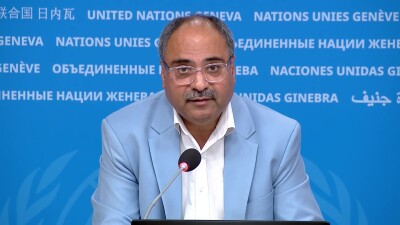
Aid agencies in Yemen highlighted the growing hunger emergency sparked by renewed fighting between Houthi opposition forces and Government troops, after mobile health clinics reported that hundreds of children displaced by the violence are suffering from the most deadly form of malnutrition.
1
1
1
Edited News | UNHCR
Displacement on the rise in Yemen as fighting continues - UNHCR
As hostilities worsen in Yemen, more people have been fleeing their homes, further intensifying the humanitarian crisis within the region, the UN Refugee Agency (UNHCR) warned on Tuesday.
1
1
1
Edited News | IOM , OHCHR , UNFPA , UNOG , UNHCR , WHO
Yemen’s humanitarian crisis growing by the hour amid spike in displacement
Yemenis displaced by renewed fighting have described fleeing for their lives amid shelling and gunfire, aid agencies reported on Friday, while highlighting the dramatic increase in humanitarian needs in the country and in Djibouti, where thousands have sought shelter.
1
1
1
Edited News | OHCHR , UNOG
The UN Human Rights Office issued on Friday a report documenting a shocking pattern of sexual violence amid Russia’s full-scale armed attack on Ukraine.