

The United Nations Office at Geneva
Multimedia Newsroom
« Un accès est nécessaire pour acheminer les fournitures dont Gaza a un besoin urgent », déclare l'OMS
Un mois après le début de la crise israélo-palestinienne, l'Organisation mondiale de la santé (OMS) a réitéré mardi la nécessité urgente d'une pause humanitaire pour soulager les souffrances à Gaza et en Israël et a demandé un accès sans entrave et sûr à l'enclave dirigée par le Hamas afin de fournir de l'eau, du carburant et de la nourriture aux personnes en vie et souffrant de traumatismes, de maladies et d'un manque de soins de santé.
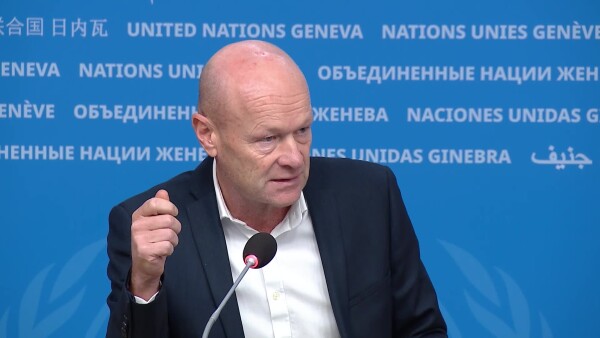
« L'accès, l'accès, l'accès sont nécessaires, et cela doit se faire par la route. De cette façon, nous pouvons acheminer les fournitures », a déclaré le porte-parole de l'OMS, Christian Lindmeier, lors d'une conférence de presse aux Nations unies à Genève. « Nous avons les fournitures, l'ensemble des Nations Unies s'approvisionne en dehors de Gaza, au sud, au point de passage de Rafah à partir d'Al-Shari, les fournitures et la logistique sont prises en charge.
»
M. Lindmeier a indiqué que « jusqu'à hier, environ 500 camions ont été amenés au total en quatre semaines ». Il a toutefois souligné que seuls huit camions de l'OMS chargés de fournitures médicales étaient entrés à Gaza.
Des centaines de camions remplis d'aide attendent toujours d'être acheminés à la frontière entre l'Égypte et Gaza et les humanitaires sur le terrain à Gaza sont prêts à faciliter la distribution des articles de première nécessité.
Jens Laerke, du Bureau de la coordination des affaires humanitaires des Nations Unies (OCHA), a indiqué que parmi les 569 camions entrés à Gaza depuis l'ouverture du poste frontière de Rafah le 21 octobre, aucun ne contenait de carburant, qui est toujours interdit par les autorités israéliennes.
« Tout dépend presque du carburant », a souligné M. Lindmeier. « Les usines de dessalement, les boulangeries, les ambulances et les incubateurs pour bébés ont besoin d'énergie. Je ne connais pas le chiffre exact du nombre d'hôpitaux qui sont privés d'électricité et ne fonctionnent donc pas ou sont endommagés. Mais l'hôpital anticancéreux n'est plus fonctionnel à cause d'une combinaison de ces facteurs ; 22 hôpitaux sur 36 fonctionnent toujours.
»
Le niveau de décès et de souffrance est « difficile à comprendre », a déclaré le porte-parole de l'OMS. En moyenne, environ 160 enfants sont tués chaque jour et le nombre total de décès a dépassé les 10 000 personnes, a indiqué l'OMS, sur la base des chiffres du ministère de la Santé de Gaza.
« Il y a des règles en temps de guerre, et ces règles doivent être respectées par tous les combattants », a déclaré M. Lindmeier. Interrogé par un journaliste pour savoir si des militants se cachaient à l'intérieur des hôpitaux, ce qui pourrait expliquer pourquoi ils ont été pris pour cible par les frappes aériennes israéliennes, M. Lindmeier a répondu que « en tant qu'OMS, nous ne pouvons pas vérifier ce qui se trouve sous les hôpitaux. Ce que nous pouvons vérifier, c'est ce qui se trouve dans les hôpitaux et en surface. Et ce sont des installations médicales dont nous avons un besoin urgent, les seuls abris, les seules places qui restent pour permettre aux personnes déjà en détresse, aux blessés et aux sans-abri sans nourriture ni eau de vivre normalement.
»
L'OMS pleure les 16 agents de santé qui ont perdu la vie dans l'exercice de leurs fonctions, tout en les félicitant pour leur professionnalisme et leur bravoure qui ont permis de maintenir le système de santé en état de fonctionner malgré tout, avec presque aucun carburant pour faire fonctionner les groupes électrogènes, des stocks de fournitures qui s'amenuisent, les couloirs de leurs établissements bondés de blessés et des personnes cherchant un abri.
« Ils doivent non seulement décider de s'enfuir, d'essayer de sauver leur vie et de quitter les hôpitaux qui font l'objet d'une évacuation, d'une alerte à la bombe ou d'un attentat, mais ils ont également leur propre famille », a déclaré le porte-parole de l'OMS. « Ils ont des proches qui ont été tués, ils se trouvaient dans des maisons qui ont été attaquées. Cela doit donc être un scénario extrêmement horrible pour eux. Je pense que ce sont eux les véritables héros de cet endroit.
»
M. Lindmeier a souligné à nouveau que toute attaque contre le personnel de santé, les ambulances et les établissements de santé est interdite par le droit international humanitaire.
-se termine-
RÉCIT : Les hostilités dans la bande de Gaza - OMS
TRT : 3:10 » SOURCE : UNTV CH LANGUE : ANGLAIS FORMAT D'IMAGE : 16:9 DATE LIMITE : 7 novembre 2023 - GENÈVE, SUISSE
LISTE DE TOURNAGE
- Plan moyen extérieur : bâtiment de l'ONU arborant le drapeau de l'ONU, ONU à Genève.
- Plan large, salle de conférence de presse avec journalistes et écrans, ONU Genève
- EXTRAIT SONORE (ANGLAIS) — Christian Lindmeier, porte-parole de l'Organisation mondiale de la santé (OMS) : « L'accès, l'accès est nécessaire. Et cela ne doit pas se faire par voie aérienne, mais par la route. De cette façon, nous pouvons apporter les fournitures. Nous avons les fournitures, l'ensemble des Nations Unies s'approvisionne en dehors de Gaza, au sud, au point de passage de Rafah à partir d'Al-Shari, les fournitures et la logistique sont prises en charge.
- »
- Coupe : plan moyen, camérawomen, ONU Genève.
- EXTRAIT SONORE (ANGLAIS) — Christian Lindmeier, porte-parole de l'Organisation mondiale de la santé (OMS) : « Jusqu'à hier, environ 500 camions ont été amenés, en quatre semaines au total. Et ce sont des camions transportant toutes les fournitures, et des collègues des autres agences des Nations Unies seraient en mesure de vous donner des informations détaillées sur ce qui s'y trouve, mais c'est tout ce dont vous avez besoin, y compris l'eau, bien sûr, mais aussi les matelas et les vêtements, etc. La liste est certainement très longue. Je ne peux parler que pour les pièces médicalement nécessaires et il n'y a eu que huit camions jusqu'à présent. Mais il y en a beaucoup plus à attendre à l'extérieur.
- »
- Cutaway : gros plan, des journalistes écoutent
- EXTRAIT SONORE (ANGLAIS) — Christian Lindmeier, porte-parole de l'Organisation mondiale de la santé (OMS) : « Il y a des règles en temps de guerre, et ces règles doivent être respectées par tous les combattants. En tant qu'OMS, nous ne pouvons pas vérifier ce qui se trouve sous les hôpitaux. Ce que nous pouvons vérifier, c'est ce qui se trouve dans les hôpitaux et en surface. Et ce sont des installations médicales dont nous avons un besoin urgent, les seuls abris, les seules places qui restent pour permettre aux personnes déjà en détresse, aux blessés et aux sans-abri sans nourriture ni eau de vivre normalement.
- »
- Cutaway : gros plan, journaliste à l'écoute, ONU Genève
- EXTRAIT SONORE (ANGLAIS) — Christian Lindmeier, porte-parole de l'Organisation mondiale de la santé (OMS) : « Tout dépend presque du carburant. Les usines de dessalement, les boulangeries, les ambulances et les incubateurs pour bébés ont besoin d'énergie. Je ne connais pas le chiffre exact du nombre d'hôpitaux qui sont privés d'électricité et ne fonctionnent donc pas ou sont endommagés. Mais encore une fois, l'hôpital de cancérologie est hors service à cause d'une combinaison de ces facteurs. 22 hôpitaux sur 36 fonctionnent toujours.
- »
- Coupure : plan large, orateurs sur le podium et journalistes dans la salle de presse de l'ONU à Genève
- EXTRAIT SONORE (ANGLAIS) — Christian Lindmeier, porte-parole de l'Organisation mondiale de la santé (OMS) : « Ils doivent non seulement décider s'ils veulent fuir pour essayer de sauver leur vie et quitter les hôpitaux qui font l'objet d'une évacuation, d'une alerte à la bombe ou d'un attentat à la bombe, mais ils ont aussi leur propre famille. Ils ont des proches qui ont été tués. Certaines maisons ont été attaquées. Cela doit donc être un scénario extrêmement horrible pour eux. Et pourtant, ils essaient de rester au travail et de faire de leur mieux pour sauver la vie d'autres personnes. Je pense donc que ce sont eux les véritables héros de cet endroit.
- »
- Cutaway : plan large, salle de conférence de presse avec journalistes et écrans, ONU Genève
- Cutaway : gros plan, journaliste à l'écoute, ONU Genève
- Cutaway : plan moyen, journalistes dans la salle de presse de l'ONU à Genève
Similar Stories
1
1
1
Edited News | OCHA , UNICEF , WFP
Aid agencies warned on Friday of the fast-developing humanitarian emergency inside Taiz City in Yemen, which has been encircled by de facto Houthi forces fighting government troops along the country’s west coast.

2
17
1
2
Edited News , Press Conferences , Images | OCHA , WMO
Two UN agencies teamed up on Wednesday to issue an appeal for immediate assistance to help communities already being impacted by the strongest El Niño on record.
3
16
2
2
Edited News , B-roll , Conferences , Images | UNITED NATIONS , UNOG
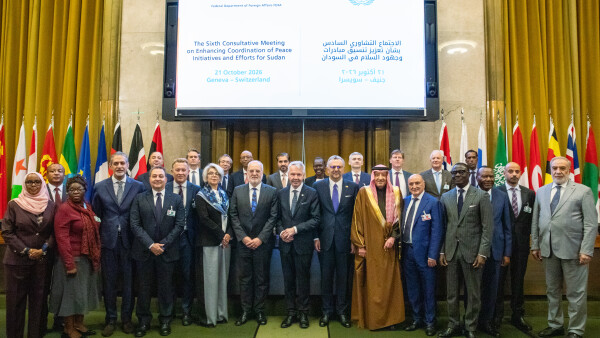
Sixth Consultative Meeting on Enhancing Coordination of Peace Initiatives and Efforts for Sudan

1
1
1
Edited News | UNICEF , WHO , UNHCR
Yemen war continues to force families from homes amid hunger and disease
More than 250,000 people have now fled renewed fighting in Yemen, the UN said on Tuesday, citing particular concern for those sheltering in the southwestern city of Taiz and the wider governorate, where access is “essentially blocked”.

1
1
1
Edited News | UNICEF
A little over one year since a ceasefire agreement was announced between Hamas fighters and Israel, more than 340 children have been reported killed and hundreds more injured, the UN Children’s Fund, UNICEF, said on Friday.

1
1
1
Edited News | UNICEF , IFRC
Six weeks after Nepal’s deadly flooding disaster, communities are still struggling to rebuild their lives, but they will need sustained help as global warming increases the risk of another Himalayan catastrophe, the UN Children’s Fund (UNICEF) said on Friday.

1
1
1
Edited News | WHO
In suspected Russia plague death, testing and monitoring underway – WHO
The death of a lab worker in Russia’s Siberia region has sparked concerns about plague being the cause, the UN World Health Organization (WHO) said on Tuesday, adding that it was following the situation closely.

1
1
Edited News | OHCHR , UNOG
UN Human Rights Chief Volker Türk on Friday provided and oral update to the 63rd session of the Human rights Council on Ukraine.

1
1
1
Edited News | OHCHR , UNOG
UN Human Rights Chief Volker Türk on Friday provided and oral update to the 63rd session of the Human rights Council on the human rights situation in Haiti.

1
1
1
Edited News | WHO
Repeated delays in bringing lifesaving medicines, prosthetics and more from Israel into Gaza risk having devastating consequences on Palestinians who urgently need them in the wartorn enclave, the UN World Health Organization (WHO) said on Friday. “A truck full of non-priority supplies or the right supplies arriving too late, doesn't save lives. That's the question that actually matters," said Dr Reinhilde Van De Weerdt, WHO Representative in the OPT.

1
1
1
Edited News | WHO
DRC: Early access to care and oxygen decisive for Ebola patients’ survival – WHO
In the Democratic Republic of the Congo (DRC), health workers fighting the country’s largest-ever Ebola outbreak are struggling to overcome critical challenges to patient care, the UN World Health Organization (WHO) warned on Tuesday.

1
1
1
Edited News | OCHA , UN
Civilians in Iran are continuing to feel the consequences of months of conflict and military escalation, the UN’s top official in the country has said, as loss of life, damage to civilian infrastructure and mounting economic pressures leave many facing continued uncertainty.