

The United Nations Office at Geneva
Multimedia Newsroom
Edited News | WHO
Situación mundial del dengue | Noticias editadas por la OMS, 22 de diciembre de 2023
El aumento del dengue alimenta las preocupaciones de una amenaza para la salud pública con más de cinco millones de casos reportados en más de 80 países en 2023: OMS
El sorprendente aumento de infecciones de dengue a nivel mundial en 2023 representa una amenaza potencialmente alta para la salud pública, dijo el viernes la Organización Mundial de la Salud (OMS) de la ONU.
La advertencia se produjo cuando la OMS informó más de cinco millones de infecciones de dengue y 5,000 muertes por la enfermedad en todo el mundo este año.
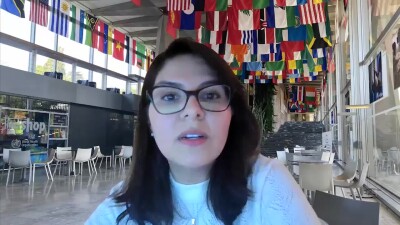
Informando a los periodistas el viernes en la ONU en Ginebra, la Dra. Diana Rojas Álvarez, Líder del Equipo de Arbovirus de la OMS, dijo que la amenaza requería “la máxima atención y respuesta de todos los niveles” de la agencia de salud de la ONU para apoyar a los países en el control de los brotes actuales de dengue y prepararse para la próxima temporada de dengue.
El dengue es la infección viral más común transmitida a los humanos por la picadura de mosquitos infectados. Se encuentra principalmente en áreas urbanas dentro de climas tropicales y subtropicales.
El aumento en el número de casos reportados de dengue en más países se explica por el hecho de que los mosquitos infectados ahora prosperan en más países debido al calentamiento global asociado con el aumento de las emisiones.
“El cambio climático tiene un impacto en la transmisión del dengue porque aumenta las lluvias, la humedad y la temperatura”, dijo la Dra. Álvarez. “Estos mosquitos son muy sensibles a la temperatura”.
Aunque cuatro mil millones de personas están en riesgo de contraer dengue, la mayoría de los infectados no presentan síntomas y suelen recuperarse en una o dos semanas.
Sin embargo, las infecciones graves de dengue se caracterizan por shock, hemorragias graves o daño grave a los órganos, según la OMS.
También destacó que estos síntomas peligrosos a menudo comienzan “después de que la fiebre ha desaparecido”, sorprendiendo a los cuidadores y profesionales médicos. Los signos de advertencia a tener en cuenta incluyen dolor abdominal intenso, vómitos persistentes, encías sangrantes, acumulación de líquidos, letargo, inquietud y agrandamiento del hígado.
Como no hay un tratamiento específico para el dengue, la detección temprana y el acceso a una atención médica adecuada son cruciales para reducir la probabilidad de morir debido al dengue grave.
“Desde el comienzo de este año, se han reportado más de cinco millones de casos y alrededor de 5,000 muertes por dengue en todo el mundo y cerca del 80 por ciento de esos casos se han reportado en las Américas, seguidas por el sudeste asiático y el Pacífico occidental”, informó la Dra. Álvarez. Añadió que “también es preocupante que los brotes de dengue estén ocurriendo en países frágiles y afectados por conflictos en la región del Mediterráneo oriental, como Afganistán, Pakistán, Sudán, Somalia y Yemen.
La prevalencia global de mosquitos ha cambiado en los últimos años debido al fenómeno de El Niño de 2023, que acentuó los efectos de las temperaturas del calentamiento global y el cambio climático, dijo la OMS.
Ambos factores están asociados con países previamente libres de dengue como Francia, Italia y España, que reportan casos de infecciones que se originaron en casa – la llamada transmisión autóctona – en lugar de en el extranjero. El vector de la enfermedad es el mosquito Aedes aegypti, que está ampliamente distribuido en Europa y también es más conocido como el “mosquito tigre”.
“Usualmente, Europa reporta casos importados de las Américas, del Pacífico occidental, de las regiones endémicas”, dijo la Dra. Álvarez. “Pero este año vimos clusters limitados de transmisión autóctona. Como sabemos, los veranos están siendo más cálidos”.
-fin-
HISTORIA: Situación mundial del dengue - OMS
TRT: 2:48”
FUENTE: UNTV CH
IDIOMA: INGLÉS
RELACIÓN DE ASPECTO: 16:9
LUGAR DE LOS HECHOS: 22 de diciembre de 2023 - GINEBRA, SUIZA
LISTA DE TOMAS
- Plano general exterior: Edificio de la ONU con la bandera de la ONU, Ginebra.
- DECLARACIÓN (INGLÉS) – Dra. Diana Rojas Álvarez, Jefa de Equipo de Arbovirus en la OMS: “La OMS ha evaluado el riesgo del dengue como alto a nivel mundial. Lo que significa que requiere la máxima atención y respuesta de todos los niveles de la organización para apoyar a los países de todo el mundo, controlar los brotes actuales de dengue y también preparar a los países para responder a la próxima temporada de dengue.”
- Corte: Plano medio, edificio de la ONU con la bandera de la ONU
- DECLARACIÓN (INGLÉS) – Dra. Diana Rojas Álvarez, Jefa de Equipo de Arbovirus en la OMS: “Los principales impulsores de la transmisión del dengue son principalmente factores sociales y ambientales. Así, la urbanización no planificada, el crecimiento de la población y otros factores relacionados con el proceso de globalización forman parte de la dinámica de transmisión del dengue. El cambio climático tiene un impacto en la transmisión del dengue porque aumenta la lluvia, la humedad y la temperatura. Por lo tanto, estos mosquitos son muy sensibles a la temperatura.”
- Corte: Plano medio de la entrada de la ONU en la Place des Nations
- DECLARACIÓN (INGLÉS) – Dra. Diana Rojas Álvarez, Jefa de Equipo de Arbovirus en la OMS: “Los mosquitos pueden prosperar en más países debido al aumento de las temperaturas debido al cambio climático, y muchos más países están informando casos. Alrededor de 4 mil millones de personas corren el riesgo de infectarse con el virus del dengue, pero la mayoría de las personas no presentarán síntomas. Pero para aquellos que lo hagan, se recuperarán en 1 o 2 semanas.”
- Corte: Plano general, Parque Ariana en la ONU Ginebra
- DECLARACIÓN (INGLÉS) – Dra. Diana Rojas Álvarez, Jefa de Equipo de Arbovirus en la OMS: “Desde el comienzo de este año, se han reportado más de 5 millones de casos y alrededor de 5,000 muertes por dengue en todo el mundo, y cerca del 80 por ciento de esos casos se han reportado en las Américas, seguidas por el sudeste asiático y el Pacífico occidental. La distribución de los mosquitos que transmiten el dengue y otros virus transmitidos por mosquitos ha cambiado en los últimos años debido a varios factores sociales y ambientales.”
- Corte: Plano general, Parque Ariana en la ONU Ginebra
- DECLARACIÓN (INGLÉS) – Dra. Diana Rojas Álvarez, Jefa de Equipo de Arbovirus en la OMS: &ldquo>También es preocupante que los brotes de dengue estén ocurriendo en países frágiles y afectados por conflictos en la región del Mediterráneo oriental, como Afganistán, Pakistán, Sudán, Somalia, Yemen.”
- Corte: Plano medio, edificio de la ONU con la bandera de la ONU
- DECLARACIÓN (INGLÉS) – Dra. Diana Rojas Álvarez, Jefa de Equipo de Arbovirus en la OMS: “Por lo general, Europa informa casos importados de las Américas, del Pacífico occidental, de las regiones endémicas. Pero este año vimos grupos limitados de transmisión autóctona. Como sabemos, los veranos se están volviendo más cálidos y hay dos vectores principales de este virus. Uno es el mosquito Aedes aegypti, que está ampliamente distribuido en Europa y se le conoce como el mosquito tigre.”
- Corte: Plano general, edificio de la ONU con el pasillo de la bandera
Similar Stories

1
1
1
Edited News | OCHA , UNICEF , WFP
Aid agencies warned on Friday of the fast-developing humanitarian emergency inside Taiz City in Yemen, which has been encircled by de facto Houthi forces fighting government troops along the country’s west coast.

2
17
1
2
Edited News , Press Conferences , Images | OCHA , WMO
Two UN agencies teamed up on Wednesday to issue an appeal for immediate assistance to help communities already being impacted by the strongest El Niño on record.

3
16
2
2
Edited News , B-roll , Conferences , Images | UNITED NATIONS , UNOG
Sixth Consultative Meeting on Enhancing Coordination of Peace Initiatives and Efforts for Sudan

1
1
1
Edited News | UNICEF , WHO , UNHCR
Yemen war continues to force families from homes amid hunger and disease
More than 250,000 people have now fled renewed fighting in Yemen, the UN said on Tuesday, citing particular concern for those sheltering in the southwestern city of Taiz and the wider governorate, where access is “essentially blocked”.

1
1
1
Edited News | UNICEF
A little over one year since a ceasefire agreement was announced between Hamas fighters and Israel, more than 340 children have been reported killed and hundreds more injured, the UN Children’s Fund, UNICEF, said on Friday.

1
1
1
Edited News | UNICEF , IFRC
Six weeks after Nepal’s deadly flooding disaster, communities are still struggling to rebuild their lives, but they will need sustained help as global warming increases the risk of another Himalayan catastrophe, the UN Children’s Fund (UNICEF) said on Friday.

1
1
1
Edited News | WHO
In suspected Russia plague death, testing and monitoring underway – WHO
The death of a lab worker in Russia’s Siberia region has sparked concerns about plague being the cause, the UN World Health Organization (WHO) said on Tuesday, adding that it was following the situation closely.

1
1
Edited News | OHCHR , UNOG
UN Human Rights Chief Volker Türk on Friday provided and oral update to the 63rd session of the Human rights Council on Ukraine.

1
1
1
Edited News | OHCHR , UNOG
UN Human Rights Chief Volker Türk on Friday provided and oral update to the 63rd session of the Human rights Council on the human rights situation in Haiti.

1
1
1
Edited News | WHO
Repeated delays in bringing lifesaving medicines, prosthetics and more from Israel into Gaza risk having devastating consequences on Palestinians who urgently need them in the wartorn enclave, the UN World Health Organization (WHO) said on Friday. “A truck full of non-priority supplies or the right supplies arriving too late, doesn't save lives. That's the question that actually matters," said Dr Reinhilde Van De Weerdt, WHO Representative in the OPT.

1
1
1
Edited News | WHO
DRC: Early access to care and oxygen decisive for Ebola patients’ survival – WHO
In the Democratic Republic of the Congo (DRC), health workers fighting the country’s largest-ever Ebola outbreak are struggling to overcome critical challenges to patient care, the UN World Health Organization (WHO) warned on Tuesday.

1
1
1
Edited News | OCHA , UN
Civilians in Iran are continuing to feel the consequences of months of conflict and military escalation, the UN’s top official in the country has said, as loss of life, damage to civilian infrastructure and mounting economic pressures leave many facing continued uncertainty.