

The United Nations Office at Geneva
Multimedia Newsroom
Yemen’s future recovery hangs in balance, warns senior UN aid coordinator
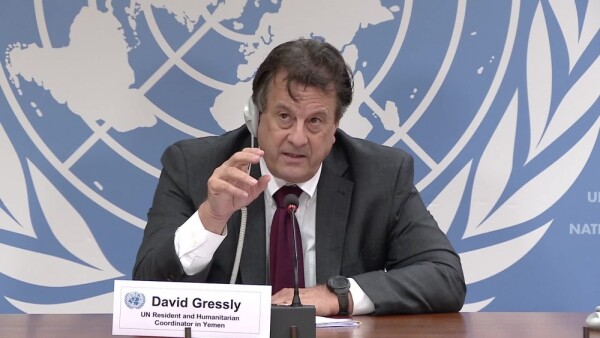
Ongoing conflict and violence across Yemen continue to impact heavily on the country’s people who desperately need the fighting to end, so that they can rebuild their lives, the UN’s senior humanitarian official in the country said on Monday.
“I’ve seen the destruction of schools, of factories, of roads and bridges; I’ve seen the destruction of power systems so what made Yemen work seven years ago in many cases no longer exists,” said David Gressly, UN Resident and Humanitarian Coordinator in Yemen.
Speaking in Geneva after a weekend that saw a car bomb at Aden airport reportedly leave 25 people dead and 110 injured, the veteran aid worker warned over the recent escalation of fighting in the oil-rich northern province of Marib.
“This is now adding to additional displacement in that area, a place where we already have over a million people displaced,” he said. “And secondly, we have enclaves where fighting is continuing where we’re not able to provide support to.”
Longstanding concerns over potential famine in the country prompted a UN-led appeal for $3.6 billion in funding in March which has raised nearly $2.1 billion to date.
An additional $500-$600 million was also pledged during the recent UN General Assembly, Mr. Gressly added, noting that although the international response has been higher than for other emergencies, “it’s been particularly focused – and we understand why – on the food security and nutrition side, for most immediate lifesaving response.”
This has left the situation inside Yemen “very fragile and if that’s not sustained, if we’re not getting the new pledges on time…in 2022, we will revert back to where we were in March,” Mr. Gressly insisted.
He explained that people needed more than emergency care: “health, education, water, access and support to IDPs (internally displaced people) and livelihood support; those are almost all funded below 20 per cent, and so while the lifesaving is important, we can’t, we cannot afford to ignore the rest.”
Critical to Yemen’s recovery is support for the country’s civil servants, many of whom have not been paid in many months, amid conflict between the internationally backed government of Abd Rabbo Mansour Hadi and Houthi opposition forces, who occupy much of the north of the country.
Mr. Gressly stressed the importance of finding ways to support these civil servants as they were key to the country’s recovery – and the UN’s aid programmes. Without them, “the whole humanitarian response” risks becoming more expensive, he said.
ends
STORY: Yemen Update – David Gressly - OCHA
TRT: 2’05”
SOURCE: UNTV CH
RESTRICTIONS: NONE
LANGUAGE: ENGLISH
ASPECT RATIO: 16:9
DATELINE: 11 October 2021, GENEVA, SWITZERLAND
SHOTLIST
- Exterior wide shot, United Nations Geneva, flag alley, national and territorial colours flying, a fine day.
- Medium shot, TV Camera crews, journalists in the UN Geneva Press room.
- SOUNDBITE: (ENGLISH): UN Resident and Humanitarian Coordinator in Yemen, David Gressly: “I’ve seen the destruction of schools, of factories, of roads and bridges; I’ve seen the destruction of power systems so what made Yemen work seven years ago in many cases no longer exists.”
- Close-up: large-screen TV showing Mr. Gressly and to rear.
- SOUNDBITE: (ENGLISH): UN Resident and Humanitarian Coordinator in Yemen, David Gressly: “We are also concerned now with the escalation in fighting around Marib; this is now adding to additional displacement in that area, a place where we already have over a million people displaced. And secondly, we have enclaves where fighting is continuing where we’re not able to provide support to.”
- Medium shot, journalist seated and masked in foreground, Mr. Gressly to rear.
- SOUNDBITE: (ENGLISH): UN Resident and Humanitarian Coordinator in Yemen, David Gressly: “We did request in March $3.6 billion, we have close to $2.1 billion already, so it’s more than 50 per cent, so in that sense good, particularly relative to other responses, but it’s been particularly focused – and we understand why – on the food security and nutrition side, for most immediate lifesaving response.”
- Close-up, TV camera viewfinder showing Mr. Gressly on screen and to rear.
- SOUNDBITE: (ENGLISH): UN Resident and Humanitarian Coordinator in Yemen, David Gressly: “But it’s very fragile and if that’s not sustained, if we’re not getting the new pledges on time, or it’s not sustained in 2022, we will revert back to where we were in March.”
- Medium shot, journalist, masked, using mouse and looking at laptop screen, TV cameras reflected in translators’ booths to rear.
- UN Resident and Humanitarian Coordinator in Yemen David Gressly: “It’s really for the other components of the response: health, education, water, access and support to IDPs and livelihood support; those are almost all funded below 20 per cent, and so while the lifesaving is important, we can’t, we cannot afford to ignore the rest.”
- Medium-wide shot, photographer sitting on the floor, taking photograph of Mr. Gressly.
- Medium shot, photographer preparing to take photograph.
- Medium shot, journalist in foreground, masked, TV camera operator to rear, masked.
Similar Stories
1
1
1
Press Conferences | WMO , UNHCR , WHO , ILO
WMO: Greenhouse Gas Bulletin; UNHCR: As attacks intensify UNHCR urges support for war ravaged Ukrainians; WHO: Clinical trials in DRC: vaccines and beyond; ILO: New global and regional estimates on domestic work, informality and working conditions
1
1
1
Edited News | OCHA , UNICEF , WFP
Aid agencies warned on Friday of the fast-developing humanitarian emergency inside Taiz City in Yemen, which has been encircled by de facto Houthi forces fighting government troops along the country’s west coast.
1
1
1
Press Conferences | UN WOMEN , WFP , WHO
UN WOMEN: Sudan Women and girls one year after the fall of El Fasher; increasing drone attacks across the country; WFP: DRC - Ebola spreads to eighth DRC province as WFP delivers food, builds treatment centres and keeps supplies moving; WHO - Update on Ebola (Bundibugyo Virus Disease)
1
12
1
1
Press Conferences , Images | UNOG
Closing Press Conference following the Sixth Consultative Meeting on Enhancing Coordination of Peace Initiatives and Efforts in Sudan

2
17
1
2
Edited News , Press Conferences , Images | OCHA , WMO
Two UN agencies teamed up on Wednesday to issue an appeal for immediate assistance to help communities already being impacted by the strongest El Niño on record.
3
16
2
2
Edited News , B-roll , Conferences , Images | UNITED NATIONS , UNOG
Sixth Consultative Meeting on Enhancing Coordination of Peace Initiatives and Efforts for Sudan
1
1
1
Press Conferences | CITES
Wildlife trade and conservation policy discussions at the 81st meeting of the CITES Standing Committee (SC81)
1
1
1
Edited News | UNICEF , WHO , UNHCR
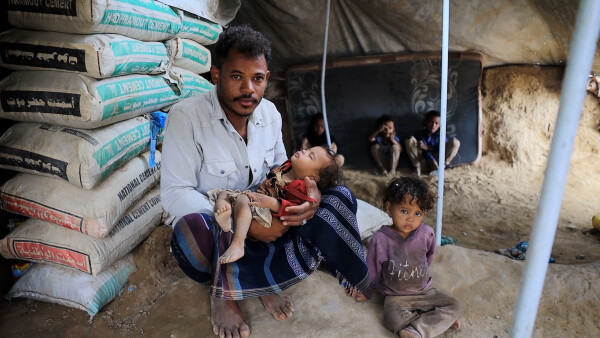
Yemen war continues to force families from homes amid hunger and disease
More than 250,000 people have now fled renewed fighting in Yemen, the UN said on Tuesday, citing particular concern for those sheltering in the southwestern city of Taiz and the wider governorate, where access is “essentially blocked”.
1
1
1
Press Conferences | UNHCR , UNCTAD , WMO , OCHA , UNICEF , WHO
UNHCR Hungary’s 1956 Refugee Crisis: 70 Years On, UNCTAD World Investment Forum 2026, Doha, WMO Greenhouse Gas Bulletin and Climate Update for COP31, OCHA Afghanistan: Malnutrition, Girls’ Education and Recovery, UNICEF Yemen: Child Malnutrition and Unsafe Water in Taiz, WHO Inequalities in Noncommunicable Diseases and Risk Factors
1
1
1
Press Conferences | UNHCR
End of UNHCR's 77th Annual Executive Committee (ExCom) meeting week

1
1
1
Edited News | UNICEF
A little over one year since a ceasefire agreement was announced between Hamas fighters and Israel, more than 340 children have been reported killed and hundreds more injured, the UN Children’s Fund, UNICEF, said on Friday.
1
1
1
Press Conferences | UNICEF , IOM , UNHCR
UN Special Assistant to the Personal Envoy Office (SUDAN): Peace Initiatives and Efforts in Sudan; UNICEF: Dire situation of children in Gaza; IOM: Damaged Homes and Energy Attacks Risk Displacing Ukrainians for this winter; UNHCR: update on EXCOM week