

The United Nations Office at Geneva
Multimedia Newsroom
Courez, mais nous vous trouverons, disent les combattants soudanais aux civils terrifiés
Une aide urgente est nécessaire pour stopper une épidémie mortelle de choléra qui se propage à travers le Soudan, ont déclaré vendredi les agences de l'ONU, tout en avertissant que les communautés continuent d'être terrorisées par les parties au conflit même lorsqu'elles fuient la violence.
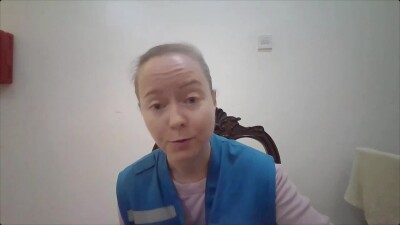
« Les gens m'ont dit à plusieurs reprises que lorsqu'ils fuyaient Zamzam [camp de déplacés], des personnes armées les menaçaient pendant leur fuite, disant bien sûr, ‘Fuyez, allez à cet endroit, courez ici, courez là, nous vous suivrons, nous vous trouverons,’» a déclaré Jocelyn Elizabeth Knight, une Officier de Protection pour l'agence des Nations Unies pour les réfugiés, le HCR.
Lors d'un briefing avec les journalistes à Genève, Mme Knight a décrit une conversation avec un enfant traumatisé dans un abri géré par l'agence, dont l'expérience se reflète à travers la nation déchirée par la guerre.
« Un petit garçon m'a dit, ‘Vous savez, pendant la journée, ça va ici, mais j'ai peur de m'endormir la nuit au cas où l'endroit où nous vivons serait à nouveau attaqué.’»
En plus des combats intenses entre les Forces armées soudanaises et les paramilitaires des Forces de soutien rapide, les civils font maintenant face à une épidémie de choléra qui se propage rapidement et qui est mortelle.
« Le choléra a balayé le Soudan avec tous les États signalant des épidémies,» a déclaré le Dr Ilham Nour, Officier supérieur d'urgence à l'Organisation mondiale de la santé (OMS) des Nations Unies, notant que depuis juillet dernier, près de 100 000 cas ont été signalés.
Des vies en danger
La maladie hautement contagieuse se propage rapidement dans des conditions insalubres. Début août, 264 cas et 12 décès ont été identifiés dans le camp de réfugiés de Dougui, dans l'est du Tchad, accueillant des arrivées soudanaises du Darfour.
Les villages environnants ont également signalé des cas suspects, tandis que d'autres ont émergé dans le camp de Treguine, l'un des nombreux camps du HCR dans l'est du Tchad qui accueillent des réfugiés soudanais.
L'aide pour contenir la maladie doit arriver immédiatement, a insisté Dossou Patrice Ahouansou, Coordinateur principal de la situation pour l'Est du Tchad du HCR.
« Nous avons encore plus de 230 000 réfugiés à la frontière dans une situation très difficile,» a-t-il déclaré. «Sans action urgente, y compris l'amélioration de l'accès aux traitements médicaux, à l'eau potable, à l'assainissement, à l'hygiène et surtout, la relocalisation depuis la frontière, beaucoup plus de vies sont en danger.»
Dans le cadre de la réponse et pour prévenir de nouveaux cas, l'agence de l'ONU a suspendu la relocalisation des réfugiés depuis les points frontaliers.
Alerte aux armes non explosées
Parallèlement, le Service de l'action antimines de l'ONU (UNMAS) a confirmé les craintes selon lesquelles des munitions non explosées provenant des batailles en cours tuent et mutilent des non-combattants qui ne sont pas conscients de l'étendue du danger.
« La triste réalité de ce conflit en cours est qu'il ne se déroule pas dans les zones rurales, il se déroule principalement dans les zones urbaines, dans les zones qui sont très peuplées,» a déclaré Mohammad Sediq Rashid, Chef de l'UNMAS au Soudan.
La semaine dernière, six champs de mines ont été confirmés à Khartoum et trois d'entre eux contenaient des mines antipersonnel - c'est la première fois que cela est signalé - a-t-il déclaré aux journalistes à Genève.
« La contamination est sur les routes, dans les maisons, dans les écoles et les pistes d'atterrissage, les installations médicales, les bases humanitaires,» a poursuivi le responsable de l'UNMAS. « C'est une population [qui] est largement inconsciente des dangers qui les attendent… ce problème ne fait que croître chaque jour.»
fin
HISTOIRE : Mise à jour sur le Soudan – HCR, UNMAS, OMS
TRT : 2’11”
SOURCE : UNTV CH
RESTRICTIONS : AUCUNE
LANGUE : ANGLAIS/ NATS
FORMAT D'IMAGE : 16:9
DATELINE : 08 AOÛT 2025 GENÈVE, SUISSE
Orateurs :
- Jocelyn Elizabeth Knight, Officier de protection du HCR pour le Darfour (depuis Port-Soudan)
- Dr Ilham NOUR, Officier supérieur d'urgence de l'OMS (via Zoom à Genève)
- Dossou Patrice Ahouansou, Coordinateur principal de la situation du HCR pour l'est du Tchad (depuis N’Djamena)
- Mohammad Sediq Rashid, Chef, UNMAS Soudan (depuis Port-Soudan)
LISTE DE PLANS
- Plan large extérieur, Palais des Nations, allée des drapeaux.
- Plan moyen-large, podium de la salle de presse et journalistes, écrans de télévision.
- EXTRAIT SONORE (Anglais) – Jocelyn Elizabeth Knight, Officier de protection du HCR pour le Darfour : “Les gens m'ont dit plusieurs fois que lorsqu'ils fuyaient Zamzam, des personnes armées les menaçaient pendant leur fuite, disant : ‘Fuyez, allez à cet endroit, courez ici, courez là-bas, nous vous suivrons, nous vous trouverons, vous savez, nous vous attraperons, où que vous alliez.’”
- Plan large, salle de presse, participants, cabines de contrôle, écran de télévision montrant l'orateur.
- EXTRAIT SONORE (Anglais) – Jocelyn Elizabeth Knight, Officier de protection du HCR pour le Darfour : “Un petit garçon m'a dit, ‘Vous savez, pendant la journée, tout va bien ici, mais j'ai peur de m'endormir la nuit au cas où l'endroit où nous vivons serait à nouveau attaqué.’”
- Plan large, salle de presse, écrans de télévision montrant l'orateur.
- EXTRAIT SONORE (Anglais) – Dr Ilham NOUR, Officier supérieur d'urgence de l'OMS (via Zoom à Genève) : “Le choléra a balayé le Soudan avec tous les États signalant des épidémies. Près de 100 000 cas ont été signalés depuis juillet de l'année dernière.”
- Plan large, orateurs au podium, salle de presse, écrans de télévision montrant l'orateur.
- EXTRAIT SONORE (Anglais) – Dossou Patrice Ahouansou, Coordinateur principal de la situation du HCR pour l'est du Tchad (depuis N’Djamena) : “Nous avons encore plus de 230 000 réfugiés à la frontière dans une situation très difficile. Donc, sans action urgente, vous savez, y compris l'amélioration de l'accès aux soins médicaux, à l'eau potable, à l'assainissement, à l'hygiène et surtout, la relocalisation depuis la frontière, vous savez, de nombreuses vies sont en danger.”
- Plan large, participants de la salle de presse, écran de télévision montrant l'orateur.
- EXTRAIT SONORE (Anglais) – Dossou Patrice Ahouansou, Coordinateur principal de la situation du HCR pour l'est du Tchad (depuis N’Djamena) : “Début août, 264 cas de choléra ont été signalés par le gouvernement dans le camp de Dougui. Et à cause de cela, le HCR a suspendu la relocalisation des réfugiés depuis les points frontaliers afin de prévenir de nouveaux cas.”
- Plan large, orateurs au podium, participants.
- EXTRAIT SONORE (Anglais) – Mohammad Sediq Rashid, Chef, UNMAS Soudan (depuis Port-Soudan) : “La semaine dernière, six champs de mines ont été confirmés à Khartoum. Trois d'entre eux contiennent des mines antipersonnel, ce qui est la première fois que nous l'entendons.”
- Plan moyen-large, journalistes, participants.
- Plan moyen, journalistes, participants.
- Plan moyen-large, participants, cabines de contrôle, logo de l'ONU reflété dans les écrans en verre.
Similar Stories

2
17
1
2
Edited News , Press Conferences | OCHA , WMO
Two UN agencies teamed up on Wednesday to issue an appeal for immediate assistance to help communities already being impacted by the strongest El Niño on record.

3
16
2
2
B-roll , Conferences , Edited News | UNITED NATIONS , UNOG
Sixth Consultative Meeting on Enhancing Coordination of Peace Initiatives and Efforts for Sudan

1
1
1
Edited News | UNICEF , WHO , UNHCR
Yemen war continues to force families from homes amid hunger and disease
More than 250,000 people have now fled renewed fighting in Yemen, the UN said on Tuesday, citing particular concern for those sheltering in the southwestern city of Taiz and the wider governorate, where access is “essentially blocked”.

1
1
1
Edited News | UNICEF
A little over one year since a ceasefire agreement was announced between Hamas fighters and Israel, more than 340 children have been reported killed and hundreds more injured, the UN Children’s Fund, UNICEF, said on Friday.

1
1
1
Edited News | UNICEF , IFRC
Six weeks after Nepal’s deadly flooding disaster, communities are still struggling to rebuild their lives, but they will need sustained help as global warming increases the risk of another Himalayan catastrophe, the UN Children’s Fund (UNICEF) said on Friday.

1
1
1
Edited News | WHO
In suspected Russia plague death, testing and monitoring underway – WHO
The death of a lab worker in Russia’s Siberia region has sparked concerns about plague being the cause, the UN World Health Organization (WHO) said on Tuesday, adding that it was following the situation closely.

1
1
Edited News | OHCHR , UNOG
UN Human Rights Chief Volker Türk on Friday provided and oral update to the 63rd session of the Human rights Council on Ukraine.

1
1
1
Edited News | OHCHR , UNOG
UN Human Rights Chief Volker Türk on Friday provided and oral update to the 63rd session of the Human rights Council on the human rights situation in Haiti.

1
1
1
Edited News | WHO
Repeated delays in bringing lifesaving medicines, prosthetics and more from Israel into Gaza risk having devastating consequences on Palestinians who urgently need them in the wartorn enclave, the UN World Health Organization (WHO) said on Friday. “A truck full of non-priority supplies or the right supplies arriving too late, doesn't save lives. That's the question that actually matters," said Dr Reinhilde Van De Weerdt, WHO Representative in the OPT.

1
1
1
Edited News | WHO
DRC: Early access to care and oxygen decisive for Ebola patients’ survival – WHO
In the Democratic Republic of the Congo (DRC), health workers fighting the country’s largest-ever Ebola outbreak are struggling to overcome critical challenges to patient care, the UN World Health Organization (WHO) warned on Tuesday.

1
1
1
Edited News | OCHA , UN
Civilians in Iran are continuing to feel the consequences of months of conflict and military escalation, the UN’s top official in the country has said, as loss of life, damage to civilian infrastructure and mounting economic pressures leave many facing continued uncertainty.
1
1
1
Edited News | WHO , UNICEF
Aid agencies in Yemen highlighted the growing hunger emergency sparked by renewed fighting between Houthi opposition forces and Government troops, after mobile health clinics reported that hundreds of children displaced by the violence are suffering from the most deadly form of malnutrition.