

The United Nations Office at Geneva
Multimedia Newsroom
La répression « systémique » du Nicaragua en matière de droits de l'homme sous les projecteurs à Genève
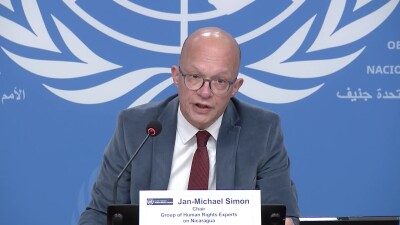
Les enquêteurs chargés par le Conseil des droits de l'homme de l'ONU de suivre les allégations de graves abus de pouvoir par les hauts responsables nicaraguayens ont insisté mercredi pour que la Cour internationale de justice poursuive ce qu'ils ont appelé la répression systématique et systémique du peuple du pays.
Le Groupe d'experts sur le Nicaragua - qui agit de manière indépendante et ne fait pas partie du personnel de l'ONU - a précédemment rapporté que les violations du gouvernement semblent constituer des crimes contre l'humanité tels que le meurtre, l'emprisonnement et la torture - y compris le viol.
Leur dernier rapport sera présenté plus tard cette semaine au Conseil, où le chef des droits de l'homme de l'ONU, Volker Türk, a abordé mercredi les violations en cours dans les Territoires palestiniens occupés dans le cadre de sa session de travail programmée.
Dans son dernier rapport, le Groupe d'experts sur le Nicaragua soutient que le président Daniel Ortega et son épouse, Rosario Murillo, ont créé « un État autoritaire où il ne reste aucune institution indépendante, où les voix de l'opposition sont réduites au silence et où la population... fait face à la persécution, à l'exil forcé et aux représailles économiques ».
Réprimer la dissidence
C'est en réponse aux graves préoccupations concernant la répression sévère des droits civils au Nicaragua que la communauté internationale a décidé en 2018 de créer un organe d'enquête pour faire rapport au Conseil des droits de l'homme.
« Nous appelons les États à tenir le Nicaragua responsable de ses violations de la Convention de l'ONU contre la torture et de la Convention de l'ONU sur l'apatridie devant la Cour internationale de justice... la communauté internationale ne peut pas simplement être témoin. Elle doit prendre des mesures concrètes », a déclaré Reed Brody, membre du Groupe d'experts sur le Nicaragua.
« Aucun pays au monde n'a utilisé la détention arbitraire de la nationalité contre les opposants politiques à la même échelle que le Nicaragua l'a fait ; et cela constitue une violation de ses obligations en vertu du droit international selon la Convention sur la réduction de l'apatridie », a poursuivi M. Brody.
« Machine de répression »
Selon le président du panel, Jan-Michael Simon, la machinerie d'État et le parti au pouvoir sandiniste « se sont pratiquement fusionnés en une machine unifiée de répression avec un impact domestique et transnational ».
Ce développement - qui a réduit les pouvoirs judiciaire, législatif et électoral « à de simples corps coordonnés par la présidence » - a entraîné de nombreux décès, « des détentions arbitraires, des disparitions forcées, des tortures, l'expulsion de nationaux, la privation arbitraire de nationalité », a insisté M. Simon.
Les experts ont également établi que l'armée nicaraguayenne, la police et les groupes paramilitaires ont écrasé en 2018 des manifestations publiques massives qui ont fait plus de 300 morts.
Aujourd'hui, la détention arbitraire, la privation de nationalité des Nicaraguayens et les expulsions forcées sont également en hausse, ont-ils insisté.
Le gouvernement cible « toute personne perçue comme une menace », poursuit leur rapport, notant la non-coopération continue des autorités avec leur enquête.
« C'est un gouvernement en guerre avec son propre peuple », a déclaré la membre du panel Ariela Peralta.
« Le Nicaragua est devenu un lieu de surveillance et de silence imposé pour ceux qui restent, tandis que ceux qui osent résister, ou sont simplement soupçonnés de le faire, font face à une vie d'apatridie et d'exil », a déclaré M. Brody.
fin
- Plan moyen extérieur : allée des drapeaux de l'ONU.
- Plan large du podium avec les orateurs dans la salle de presse.
- EXTRAIT SONORE (Anglais) Jan-Michael Simon, Président du Groupe d'experts sur le Nicaragua : « Nous pouvons aujourd'hui conclure que l'État du Nicaragua et le parti au pouvoir, le Sandinista, se sont pratiquement fusionnés en une machine unifiée de répression. Cette machine est responsable de nombreux cas de décès, de détentions arbitraires, de disparitions forcées, de torture, d'expulsion de nationaux, de privation arbitraire de nationalité, etc..»
- Plan moyen-large, écrans de télévision montrant l'orateur, journalistes, photographes.
- EXTRAIT SONORE (Anglais) Jan-Michael Simon, Président du Groupe d'experts sur le Nicaragua : «Les violations des droits de l'homme par cette machine aux mains du régime nicaraguayen ne sont pas seulement répandues et systématiques, elles sont systémiques. Des milliers de victimes, dont beaucoup sont maintenant dans la diaspora, demandent à la communauté internationale d'empêcher cette machine de continuer à violer les droits de l'homme.»
- Plan moyen-large : journalistes, photographes et orateurs au podium.
- EXTRAIT SONORE (Anglais) Reed Bródy, membre du Groupe d'experts sur le Nicaragua : « Parmi d'autres dispositions, la réforme supprime l'interdiction constitutionnelle explicite de la torture, élimine l'interdiction de la censure de la presse et consacre la déchéance de la citoyenneté pour ceux déclarés, je cite, ‘ennemis’ pardon – ‘traîtres’ à la patrie.»
- Plan moyen-large : journalistes, photographes et orateurs au podium.
- EXTRAIT SONORE (Anglais) Reed Bródy, membre du Groupe d'experts sur le Nicaragua : « Ortega et Maria peuvent maintenant retirer tous les droits, presque à volonté, convoquer l'armée pour agir comme leurs forces de police et déchaîner des policiers volontaires masqués désormais consacrés dans la Constitution pour faire leur sale travail.»
- Plan moyen-large, orateurs au podium, journalistes, écrans de télévision montrant les orateurs.
- EXTRAIT SONORE (Anglais) Reed Bródy, membre du Groupe d'experts sur le Nicaragua : « Nous appelons les États à tenir le Nicaragua responsable de ses violations de la Convention des Nations Unies contre la torture et de la Convention des Nations Unies sur l'apatridie devant la Cour internationale de justice. La communauté internationale ne peut pas seulement être témoin, elle doit prendre des mesures concrètes. Celles-ci incluent des sanctions ciblées contre les membres du gouvernement.»
- Plan moyen-large, journaliste de télévision, cabines de contrôle, orateurs au podium reflétés dans le verre.
- Plan moyen, photographe.
- Plan large, salle de presse, journaliste de télévision, photographe, cabines de contrôle.
Similar Stories

1
1
1
Edited News | UNICEF
A little over one year since a ceasefire agreement was announced between Hamas fighters and Israel, more than 340 children have been reported killed and hundreds more injured, the UN Children’s Fund, UNICEF, said on Friday.

1
1
1
Edited News | UNICEF , IFRC
Six weeks after Nepal’s deadly flooding disaster, communities are still struggling to rebuild their lives, but they will need sustained help as global warming increases the risk of another Himalayan catastrophe, the UN Children’s Fund (UNICEF) said on Friday.

1
1
1
Edited News | WHO
In suspected Russia plague death, testing and monitoring underway – WHO
The death of a lab worker in Russia’s Siberia region has sparked concerns about plague being the cause, the UN World Health Organization (WHO) said on Tuesday, adding that it was following the situation closely.

1
1
Edited News | OHCHR , UNOG
UN Human Rights Chief Volker Türk on Friday provided and oral update to the 63rd session of the Human rights Council on Ukraine.

1
1
1
Edited News | OHCHR , UNOG
UN Human Rights Chief Volker Türk on Friday provided and oral update to the 63rd session of the Human rights Council on the human rights situation in Haiti.

1
1
1
Edited News | WHO
Repeated delays in bringing lifesaving medicines, prosthetics and more from Israel into Gaza risk having devastating consequences on Palestinians who urgently need them in the wartorn enclave, the UN World Health Organization (WHO) said on Friday. “A truck full of non-priority supplies or the right supplies arriving too late, doesn't save lives. That's the question that actually matters," said Dr Reinhilde Van De Weerdt, WHO Representative in the OPT.

1
1
1
Edited News | WHO
DRC: Early access to care and oxygen decisive for Ebola patients’ survival – WHO
In the Democratic Republic of the Congo (DRC), health workers fighting the country’s largest-ever Ebola outbreak are struggling to overcome critical challenges to patient care, the UN World Health Organization (WHO) warned on Tuesday.

1
1
1
Edited News | OCHA , UN
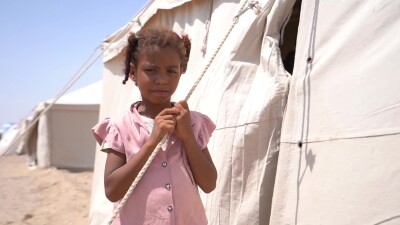
Civilians in Iran are continuing to feel the consequences of months of conflict and military escalation, the UN’s top official in the country has said, as loss of life, damage to civilian infrastructure and mounting economic pressures leave many facing continued uncertainty.
1
1
1
Edited News | WHO , UNICEF
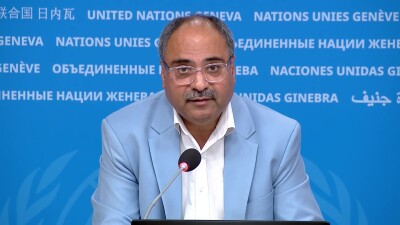
Aid agencies in Yemen highlighted the growing hunger emergency sparked by renewed fighting between Houthi opposition forces and Government troops, after mobile health clinics reported that hundreds of children displaced by the violence are suffering from the most deadly form of malnutrition.
1
1
1
Edited News | UNHCR
Displacement on the rise in Yemen as fighting continues - UNHCR
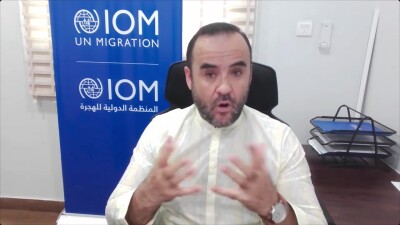
As hostilities worsen in Yemen, more people have been fleeing their homes, further intensifying the humanitarian crisis within the region, the UN Refugee Agency (UNHCR) warned on Tuesday.
1
1
1
Edited News | IOM , OHCHR , UNFPA , UNOG , UNHCR , WHO
Yemen’s humanitarian crisis growing by the hour amid spike in displacement
Yemenis displaced by renewed fighting have described fleeing for their lives amid shelling and gunfire, aid agencies reported on Friday, while highlighting the dramatic increase in humanitarian needs in the country and in Djibouti, where thousands have sought shelter.
1
1
1
Edited News | OHCHR , UNOG
The UN Human Rights Office issued on Friday a report documenting a shocking pattern of sexual violence amid Russia’s full-scale armed attack on Ukraine.