

The United Nations Office at Geneva
Multimedia Newsroom
Edited News | OHCHR , UNOG
Rapport du Haut-Commissaire des Nations Unies aux droits de l'homme Volker Türk sur la conférence de presse au Bangladesh
“Cela a été une entreprise exceptionnellement importante. Le 14 août de l'année dernière, le Dr Mohammed Yunus, le Conseiller en chef du gouvernement intérimaire du Bangladesh, m'a demandé de déployer une équipe pour mener une enquête indépendante et impartiale sur les violations et abus des droits de l'homme qui ont eu lieu entre le 1er juillet et le 15 août de l'année dernière. Je tiens à souligner l'importance de cette invitation par le Dr Yunus,” a déclaré Türk.
L'équipe d'enquête a reçu une coopération globale satisfaisante de la part des autorités, ainsi qu'un accès aux responsables actuels et anciens et à de nombreuses informations officielles importantes. “Je tiens également à exprimer ma gratitude aux nombreuses victimes et à leurs familles, aux témoins, aux professionnels de la santé et autres experts, ainsi qu'aux organisations de la société civile nationale et internationale qui ont collaboré et aidé notre équipe,” a ajouté Türk.
“Parmi nos principales conclusions : Il existe des motifs raisonnables de croire que des responsables de l'ancien gouvernement, son appareil de sécurité et de renseignement, ainsi que des éléments violents associés à l'ancien parti au pouvoir, ont commis de graves et systématiques violations des droits de l'homme. Celles-ci incluent des centaines d'exécutions extrajudiciaires, des arrestations et détentions arbitraires massives, ainsi que des actes de torture et de mauvais traitements, y compris envers des enfants, ainsi que des violences basées sur le genre,” a déclaré le Haut-Commissaire.
“Ces violations ont été perpétrées avec la connaissance, la coordination et la direction de l'ancienne direction politique et des hauts responsables de la sécurité, dans le but spécifique de réprimer les manifestations et de maintenir l'emprise de l'ancien gouvernement sur le pouvoir. Les femmes et les filles étaient à l'avant-garde des premières manifestations et notre rapport détaille qu'elles ont été spécifiquement soumises à des violences basées sur le genre par les forces de sécurité et les partisans de la Ligue Awami,” a déclaré Türk.
“Il existe des motifs raisonnables de croire que certains crimes contre l'humanité ont été commis, dirigés contre les manifestants et leurs partisans.”
“Nous avons également documenté de sérieux actes de vengeance commis par des individus privés contre les partisans de l'ancien parti au pouvoir, les officiers de police et, dans certains cas, des personnes appartenant à des groupes religieux minoritaires et distincts dans l'immédiat après les manifestations,” a-t-il déclaré.
“Des efforts pour garantir la responsabilité ont commencé, avec de nombreux cas déposés, y compris devant le Tribunal international des crimes domestiques du Bangladesh. Il existe des défis et des lacunes majeurs dans le système juridique actuel, et des mesures significatives doivent être entreprises pour garantir la conformité avec les normes internationales de procédure régulière et de procès équitable,” a déclaré le Haut-Commissaire.
Le Haut-Commissaire a déclaré que son Bureau est disponible pour conseiller le gouvernement dans la résolution de ces problèmes. “Il existe également des voies de responsabilité au niveau international qui peuvent être envisagées, telles que la juridiction universelle ainsi qu'une saisine par le Bangladesh de cette situation à la Cour pénale internationale,” a-t-il ajouté.
“Pour des violations de cette gravité et de cette ampleur, cependant, il faudra faire bien plus que des procès criminels. Ce qui est nécessaire, c'est un processus global de recherche de la vérité, de réparation, de commémoration et de réforme comme chemin vers la guérison nationale, et j'espère que ce rapport y contribuera,” a-t-il déclaré.
Selon le rapport, des milliers de personnes, y compris des enfants, ont subi des blessures qui ont changé leur vie. Des ressources seront nécessaires pour mettre en œuvre des programmes de réparation centrés sur les victimes et fournir une compensation, un traitement médical à long terme, des soins de réhabilitation et des opportunités de subsistance pour les victimes.
Le Haut-Commissaire a appelé le Bangladesh à instituer des réformes profondes afin que de telles violations graves ne se reproduisent jamais, et que les lois et institutions répressives qui les sous-tendent soient démantelées ou complètement révisées.
Il a déclaré que lorsqu'il a visité le Bangladesh en octobre dernier, il a été profondément ému par les rencontres avec les leaders étudiants, les acteurs de la société civile et les responsables qui travaillaient dur pour capitaliser sur l'élan afin de mettre en œuvre une nouvelle vision pour un Bangladesh – un pays avec les droits de l'homme et la justice sociale en son cœur.
“Au cours des dernières décennies, la promesse du Bangladesh a trop souvent été ternie par des querelles amères, et le clientélisme et la politique identitaire. Aujourd'hui, cette transition offre une chance de s'éloigner des cycles de vengeance et de se diriger vers une nouvelle approche qui rassemble la nation dans un esprit de confiance et de guérison. Faire progresser la responsabilité et les droits de l'homme sera fondamental pour réaliser cette transformation et ce changement,” a-t-il conclu.
FIN
Pour plus d'informations et demandes de presse, veuillez contacter
Ravina Shamdasani: +41 22 917 9169 / ravina.shamdasani@un.org
Jeremy Laurence: +41 22 917 9383 / jeremy.laurence@un.org
Thameen Al-Kheetan: +41 22 917 4232 / thameen.alkheetan@un.org
Taguez et partagez - Twitter: @UNHumanRights et Facebook: unitednationshumanrights
HISTOIRE : Bangladesh : Un rapport de l'ONU révèle une répression brutale et systématique des manifestations, appelle à la justice pour les violations graves des droits
TRT : 04:54
SOURCE : OHCHR / UNOG
RESTRICTIONS : AUCUNE
LANGUE : Anglais/NATS
FORMAT : 16:9
DATE : 12 février GENÈVE, SUISSE
LISTE DE PLANS
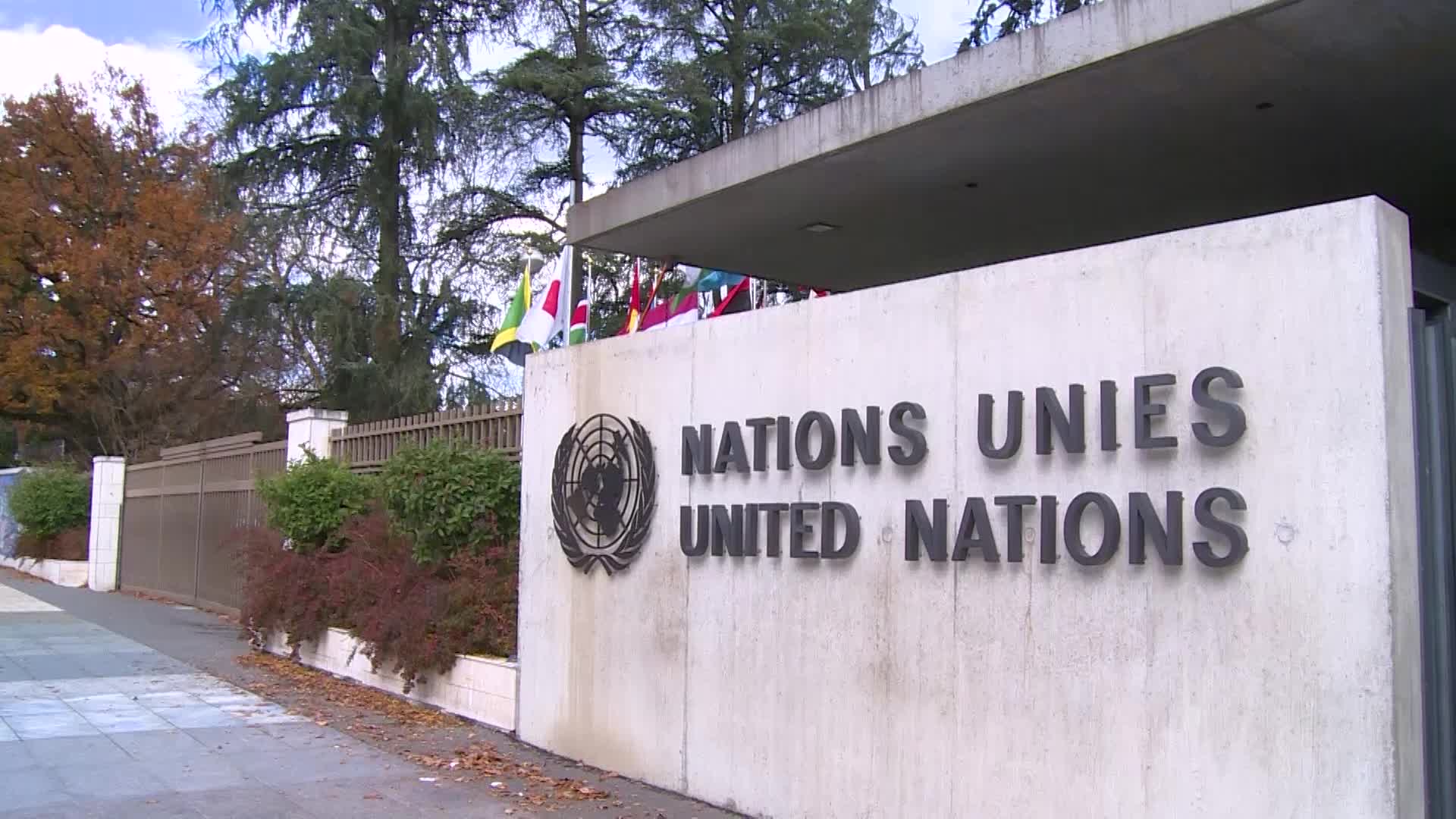
- Plan extérieur : Palais des Nations
- Plan large : Podium
- EXTRAIT SONORE (Anglais) — Volker Türk, Haut-Commissaire des Nations Unies aux droits de l'homme : « Cela a été une entreprise exceptionnellement importante. Le 14 août de l'année dernière, le Dr Mohammed Yunus, le Conseiller en chef du gouvernement intérimaire du Bangladesh, m'a demandé de déployer une équipe pour mener une enquête indépendante et impartiale sur les violations et abus des droits de l'homme qui ont eu lieu entre le 1er juillet et le 15 août de l'année dernière. Je tiens à souligner l'importance de cette invitation par le Dr Yunus.»
- Plan de coupe : couverture du rapport
- EXTRAIT SONORE (Anglais) — Volker Türk, Haut-Commissaire des Nations Unies aux droits de l'homme : « Je voudrais également exprimer ma gratitude aux nombreuses victimes et à leurs familles, aux témoins, aux professionnels de la santé et autres experts, aux organisations de la société civile nationale et internationale qui ont collaboré avec notre équipe et l'ont assistée.»
- Plan de coupe : infographies
- EXTRAIT SONORE (Anglais) — Volker Türk, Haut-Commissaire des Nations Unies aux droits de l'homme : « Parmi nos principales conclusions : Il existe des motifs raisonnables de croire que des responsables de l'ancien gouvernement, son appareil de sécurité et de renseignement, ainsi que des éléments violents associés à l'ancien parti au pouvoir, ont commis des violations graves et systématiques des droits de l'homme. Celles-ci incluent des centaines d'exécutions extrajudiciaires, des arrestations et détentions arbitraires massives, ainsi que des actes de torture et de mauvais traitements, y compris envers des enfants, ainsi que des violences basées sur le genre.»
- Plan de coupe : salle de briefing
- EXTRAIT SONORE (Anglais) — Volker Türk, Haut-Commissaire des Nations Unies aux droits de l'homme : « Ces violations ont été commises avec la connaissance, la coordination et la direction de l'ancienne direction politique et des hauts responsables de la sécurité, dans le but spécifique de réprimer les manifestations et de maintenir l'emprise de l'ancien gouvernement sur le pouvoir. Les femmes et les filles étaient à l'avant-garde des premières manifestations et notre rapport détaille qu'elles ont été spécifiquement soumises à des violences basées sur le genre par les forces de sécurité et les partisans de la Ligue Awami.»
- Plan de coupe : salle de briefing
- EXTRAIT SONORE (Anglais) — Volker Türk, Haut-Commissaire des Nations Unies aux droits de l'homme : « Il existe des motifs raisonnables de croire que certains crimes contre l'humanité ont été commis, dirigés contre les manifestants et leurs partisans.»
- Plan de coupe : salle de briefing
- EXTRAIT SONORE (Anglais) — Volker Türk, Haut-Commissaire des Nations Unies aux droits de l'homme : « Nous avons également documenté des actes graves de vengeance commis par des particuliers contre des partisans de l'ancien parti au pouvoir, des policiers et, dans certains cas, des personnes appartenant à des groupes religieux minoritaires et distincts dans l'immédiat après les manifestations.»
- Plan de coupe : salle de briefing
- EXTRAIT SONORE (Anglais) — Volker Türk, Haut-Commissaire des Nations Unies aux droits de l'homme : « Des efforts pour garantir la responsabilité ont commencé, avec de nombreux cas déposés, y compris devant le Tribunal international pour les crimes du Bangladesh. Il existe des défis majeurs et des lacunes dans le système juridique actuel, et des mesures significatives doivent être entreprises pour garantir le respect des normes internationales de procédure régulière et de procès équitable.»
- Plan de coupe : salle de briefing
- EXTRAIT SONORE (Anglais) — Volker Türk, Haut-Commissaire des Nations Unies aux droits de l'homme : « Il existe également des voies de responsabilité au niveau international qui peuvent être envisagées, telles que la juridiction universelle ainsi qu'une saisine par le Bangladesh de cette situation à la Cour pénale internationale.»
- Plan de coupe : salle de briefing
- EXTRAIT SONORE (Anglais) — Volker Türk, Haut-Commissaire des Nations Unies aux droits de l'homme : « Pour des violations de cette gravité et ampleur, cependant, il faudra faire bien plus que des procès criminels. Ce qui est nécessaire, c'est un processus global de vérité, de réparation, de commémoration et de réforme comme chemin vers la guérison nationale, et j'espère que ce rapport y contribuera.»
- Plan de coupe : salle de briefing
- EXTRAIT SONORE (Anglais) — Volker Türk, Haut-Commissaire des Nations Unies aux droits de l'homme : « Au cours des dernières décennies, la promesse du Bangladesh a trop souvent été ternie par des querelles amères, et le clientélisme et la politique identitaire. Aujourd'hui, cette transition offre une chance de se retirer des cycles de vengeance et de se diriger vers une nouvelle approche qui rassemble la nation dans un esprit de construction de la confiance et de guérison. Promouvoir la responsabilité et les droits de l'homme sera fondamental pour réaliser cette transformation et ce changement.»
Similar Stories

1
1
1
Edited News | OCHA , UNICEF , WFP
Aid agencies warned on Friday of the fast-developing humanitarian emergency inside Taiz City in Yemen, which has been encircled by de facto Houthi forces fighting government troops along the country’s west coast.

2
17
1
2
Edited News , Press Conferences , Images | OCHA , WMO
Two UN agencies teamed up on Wednesday to issue an appeal for immediate assistance to help communities already being impacted by the strongest El Niño on record.

3
16
2
2
Edited News , B-roll , Conferences , Images | UNITED NATIONS , UNOG
Sixth Consultative Meeting on Enhancing Coordination of Peace Initiatives and Efforts for Sudan

1
1
1
Edited News | UNICEF , WHO , UNHCR
Yemen war continues to force families from homes amid hunger and disease
More than 250,000 people have now fled renewed fighting in Yemen, the UN said on Tuesday, citing particular concern for those sheltering in the southwestern city of Taiz and the wider governorate, where access is “essentially blocked”.

1
1
1
Edited News | UNICEF
A little over one year since a ceasefire agreement was announced between Hamas fighters and Israel, more than 340 children have been reported killed and hundreds more injured, the UN Children’s Fund, UNICEF, said on Friday.

1
1
1
Edited News | UNICEF , IFRC
Six weeks after Nepal’s deadly flooding disaster, communities are still struggling to rebuild their lives, but they will need sustained help as global warming increases the risk of another Himalayan catastrophe, the UN Children’s Fund (UNICEF) said on Friday.

1
1
1
Edited News | WHO
In suspected Russia plague death, testing and monitoring underway – WHO
The death of a lab worker in Russia’s Siberia region has sparked concerns about plague being the cause, the UN World Health Organization (WHO) said on Tuesday, adding that it was following the situation closely.

1
1
Edited News | OHCHR , UNOG
UN Human Rights Chief Volker Türk on Friday provided and oral update to the 63rd session of the Human rights Council on Ukraine.

1
1
1
Edited News | OHCHR , UNOG
UN Human Rights Chief Volker Türk on Friday provided and oral update to the 63rd session of the Human rights Council on the human rights situation in Haiti.

1
1
1
Edited News | WHO
Repeated delays in bringing lifesaving medicines, prosthetics and more from Israel into Gaza risk having devastating consequences on Palestinians who urgently need them in the wartorn enclave, the UN World Health Organization (WHO) said on Friday. “A truck full of non-priority supplies or the right supplies arriving too late, doesn't save lives. That's the question that actually matters," said Dr Reinhilde Van De Weerdt, WHO Representative in the OPT.

1
1
1
Edited News | WHO
DRC: Early access to care and oxygen decisive for Ebola patients’ survival – WHO
In the Democratic Republic of the Congo (DRC), health workers fighting the country’s largest-ever Ebola outbreak are struggling to overcome critical challenges to patient care, the UN World Health Organization (WHO) warned on Tuesday.

1
1
1
Edited News | OCHA , UN
Civilians in Iran are continuing to feel the consequences of months of conflict and military escalation, the UN’s top official in the country has said, as loss of life, damage to civilian infrastructure and mounting economic pressures leave many facing continued uncertainty.