

The United Nations Office at Geneva
Multimedia Newsroom
L'agence de santé de l'ONU déclare que 500 à 600 camions d'aide par jour pourraient atteindre Gaza une fois le cessez-le-feu commencé
Au milieu des rapports médiatiques selon lesquels le Cabinet de sécurité d'Israël a recommandé l'approbation d'un cessez-le-feu à Gaza vendredi, les agences d'aide humanitaire se préparent à élargir le flux d'assistance humanitaire aux Palestiniens dans le territoire, dévasté par 15 mois de guerre.
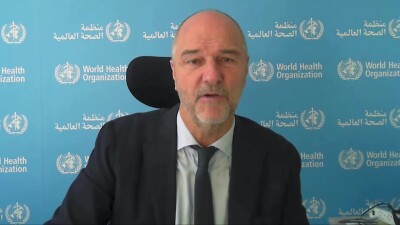
L'Organisation mondiale de la santé (OMS) de l'ONU a exprimé son optimisme quant à la possibilité que 500 à 600 camions d'aide par jour puissent accéder à la bande de Gaza, soit plus de 10 fois plus qu'aujourd'hui. « Ce serait une énorme augmentation par rapport aux 40 à 50 que nous avons vus au cours des derniers mois », a déclaré le Dr Rik Peeperkorn, représentant de l'agence de santé de l'ONU dans les Territoires palestiniens occupés (TPO).
L'OMS intensifie ses opérations, mobilisant des fournitures et des ressources essentielles pour répondre aux besoins immédiats et soutenir les efforts de relèvement précoce. Cela inclut le déploiement de « cliniques et hôpitaux préfabriqués temporaires, qui seront intégrés aux installations existantes », a expliqué le Dr Peeperkorn aux journalistes à Genève par vidéo depuis Jérusalem. Ces centres de santé préfabriqués permettront aux médecins « d'augmenter la capacité de lits nécessaire, de répondre aux besoins de santé urgents et à la prestation de services de santé », a-t-il ajouté.
Répondre aux besoins immenses et restaurer le système de santé sera complexe et difficile, compte tenu de l'ampleur, de la complexité de l'opération et des contraintes impliquées. L'OMS a annoncé hier qu'au moins 10 milliards de dollars seront nécessaires pour répondre aux besoins de relèvement du système de santé pour les cinq à sept prochaines années, dont 3 milliards seront nécessaires la première année. Un afflux d'aide pourrait aider à apporter des fournitures médicales, du carburant très nécessaire et des pièces de rechange pour les générateurs d'hôpitaux, ainsi que des pièces pour reconstruire les systèmes d'électricité, d'eau, de gestion des déchets et d'autres infrastructures qui ont été détruites par les bombardements israéliens constants.
Seule la moitié des 36 hôpitaux de Gaza sont opérationnels et plus de 25 % des blessés font face à des blessures qui changent la vie. Les soins de santé spécialisés dans de nombreux domaines sont indisponibles et les évacuations médicales à l'étranger restent « incroyablement lentes », a déclaré le Dr Peeperkorn en soulignant la nécessité d'accélérer le nombre de patients évacués de Gaza.
Avant que le passage de Rafah ne soit fermé le 6 mai de l'année dernière, environ 4 700 patients avaient été évacués depuis octobre 2023. Du 6 mai jusqu'à aujourd'hui, seuls 480 patients ont été évacués avec l'aide de l'OMS. « Nous estimons qu'au moins 12 000 patients ont besoin de soins et de traitements spéciaux ailleurs qu'à Gaza », a insisté le représentant de l'OMS, appelant à la réouverture de toutes les routes possibles, telles que la voie de référence vers Jérusalem-Est et l'Ouest ou les passages frontaliers vers l'Égypte, la Jordanie et ailleurs.
Selon l'agence de santé de l'ONU, entre le 27 novembre et le 24 décembre 2024, seules 29 des 1 200 demandes de patients ont été approuvées pour une évacuation médicale à l'étranger. « Le blocage est le processus d'approbation. Et parmi ces 1 200 patients, 405 sont des enfants et seulement 10 ont été approuvés pour voyager avec des accompagnateurs. Cela doit changer », a déclaré le Dr Peeperkorn.
Quatre-vingt-dix-neuf enfants ont été approuvés pour voyager sans leurs accompagnateurs, ce qui signifie qu'ils ne peuvent pas partir. Le ministère de la Santé de Gaza affirme que 15 000 filles et garçons ont été tués dans la bande de Gaza pendant les 15 mois de combats. « Cela représente environ 35 enfants tués par jour, apparemment, chaque jour pendant 14 mois », a déclaré James Elder, porte-parole du Fonds des Nations Unies pour l'enfance (UNICEF). Les enfants meurent non seulement dans les combats, mais aussi de malnutrition, d'hypothermie, de maladies et d'autres calamités liées à la guerre, a-t-il noté.
« Le rapport de revue par les pairs de The Lancet pointe en fait vers plus d'enfants », a ajouté M. Elder, en se référant à une recherche publiée dans la revue médicale The Lancet vendredi dernier qui estimait que le nombre de morts à Gaza pendant les neuf premiers mois du conflit Israël-Hamas était environ 40 % plus élevé que les chiffres enregistrés par le ministère de la Santé du territoire palestinien. Parmi eux, 59 % étaient des femmes, des enfants et des personnes de plus de 65 ans.
L'étude estime que le nombre total de personnes tuées sera de 64 260 d'ici la fin juin, mais même cela est probablement une sous-estimation, a déclaré le vétéran humanitaire de l'OMS. « C'est probablement plus proche de 70 000... Nous ne parlons même pas de ce que nous appelons les décès indirects : des personnes qui ont toutes sortes de maladies chroniques et n'ont pas pu accéder aux traitements. Elles sont mortes au cours des 15 derniers mois. Cela se chiffre en dizaines de milliers. C'est l'estimation. »
Au moins 113 personnes ont été tuées à Gaza depuis l'annonce du cessez-le-feu mercredi soir, selon l'agence de défense civile dirigée par le Hamas, dont 28 enfants et 31 femmes.
Fin
Histoire : “Besoins de santé à Gaza – OMS, UNICEF” – 17 janvier 2025
Orateurs :
- Dr. Rik Peeperkorn, représentant de l'Organisation mondiale de la santé (OMS) dans les territoires palestiniens occupés (TPO) (s'exprimant depuis Jérusalem)
- James Elder, porte-parole de l'UNICEF
TRT : 03’09”
SOURCE : UNTV CH
LANGUE : ANGLAIS / NATS
FORMAT D'IMAGE : 16:9
DATELINE : 17 janvier 2025 - GENÈVE, SUISSE
Conférence de presse à Genève
LISTE DE PLANS
- Plan moyen extérieur : allée des drapeaux de l'ONU.
- Plan large de la salle de conférence de presse.
- EXTRAIT SONORE (Anglais) Dr. Rik Peeperkorn, représentant de l'Organisation mondiale de la santé (OMS) dans les territoires palestiniens occupés (TPO) : “Même dans les phases initiales, nous espérons étendre nos évacuations médicales au cours des prochains mois. Comme nous le savons tous, les évacuations médicales restent incroyablement lentes. Avant la fermeture du passage de Rafah, nous parlions de 4 700 patients (évacués). Et depuis le 6 mai, seulement 480 patients ont été évacués avec l'assistance de l'OMS. Nous estimons maintenant qu'au moins 12 000 patients ont besoin de soins et de traitements spéciaux ailleurs qu'à Gaza.”
- Plan moyen : journalistes dans la salle de conférence de presse.
- EXTRAIT SONORE (Anglais) Dr. Rik Peeperkorn, représentant de l'Organisation mondiale de la santé (OMS) dans les territoires palestiniens occupés (TPO) : “Si vous regardez le nombre de patients ou de demandes soumises entre le 27 novembre et le 24 décembre 2024, seulement 29 patients sur 1 200 ont été approuvés pour une évacuation médicale à l'étranger. Donc, le principal obstacle est en fait le processus d'approbation. Et parmi ces 1 200 patients, 405 sont des enfants et seulement dix ont été approuvés pour voyager avec des accompagnateurs. Cela doit changer.”
- Plan large : salle de conférence de presse.
- EXTRAIT SONORE (Anglais) James Elder, porte-parole de l'UNICEF : “Nous avons soutenu notre utilisation des chiffres du ministère de la Santé qui montrent déjà que plus de 15 000 filles et garçons ont été tués. Cela représente environ 35 par jour, 35 enfants tués, selon les rapports, chaque jour pendant 14 mois. Le rapport de revue par les pairs de The Lancet pointe en fait vers un nombre plus élevé d'enfants.”
- Plan moyen : journalistes dans la salle de conférence de presse.
- EXTRAIT SONORE (Anglais) Dr. Rik Peeperkorn, représentant de l'Organisation mondiale de la santé (OMS) dans les territoires palestiniens occupés (TPO) : “L'objectif est de faire entrer entre 500 et 600 camions par jour, au cours des prochaines semaines, pendant ces phases. Et cela représenterait une énorme augmentation par rapport aux 40 à 50 que nous avons vus au cours des derniers mois.”
- Plan moyen : journalistes dans la salle de conférence de presse.
- EXTRAIT SONORE (Anglais) Dr. Rik Peeperkorn, représentant de l'Organisation mondiale de la santé (OMS) dans les territoires palestiniens occupés (TPO) : “Nous avons commandé des cliniques préfabriquées temporaires, des cliniques et hôpitaux préfabriqués, que nous intégrerons dans les installations existantes, mais pas de manière autonome, en intégrant les installations de santé existantes dans le cadre de cela, pour étendre la capacité de lits nécessaire, répondre aux besoins de santé urgents et à la prestation de services de santé.”
- Plan de coupe des journalistes dans la salle de conférence de presse.
- EXTRAIT SONORE (Anglais) Dr. Rik Peeperkorn, représentant de l'Organisation mondiale de la santé (OMS) dans les territoires palestiniens occupés (TPO) : “L'étude de The Lancet, de la London School (of Hygiene & Tropical Medicine) et de Yale qui compte en fait le nombre de personnes tuées est une sous-estimation. C'est probablement plus proche de 70 000. Nous l'avons toujours souligné. Deuxièmement, nous ne parlons même pas de ce que nous appelons les décès indirects : des personnes qui ont toutes sortes de maladies chroniques, etc. et qui n'ont pas pu accéder aux traitements dont elles avaient besoin et sont mortes au cours des 15 derniers mois. Cela se chiffre en dizaines de milliers. C'est l'estimation.”
- Plan de coupe des journalistes dans la salle de conférence de presse.
- Plans variés de la salle de conférence de presse.
Similar Stories

1
1
1
Edited News | OCHA , UNICEF , WFP
Aid agencies warned on Friday of the fast-developing humanitarian emergency inside Taiz City in Yemen, which has been encircled by de facto Houthi forces fighting government troops along the country’s west coast.

2
17
1
2
Edited News , Press Conferences , Images | OCHA , WMO
Two UN agencies teamed up on Wednesday to issue an appeal for immediate assistance to help communities already being impacted by the strongest El Niño on record.

3
16
2
2
Edited News , B-roll , Conferences , Images | UNITED NATIONS , UNOG
Sixth Consultative Meeting on Enhancing Coordination of Peace Initiatives and Efforts for Sudan

1
1
1
Edited News | UNICEF , WHO , UNHCR
Yemen war continues to force families from homes amid hunger and disease
More than 250,000 people have now fled renewed fighting in Yemen, the UN said on Tuesday, citing particular concern for those sheltering in the southwestern city of Taiz and the wider governorate, where access is “essentially blocked”.

1
1
1
Edited News | UNICEF
A little over one year since a ceasefire agreement was announced between Hamas fighters and Israel, more than 340 children have been reported killed and hundreds more injured, the UN Children’s Fund, UNICEF, said on Friday.

1
1
1
Edited News | UNICEF , IFRC
Six weeks after Nepal’s deadly flooding disaster, communities are still struggling to rebuild their lives, but they will need sustained help as global warming increases the risk of another Himalayan catastrophe, the UN Children’s Fund (UNICEF) said on Friday.

1
1
1
Edited News | WHO
In suspected Russia plague death, testing and monitoring underway – WHO
The death of a lab worker in Russia’s Siberia region has sparked concerns about plague being the cause, the UN World Health Organization (WHO) said on Tuesday, adding that it was following the situation closely.

1
1
Edited News | OHCHR , UNOG
UN Human Rights Chief Volker Türk on Friday provided and oral update to the 63rd session of the Human rights Council on Ukraine.

1
1
1
Edited News | OHCHR , UNOG
UN Human Rights Chief Volker Türk on Friday provided and oral update to the 63rd session of the Human rights Council on the human rights situation in Haiti.

1
1
1
Edited News | WHO
Repeated delays in bringing lifesaving medicines, prosthetics and more from Israel into Gaza risk having devastating consequences on Palestinians who urgently need them in the wartorn enclave, the UN World Health Organization (WHO) said on Friday. “A truck full of non-priority supplies or the right supplies arriving too late, doesn't save lives. That's the question that actually matters," said Dr Reinhilde Van De Weerdt, WHO Representative in the OPT.

1
1
1
Edited News | WHO
DRC: Early access to care and oxygen decisive for Ebola patients’ survival – WHO
In the Democratic Republic of the Congo (DRC), health workers fighting the country’s largest-ever Ebola outbreak are struggling to overcome critical challenges to patient care, the UN World Health Organization (WHO) warned on Tuesday.

1
1
1
Edited News | OCHA , UN
Civilians in Iran are continuing to feel the consequences of months of conflict and military escalation, the UN’s top official in the country has said, as loss of life, damage to civilian infrastructure and mounting economic pressures leave many facing continued uncertainty.