

The United Nations Office at Geneva
Multimedia Newsroom
Edited News | OHCHR , UNOG
Discours de presse du Haut-Commissaire des Nations Unies aux droits de l'homme Volker Türk
“Le coût de la guerre est si élevé. Le bilan humain est incalculable,” a déclaré Türk lors d'une conférence de presse à Genève, avant la Journée des droits de l'homme le 10 décembre. Il a noté que 2024 a été marquée par des chiffres horribles de personnes tuées et gravement blessées dans les conflits, sur et hors du champ de bataille.
“Le mépris pour le droit international et l'indifférence apparente envers les vies civiles et les infrastructures ont été mis en évidence de manière frappante dans le conflit en Israël, dans le Territoire palestinien occupé et au Liban, ainsi qu'en Ukraine, au Soudan et au Myanmar, pour ne citer que quelques exemples très frappants,” a-t-il déclaré.
“Nous devons endiguer le flux d'armes vers Haïti, le Soudan et le Myanmar ; avertir ceux qui fournissent des armes, y compris à Israël et aux acteurs armés non étatiques au Liban, en Syrie, dans le Territoire palestinien occupé, que le droit international exige que les États veillent à ce que les armes qu'ils fournissent ne soient pas utilisées pour commettre des violations. Nous devons insister sur le fait qu'il n'est pas acceptable, et pas légal, d'utiliser des mines antipersonnel en Ukraine, qu'il n'est pas acceptable de les fournir pour une utilisation là-bas, et qu'il n'est pas acceptable de réduire le seuil pour l'utilisation des armes nucléaires,” a-t-il déclaré.
Le Haut-Commissaire a souligné les développements en Syrie, où il a déclaré qu'un régime avait été chassé du pouvoir après des décennies de répression brutale, et après près de 14 ans de conflit incessant.
Les droits de l'homme de tous les Syriens doivent être au cœur de toute transition, grâce à une participation significative et inclusive, notamment des femmes et des jeunes, a-t-il déclaré. “La souveraineté, l'unité, l'indépendance et l'intégrité territoriale de la Syrie doivent être restaurées.”
“Toute transition politique doit garantir la responsabilité des auteurs de violations graves, et garantir que les responsables soient tenus pour responsables. Il est impératif que toutes les preuves soient collectées et préservées méticuleusement pour une utilisation future. La réforme de l'appareil de sécurité sera essentielle. Cette transition doit également garantir que la tragédie des personnes disparues soit abordée,” a souligné Türk.
Le Haut-Commissaire a également souligné que la propagation virale de la désinformation sur les plateformes sociales et dans certains médias traditionnels, y compris les campagnes de désinformation parrainées et financées par l'État, sème des divisions et de la haine, et discrédite les défenseurs des droits de l'homme, le journalisme indépendant et les institutions internationales.
Face à tant de défis, nous ne pouvons pas perdre les valeurs et principes profonds qui sous-tendent les droits de l'homme, a déclaré le Haut-Commissaire.
“Les droits de l'homme ne sont pas des idées abstraites ou des idéologies. Ils concernent qui nous sommes, et comment nous vivons. Ils sont ancrés dans les faits, dans le droit et dans la compassion. Ils incarnent nos besoins et nos espoirs,” a-t-il déclaré.
Pour plus d'informations et de demandes des médias, veuillez contacter
Ravina Shamdasani - + 41 22 917 9169 / ravina.shamdasani@un.org
Liz Throssell + 41 22 917 9296 / elizabeth.throssell@un.org
Jeremy Laurence - + 41 22 917 9383 / jeremy.laurence@un.org
Seif Magango - + 254 788 343 897/ seif.magango@un.org
Thameen Al-Kheetan - + 41 76 223 77 62 / thameen.alkheetan@un.org
Taguez et partagez –
Twitter: @UNHumanRights
Facebook: unitednationshumanrights
Instagram: @unitednationshumanrights
HISTOIRE : Déclarations du Haut-Commissaire des Nations Unies aux droits de l'homme, Volker Türk, lors de la conférence de presse
TRT : 02:26
SOURCE : OHCHR / UNOG
RESTRICTIONS : AUCUNE
LANGUE : Anglais/NATS
FORMAT : 16:9
DATE : 09 décembre 2024 GENÈVE, SUISSE
LISTE DE PLANS
- Plan extérieur :
- EXTRAIT SONORE (Anglais) — Volker Türk, Haut-Commissaire des Nations Unies aux droits de l'homme : «Le coût de la guerre est si élevé. Le bilan humain est incalculable.»
- Plan de coupe : salle de conférence
- EXTRAIT SONORE (Anglais) — Volker Türk, Haut-Commissaire des Nations Unies aux droits de l'homme : «Le mépris pour le droit international et l'indifférence apparente envers les vies civiles et les infrastructures ont été mis en lumière de manière flagrante dans le conflit en Israël, dans le Territoire palestinien occupé et au Liban, ainsi qu'en Ukraine, au Soudan et au Myanmar, pour ne citer que quelques exemples très marquants.»
- EXTRAIT SONORE (Anglais) — Volker Türk, Haut-Commissaire des Nations Unies aux droits de l'homme : «Nous devons enrayer le flux d'armes vers Haïti, le Soudan et le Myanmar ; avertir ceux qui fournissent des armes, y compris à Israël et aux acteurs armés non étatiques au Liban, en Syrie, dans le Territoire palestinien occupé, que le droit international exige des États qu'ils veillent à ce que les armes qu'ils fournissent ne soient pas utilisées pour commettre des violations. Nous devons insister sur le fait qu'il n'est pas acceptable, et pas légal, d'utiliser des mines antipersonnel en Ukraine, qu'il n'est pas acceptable de les fournir pour une utilisation là-bas, et qu'il n'est pas acceptable de réduire le seuil d'utilisation des armes nucléaires.»
- Plan de coupe : salle de conférence
- EXTRAIT SONORE (Anglais) — Volker Türk, Haut-Commissaire des Nations Unies aux droits de l'homme : «La souveraineté, l'unité, l'indépendance et l'intégrité territoriale de la Syrie doivent être restaurées.»
- Plan de coupe : salle de conférence
- EXTRAIT SONORE (Anglais) — Volker Türk, Haut-Commissaire des Nations Unies aux droits de l'homme : «Toute transition politique doit garantir la responsabilité des auteurs de violations graves et veiller à ce que les responsables soient tenus pour responsables. Il est impératif que toutes les preuves soient collectées et préservées méticuleusement pour une utilisation future. La réforme de l'appareil de sécurité sera essentielle. Cette transition doit également garantir que la tragédie des personnes disparues soit abordée.»
- Plan de coupe : salle de conférence
- EXTRAIT SONORE (Anglais) — Volker Türk, Haut-Commissaire des Nations Unies aux droits de l'homme : «Les droits de l'homme ne sont pas des idées abstraites ou des idéologies. Ils concernent qui nous sommes et comment nous vivons. Ils sont ancrés dans les faits, dans le droit et dans la compassion. Ils incarnent nos besoins et nos espoirs.»
- Plan de coupe : salle de conférence
Similar Stories

2
17
1
2
Edited News , Press Conferences | OCHA , WMO
Two UN agencies teamed up on Wednesday to issue an appeal for immediate assistance to help communities already being impacted by the strongest El Niño on record.
3
16
2
2
B-roll , Conferences , Edited News | UNITED NATIONS , UNOG
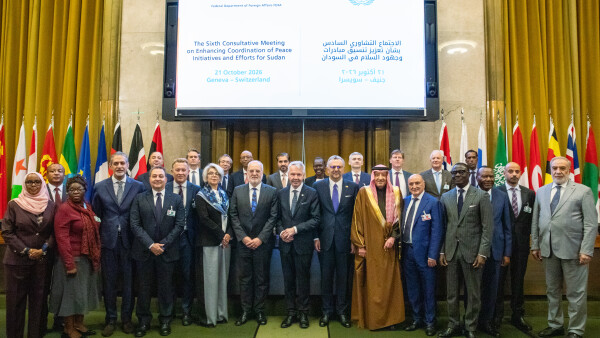
Sixth Consultative Meeting on Enhancing Coordination of Peace Initiatives and Efforts for Sudan
1
1
1
Edited News | UNICEF , WHO , UNHCR
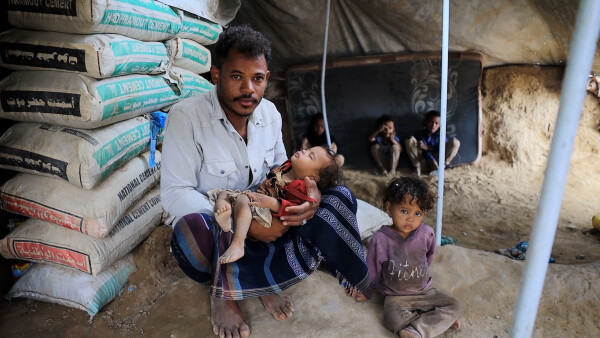
Yemen war continues to force families from homes amid hunger and disease
More than 250,000 people have now fled renewed fighting in Yemen, the UN said on Tuesday, citing particular concern for those sheltering in the southwestern city of Taiz and the wider governorate, where access is “essentially blocked”.

1
1
1
Edited News | UNICEF
A little over one year since a ceasefire agreement was announced between Hamas fighters and Israel, more than 340 children have been reported killed and hundreds more injured, the UN Children’s Fund, UNICEF, said on Friday.

1
1
1
Edited News | UNICEF , IFRC
Six weeks after Nepal’s deadly flooding disaster, communities are still struggling to rebuild their lives, but they will need sustained help as global warming increases the risk of another Himalayan catastrophe, the UN Children’s Fund (UNICEF) said on Friday.

1
1
1
Edited News | WHO
In suspected Russia plague death, testing and monitoring underway – WHO
The death of a lab worker in Russia’s Siberia region has sparked concerns about plague being the cause, the UN World Health Organization (WHO) said on Tuesday, adding that it was following the situation closely.

1
1
Edited News | OHCHR , UNOG
UN Human Rights Chief Volker Türk on Friday provided and oral update to the 63rd session of the Human rights Council on Ukraine.

1
1
1
Edited News | OHCHR , UNOG
UN Human Rights Chief Volker Türk on Friday provided and oral update to the 63rd session of the Human rights Council on the human rights situation in Haiti.

1
1
1
Edited News | WHO
Repeated delays in bringing lifesaving medicines, prosthetics and more from Israel into Gaza risk having devastating consequences on Palestinians who urgently need them in the wartorn enclave, the UN World Health Organization (WHO) said on Friday. “A truck full of non-priority supplies or the right supplies arriving too late, doesn't save lives. That's the question that actually matters," said Dr Reinhilde Van De Weerdt, WHO Representative in the OPT.

1
1
1
Edited News | WHO
DRC: Early access to care and oxygen decisive for Ebola patients’ survival – WHO
In the Democratic Republic of the Congo (DRC), health workers fighting the country’s largest-ever Ebola outbreak are struggling to overcome critical challenges to patient care, the UN World Health Organization (WHO) warned on Tuesday.

1
1
1
Edited News | OCHA , UN
Civilians in Iran are continuing to feel the consequences of months of conflict and military escalation, the UN’s top official in the country has said, as loss of life, damage to civilian infrastructure and mounting economic pressures leave many facing continued uncertainty.
1
1
1
Edited News | WHO , UNICEF
Aid agencies in Yemen highlighted the growing hunger emergency sparked by renewed fighting between Houthi opposition forces and Government troops, after mobile health clinics reported that hundreds of children displaced by the violence are suffering from the most deadly form of malnutrition.