

The United Nations Office at Geneva
Multimedia Newsroom
Edited News | OHCHR , UNOG
Le porte-parole du Bureau des droits de l'homme Jeremy Laurence exhorte les autorités de facto afghanes à protéger la liberté des médias
“Un rapport conjoint publié ce matin par le Bureau des droits de l'homme de l'ONU et la Mission d'assistance des Nations Unies en Afghanistan (MANUA) dresse un tableau inquiétant du paysage médiatique dans le pays depuis la prise de pouvoir des Talibans. Le Haut-Commissaire aux droits de l'homme de l'ONU, Volker Türk, déclare que les mesures introduites par les autorités de facto vont à l'encontre des traités internationaux relatifs aux droits de l'homme auxquels l'Afghanistan est partie,” a déclaré le porte-parole du Bureau des droits de l'homme de l'ONU, Jeremy Laurence.
“Le rapport, qui couvre la période du 15 août 2021 au 30 septembre 2024, détaille une série de violations des droits de l'homme, ainsi que des tendances inquiétantes pour la liberté des médias en Afghanistan. Les journalistes, les travailleurs des médias et les organes de presse opèrent dans un environnement de plus en plus difficile marqué par la censure et les restrictions d'accès à l'information. Les femmes journalistes et les travailleuses des médias font face à des mesures particulièrement restrictives et discriminatoires limitant profondément leur capacité à exercer leur métier,” a déclaré Laurence lors du point de presse bi-hebdomadaire.
“Les travailleurs des médias jugés avoir franchi les soi-disant ‘lignes rouges’ imposées par les autorités de facto ont été arbitrairement détenus pour des périodes allant de plusieurs heures à plusieurs mois, sans procédure régulière, et dans certains cas ont été condamnés et emprisonnés,” a-t-il dit.
Le rapport indique que depuis août 2021, de nombreux organes de presse ont été contraints de cesser leurs activités, que ce soit en raison de pressions directes sur eux ou du déclin économique général du pays et du retrait de nombreux financements de donateurs. De plus, de nombreux professionnels des médias ont cherché un avenir à l'étranger, créant une pénurie croissante d'expérience dans le secteur des médias.
“Le 19 septembre 2021, les autorités de facto ont publié une “Directive en 11 points” à l'intention des médias, interdisant, entre autres, la publication de contenus jugés contraires à leur propre évaluation de l'Islam et de la culture afghane, ou plus largement jugés contraires à des notions vagues d'“intérêt national”. D'autres restrictions incluent l'interdiction de diffuser de la musique ou des films jugés contraires à la loi religieuse de la charia, y compris ceux montrant des femmes. Dans les bureaux des organes de presse, les hommes et les femmes doivent travailler dans des espaces de travail séparés, et les hommes et les femmes présentateurs ne peuvent pas apparaître ensemble dans un programme. Dans certaines provinces, les femmes ne sont même pas autorisées à appeler dans les programmes de radio, les seules exceptions étant pour ceux sur les questions de santé ou religieuses,” a déclaré le porte-parole.
“Certains représentants des autorités de facto auraient refusé d'être interviewés ou de parler aux femmes. Ils ont favorisé la présence de journalistes masculins aux conférences de presse, tandis que les journalistes féminines n'étaient soit pas invitées, soit empêchées d'entrer aux événements à leur arrivée, ou, si présentes, priées de se déplacer à l'arrière de la salle. Le 3 mai 2023, dans la ville de Nili dans la province de Daikundi, les autorités de facto ont commémoré la Journée mondiale de la liberté de la presse avec un événement auquel les journalistes féminines n'auraient pas été invitées. Le 19 mars 2024, le ministère de l'éducation de facto a invité les journalistes à assister à un événement marquant le début de la nouvelle année scolaire. Aucune femme n'a été invitée, en raison d'un prétendu manque d'espace,” a déclaré Laurence.
“Le Haut-Commissaire déclare qu'un tel contrôle totalisant de l'espace public – ou de ce qu'il en reste – est étouffant, non seulement pour les journalistes qui tentent de faire leur travail essentiel à grand risque, mais pour tout le peuple afghan,” a déclaré Laurence.
“Le Haut-Commissaire a souligné que les autorités de facto talibanes doivent respecter les obligations de l'État afghan en vertu du Pacte international relatif aux droits civils et politiques pour garantir le droit à la liberté d'expression sans distinction d'aucune sorte, y compris de genre. Il est essentiel de respecter le rôle vital des journalistes et des travailleurs des médias, y compris les femmes, et de faciliter l'exercice, en toute sécurité, de leur profession essentielle,” a-t-il dit.
FIN
Pour plus d'informations et demandes médias, veuillez contacter
À Genève:
Liz Throssell + 41 22 917 9296 / elizabeth.throssell@un.org
Jeremy Laurence - + 41 22 917 9383 / jeremy.laurence@un.org
Taguez et partagez - Twitter: @UNHumanRights et Facebook: unitednationshumanrights
HISTOIRE : Orateur des droits de l'homme de l'ONU, Jeremy Laurence, l'ONU exhorte les autorités de facto afghanes à protéger la liberté des médias
TRT : 04:55
SOURCE : OHCHR / UNOG
RESTRICTIONS : AUCUNE
LANGUE : Anglais/NATS
RAPPORT D'ASPECT : 16:9
DATELINE : 26 novembre 2024 GENÈVE, SUISSE
LISTE DE PLANS
- Plan extérieur : Palais des Nations
- Plan intérieur : salle de briefing
- EXTRAIT SONORE (Anglais)— Jeremy Laurence, Orateur pour le Bureau du Haut-Commissaire des Nations Unies aux droits de l'homme (OHCHR) : “Un rapport conjoint publié ce matin par le Bureau des droits de l'homme de l'ONU et la Mission d'assistance des Nations Unies en Afghanistan (MANUA) dresse un tableau inquiétant du paysage médiatique dans le pays depuis la prise de contrôle par les talibans. Le Haut-Commissaire aux droits de l'homme de l'ONU, Volker Türk, déclare queles mesures introduites par les autorités de facto vont à l'encontre des traités internationaux relatifs aux droits de l'homme auxquels l'Afghanistan est partie. ”
- Plans de coupe : salle de briefing
- EXTRAIT SONORE (Anglais)— Jeremy Laurence, Orateur pour le Bureau du Haut-Commissaire des Nations Unies aux droits de l'homme (OHCHR) : “Le rapport, qui couvre la période du 15 août 2021 au 30 septembre 2024, détaille une série de violations des droits de l'homme, ainsi que des tendances inquiétantes pour la liberté des médias en Afghanistan. Les journalistes, les travailleurs des médias et les organes de presse opèrent dans un environnement de censure et de restrictions d'accès à l'information de plus en plus difficile. Les femmes journalistes et travailleuses des médias font face à des mesures restrictives et discriminatoires particulières qui limitent profondément leur capacité à exercer leur métier ”
- Plans de coupe : salle de briefing
- EXTRAIT SONORE (Anglais)— Jeremy Laurence, Orateur pour le Bureau du Haut-Commissaire des Nations Unies aux droits de l'homme (OHCHR) : “Les travailleurs des médias jugés avoir franchi les soi-disant ‘lignes rouges’ imposées par les autorités de facto ont été arbitrairement détenus pour des périodes allant de plusieurs heures à plusieurs mois, sans procédure régulière, et dans certains cas, ont été condamnés et emprisonnés ”
- Plans de coupe : salle de briefing
- EXTRAIT SONORE (Anglais)— Jeremy Laurence, Orateur pour le Bureau du Haut-Commissaire des Nations Unies aux droits de l'homme (OHCHR) : “Le 19 septembre 2021, les autorités de facto ont émis une “Directive en 11 points” aux médias, interdisant, entre autres, la publication de contenu jugé contraire à leur propre évaluation de l'islam et de la culture afghane, ou plus largement contraire à des notions vagues d'“intérêt national”. D'autres restrictions incluent une interdiction de diffuser de la musique ou des films jugés contraires à la loi religieuse de la charia, y compris ceux montrant des femmes. Dans les bureaux des organes de presse, les hommes et les femmes doivent travailler dans des espaces de travail séparés, et les hommes et les femmes présentateurs ne peuvent pas apparaître ensemble dans un programme. Dans certaines provinces, les femmes ne sont même pas autorisées à appeler les programmes radio, les seules exceptions étant pour ceux sur des questions de santé ou religieuses. ”
- Plans de coupe : salle de briefing
- EXTRAIT SONORE (Anglais)— Jeremy Laurence, Orateur pour le Bureau du Haut-Commissaire des Nations Unies aux droits de l'homme (OHCHR) : “Certains représentants des autorités de facto auraient refusé d'être interviewés ou de parler aux femmes. Ils ont favorisé la présence de journalistes masculins lors des conférences de presse, tandis que les journalistes féminines ne sont soit pas invitées, soit empêchées d'entrer dans les événements à leur arrivée, ou, si présentes, invitées à se déplacer à l'arrière de la salle. Le 3 mai 2023, dans la ville de Nili dans la province de Daikundi, les autorités de facto ont commémoré la Journée mondiale de la liberté de la presse avec un événement auquel les femmes journalistes n'auraient pas été invitées. Le 19 mars 2024, le ministère de l'éducation de facto a invité des journalistes à assister à un événement marquant le début de la nouvelle année scolaire. Aucune femme n'a été invitée, en raison d'un prétendu manque de place.”
- Plans de coupe : salle de briefing
- EXTRAIT SONORE (Anglais)— Jeremy Laurence, Orateur pour le Bureau du Haut-Commissaire des Nations Unies aux droits de l'homme (OHCHR) : “Le Haut-Commissaire déclare qu'un tel contrôle total de l'espace public – ou de ce qu'il en reste – est étouffant, non seulement pour les journalistes qui tentent de faire leur travail essentiel à grand risque, mais pour tout le peuple afghan,”
- Plans de coupe : salle de briefing
- EXTRAIT SONORE (Anglais)— Jeremy Laurence, Orateur pour le Bureau du Haut-Commissaire des Nations Unies aux droits de l'homme (OHCHR) : “Le Haut-Commissaire a souligné que les autorités de facto talibanes doivent respecter les obligations de l'État afghan en vertu du Pacte international relatif aux droits civils et politiques pour garantir le droit à la liberté d'expression sans distinction d'aucune sorte, y compris le genre. Il est essentiel de respecter le rôle vital des journalistes et des travailleurs des médias, y compris les femmes, et de faciliter l'exercice, en toute sécurité, de leur profession essentielle. ”
- Plans de coupe : salle de briefing
Similar Stories
1
1
1
Edited News | OCHA , UNICEF , WFP
Aid agencies warned on Friday of the fast-developing humanitarian emergency inside Taiz City in Yemen, which has been encircled by de facto Houthi forces fighting government troops along the country’s west coast.

2
17
1
2
Edited News , Press Conferences , Images | OCHA , WMO
Two UN agencies teamed up on Wednesday to issue an appeal for immediate assistance to help communities already being impacted by the strongest El Niño on record.
3
16
2
2
Edited News , B-roll , Conferences , Images | UNITED NATIONS , UNOG
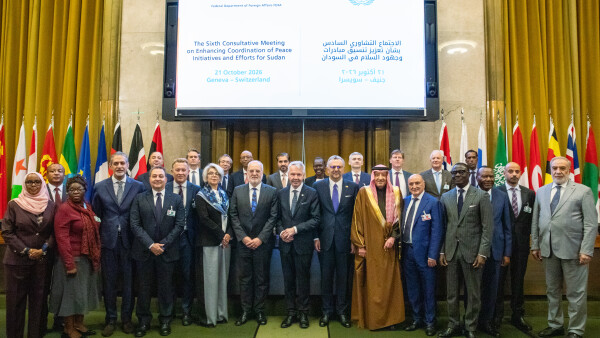
Sixth Consultative Meeting on Enhancing Coordination of Peace Initiatives and Efforts for Sudan
1
1
1
Edited News | UNICEF , WHO , UNHCR
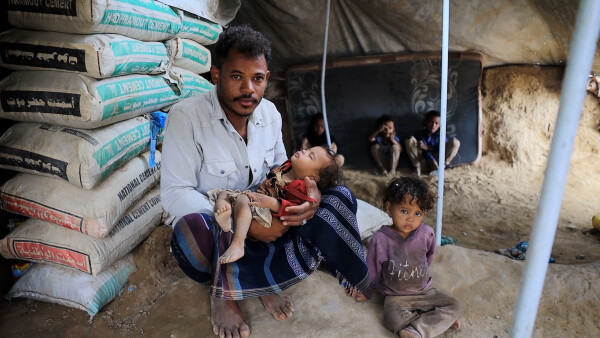
Yemen war continues to force families from homes amid hunger and disease
More than 250,000 people have now fled renewed fighting in Yemen, the UN said on Tuesday, citing particular concern for those sheltering in the southwestern city of Taiz and the wider governorate, where access is “essentially blocked”.

1
1
1
Edited News | UNICEF
A little over one year since a ceasefire agreement was announced between Hamas fighters and Israel, more than 340 children have been reported killed and hundreds more injured, the UN Children’s Fund, UNICEF, said on Friday.

1
1
1
Edited News | UNICEF , IFRC
Six weeks after Nepal’s deadly flooding disaster, communities are still struggling to rebuild their lives, but they will need sustained help as global warming increases the risk of another Himalayan catastrophe, the UN Children’s Fund (UNICEF) said on Friday.

1
1
1
Edited News | WHO
In suspected Russia plague death, testing and monitoring underway – WHO
The death of a lab worker in Russia’s Siberia region has sparked concerns about plague being the cause, the UN World Health Organization (WHO) said on Tuesday, adding that it was following the situation closely.

1
1
Edited News | OHCHR , UNOG
UN Human Rights Chief Volker Türk on Friday provided and oral update to the 63rd session of the Human rights Council on Ukraine.

1
1
1
Edited News | OHCHR , UNOG
UN Human Rights Chief Volker Türk on Friday provided and oral update to the 63rd session of the Human rights Council on the human rights situation in Haiti.

1
1
1
Edited News | WHO
Repeated delays in bringing lifesaving medicines, prosthetics and more from Israel into Gaza risk having devastating consequences on Palestinians who urgently need them in the wartorn enclave, the UN World Health Organization (WHO) said on Friday. “A truck full of non-priority supplies or the right supplies arriving too late, doesn't save lives. That's the question that actually matters," said Dr Reinhilde Van De Weerdt, WHO Representative in the OPT.

1
1
1
Edited News | WHO
DRC: Early access to care and oxygen decisive for Ebola patients’ survival – WHO
In the Democratic Republic of the Congo (DRC), health workers fighting the country’s largest-ever Ebola outbreak are struggling to overcome critical challenges to patient care, the UN World Health Organization (WHO) warned on Tuesday.

1
1
1
Edited News | OCHA , UN
Civilians in Iran are continuing to feel the consequences of months of conflict and military escalation, the UN’s top official in the country has said, as loss of life, damage to civilian infrastructure and mounting economic pressures leave many facing continued uncertainty.