

The United Nations Office at Geneva
Multimedia Newsroom
HISTOIRE
Gaza : De nouveaux ordres d'évacuation aggravent la misère des déplacés de l'enclave
De nouveaux déplacements forcés ont continué à Gaza alors que les tensions régionales s'intensifient après une frappe meurtrière dans le Golan syrien où 12 jeunes ont été tués ce week-end, ont déclaré les humanitaires de l'ONU.
Les ordres d'évacuation émis par l'armée israélienne ont touché les camps de réfugiés de Nuseirat et Bureij, forçant les familles à se relocaliser « encore et encore, sachant que la sécurité est inexistante dans la bande de Gaza », a déclaré l'agence de l'ONU pour les réfugiés palestiniens, l'UNRWA, dans un message sur X.
Plus de neuf mois après le début de la guerre à Gaza, seulement 14 % de l'enclave n'a pas été touchée par les ordres d'évacuation, a déclaré le Commissaire de l'UNRWA, Philippe Lazzarini.
« Très souvent, les gens n'ont que quelques heures pour emballer ce qu'ils peuvent et tout recommencer, principalement à pied ou sur une charrette tirée par un âne bondée pour ceux qui peuvent se le permettre », a-t-il déclaré. « Presque tout le monde à Gaza a été touché par ces ordres. Beaucoup ont été forcés de fuir en moyenne une fois par mois depuis le début de la guerre il y a neuf mois. »
Dans un développement connexe, l'agence de l'ONU a condamné la destruction signalée d'une usine de traitement de l'eau à Rafah, dans le sud de Gaza, un point central de l'action militaire israélienne depuis début mai. « À tout moment, quelque chose se passe, comme ce qui semble s'être passé à Rafah ce week-end avec une usine de traitement de l'eau détruite, cela impacte notre capacité à produire de l'eau », a déclaré Scott Anderson – Coordinateur humanitaire adjoint de l'ONU et Directeur des affaires de l'UNRWA à Gaza. L'agence de l'ONU n'a pas été en mesure d'évaluer la situation de manière indépendante, a-t-il noté.
Évoquant les témoignages de personnes déplacées de force qui sont parmi celles aidées par l'UNRWA, M. Anderson a raconté comment une femme avec des jumeaux a expliqué le chaos du bouleversement : « Elle a dit, oui, en gros, c'était un enfant pour chaque bras et un petit sac à dos, vous savez, et ils partent essayer de trouver la sécurité. »
Selon l'UNRWA, des ordres d'évacuation sont désormais émis « tous les deux jours », tandis que le bureau de coordination des affaires humanitaires de l'ONU, OCHA, a rapporté vendredi que les partenaires humanitaires estimaient que plus de 190 000 Palestiniens avaient été déplacés la semaine dernière à Khan Younis et Deir al Balah, depuis un ordre d'évacuation émis il y a sept jours.
Des directives d'évacuation récentes et des hostilités intenses ont continué à déstabiliser les opérations d'aide et à entraver les efforts pour fournir une aide critique aux civils à Khan Younis, a noté l'OCHA.
Elle a maintenu que l'insécurité persistante et la désignation d'« un seul point d'accès pour l'entrée et la sortie du personnel humanitaire à Gaza – le passage de Kerem Shalom – ont entravé les efforts pour déployer des équipes médicales d'urgence supplémentaires à Gaza » – même si ces travailleurs sont crucialement nécessaires pour aider à soutenir la « force de santé locale épuisée ».
« J'ai rencontré une mère et un enfant, un bébé de deux mois qui mourait de faim et la mère n'avait pas suffisamment de nutrition pour allaiter et nourrir son bébé », a déclaré M. Anderson dans une interview avec UN News. Il a expliqué que « lorsque vous atteignez la malnutrition sévère ou aiguë, vous ne pouvez pas simplement donner du lait ou de la nourriture et le bébé se rétablira. Vous savez, pour une mère de recommencer à allaiter est presque impossible… Et ils vous regardent et disent, 'Que pouvez-vous faire pour m'aider ?'
Les dernières données de l'ONU indiquent que 93 % des écoles ont été endommagées et beaucoup ont été directement touchées à Gaza. Un tiers des écoles touchées sont des écoles de l'UNRWA dont environ 14 000 enseignants enseignaient à environ 370 000 élèves. Pour aider les centaines de milliers d'enfants maintenant déscolarisés dans l'enclave, l'UNRWA et le Fonds des Nations Unies pour l'enfance, UNICEF, prévoient de fournir un coup de pouce éducatif à partir du jeudi 1er août.
« Nous allons essayer de remettre tous les 600 000 enfants qui devraient être à l'école dans un environnement d'apprentissage quelconque », a déclaré M. Anderson. « Espérons que c'est le début de ce processus de reconstruction de Gaza en quelque chose de mieux qu'avant le 7 octobre et de donner aux gens, vous savez, l'opportunité de continuer à vivre dans la dignité. »
Il a ajouté : « C'est incroyable que les gens sourient encore, que vous les voyiez essayer de continuer leur vie ou un certain esprit entrepreneurial. »
fin
HISTOIRE : Mise à jour humanitaire de Gaza – UNWRA Scott Anderson
TRT : 2 min XXs
SOURCE : UNTV CH
RESTRICTIONS : AUCUNE
LANGUE : ANGLAIS / NATS
RAPPORT D'ASPECT : 16:9
DATELINE : 30 JUILLET 2024 GENÈVE, SUISSE Extérieur moyen : allée des drapeaux de l'ONU à Genève.
- Plan moyen-large : salle de contrôle du studio UNTV, orateur invité sur écran de télévision, technicien.
- EXTRAIT SONORE (Anglais) – Scott Anderson – Coordinateur humanitaire adjoint et Directeur des affaires de l'UNRWA à Gaza : « Chaque fois que quelque chose se passe, comme ce qui semble s'être passé à Rafah ce week-end avec une usine de traitement d'eau détruite, cela impacte notre capacité à produire de l'eau. Vous savez, malheureusement, nous ne sommes pas allés à Rafah depuis le 6 mai, lorsque l'opération a commencé, car c'est un environnement bien trop dynamique. Il faudrait une coordination avec toutes les parties au conflit pour que nous puissions y aller, donc nous ne pouvons pas entrer et évaluer ce qui s'est passé. »
- Plan moyen : moniteurs de télévision montrant M. Anderson.
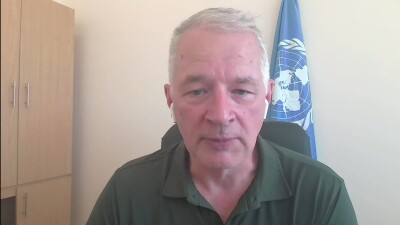
- Plan moyen-rapproché : écran d'ordinateur portable montrant M. Anderson lors d'une interview Zoom.
- EXTRAIT SONORE (Anglais) – Scott Anderson – Coordinateur humanitaire adjoint et Directeur des affaires de l'UNRWA à Gaza : « Le déplacement est un terme très stérile, n'est-ce pas, cela semble très ordonné et propre. C'est tout sauf ça, c'est très chaotique, c'est très effrayant pour les gens. Et souvent, ils ne peuvent emporter que ce qu'ils peuvent porter. J'ai rencontré une femme qui avait des jumeaux, et elle a dit, oui, en gros, c'était un enfant pour chaque bras et un petit sac à dos, vous savez, et ils partent essayer de trouver un endroit sûr. »
- Plan rapproché, compteur audio.
- EXTRAIT SONORE (Anglais) – Scott Anderson – Coordinateur humanitaire adjoint et Directeur des affaires de l'UNRWA à Gaza : « J'ai rencontré une mère et un enfant, un bébé de deux mois qui mourait de faim et la mère n'avait pas suffisamment de nutrition pour allaiter et nourrir son bébé. Et quand vous arrivez à une malnutrition sévère ou aiguë, vous ne pouvez pas simplement donner du lait ou de la nourriture et le bébé se rétablira. Vous savez, pour une mère, recommencer à allaiter est presque impossible… Et ils vous regardent et disent, 'Que pouvez-vous faire pour m'aider ?' Et la réponse est rien. »
- Plan moyen : technicien du studio UNTV.
- EXTRAIT SONORE (Anglais) – Scott Anderson – Coordinateur humanitaire adjoint et Directeur des affaires de l'UNRWA à Gaza : « C'est incroyable que les gens sourient encore, que vous les voyez essayer de continuer leur vie ou montrer un esprit entrepreneurial. »
- Plan moyen, écrans montrant M. Anderson parlant.
- EXTRAIT SONORE (Anglais) – Scott Anderson – Coordinateur humanitaire adjoint et Directeur des affaires de l'UNRWA à Gaza : « Le 1er août, avec l'UNICEF et d'autres partenaires, nous allons essayer de remettre les 600 000 enfants qui devraient être à l'école dans un environnement d'apprentissage. Cela prendra du temps, mais c'est une entreprise qui en vaut la peine. Et j'espère que c'est le début de ce processus de reconstruction de Gaza en quelque chose de mieux qu'avant le 7 octobre et de donner aux gens, vous savez, l'opportunité de continuer à vivre dans la dignité. »
- Plan rapproché, écran d'ordinateur portable montrant M. Anderson.
Similar Stories
1
1
1
Edited News | OCHA , UNICEF , WFP
Aid agencies warned on Friday of the fast-developing humanitarian emergency inside Taiz City in Yemen, which has been encircled by de facto Houthi forces fighting government troops along the country’s west coast.

2
17
1
2
Edited News , Press Conferences , Images | OCHA , WMO
Two UN agencies teamed up on Wednesday to issue an appeal for immediate assistance to help communities already being impacted by the strongest El Niño on record.
3
16
2
2
Edited News , B-roll , Conferences , Images | UNITED NATIONS , UNOG
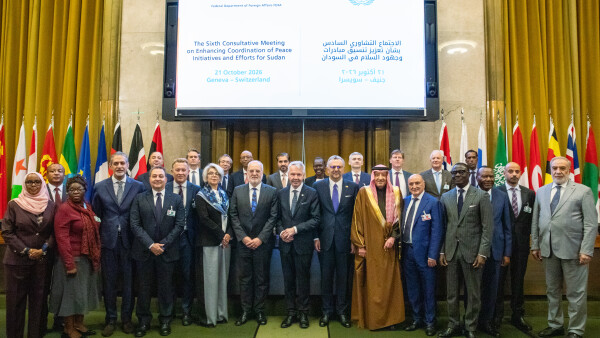
Sixth Consultative Meeting on Enhancing Coordination of Peace Initiatives and Efforts for Sudan

1
1
1
Edited News | UNICEF , WHO , UNHCR
Yemen war continues to force families from homes amid hunger and disease
More than 250,000 people have now fled renewed fighting in Yemen, the UN said on Tuesday, citing particular concern for those sheltering in the southwestern city of Taiz and the wider governorate, where access is “essentially blocked”.

1
1
1
Edited News | UNICEF
A little over one year since a ceasefire agreement was announced between Hamas fighters and Israel, more than 340 children have been reported killed and hundreds more injured, the UN Children’s Fund, UNICEF, said on Friday.

1
1
1
Edited News | UNICEF , IFRC
Six weeks after Nepal’s deadly flooding disaster, communities are still struggling to rebuild their lives, but they will need sustained help as global warming increases the risk of another Himalayan catastrophe, the UN Children’s Fund (UNICEF) said on Friday.

1
1
1
Edited News | WHO
In suspected Russia plague death, testing and monitoring underway – WHO
The death of a lab worker in Russia’s Siberia region has sparked concerns about plague being the cause, the UN World Health Organization (WHO) said on Tuesday, adding that it was following the situation closely.

1
1
Edited News | OHCHR , UNOG
UN Human Rights Chief Volker Türk on Friday provided and oral update to the 63rd session of the Human rights Council on Ukraine.

1
1
1
Edited News | OHCHR , UNOG
UN Human Rights Chief Volker Türk on Friday provided and oral update to the 63rd session of the Human rights Council on the human rights situation in Haiti.

1
1
1
Edited News | WHO
Repeated delays in bringing lifesaving medicines, prosthetics and more from Israel into Gaza risk having devastating consequences on Palestinians who urgently need them in the wartorn enclave, the UN World Health Organization (WHO) said on Friday. “A truck full of non-priority supplies or the right supplies arriving too late, doesn't save lives. That's the question that actually matters," said Dr Reinhilde Van De Weerdt, WHO Representative in the OPT.

1
1
1
Edited News | WHO
DRC: Early access to care and oxygen decisive for Ebola patients’ survival – WHO
In the Democratic Republic of the Congo (DRC), health workers fighting the country’s largest-ever Ebola outbreak are struggling to overcome critical challenges to patient care, the UN World Health Organization (WHO) warned on Tuesday.

1
1
1
Edited News | OCHA , UN
Civilians in Iran are continuing to feel the consequences of months of conflict and military escalation, the UN’s top official in the country has said, as loss of life, damage to civilian infrastructure and mounting economic pressures leave many facing continued uncertainty.