

The United Nations Office at Geneva
Multimedia Newsroom
HISTOIRE
Seulement 30 pour cent des femmes dans le monde ont accès à Internet, déclare l'UIT
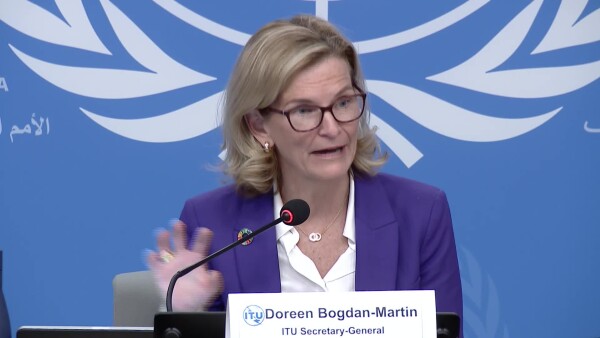
Les femmes représentent toujours une part disproportionnée et croissante de la population mondiale hors ligne - avec seulement 30 pour cent ayant accès à Internet dans les pays les moins développés. Cela selon la première femme Secrétaire Générale de l'Union Internationale des Télécommunications (UIT), Doreen Bogdan-Martin, qui s'est adressée aux journalistes à Genève à la veille de la Journée Internationale de la Femme (8 mars).
“J'ai vu des femmes qui ne peuvent pas se permettre un smartphone, des femmes dans des pays où les téléphones portables d'entrée de gamme peuvent dépasser 70 pour cent des revenus mensuels moyens des ménages,” a déclaré Mme Bogdan-Martin lors d'un briefing aux Nations Unies à Genève sur les priorités mondiales de l'UIT pour 2024 - qui incluent la réduction de cet écart entre les sexes en matière d'accès à Internet.
“Les femmes représentent toujours une part disproportionnée et croissante de la population mondiale hors ligne, dépassant les hommes d'environ 20 pour cent dans les pays les moins développés. Seulement 30 pour cent des femmes ont accès à Internet,” a-t-elle dit.
Pour 2024, les États membres de l'UIT ont fixé deux objectifs stratégiques clairs pour l'Union à l'avenir : la connectivité universelle et la transformation numérique durable.
Après 14 mois à la tête de l'UIT, Mme Bogdan-Martin a déclaré qu'elle avait "expérimenté durant mon mandat de Secrétaire Générale de l'UIT deux mondes, … un dans les pays à revenu élevé où presque 90 pour cent de la population est couverte par un réseau 5G et un monde beaucoup plus grand et aussi plus pauvre où le service est presque absent et, lorsqu'il est disponible, il n'est pas abordable.”
En se tournant vers la lutte contre le changement climatique, la Secrétaire Générale de l'UIT a souligné que l'Intelligence Artificielle (IA) peut atténuer 10 pour cent des émissions de gaz à effet de serre d'ici 2030. Les solutions numériques telles que l'IA peuvent aider à accélérer les progrès en matière de changement climatique, d'éducation et de pauvreté, a-t-elle déclaré.
“Il y a des opportunités incroyables que nous pouvons tirer de l'IA en général, de l'IA générative,” a-t-elle dit. “Mais il y a des risques et nous devons être capables de gérer et d'atténuer ces risques. C'est un défi de trouver comment équilibrer entre réguler et étouffer l'innovation. Et c'est le débat actuel que nous voyons, non seulement ici à Genève, mais je pense globalement.”
Selon l'UIT, 2,6 milliards de personnes aujourd'hui ne sont pas connectées et n'ont jamais été connectées à Internet. Pour Mme Bogdan-Martin “c'est vraiment l'un des plus grands défis de notre génération.”
“Ma plus grande peur et ce qui me tient éveillée la nuit, ce sont les 2,6 milliards de personnes qui ne sont pas connectées et je dis cela parce que si vous ne faites pas partie du monde numérique, alors vous ne faites pas partie du monde de l'IA. Et je pense que nous devons combler cet écart et en parallèle trouver des moyens de rendre l'IA plus sûre.”
-fin-
HISTOIRE : UIT
TRT : 2:43”
SOURCE : UNTV CH
RESTRICTIONS : AUCUNE
LANGUE : ANGLAIS / NATS
FORMAT D'IMAGE : 16:9
LIEU DE TOURNAGE : 7 mars 2024 GENÈVE, SUISSE
- Plan moyen extérieur : allée du drapeau de l'ONU
- Plan large : orateurs lors de la conférence de presse
- SON (anglais) – Doreen Bogdan-Martin, Secrétaire générale de l'Union internationale des télécommunications (UIT) : « J'ai vu des femmes qui ne peuvent pas se permettre un smartphone, des femmes dans des pays où les téléphones portables d'entrée de gamme peuvent dépasser 70 %, 70 % des revenus mensuels moyens des ménages.”
- Plan large : salle de presse avec des journalistes
- SON (anglais) – Doreen Bogdan-Martin, Secrétaire générale de l'Union internationale des télécommunications (UIT) : « Les femmes représentent toujours une part disproportionnée et croissante de la population mondiale non connectée, dépassant les hommes de près de 20 %. Dans les pays les moins avancés, seules 30 % des femmes ont accès à Internet.”
- Plan large : podium avec orateur et photographe
- SON (anglais) – Doreen Bogdan-Martin, Secrétaire générale de l'Union internationale des télécommunications (UIT) : « Il y a des opportunités incroyables que nous pouvons tirer de l'IA en général, de l'IA générative. Mais il y a des risques et nous devons être en mesure de gérer et d'atténuer ces risques. C'est un défi de trouver comment équilibrer entre réglementer et étouffer l'innovation. Et c'est le débat actuel que nous voyons, non seulement ici à Genève, mais je pense globalement.”
- Plan moyen : orateur au podium, filmé de dos
- SON (anglais) – Doreen Bogdan-Martin, Secrétaire générale de l'Union internationale des télécommunications (UIT) : « Ma plus grande peur et ce qui me tient éveillée la nuit, ce sont les 2,6 milliards de personnes qui ne sont pas connectées et je dis cela parce que si vous ne faites pas partie du monde numérique, alors vous ne faites pas partie du monde de l'IA. Et je pense que nous devons combler ce fossé et en parallèle trouver des moyens de rendre l'IA plus sûre.”
- Plan rapproché : journaliste écoutant
- Plan rapproché : journaliste écoutant
- Plan moyen : cameramen et photographe dans la salle de presse
- Plan moyen : salle de presse avec des journalistes
- Plan large : salle de briefing avec des journalistes
- Plan large : salle de briefing avec des journalistes et des orateurs au podium
Similar Stories

1
1
1
Edited News | UNICEF
A little over one year since a ceasefire agreement was announced between Hamas fighters and Israel, more than 340 children have been reported killed and hundreds more injured, the UN Children’s Fund, UNICEF, said on Friday.

1
1
1
Edited News | UNICEF , IFRC
Six weeks after Nepal’s deadly flooding disaster, communities are still struggling to rebuild their lives, but they will need sustained help as global warming increases the risk of another Himalayan catastrophe, the UN Children’s Fund (UNICEF) said on Friday.

1
1
1
Edited News | WHO
In suspected Russia plague death, testing and monitoring underway – WHO
The death of a lab worker in Russia’s Siberia region has sparked concerns about plague being the cause, the UN World Health Organization (WHO) said on Tuesday, adding that it was following the situation closely.

1
1
Edited News | OHCHR , UNOG
UN Human Rights Chief Volker Türk on Friday provided and oral update to the 63rd session of the Human rights Council on Ukraine.

1
1
1
Edited News | OHCHR , UNOG
UN Human Rights Chief Volker Türk on Friday provided and oral update to the 63rd session of the Human rights Council on the human rights situation in Haiti.

1
1
1
Edited News | WHO
Repeated delays in bringing lifesaving medicines, prosthetics and more from Israel into Gaza risk having devastating consequences on Palestinians who urgently need them in the wartorn enclave, the UN World Health Organization (WHO) said on Friday. “A truck full of non-priority supplies or the right supplies arriving too late, doesn't save lives. That's the question that actually matters," said Dr Reinhilde Van De Weerdt, WHO Representative in the OPT.

1
1
1
Edited News | WHO
DRC: Early access to care and oxygen decisive for Ebola patients’ survival – WHO
In the Democratic Republic of the Congo (DRC), health workers fighting the country’s largest-ever Ebola outbreak are struggling to overcome critical challenges to patient care, the UN World Health Organization (WHO) warned on Tuesday.

1
1
1
Edited News | OCHA , UN
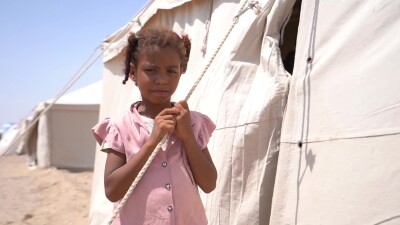
Civilians in Iran are continuing to feel the consequences of months of conflict and military escalation, the UN’s top official in the country has said, as loss of life, damage to civilian infrastructure and mounting economic pressures leave many facing continued uncertainty.
1
1
1
Edited News | WHO , UNICEF
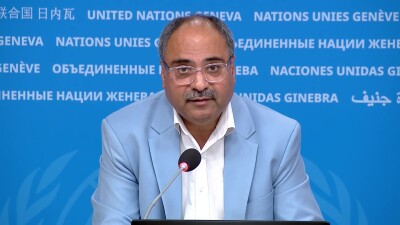
Aid agencies in Yemen highlighted the growing hunger emergency sparked by renewed fighting between Houthi opposition forces and Government troops, after mobile health clinics reported that hundreds of children displaced by the violence are suffering from the most deadly form of malnutrition.
1
1
1
Edited News | UNHCR
Displacement on the rise in Yemen as fighting continues - UNHCR
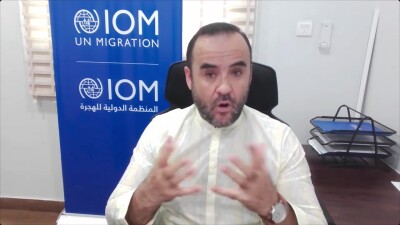
As hostilities worsen in Yemen, more people have been fleeing their homes, further intensifying the humanitarian crisis within the region, the UN Refugee Agency (UNHCR) warned on Tuesday.
1
1
1
Edited News | IOM , OHCHR , UNFPA , UNOG , UNHCR , WHO
Yemen’s humanitarian crisis growing by the hour amid spike in displacement
Yemenis displaced by renewed fighting have described fleeing for their lives amid shelling and gunfire, aid agencies reported on Friday, while highlighting the dramatic increase in humanitarian needs in the country and in Djibouti, where thousands have sought shelter.
1
1
1
Edited News | OHCHR , UNOG
The UN Human Rights Office issued on Friday a report documenting a shocking pattern of sexual violence amid Russia’s full-scale armed attack on Ukraine.