

The United Nations Office at Geneva
Multimedia Newsroom
Edited News , Press Conferences | OCHA , UNHCR
L'ONU lance un appel pour 4,1 milliards de dollars d'aide pour le Soudan déchiré par la guerre et les pays accueillant des réfugiés
L'ONU lance un appel de 4,1 milliards de dollars d'aide pour le Soudan déchiré par la guerre et les pays accueillant des réfugiés
Les Nations Unies ont exhorté mercredi les pays à ne pas oublier des millions de personnes prises dans le conflit au Soudan, tout en demandant 4,1 milliards de dollars pour aider à prévenir les craintes de famine et à assister ceux qui ont fui à l'étranger vers les États frontaliers.
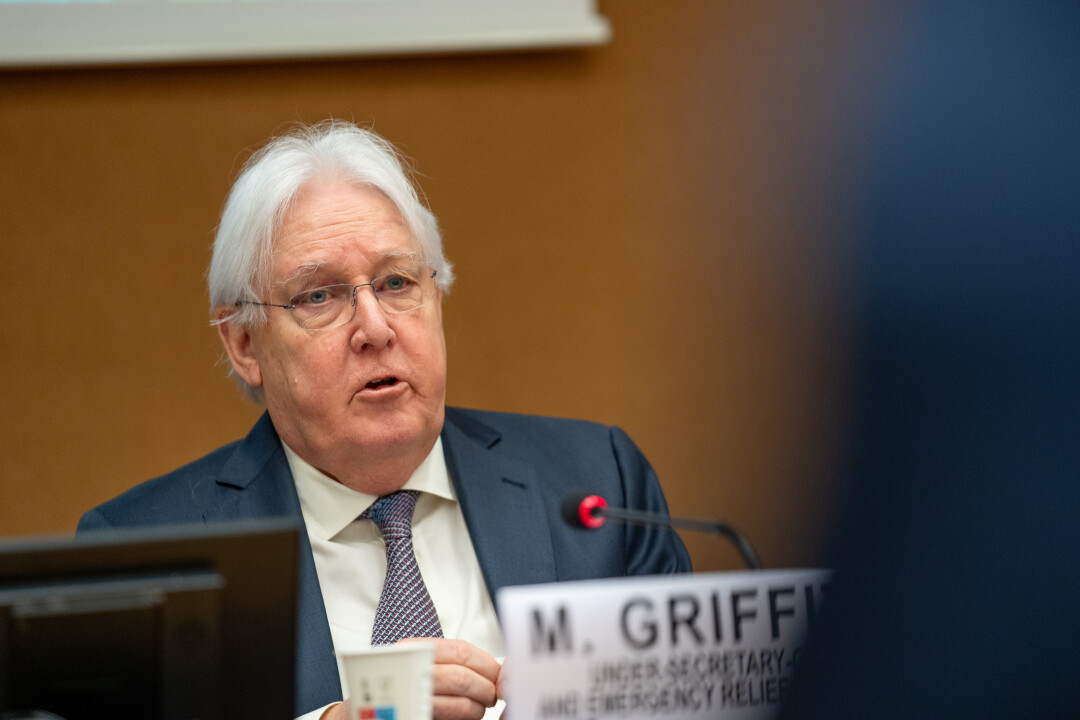
À ce jour, la guerre de dix mois a créé l'une des « plus grandes crises de déplacement et de protection au monde », selon les agences des Nations Unies. « La moitié de la population du Soudan, soit 25 millions de personnes, a besoin d'une assistance humanitaire », a déclaré Martin Griffiths, chef des secours d'urgence de l'ONU et responsable du bureau de coordination de l'aide de l'ONU, OCHA.
S'adressant aux journalistes à Genève, il a souligné que trop de personnes dans le besoin étaient des enfants, et que 18 millions de personnes étaient en insécurité alimentaire aiguë.
La propagation du conflit entre les forces armées soudanaises (SAF) et les Forces de soutien rapide (RSF) dans des régions telles que l'État de Gezira, le grenier à pain du pays, a suscité des avertissements de famine. « Si nous commençons à voir la famine au Soudan s'ajouter à la violence, au déplacement et au manque d'horizon politique, alors je pense que nous pouvons tous convenir que nous n'avons aucune humanité en nous pour permettre que cela se produise », a déclaré M. Griffiths.
Deux personnes sur trois au Soudan n'ont pas accès aux soins de santé et environ 19 millions d'enfants sont hors de l'école.
Pour fournir une assistance humanitaire à l'intérieur du Soudan, l'OCHA a besoin de 2,7 milliards de dollars pour aider 14,7 millions de personnes.
Pour tous ceux qui ont fui le pays, l'agence des Nations Unies pour les réfugiés (HCR) a demandé un supplément de 1,4 milliard de dollars pour soutenir 2,7 millions de personnes déplacées dans cinq pays frontaliers du Soudan dont les ressources sont épuisées.
L'année dernière, l'appel à fournir une aide aux civils au Soudan a été financé à hauteur de 38 pour cent.
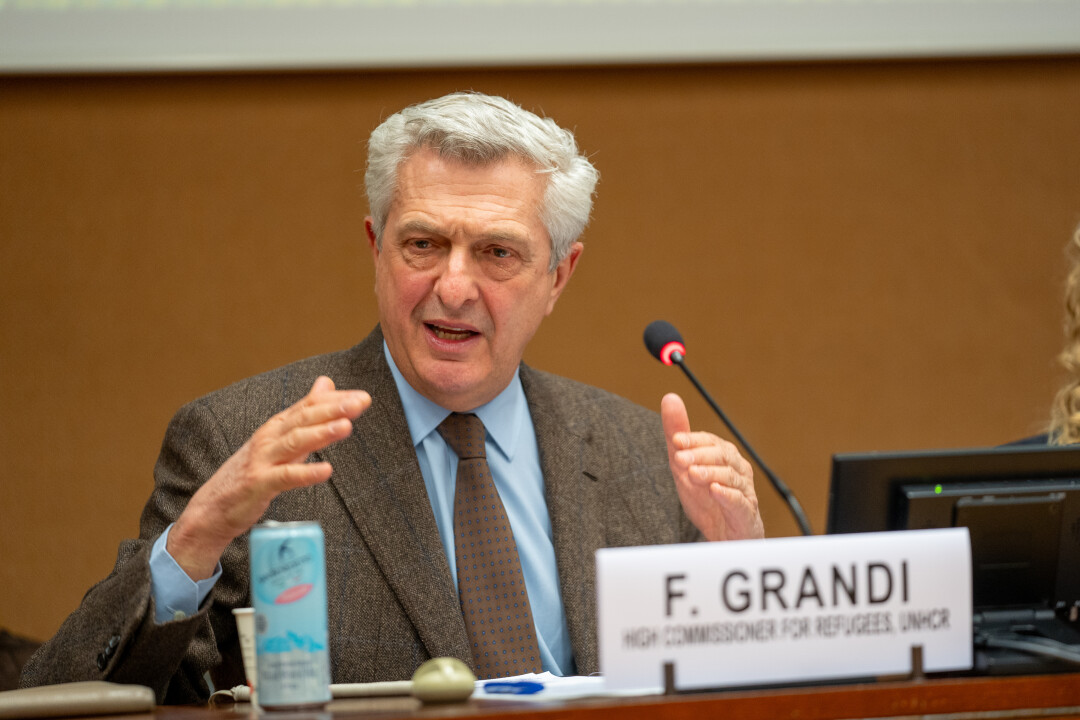
Lors d'une conférence de presse à Genève, le chef du HCR, Filippo Grandi, a décrit une récente rencontre avec des familles déplacées au Soudan et en Éthiopie et a mis en garde contre les implications régionales de l'ignorance de la crise, alors que les personnes ayant déjà fui le Soudan visent maintenant la Libye, la Tunisie et ensuite l'Europe. « J'ai littéralement averti les pays européens que si la négligence actuelle de cette crise continue, nous verrons des mouvements secondaires », a ajouté M. Grandi.
La classe moyenne du Soudan a été largement touchée par la dévastation urbaine, des personnes qui du jour au lendemain ont vu leur vie bouleversée. Bien qu'elles soient désireuses de rentrer chez elles et de reprendre leurs activités, les gens deviennent de plus en plus méfiants, a déclaré le Haut-Commissaire aux réfugiés : « Lorsque vous demandez aux gens, « Retourneriez-vous s'il y avait un cessez-le-feu ? », ils réfléchissent soigneusement à la réponse. « Nous devrions être convaincus qu'il y a une paix réelle et que la milice ne va pas entrer dans notre maison et nous chasser à nouveau. » Le message que j'ai transmis et que je continuerai de transmettre aux deux dirigeants (du Soudan) est le suivant : « Vous perdez votre propre peuple. Quel est le but de se battre si vous n'avez pas de peuple à gouverner ? »
Le conflit aurait fait plus de 13 000 morts et plus de 10 millions de personnes auraient été déplacées. Les milices rivales du Soudan ont partagé le pouvoir après la chute du dirigeant de longue date, Omar al-Bashir, lors d'un soulèvement populaire en 2019. Le conflit a éclaté en avril dernier après qu'une lutte pour le pouvoir a éclaté entre les deux factions militaires au milieu d'une transition chancelante vers des élections et un gouvernement dirigé par des civils. Les combats ont continué à s'intensifier malgré les efforts internationaux pour parvenir à un cessez-le-feu.
Fin
Orateurs:
· Martin Griffiths, Secrétaire général adjoint aux affaires humanitaires et Coordonnateur des secours d'urgence (OCHA)
· Filippo Grandi, Haut Commissaire des Nations Unies pour les réfugiés (UNHCR)
TRT: 2’16”
SOURCE: UNTV CH
LANGUAGE: ENGLISH
ASPECT RATIO: 16:9
DATELINE: 07 février 2024 - GENÈVE, SUISSE
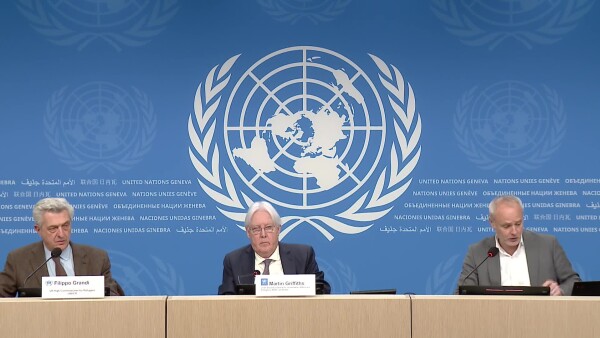
Conférence de presse à l'ONUG
LISTE DES PLANS
- Plan moyen extérieur : allée du drapeau de l'ONU
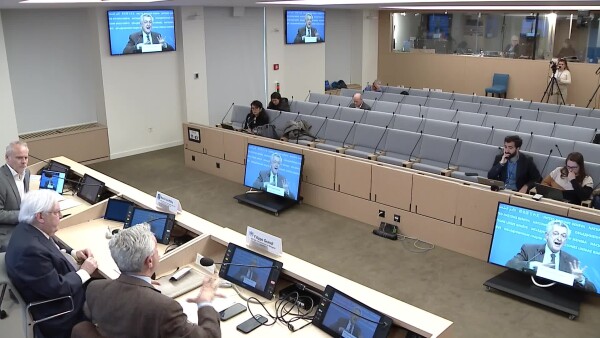
- Plan large de la salle de conférence de presse avec des journalistes
- DÉCLARATION (anglais) Martin Griffiths, Secrétaire général adjoint aux affaires humanitaires et Coordonnateur des secours d'urgence : « La moitié de la population du Soudan a besoin d'aide humanitaire, soit 25 millions de personnes, dont beaucoup d'enfants. Dix-huit millions de personnes sont, je cite, ‘gravement en insécurité alimentaire’.»
- Plan large : salle de presse avec des journalistes et un photographe
- DÉCLARATION (anglais) Martin Griffiths, Secrétaire général adjoint aux affaires humanitaires et Coordonnateur des secours d'urgence : « Si nous commençons à voir la famine au Soudan - ce ne sera pas la première fois que nous verrons la famine au Soudan - pour ajouter à cette violence et à ce déplacement et au manque d'accès et au manque d'un horizon politique, alors je pense que nous pouvons tous convenir que nous n'avons aucune humanité en nous pour permettre que cela se produise.»
- Plan large : salle de presse
- DÉCLARATION (anglais) Filippo Grandi, Haut Commissaire des Nations Unies pour les réfugiés : « Nous voyons déjà des gens fuir le Soudan, en particulier le long de certaines routes de l'est du Soudan et du Tchad lui-même, où beaucoup d'entre eux se dirigent vers la Libye, la Tunisie et ensuite vers l'Europe. J'ai donc averti littéralement les pays européens en particulier, que si la négligence actuelle de cette crise se poursuit, nous verrons des mouvements secondaires»
- Plan moyen : podium avec les orateurs
- DÉCLARATION (anglais) Filippo Grandi, Haut Commissaire des Nations Unies pour les réfugiés : « Lorsque vous demandez aux gens s'ils retourneraient s'il y avait un cessez-le-feu, ils réfléchissent soigneusement à la réponse, et disent ‘nous devrions être convaincus qu'il y a une vraie paix et que la milice ne va pas venir dans notre maison et nous chasser à nouveau’. Donc, le message que j'ai transmis aux dirigeants et que je continuerai à transmettre aux deux dirigeants est vraiment ‘vous perdez votre propre peuple. Quel est le but de se battre si vous n'avez pas de peuple à gouverner?’»
- Plans variés de la salle de presse
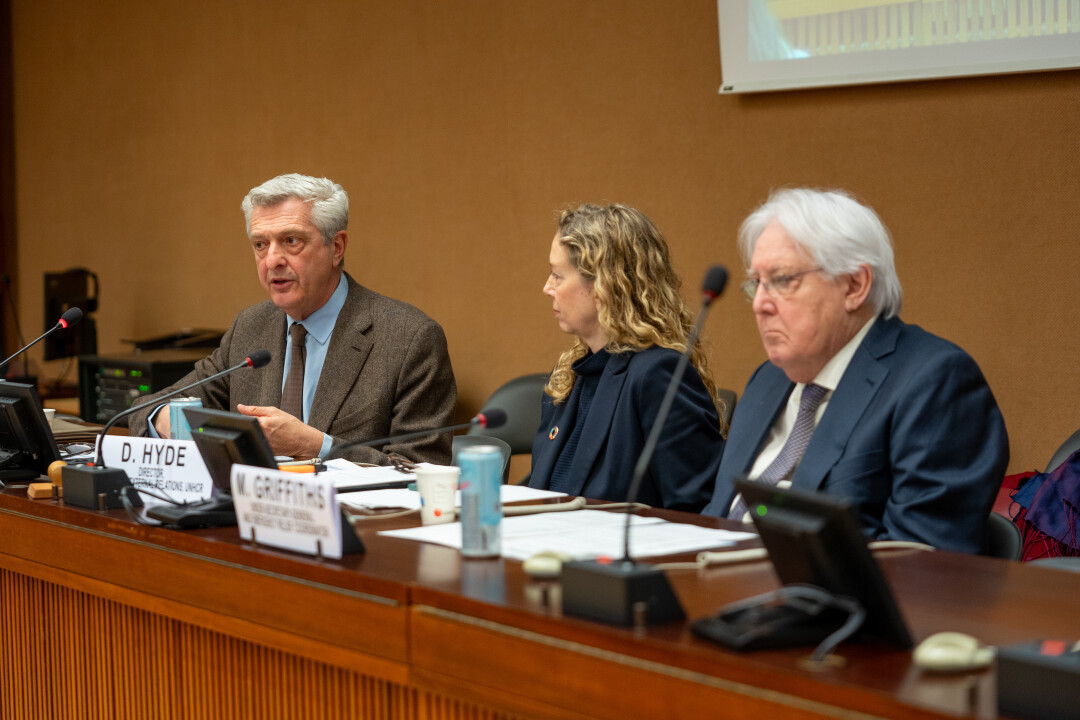
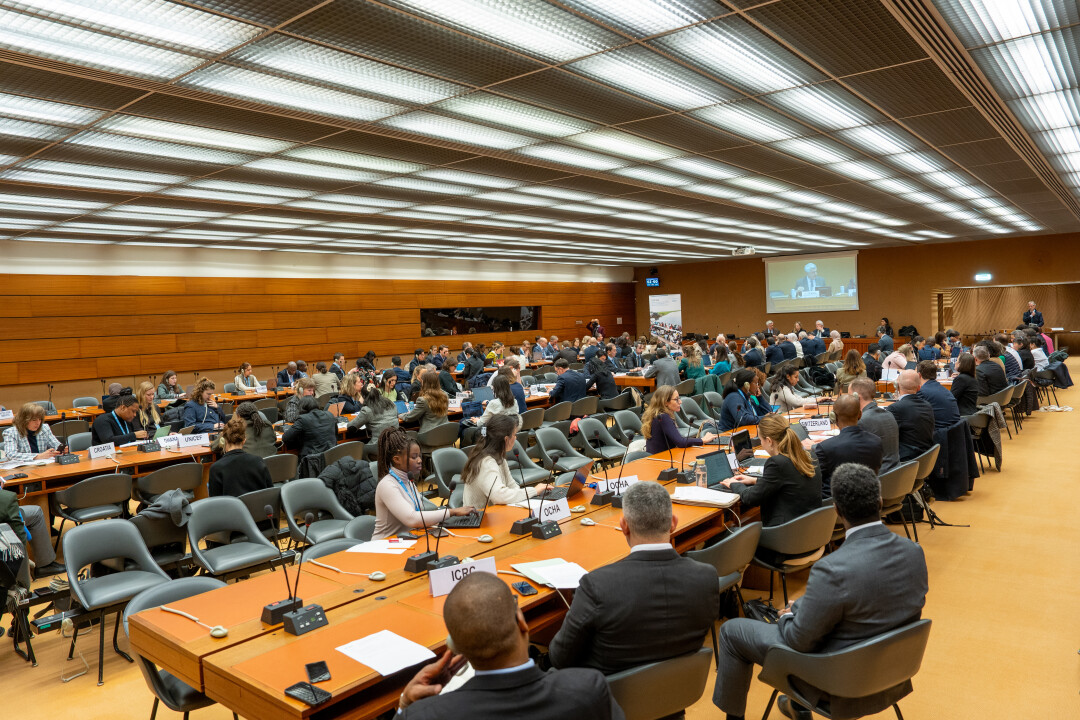
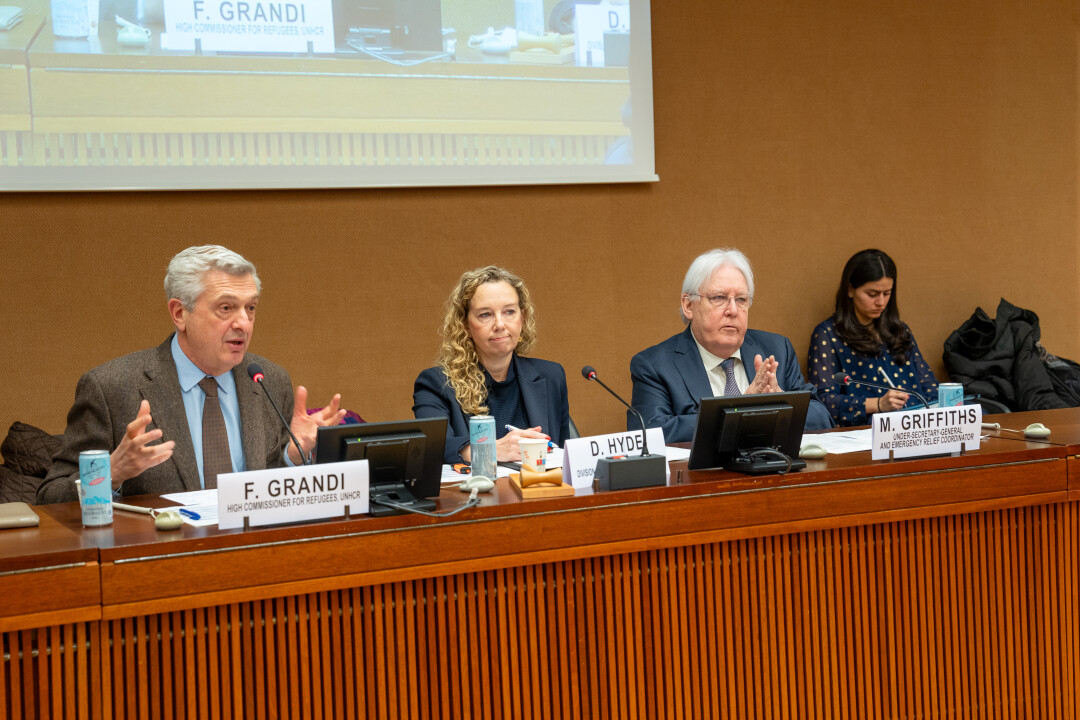
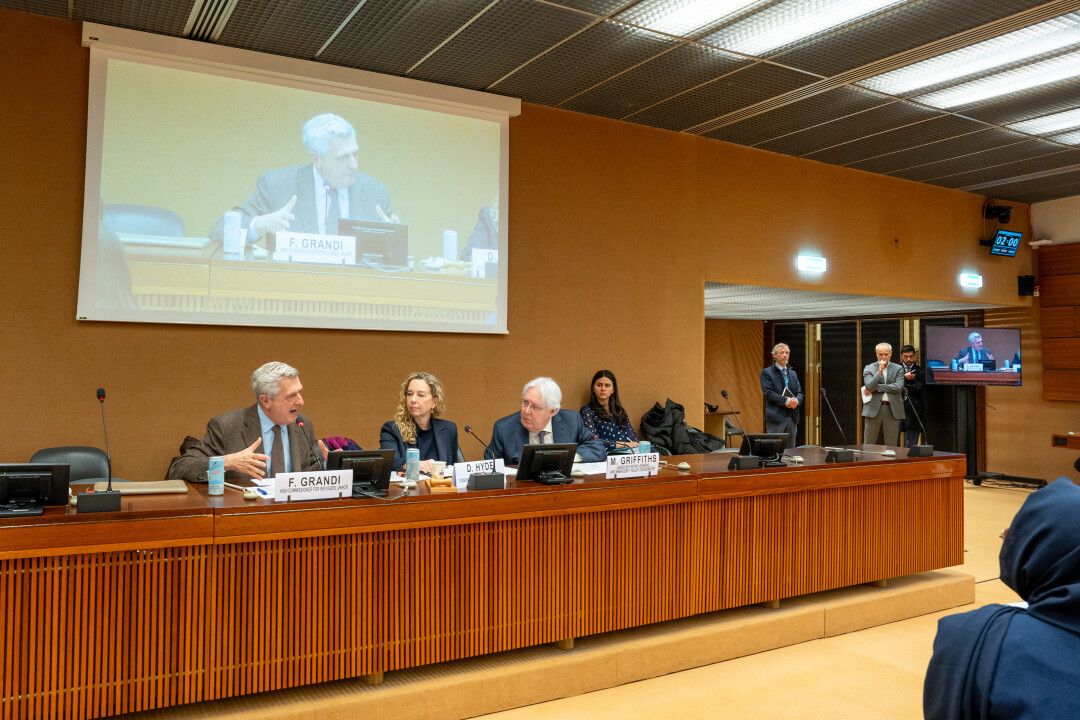
Les photos de cette histoire proviennent de l'événement de lancement du 7 février du Plan d'intervention humanitaire pour le Soudan et du Plan régional de réponse aux réfugiés pour 2024 au Palais des Nations à Genève, suivi d'une conférence de presse. L'événement peut être visionné ici : Lancement des plans de réponse Soudan OCHA-UNHCR sur UN Web TV
Pour plus de photos et de vidéos, veuillez consulter les liens des agences de l'ONU ci-dessous :
- OCHA photos et vidéo B-roll
- UNHCR photos et B-roll
Similar Stories
1
12
1
1
Press Conferences , Images | UNOG
Closing Press Conference following the Sixth Consultative Meeting on Enhancing Coordination of Peace Initiatives and Efforts in Sudan

2
17
1
2
Edited News , Press Conferences | OCHA , WMO
Two UN agencies teamed up on Wednesday to issue an appeal for immediate assistance to help communities already being impacted by the strongest El Niño on record.

3
16
2
2
B-roll , Conferences , Edited News | UNITED NATIONS , UNOG
Sixth Consultative Meeting on Enhancing Coordination of Peace Initiatives and Efforts for Sudan
1
1
1
Press Conferences | CITES
Wildlife trade and conservation policy discussions at the 81st meeting of the CITES Standing Committee (SC81)

1
1
1
Edited News | UNICEF , WHO , UNHCR
Yemen war continues to force families from homes amid hunger and disease
More than 250,000 people have now fled renewed fighting in Yemen, the UN said on Tuesday, citing particular concern for those sheltering in the southwestern city of Taiz and the wider governorate, where access is “essentially blocked”.
1
1
1
Press Conferences | UNHCR , UNCTAD , WMO , OCHA , UNICEF , WHO
UNHCR Hungary’s 1956 Refugee Crisis: 70 Years On, UNCTAD World Investment Forum 2026, Doha, WMO Greenhouse Gas Bulletin and Climate Update for COP31, OCHA Afghanistan: Malnutrition, Girls’ Education and Recovery, UNICEF Yemen: Child Malnutrition and Unsafe Water in Taiz, WHO Inequalities in Noncommunicable Diseases and Risk Factors
1
1
1
Press Conferences | UNHCR
End of UNHCR's 77th Annual Executive Committee (ExCom) meeting week

1
1
1
Edited News | UNICEF
A little over one year since a ceasefire agreement was announced between Hamas fighters and Israel, more than 340 children have been reported killed and hundreds more injured, the UN Children’s Fund, UNICEF, said on Friday.
1
1
1
Press Conferences | UNICEF , IOM , UNHCR
UN Special Assistant to the Personal Envoy Office (SUDAN): Peace Initiatives and Efforts in Sudan; UNICEF: Dire situation of children in Gaza; IOM: Damaged Homes and Energy Attacks Risk Displacing Ukrainians for this winter; UNHCR: update on EXCOM week
1
1
1
Press Conferences | IOM , UNDRR
UN stresses importance of household preparedness for disaster risk reduction.

1
1
1
Edited News | UNICEF , IFRC
Six weeks after Nepal’s deadly flooding disaster, communities are still struggling to rebuild their lives, but they will need sustained help as global warming increases the risk of another Himalayan catastrophe, the UN Children’s Fund (UNICEF) said on Friday.

1
1
1
Statements , Press Conferences | OHCHR