

The United Nations Office at Geneva
Multimedia Newsroom
HISTORIA
Tras las serias acusaciones de que varios empleados que trabajan para la agencia de la ONU que asiste a los refugiados palestinos (UNRWA) en la Franja de Gaza estuvieron involucrados en los ataques terroristas del 7 de octubre en el sur de Israel, lo que ha llevado a numerosos estados a suspender temporalmente sus pagos a la organización de ayuda, la Organización Mundial de la Salud (OMS) hoy (30 de enero) hizo un llamado a los donantes para que “no suspendan su financiación a la UNRWA en este momento crítico. Cortar la financiación solo perjudicará a las personas de Gaza que desesperadamente necesitan apoyo”.
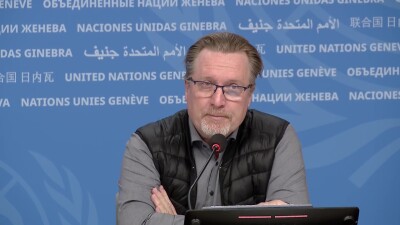
Al informar a los periodistas en la ONU en Ginebra, el portavoz de la OMS, Christian Lindmeier, dijo que “la actividad criminal nunca puede quedar impune. Pero la discusión en este momento es una gran distracción de lo que realmente está sucediendo cada día, cada hora, cada minuto en Gaza. Es una distracción de cerca de 27,000 muertes hasta ahora, de las cuales el 70 por ciento son mujeres y niños.”
El Sr. Lindmeier agregó que “es una distracción para evitar que toda una población tenga acceso a agua limpia, alimentos, refugio. Es una distracción para evitar que la electricidad llegue a Gaza durante más de 100 días.”
Además de sus programas en la Franja de Gaza, la UNRWA proporciona ayuda humanitaria vital a los refugiados palestinos en Jordania, Líbano, Siria y en Cisjordania, incluida Jerusalén Este.
En la Franja de Gaza, la agencia está proporcionando ayuda vital a más de dos millones de civiles, operando refugios para más de un millón y proporcionando servicios de alimentos, agua y atención médica.
El Sr. Lindmeier recordó una situación muy grave donde la “situación de alimentos y agua es extremadamente mala, los alimentos están cortados en Gaza desde hace más de 100 días, los suministros de agua fresca están cortados, el agua está mezclada con aguas residuales”. Además, las estaciones de bombeo no funcionan debido a la falta de combustible y la población está al borde de la hambruna.
“Tuvimos un convoy esta mañana tratando de llegar al Hospital Nasser con pacientes, personal de salud, todos. Necesitan alimentos, pero la población muy necesitada ya antes básicamente tomó los suministros - como podemos llamarlo - esto fue una auto-distribución de suministros, lo que solo muestra cuán grandes son las necesidades,” dijo el portavoz de la OMS.
Según el último informe de la Oficina de Coordinación de Asuntos Humanitarios de la ONU (OCHA), las hostilidades fueron particularmente intensas en Khan Younis, con intensos combates reportados cerca de los hospitales Nasser y Al Amal. También hay informes de palestinos que huyen hacia la ciudad sureña de Rafah, que ya está superpoblada, a pesar de la falta de un paso seguro.
El portavoz de OCHA, Jens Laerke, enfatizó que “la UNRWA no ha dejado de trabajar, la UNRWA continúa trabajando. Es la línea de financiación la que está en peligro mientras es insustituible en la operación humanitaria.”
El Secretario General de la ONU, Antonio Guterres, organizará hoy (30 de enero) una reunión con los principales donantes de la UNRWA en Nueva York para hacer un llamado urgente a mantener el flujo de fondos vitales.
-fin-
NOTICIA: Actualización de Gaza - OMS, OCHA
DURACIÓN: 2:09"
FUENTE: UNTV CH
RESTRICCIONES: NINGUNA
IDIOMA: INGLÉS / SONIDO AMBIENTAL
RELACIÓN DE ASPECTO: 16:9
FECHA Y LUGAR: 30 de enero de 2024, GINEBRA, SUIZA
- Toma media exterior: calle con banderas de la ONU
- Plano general: oradores en la conferencia de prensa
- DECLARACIÓN (en inglés) - Christian Lindmeier, portavoz de la Organización Mundial de la Salud (OMS): "La actividad criminal nunca puede quedar impune. Pero la discusión en este momento es más bien una distracción de lo que realmente sucede todos los días, cada hora, cada minuto en Gaza. Es una distracción de cerca de 27,000 muertes hasta ahora, de las cuales el 70 por ciento son mujeres y niños".
- Plano general: sala de prensa con periodistas
- DECLARACIÓN (en inglés) - Christian Lindmeier, portavoz de la Organización Mundial de la Salud (OMS): "Es una distracción de prevenir que toda una población acceda a agua limpia, alimentos, refugio. Es una distracción de impedir que la electricidad llegue a Gaza durante más de 100 días".
- Plano medio: periodista de pie en la sala de prensa
- DECLARACIÓN (en inglés) - Christian Lindmeier, portavoz de la Organización Mundial de la Salud (OMS): "Hacemos un llamamiento a los donantes para que no suspendan su financiación a la UNRWA en este momento crítico. La suspensión de la financiación solo perjudicará a la población de Gaza que necesita desesperadamente apoyo".
- Primer plano: periodista escribiendo en una computadora portátil
- DECLARACIÓN (en inglés) - Christian Lindmeier, portavoz de la Organización Mundial de la Salud (OMS): "Tuvimos un convoy esta misma mañana tratando de llegar al Hospital Nasser con pacientes, personal de atención médica, todos. Necesitan comida, pero la población muy necesitada ya había tomado los suministros, como podemos llamarlo, esto fue una auto-distribución de suministros, lo que solo muestra lo acuciantes que son las necesidades".
- Plano general: sala de prensa con periodistas y oradores en el podio
- DECLARACIÓN (en inglés) - Jens Laerke, portavoz de la Oficina de Coordinación de Asuntos Humanitarios de la ONU (OCHA): "La UNRWA no ha dejado de trabajar, la UNRWA continúa trabajando. Es el flujo de financiación lo que está en peligro, mientras es irremplazable en la operación humanitaria".
- Primer plano, periodista escribiendo
- Primer plano, periodista escuchando
- Primer plano, periodista leyendo
Similar Stories

2
17
1
2
Edited News , Press Conferences | OCHA , WMO
Two UN agencies teamed up on Wednesday to issue an appeal for immediate assistance to help communities already being impacted by the strongest El Niño on record.

3
16
2
2
B-roll , Conferences , Edited News | UNITED NATIONS , UNOG
Sixth Consultative Meeting on Enhancing Coordination of Peace Initiatives and Efforts for Sudan

1
1
1
Edited News | UNICEF , WHO , UNHCR
Yemen war continues to force families from homes amid hunger and disease
More than 250,000 people have now fled renewed fighting in Yemen, the UN said on Tuesday, citing particular concern for those sheltering in the southwestern city of Taiz and the wider governorate, where access is “essentially blocked”.

1
1
1
Edited News | UNICEF
A little over one year since a ceasefire agreement was announced between Hamas fighters and Israel, more than 340 children have been reported killed and hundreds more injured, the UN Children’s Fund, UNICEF, said on Friday.

1
1
1
Edited News | UNICEF , IFRC
Six weeks after Nepal’s deadly flooding disaster, communities are still struggling to rebuild their lives, but they will need sustained help as global warming increases the risk of another Himalayan catastrophe, the UN Children’s Fund (UNICEF) said on Friday.

1
1
1
Edited News | WHO
In suspected Russia plague death, testing and monitoring underway – WHO
The death of a lab worker in Russia’s Siberia region has sparked concerns about plague being the cause, the UN World Health Organization (WHO) said on Tuesday, adding that it was following the situation closely.

1
1
Edited News | OHCHR , UNOG
UN Human Rights Chief Volker Türk on Friday provided and oral update to the 63rd session of the Human rights Council on Ukraine.

1
1
1
Edited News | OHCHR , UNOG
UN Human Rights Chief Volker Türk on Friday provided and oral update to the 63rd session of the Human rights Council on the human rights situation in Haiti.

1
1
1
Edited News | WHO
Repeated delays in bringing lifesaving medicines, prosthetics and more from Israel into Gaza risk having devastating consequences on Palestinians who urgently need them in the wartorn enclave, the UN World Health Organization (WHO) said on Friday. “A truck full of non-priority supplies or the right supplies arriving too late, doesn't save lives. That's the question that actually matters," said Dr Reinhilde Van De Weerdt, WHO Representative in the OPT.

1
1
1
Edited News | WHO
DRC: Early access to care and oxygen decisive for Ebola patients’ survival – WHO
In the Democratic Republic of the Congo (DRC), health workers fighting the country’s largest-ever Ebola outbreak are struggling to overcome critical challenges to patient care, the UN World Health Organization (WHO) warned on Tuesday.

1
1
1
Edited News | OCHA , UN
Civilians in Iran are continuing to feel the consequences of months of conflict and military escalation, the UN’s top official in the country has said, as loss of life, damage to civilian infrastructure and mounting economic pressures leave many facing continued uncertainty.
1
1
1
Edited News | WHO , UNICEF
Aid agencies in Yemen highlighted the growing hunger emergency sparked by renewed fighting between Houthi opposition forces and Government troops, after mobile health clinics reported that hundreds of children displaced by the violence are suffering from the most deadly form of malnutrition.