

The United Nations Office at Geneva
Multimedia Newsroom
Edited News | OHCHR , WHO
Actualización sobre Gaza OMS - ACNUDH 26 de enero de 2024
La oficina de derechos humanos de la ONU preocupada por la violencia que se extiende a Rafah en medio de condiciones de vida desastrosas
A medida que el conflicto en Gaza se intensifica en el área de Khan Younis y empuja a más palestinos hacia el sur en busca de refugio, los civiles cada vez más desesperados continúan soportando la peor parte de la escalada, dijo el viernes la oficina de derechos humanos de la ONU.
“En Rafah, vi personas desplazadas que habían sido ordenadas por las autoridades israelíes a abandonar sus hogares sin provisión para su alojamiento, literalmente viviendo en la calle con aguas residuales corriendo por las calles, y condiciones de desesperación propicias para un colapso total del orden,” dijo Ajith Sunghay, Jefe de la Oficina de Derechos Humanos de la ONU para el Territorio Palestino Ocupado.
Hablando desde la capital de Jordania, Amán, a periodistas en Ginebra, el funcionario de la OHCHR agregó que la gente temía que la violencia extrema “se extendiera a Rafah, con implicaciones catastróficas para las más de 1.3 millones de personas ya hacinadas allí”, casi el 50 por ciento de la población de la Franja.
Los intensos combates en y alrededor de Khan Younis, en el suroeste de Gaza, en los últimos tres días han cobrado vidas y dañado infraestructura civil vital. El miércoles, un ataque contra un refugio de la ONU en Khan Younis mató a 13 personas e hirió a 56, a pesar de ser un área donde el ejército israelí había dicho previamente a los gazatíes que huyeran para su seguridad, explicó el Sr. Sunghay.
“El bombardeo de las Fuerzas de Defensa de Israel (FDI) continúa en áreas que ha designado unilateralmente como áreas seguras, incluida una mezquita en el oeste de Khan Younis. Incluso después de que se reportaron explosiones en Al-Mawasi el 22 y 23 de enero, las FDI continuaron ordenando a los residentes del oeste de Khan Younis que se trasladaran allí,” dijo.
Las órdenes de evacuación se reemitieron “repetidamente” el 23, 24 y 25 de enero, afectando supuestamente a más de medio millón de personas, así como a tres hospitales que han enfrentado fuertes ataques y asedio. “Los continuos ataques a instalaciones específicamente protegidas como hospitales matarán a civiles y habrá un impacto masivo adicional en el acceso a la atención médica, la seguridad y la protección en general de los palestinos,” sostuvo el Sr. Sunghay.
El desarrollo se produjo mientras el ejército israelí continúa su ofensiva contra Hamas en medio de informes de que los líderes israelíes han dicho que para completar su destrucción de Hamas, eventualmente deben ampliar su ofensiva a Rafah, en el cruce fronterizo con Egipto.
“Eso será desastroso porque hay dos lugares a los que la gente puede huir,” explicó el Sr. Sunghay.
“De un lado tienes el mar Mediterráneo, del otro lado tienes la frontera egipcia. ¿Tienes combates en el norte y tienes combates en el lado de Khan Younis? Así que solo puedes especular lo que va a suceder. Estamos hablando de 1.3 millones ya. Si tienes personas moviéndose en grandes números desde Khan Younis y otros lugares, esto va a ser una catástrofe masiva.”
En medio de ataques aéreos israelíes y combates calle a calle entre soldados de las FDI y grupos armados palestinos, la Organización Mundial de la Salud (OMS) de la ONU también reiteró serias preocupaciones por los trabajadores de salud y pacientes atrapados en la violencia.
Desde que estalló la guerra en Gaza, ha habido “676 ataques verificados en los territorios palestinos ocupados,” dijo Christian Lindmeier, portavoz de la OMS. “Eso es 318 en Gaza y 358 en Cisjordania. Siempre es importante notar que tenemos más ataques en Cisjordania que en Gaza,” agregó. Según la agencia de salud de la ONU, “solo 14 hospitales de las 36 instalaciones de salud siguen funcionando, siete en el sur y siete en el norte. Veinte hospitales no están funcionando en absoluto.”
Desde el 7 de octubre, cuando comenzó el intenso bombardeo israelí en Gaza en respuesta a los ataques terroristas liderados por Hamas en los que unas 1,200 personas fueron masacradas y más de 250 tomadas como rehenes, más de 26,000 palestinos han muerto, según los funcionarios de salud del enclave. Un 75 por ciento completo de las víctimas son niños y mujeres, y ha habido al menos 60,000 lesiones registradas. La agencia de salud de la ONU dijo que se estima que otros 8,000 están desaparecidos, presuntamente muertos bajo los escombros.
Fin
HISTORIA: Actualización de Gaza - OMS, OHCHR
TRT: 3:32”
FUENTE: UNTV CH
RESTRICCIONES: NINGUNA
IDIOMA: INGLÉS / NATS
RELACIÓN DE ASPECTO: 16:9
FECHA: 26 de enero de 2024 GINEBRA, SUIZA
- Plano medio exterior: calle de la bandera de la ONU
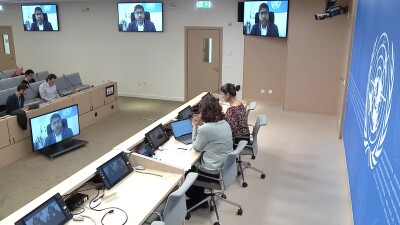
- Plano general: oradores en la conferencia de prensa
- DECLARACIÓN (inglés) -Ajith Sunghay, Jefe de la Oficina de Derechos Humanos de la ONU en el Territorio Palestino Ocupado: “En Rafah, vi a personas desplazadas a las que las autoridades israelíes les ordenaron abandonar sus hogares, sin provisión de alojamiento, literalmente sangrando en la calle, con aguas residuales corriendo por las calles y condiciones de desesperación propicias para un completo colapso del orden.”
- Plano general: sala de prensa con periodistas y oradores en el podio
- DECLARACIÓN (inglés) - Ajith Sunghay, Jefe de la Oficina de Derechos Humanos de la ONU en el Territorio Palestino Ocupado: “Las personas con las que hablé temen que la violencia extrema se esté extendiendo a Rafah, lo que tendrá implicaciones catastróficas para los más de 1,3 millones de personas que ya están hacinadas allí. El bombardeo de las FDI (Fuerzas de Defensa de Israel) continúa en áreas que ha designado unilateralmente como áreas “seguras”, incluida Al Mawasi en el oeste de Khan Younis. Incluso después de que se informaran explosiones en Al Mawasi el 22 y 23 de enero, las FDI continuaron ordenando a los residentes del oeste de Khan Younis que se trasladaran allí.”
- Plano medio: sala de prensa con periodistas y oradores en el podio y fotógrafo
- DECLARACIÓN (inglés) - Ajith Sunghay, Jefe de la Oficina de Derechos Humanos de la ONU en el Territorio Palestino Ocupado: “Habiendo sido testigo personalmente y escuchado los testimonios de aquellos que han soportado tanto dolor y sufrimiento, estoy muy, muy preocupado. Temo que muchos más civiles morirán. Los ataques continuos a instalaciones específicamente protegidas, como hospitales, matarán civiles, y habrá un impacto adicional masivo en el acceso a la atención médica, la seguridad y la protección en general de los palestinos.”
- Plano medio: podio con oradores y pantalla que muestra al orador remoto
- DECLARACIÓN (inglés) - Ajith Sunghay, Jefe de la Oficina de Derechos Humanos de la ONU en el Territorio Palestino Ocupado: “Si las incursiones y el bombardeo de los combates callejeros se trasladan de Khan Younis a Rafah, eso será desastroso, porque solo hay dos lugares a los que la gente puede huir: uno es, por un lado, el mar Mediterráneo, y por el otro lado, la frontera egipcia. Tienes lucha en el norte, y tienes lucha en el lado de Khan Younis. Así que solo puedes especular qué va a pasar. Y estamos hablando de 1,3 millones ya, y si tienes personas que se desplazan en gran número desde Khan Younis y Khan Younis y otros lugares, esto va a ser una catástrofe masiva.”
- Plano medio: sala de prensa con periodistas y orador en la pantalla
- DECLARACIÓN (inglés) - Christian Lindmeier, portavoz de la Organización Mundial de la Salud (OMS): “Ahora hemos registrado más de 26,000 muertes, con el 75 por ciento siendo niños y mujeres. Al menos 60,000 lesiones registradas. Pero como también acaban de decir los colegas, más de 8,000 desaparecidos y se presume que están muertos bajo los escombros. Aún no han sido contados en el recuento de víctimas y muchos más bajo los escombros.”
- Plano general: sala de prensa con periodistas y oradores en el podio
- DECLARACIÓN (inglés) - Christian Lindmeier, portavoz de la Organización Mundial de la Salud (OMS): “Hemos verificado 676 ataques en los territorios palestinos ocupados, 318 en Gaza y 358 en Cisjordania. Siempre encuentro importante señalar que tenemos más ataques en Cisjordania que en Gaza, y eso es con el escenario horroroso que conocemos en Gaza.”
- Plano general: sala de prensa con periodistas y oradores en el podio
- DECLARACIÓN (inglés) - Christian Lindmeier, portavoz de la Organización Mundial de la Salud (OMS): “Solo 14 de los 36 centros de salud, los hospitales, funcionan parcialmente para toda Gaza. Siete en el sur, siete en el norte. 20 hospitales no funcionan en absoluto.”
- Primer plano, periodista escuchando
- Plano medio, periodistas escuchando
Similar Stories

1
1
1
Edited News | OCHA , UNICEF , WFP
Aid agencies warned on Friday of the fast-developing humanitarian emergency inside Taiz City in Yemen, which has been encircled by de facto Houthi forces fighting government troops along the country’s west coast.

2
17
1
2
Edited News , Press Conferences , Images | OCHA , WMO
Two UN agencies teamed up on Wednesday to issue an appeal for immediate assistance to help communities already being impacted by the strongest El Niño on record.

3
16
2
2
Edited News , B-roll , Conferences , Images | UNITED NATIONS , UNOG
Sixth Consultative Meeting on Enhancing Coordination of Peace Initiatives and Efforts for Sudan

1
1
1
Edited News | UNICEF , WHO , UNHCR
Yemen war continues to force families from homes amid hunger and disease
More than 250,000 people have now fled renewed fighting in Yemen, the UN said on Tuesday, citing particular concern for those sheltering in the southwestern city of Taiz and the wider governorate, where access is “essentially blocked”.

1
1
1
Edited News | UNICEF
A little over one year since a ceasefire agreement was announced between Hamas fighters and Israel, more than 340 children have been reported killed and hundreds more injured, the UN Children’s Fund, UNICEF, said on Friday.

1
1
1
Edited News | UNICEF , IFRC
Six weeks after Nepal’s deadly flooding disaster, communities are still struggling to rebuild their lives, but they will need sustained help as global warming increases the risk of another Himalayan catastrophe, the UN Children’s Fund (UNICEF) said on Friday.

1
1
1
Edited News | WHO
In suspected Russia plague death, testing and monitoring underway – WHO
The death of a lab worker in Russia’s Siberia region has sparked concerns about plague being the cause, the UN World Health Organization (WHO) said on Tuesday, adding that it was following the situation closely.

1
1
Edited News | OHCHR , UNOG
UN Human Rights Chief Volker Türk on Friday provided and oral update to the 63rd session of the Human rights Council on Ukraine.

1
1
1
Edited News | OHCHR , UNOG
UN Human Rights Chief Volker Türk on Friday provided and oral update to the 63rd session of the Human rights Council on the human rights situation in Haiti.

1
1
1
Edited News | WHO
Repeated delays in bringing lifesaving medicines, prosthetics and more from Israel into Gaza risk having devastating consequences on Palestinians who urgently need them in the wartorn enclave, the UN World Health Organization (WHO) said on Friday. “A truck full of non-priority supplies or the right supplies arriving too late, doesn't save lives. That's the question that actually matters," said Dr Reinhilde Van De Weerdt, WHO Representative in the OPT.

1
1
1
Edited News | WHO
DRC: Early access to care and oxygen decisive for Ebola patients’ survival – WHO
In the Democratic Republic of the Congo (DRC), health workers fighting the country’s largest-ever Ebola outbreak are struggling to overcome critical challenges to patient care, the UN World Health Organization (WHO) warned on Tuesday.

1
1
1
Edited News | OCHA , UN
Civilians in Iran are continuing to feel the consequences of months of conflict and military escalation, the UN’s top official in the country has said, as loss of life, damage to civilian infrastructure and mounting economic pressures leave many facing continued uncertainty.