

The United Nations Office at Geneva
Multimedia Newsroom
Edited News | UNICEF , WHO
Actualización humanitaria sobre Gaza | UNICEF | OMS | 19 de diciembre de 2023
HISTORIA
“La Franja de Gaza sigue siendo el lugar más peligroso del mundo para ser un niño” – UNICEF
En medio del constante aumento reportado en el número de gazatíes muertos y heridos durante el bombardeo en curso del ejército israelí en respuesta a los ataques terroristas del 7 de octubre por parte de Hamas y otros grupos armados, veteranos de la ayuda de la ONU expresaron el martes su alarma por la desesperada situación en los hospitales del enclave.
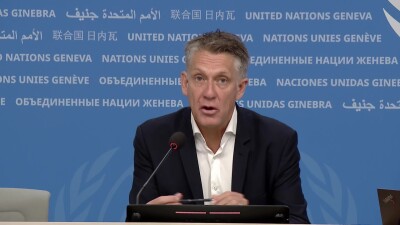
“La Franja de Gaza sigue siendo el lugar más peligroso del mundo para ser un niño y día tras día esa brutal realidad se refuerza,” dijo James Elder, portavoz del Fondo de las Naciones Unidas para la Infancia (UNICEF), en una sesión informativa para los periodistas en la ONU en Ginebra. Refiriéndose al Complejo Médico Nasser en Khan Younis, en el sur de Gaza, el Sr. Elder dijo que “en las últimas 48 horas, el hospital más grande que queda completamente funcional en Gaza ha sido bombardeado – dos veces.”
El Sr. Elder dijo que las personas heridas no tienen suministros básicos y que los niños que se están recuperando de amputaciones están siendo asesinados en el conflicto en curso.
Hablaba antes de una reunión programada del Consejo de Seguridad de la ONU para votar sobre una resolución que pide una pausa en los combates en Gaza para facilitar la entrega de ayuda humanitaria a los civiles palestinos que necesitan alimentos, agua y medicinas.
El portavoz de UNICEF enfatizó que no había zonas “seguras” en Gaza donde los niños y sus familias pudieran buscar refugio.
“Las llamadas zonas ‘seguras’ solo son seguras cuando no solo están libres de bombardeos, sino cuando se cumplen las condiciones de alimentos, agua, medicinas y refugio. Sin embargo, bajo las condiciones actuales de asedio, es imposible contar con suministros adecuados para tales zonas,” dijo el Sr. Elder. “Son pequeños parches de tierra estéril o son esquinas de calles en barrios, o son edificios construidos sin agua, sin instalaciones, sin refugio contra el frío y ahora la lluvia y ciertamente sin saneamiento.”
Hoy en Gaza hay alrededor de un inodoro para 700 niños y sus familias. Los humanitarios están cada vez más preocupados por el aumento del hambre en la Franja de Gaza, diciendo que las muertes de niños por enfermedades podrían superar con creces a las ya causadas por los bombardeos.
“La desnutrición también está aumentando en los niños de Gaza. Por lo tanto, enfermedades como las diarreas ahora son mortales.” El Sr. Elder enfatizó que “más de 130,000 de los niños más vulnerables de Gaza, es decir, recién nacidos hasta los dos años de edad, no están recibiendo la lactancia materna crítica y salvadora o la alimentación complementaria adecuada a su edad que absolutamente requieren. Así que ese también es el escenario sin suficiente agua segura, alimentos y saneamiento, que solo un alto el fuego humanitario podría traer.”
Según el Ministerio de Salud (MoH) en Gaza, entre el 7 de octubre y el 18 de diciembre, al menos 19,453 palestinos han sido asesinados en Gaza. Se dice que alrededor del 70 por ciento de los muertos son mujeres y niños. Según el Ministerio de Salud del enclave, unos 52,286 palestinos han resultado heridos. Muchas personas están desaparecidas, presumiblemente enterradas bajo los escombros, esperando ser rescatadas o recuperadas.
En una declaración enérgica, el Sr. Elder dijo que estaba “furioso porque aquellos con poder se encogen de hombros mientras se desatan las pesadillas humanitarias sobre un millón de niños. Estoy furioso porque los niños que se están recuperando de amputaciones en hospitales luego son asesinados en esos hospitales. Estoy furioso porque hay más niños escondidos mientras hablamos en algún lugar que sin duda serán golpeados y sufrirán amputaciones en los próximos días… Estoy furioso porque de todos los ataques sin sentido, la única admisión de estupidez es el uso de bombas tontas. Estoy furioso porque la enfermedad está tan bien armada como las partes en conflicto. Pero no, no recibe absolutamente ninguna atención.”
Según el último informe de la Oficina de Coordinación de Asuntos Humanitarios de la ONU (OCHA), el 18 de diciembre, en la madrugada, el Hospital Al Shifa fue atacado nuevamente, incluyendo la puerta de entrada y el Edificio de Cirugía. Según se informa, los ataques mataron a cinco personas, incluidos niños. Alrededor de las 10:30 am, el hospital fue atacado nuevamente donde las personas desplazadas internamente se estaban refugiando, supuestamente matando a 26 palestinos y hiriendo a otros.
Citando a sus colegas médicos que trabajan en Gaza, la Dra. Margaret Harris, portavoz de la agencia de salud de la ONU (OMS), dijo que “hablan de no poder ni siquiera caminar en las áreas de emergencia por temor a pisar a las personas. Y cuando no están pisando a las personas, están pisando sangre. Es una escena que ninguno de mis colegas, todos ellos personas con experiencia en emergencias, son médicos, nunca han visto algo así. Y lo que escucho en las reuniones es, ‘No tengo palabras. Me he quedado sin palabras. No sé cómo describir el horror que estoy viendo.’”
La funcionaria de la OMS describió haber escuchado a un colega contar cómo las personas estaban “tumbadas en el suelo con dolor severo, en agonía, pero no pedían alivio del dolor. Pedían agua. Es increíble que el mundo esté permitiendo que esto continúe.”
Mientras los aviones y la artillería israelíes continuaban bombardeando la Franja de Gaza en el 74º día de su ofensiva, los humanitarios de la ONU reiteraron sus llamados a “un alto el fuego humanitario inmediato y duradero” como la única forma de poner fin a la matanza y las heridas de los niños, y las muertes de niños por enfermedades.
“Creo que lo que hace más allá del mero número de niños con amputaciones, el mero número de niños con amputaciones que aún no han sido informados de que sus padres también murieron en el ataque, y, por supuesto, que cada niño está soportando estas 10 semanas de infierno y ninguno de ellos puede escapar,” dijo el Sr. Elder.
La Dra. Harris informó que llevar la ayuda a Gaza ya es un gran desafío, pero llegar a los hospitales dentro de Gaza es aún más difícil ya que los vehículos no pueden acceder a las carreteras severamente dañadas. Por lo tanto, muchos pacientes son llevados por sus familiares o transportados en carros tirados por burros.
“Un gran número de personas están enfermas ahora por otras enfermedades. Un gran número de personas necesita atención médica mucho más de lo que se necesitaba en tiempos normales y, sin embargo, tan poco está cruzando la frontera,” dijo. “Pero luego, aún menos puede llegar a los hospitales debido al enorme daño a la infraestructura.”
-fin-
HISTORIA: Actualización Humanitaria de Gaza - UNICEF, OMS
TRT: 3:57”
FUENTE: UNTV CH
IDIOMA: INGLÉS
RELACIÓN DE ASPECTO: 16:9
FECHA: 19 de diciembre de 2023 - GINEBRA, SUIZA
LISTA DE TOMAS
- Plano general exterior: Edificio de la ONU con la bandera de la ONU, Ginebra.
- Plano general, sala de conferencias de prensa con moderador de la ONU Ginebra
- DECLARACIÓN (INGLÉS) – James Elder, Portavoz de UNICEF: “La Franja de Gaza sigue siendo el lugar más peligroso del mundo para ser un niño y día tras día esa brutal realidad se refuerza. En las últimas 48 horas, el hospital completamente funcional más grande que queda en Gaza ha sido bombardeado - dos veces.”
- Plano medio, sala de conferencias de prensa con portavoz en el podio y periodistas y orador en las pantallas, ONU Ginebra
- DECLARACIÓN (INGLÉS) – James Elder, Portavoz de UNICEF: “Las llamadas zonas seguras solo son seguras cuando no solo están libres de bombardeos, sino cuando se cumplen las condiciones de alimentos, agua, medicinas y refugio. Sin embargo, bajo las actuales condiciones de asedio, es imposible contar con suministros adecuados para tales zonas. Lo vi con mis propios ojos. Son pequeños parches de tierra estéril o esquinas de calles en vecindarios, o edificios construidos sin agua, sin instalaciones, sin refugio del frío y ahora de la lluvia y ciertamente sin saneamiento.”
- Plano general, sala de conferencias de prensa con portavoces en el podio y periodistas, ONU Ginebra
- DECLARACIÓN (INGLÉS) - James Elder, Portavoz de UNICEF: “La desnutrición también está aumentando en los niños de Gaza. Por lo tanto, enfermedades como la diarrea ahora son mortales. Consideren esto: más de 130,000 de los niños más vulnerables de Gaza, es decir, los recién nacidos de hasta dos años de edad, no están recibiendo la alimentación complementaria crítica y adecuada para su edad que absolutamente necesitan. Por lo tanto, esta es también la situación sin suficiente agua potable, alimentos y saneamiento, que solo un alto el fuego humanitario podría traer. Las muertes de niños debido a enfermedades bien podrían superar a las ya fallecidas por bombardeos.”
- Plano medio, periodistas escuchando, ONU Ginebra
- DECLARACIÓN (INGLÉS) - James Elder, Portavoz de UNICEF: “Estoy furioso. Estoy furioso de que aquellos con poder ignoren las pesadillas humanitarias desatadas sobre un millón de niños. Estoy furioso de que los niños que se están recuperando de amputaciones en hospitales luego sean asesinados en esos hospitales. Estoy furioso de que haya más niños escondiéndose en este momento que sin duda serán alcanzados y amputados en los próximos días. Estoy furioso de que de todos los ataques sin sentido, la única admisión de estupidez sea el uso de bombas estúpidas. Estoy furioso de que la enfermedad esté tan armada como las partes en conflicto. Pero no, no recibe absolutamente ninguna atención.”
- Plano medio, personas de cámara con colegas de UNTV, ONU Ginebra
- DECLARACIÓN (INGLÉS) – Margaret Harrison, Portavoz de la OMS: “Hablan de ni siquiera poder caminar en las áreas de emergencia por miedo a pisar a personas. Y cuando no están pisando a personas, están pisando sangre. Es una escena que ninguno de mis colegas, todos los cuales tienen experiencia en emergencias, son médicos, nunca han visto nada igual. Y lo que escucho en las reuniones es ‘No tengo palabras. Se me han acabado las palabras. No sé ni siquiera cómo describir el horror que estoy viendo’“.
- Plano general, portavoces en el podio, ONU Ginebra
- DECLARACIÓN (INGLÉS) – Margaret Harrison, Portavoz de la OMS: “Uno de mis colegas describió a personas tendidas en el suelo con un dolor intenso, en agonía, pero no estaban pidiendo alivio del dolor. Estaban pidiendo agua. Es incomprensible que el mundo esté permitiendo que esto continúe.”
- Plano detalle, periodista viendo el teléfono celular, ONU Ginebra
- DECLARACIÓN (INGLÉS) - James Elder, Portavoz de UNICEF: “Así que creo que más allá de la mera cantidad de niños con amputaciones, está la cantidad de niños con amputaciones a quienes aún no se les ha dicho que sus padres también murieron en el ataque, y, por supuesto, que cada niño está soportando estas diez semanas de infierno y ninguno de ellos puede escapar.”
- Plano medio, periodistas escuchando
- DECLARACIÓN (INGLÉS) – Margaret Harrison, Portavoz de la OMS: “Ahora hay un gran número de personas enfermas por otras enfermedades. Un gran número de personas necesitan atención médica mucho más de lo que se necesitaba en tiempos normales y, sin embargo, tan poco está cruzando la frontera. Pero aún menos puede llegar realmente a los hospitales debido al enorme daño a la infraestructura.”
- Plano detalle, periodista viendo la pantalla de la computadora portátil, ONU Ginebra
- Plano detalle, portavoz viendo el teléfono celular, ONU Ginebra
Similar Stories

2
17
1
2
Edited News , Press Conferences | OCHA , WMO
Two UN agencies teamed up on Wednesday to issue an appeal for immediate assistance to help communities already being impacted by the strongest El Niño on record.

3
16
2
2
B-roll , Conferences , Edited News | UNITED NATIONS , UNOG
Sixth Consultative Meeting on Enhancing Coordination of Peace Initiatives and Efforts for Sudan

1
1
1
Edited News | UNICEF , WHO , UNHCR
Yemen war continues to force families from homes amid hunger and disease
More than 250,000 people have now fled renewed fighting in Yemen, the UN said on Tuesday, citing particular concern for those sheltering in the southwestern city of Taiz and the wider governorate, where access is “essentially blocked”.

1
1
1
Edited News | UNICEF
A little over one year since a ceasefire agreement was announced between Hamas fighters and Israel, more than 340 children have been reported killed and hundreds more injured, the UN Children’s Fund, UNICEF, said on Friday.

1
1
1
Edited News | UNICEF , IFRC
Six weeks after Nepal’s deadly flooding disaster, communities are still struggling to rebuild their lives, but they will need sustained help as global warming increases the risk of another Himalayan catastrophe, the UN Children’s Fund (UNICEF) said on Friday.

1
1
1
Edited News | WHO
In suspected Russia plague death, testing and monitoring underway – WHO
The death of a lab worker in Russia’s Siberia region has sparked concerns about plague being the cause, the UN World Health Organization (WHO) said on Tuesday, adding that it was following the situation closely.

1
1
Edited News | OHCHR , UNOG
UN Human Rights Chief Volker Türk on Friday provided and oral update to the 63rd session of the Human rights Council on Ukraine.

1
1
1
Edited News | OHCHR , UNOG
UN Human Rights Chief Volker Türk on Friday provided and oral update to the 63rd session of the Human rights Council on the human rights situation in Haiti.

1
1
1
Edited News | WHO
Repeated delays in bringing lifesaving medicines, prosthetics and more from Israel into Gaza risk having devastating consequences on Palestinians who urgently need them in the wartorn enclave, the UN World Health Organization (WHO) said on Friday. “A truck full of non-priority supplies or the right supplies arriving too late, doesn't save lives. That's the question that actually matters," said Dr Reinhilde Van De Weerdt, WHO Representative in the OPT.

1
1
1
Edited News | WHO
DRC: Early access to care and oxygen decisive for Ebola patients’ survival – WHO
In the Democratic Republic of the Congo (DRC), health workers fighting the country’s largest-ever Ebola outbreak are struggling to overcome critical challenges to patient care, the UN World Health Organization (WHO) warned on Tuesday.

1
1
1
Edited News | OCHA , UN
Civilians in Iran are continuing to feel the consequences of months of conflict and military escalation, the UN’s top official in the country has said, as loss of life, damage to civilian infrastructure and mounting economic pressures leave many facing continued uncertainty.
1
1
1
Edited News | WHO , UNICEF
Aid agencies in Yemen highlighted the growing hunger emergency sparked by renewed fighting between Houthi opposition forces and Government troops, after mobile health clinics reported that hundreds of children displaced by the violence are suffering from the most deadly form of malnutrition.