

The United Nations Office at Geneva
Multimedia Newsroom
Edited News | UNICEF , WHO
Situación humanitaria en Gaza UNICEF OMS 28 de noviembre de 2023
HISTORIA
En el quinto día de una pausa en los combates en la Franja de Gaza, los humanitarios de la ONU hicieron eco del Secretario General de la ONU y pidieron un alto el fuego humanitario completo y más entregas de ayuda para ingresar al enclave devastado, dada la magnitud de la necesidad.
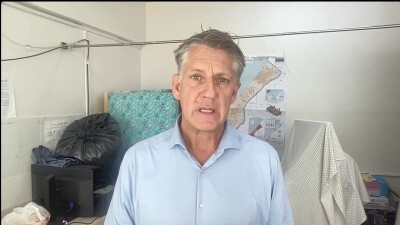
“Si las hostilidades continúan, si los ataques continúan con algo parecido a la ferocidad de las primeras seis o siete semanas, veremos asesinatos masivos de niños y civiles. Ya hemos visto eso. Y ahora, como me han dicho los gazatíes aquí, están comenzando desde la posición de una pesadilla,” dijo el Sr. Elder.
Los humanitarios de la ONU subrayaron la necesidad crítica de más combustible en el norte de Gaza, para que pueda ser utilizado para alimentar hospitales, proporcionar agua limpia y mantener otra infraestructura civil vital.
Estos servicios han sido enormemente afectados por semanas de bombardeos israelíes en respuesta a las masacres de Hamas del 7 de octubre en el sur de Israel que dejaron unos 1,200 muertos y alrededor de 240 secuestrados.
Las autoridades sanitarias de Gaza han informado que más de 15,000 personas, en su mayoría mujeres y niños, han sido asesinadas en los ataques hasta la fecha.
“Estuve en la Ciudad de Gaza el domingo. Puedes ver la expresión en los rostros de las personas cuando se entregaba agua, la gente bebía el agua en el momento en que se les daba,” dijo James Elder, portavoz del Fondo de las Naciones Unidas para la Infancia (UNICEF) en una actualización desde el sur de Gaza.
“Tenemos 1.8 millones de personas desplazadas ahora, todas ellas llevando las marcas de estos horrendos ataques,” continuó el Sr. Elder. “Realmente ves la tristeza y el estrés echando raíces aquí en Gaza. Hay largas colas. Ves colas de dos, tres horas de chicas adolescentes solo tratando de ir al baño. Y dirán una y otra vez, 'Hemos perdido todo. ¿Por qué se nos niega nuestra dignidad?'”
Mientras continúan las negociaciones para la liberación de más rehenes a cambio de una prolongación de la pausa en los combates, el portavoz de UNICEF habló de su angustia al ver a tantos jóvenes luchando por sus vidas.
“Esperaba lo peor al venir, y me sorprendió que fuera incluso peor de lo que había imaginado,” dijo. “Los hospitales para niños - los hospitales en general - son zonas de guerra. Veo niños con horrendas heridas de guerra en aparcamientos, en colchones improvisados, en jardines, en todas partes, los médicos teniendo que tomar horrendas decisiones sobre a quién priorizan.”
El Sr. Elder recordó un encuentro particular que tuvo durante estos últimos días en Gaza. “Pienso en el pequeño niño que vi venir de Shifa, que ha pasado tres o cuatro días en un autobús en esos 40 kilómetros debido a los puntos de control y que no había recibido ninguna ayuda. Y le falta la pierna izquierda. El olor era claro, estaba descomponiéndose y ese niño tenía metralla por todas partes. Potencialmente, estaba ciego y tenía quemaduras en el 50 por ciento de su cuerpo. Sin embargo, no es un caso aislado. Esas heridas están por todas partes.”
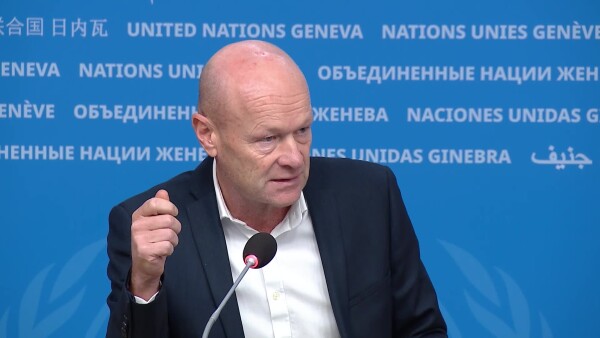
Hablando en Ginebra, la portavoz de la Organización Mundial de la Salud (OMS) de la ONU, la Dra. Margaret Harris, dijo que el 24 de noviembre una misión de evaluación de refugios en el norte de Gaza había destacado la falta de recolección de residuos y el acceso extremadamente limitado a consultas médicas. “Básicamente, si estás enfermo, si tu hijo tiene diarrea, si tienes una infección respiratoria, no vas a recibir - es muy improbable que recibas - atención médica porque simplemente no está disponible.”
Debido al hacinamiento y las malas condiciones sanitarias en los refugios de UNRWA, ha habido aumentos significativos en algunas enfermedades transmisibles y condiciones como diarrea, infecciones respiratorias agudas, infecciones de la piel y condiciones relacionadas con la higiene como piojos.
“Si tienes un niño con diarrea, necesitas darle rehidratación para mantenerlo hasta que mejore. Y si no puedes hacer eso, pueden morir muy rápidamente por deshidratación,” dijo la Dra. Harris.
Llamando la atención sobre las muchas condiciones de salud crónicas que afectan a los gazatíes, la Dra. Harris señaló que estas condiciones “se volverán agudas... y esas condiciones agudas los matarán. Así que eventualmente veremos más personas muriendo por enfermedades de las que estamos viendo incluso por los bombardeos.”
En su última actualización, la oficina de coordinación de ayuda de la ONU OCHA dijo que las entregas de suministros de socorro se han acelerado al sur de Wadi Gaza, donde la mayoría de unos 1.7 millones de personas desplazadas internamente han buscado refugio. “Los proveedores de servicios clave, incluidos hospitales, instalaciones de agua y saneamiento y refugios, han continuado recibiendo combustible a diario para operar generadores,” OCHA informó.
-fin-
HISTORIA: Gaza Situación Humanitaria UNICEF - OMS
TRT: 3:21”
FUENTE: UNTV CH
IDIOMA: INGLÉS
RELACIÓN DE ASPECTO: 16:9
FECHA: 28 de noviembre de 2023 - GINEBRA, SUIZA
LISTA DE TOMAS
- Plano medio exterior: Edificio de la ONU con bandera de la ONU, Ginebra.
- Plano general, sala de conferencias de prensa con portavoz, periodistas y pantallas, ONU Ginebra
- DECLARACIONES (INGLÉS) – James Elder, portavoz de UNICEF: “La situación allí era desesperada. Estuve en la ciudad de Gaza el domingo. Puedes ver la mirada demacrada en los rostros de las personas cuando se entregaba agua, la gente bebía el agua en el momento en que se les daba.”
Similar Stories
1
1
1
Edited News | OCHA , UNICEF , WFP
Aid agencies warned on Friday of the fast-developing humanitarian emergency inside Taiz City in Yemen, which has been encircled by de facto Houthi forces fighting government troops along the country’s west coast.

2
17
1
2
Edited News , Press Conferences , Images | OCHA , WMO
Two UN agencies teamed up on Wednesday to issue an appeal for immediate assistance to help communities already being impacted by the strongest El Niño on record.

3
16
2
2
Edited News , B-roll , Conferences , Images | UNITED NATIONS , UNOG
Sixth Consultative Meeting on Enhancing Coordination of Peace Initiatives and Efforts for Sudan

1
1
1
Edited News | UNICEF , WHO , UNHCR
Yemen war continues to force families from homes amid hunger and disease
More than 250,000 people have now fled renewed fighting in Yemen, the UN said on Tuesday, citing particular concern for those sheltering in the southwestern city of Taiz and the wider governorate, where access is “essentially blocked”.

1
1
1
Edited News | UNICEF
A little over one year since a ceasefire agreement was announced between Hamas fighters and Israel, more than 340 children have been reported killed and hundreds more injured, the UN Children’s Fund, UNICEF, said on Friday.

1
1
1
Edited News | UNICEF , IFRC
Six weeks after Nepal’s deadly flooding disaster, communities are still struggling to rebuild their lives, but they will need sustained help as global warming increases the risk of another Himalayan catastrophe, the UN Children’s Fund (UNICEF) said on Friday.

1
1
1
Edited News | WHO
In suspected Russia plague death, testing and monitoring underway – WHO
The death of a lab worker in Russia’s Siberia region has sparked concerns about plague being the cause, the UN World Health Organization (WHO) said on Tuesday, adding that it was following the situation closely.

1
1
Edited News | OHCHR , UNOG
UN Human Rights Chief Volker Türk on Friday provided and oral update to the 63rd session of the Human rights Council on Ukraine.

1
1
1
Edited News | OHCHR , UNOG
UN Human Rights Chief Volker Türk on Friday provided and oral update to the 63rd session of the Human rights Council on the human rights situation in Haiti.

1
1
1
Edited News | WHO
Repeated delays in bringing lifesaving medicines, prosthetics and more from Israel into Gaza risk having devastating consequences on Palestinians who urgently need them in the wartorn enclave, the UN World Health Organization (WHO) said on Friday. “A truck full of non-priority supplies or the right supplies arriving too late, doesn't save lives. That's the question that actually matters," said Dr Reinhilde Van De Weerdt, WHO Representative in the OPT.

1
1
1
Edited News | WHO
DRC: Early access to care and oxygen decisive for Ebola patients’ survival – WHO
In the Democratic Republic of the Congo (DRC), health workers fighting the country’s largest-ever Ebola outbreak are struggling to overcome critical challenges to patient care, the UN World Health Organization (WHO) warned on Tuesday.

1
1
1
Edited News | OCHA , UN
Civilians in Iran are continuing to feel the consequences of months of conflict and military escalation, the UN’s top official in the country has said, as loss of life, damage to civilian infrastructure and mounting economic pressures leave many facing continued uncertainty.