

The United Nations Office at Geneva
Multimedia Newsroom
Edited News , Press Conferences | HRC
HRC - Press Conference: Ukraine Commission of Inquiry on Ukraine - 25 September 2023
'Systematic and widespread' use of torture: UN Commission of Inquiry on Ukraine
The UN Independent International Commission of Inquiry on Ukraine expressed concern on Monday over the "continuous evidence" of war crimes committed by Russian armed forces in Ukraine and presented in the investigators' latest update to the UN Human Rights Council.
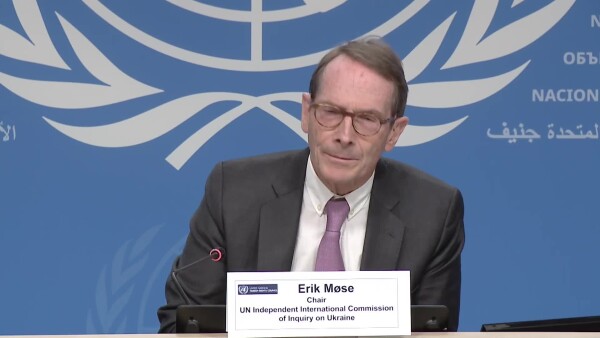
Briefing reporters in Geneva, Commission Chair Erik Møse highlighted the "scale and gravity of violations" and emphasized the need for accountability.
“At this stage of the Commission’s work, it is undertaking more in-depth investigations regarding unlawful attacks with explosive weapons, attacks affecting civilians, torture, sexual and gender-based evidence, and attacks on energy infrastructure,” Mr. Møse said. “This may also clarify whether torture or attacks on energy infrastructure amount to crimes against humanity.”
Since its establishment by the Human Rights Council in March 2022, the Commission has travelled over ten times to Ukraine. Recently, the three Commissioners visited the country to interact with authorities at various levels in Kyiv. The Commission expressed regret over the fact that "all communications addressed to the Russian Federation remain unanswered".
According to Commissioner Vrinda Grover, “attacks with explosive weapons in populated areas have led to extensive destruction and damage and have been the leading cause of deaths and injuries among the civilian population”. She added that the Commission deplored that "attacks by Russian armed forces harming civilian and medical facilities, which have protected status, continue to take place”.
The Commission also deplored the fact that conflict-related sexual violence continues to take place "in violation of international humanitarian law and human rights.”
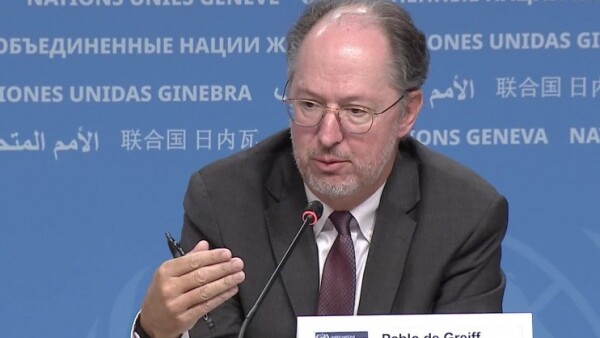
The use of torture by Russian armed forces has been "widespread and systematic", said Commissioner Pablo de Greiff, and it has been taking place in different regions "on the basis of the same methods". It seems to be a "common practice", particularly in places of detention that are under Russian control for extended periods of time, he said. The main targets of torture were persons accused of being informants of the Ukrainian armed forces.
The Commission stated mentioned that in some cases, torture was inflicted with such brutality that it caused the death of the victim.
The UN-appointed independent rights investigators also expressed concern about allegations of genocide in Ukraine. “We are looking further into these issues," said Mr. Møse. "And in connection to that, we also mentioned that one aspect of this may be the question of incitement, which comes from certain Russian media".
The Commission also recalled the need for the Ukrainian authorities to "expeditiously and thoroughly" investigate the few cases of violations by its own forces. “There is a large difference between the Russian violations, the extent of those violations and the incidents we found on the Ukrainian side. We talk consistently about a large number of violations on the Russian side and a few incidents on the Ukrainian side. So, it’s important to take this into account,” said Mr. Møse.
The Commissioners underscored the paramount importance of judicial and non-judicial accountability, including measures that support the needs of the victims, such as effective mental health and psychosocial support.
The mandate of the Commission of Inquiry was extended by the Council last April for a further period of one year. Its next report to the General Assembly is due in October.
-ends-
Story: Commission of Inquiry on Ukraine
DURATION (TRT): 3’27"
SOURCE: UNTV CH
LANGUAGE: ENGLISH/NATS
ASPECT RATIO: 16/9
DATELINE: 25 September 2023, GENEVA SWITZERLAND
FORMAT: HYBRID PRESS BRIEFING
- Exterior medium shot: UN flag alley, UN Geneva
- Wide shot: speakers and attendees at the press conference, screens with speakers
- SOUNDBITE (English) – Erik Møse, Chair of the Commission: “The Commission is deeply concerned at the scale and gravity of violations and the continuous evidence of crimes committed by the Russian armed forces in Ukraine and we emphasize the need for accountability.”
- Wide shot: attendees at the press conference, screens with speaker
- SOUNDBITE (English) – Erik Møse, Chair of the Commission: “At this stage of the Commission’s work, it is undertaking more in-depth investigations regarding unlawful attacks with explosive weapons, attacks affecting civilians, torture, sexual and gender-based evidence, and attacks on energy infrastructure. This may also clarify whether torture or attacks on energy infrastructure amount to crimes against humanity.”
- Wide shot: attendees, cameramen/women, sound engineers and producers at the press conference
- SOUNDBITE (English) – Erik Møse, Chair of the Commission: “We are concerned about the allegations of genocide and that we are looking further into these issues. And in connection to that, we also mentioned that one aspect of this may be the question of incitement, which comes from certain Russian media.”
- Medium shot: speakers and attendees at the press conference, screens with speaker
- SOUNDBITE (English) – Vrinda Grover, Commissioner: “Attacks with explosive weapons in populated areas have led to extensive destruction and damage and have been the leading cause of deaths and injuries among the civilian population.”
- Close shot: photographer and attendee at the press conference
- SOUNDBITE (English) – Vrinda Grover, Commissioner: “We deplore that attacks by Russian armed forces harming civilian and medical facilities, which have protected status, continue to take place. The Commission also deplores the fact that conflict-related sexual violence continues to take place in violation of international humanitarian law and human rights.”
- Medium shot: attendees at the press conference, screen with speaker
- SOUNDBITE (English) – Pablo de Greiff, Commissioner: “There has been widespread and systematic use of torture, that in different regions is taking place, that it is taking place on the basis of the same methods and that seems to be a common practice, particularly in places of detention that are under Russian control for extended periods of time.”
- Wide shot: speakers, attendees and photographer at the press conference, screen with speaker
- SOUNDBITE (English) – Erik Møse, Chair of the Commission: “There is a large difference between the Russian violations, the extent of those violations and the incidents we found on the Ukrainian side. We talk consistently about a large number of violations on the Russian side and a few incidents on the Ukrainian side. So, it’s important to take this into account.”
- Medium shot: speakers at the press conference
- Close shot: attendee at the press conference
- Medium shot: cameramen, sound engineers and producers at the press conference
Similar Stories
1
1
1
Press Conferences | WMO , UNHCR , WHO , ILO
WMO: Greenhouse Gas Bulletin; UNHCR: As attacks intensify UNHCR urges support for war ravaged Ukrainians; WHO: Clinical trials in DRC: vaccines and beyond; ILO: New global and regional estimates on domestic work, informality and working conditions
1
1
1
Edited News | OCHA , UNICEF , WFP
Aid agencies warned on Friday of the fast-developing humanitarian emergency inside Taiz City in Yemen, which has been encircled by de facto Houthi forces fighting government troops along the country’s west coast.
1
1
1
Press Conferences | UN WOMEN , WFP , WHO
UN WOMEN: Sudan Women and girls one year after the fall of El Fasher; increasing drone attacks across the country; WFP: DRC - Ebola spreads to eighth DRC province as WFP delivers food, builds treatment centres and keeps supplies moving; WHO - Update on Ebola (Bundibugyo Virus Disease)
1
12
1
1
Press Conferences , Images | UNOG
Closing Press Conference following the Sixth Consultative Meeting on Enhancing Coordination of Peace Initiatives and Efforts in Sudan

2
17
1
2
Edited News , Press Conferences , Images | OCHA , WMO
Two UN agencies teamed up on Wednesday to issue an appeal for immediate assistance to help communities already being impacted by the strongest El Niño on record.
3
16
2
2
Edited News , B-roll , Conferences , Images | UNITED NATIONS , UNOG
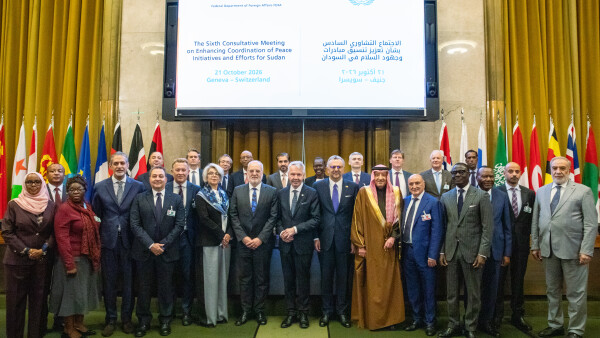
Sixth Consultative Meeting on Enhancing Coordination of Peace Initiatives and Efforts for Sudan
1
1
1
Press Conferences | CITES
Wildlife trade and conservation policy discussions at the 81st meeting of the CITES Standing Committee (SC81)
1
1
1
Edited News | UNICEF , WHO , UNHCR
Yemen war continues to force families from homes amid hunger and disease
More than 250,000 people have now fled renewed fighting in Yemen, the UN said on Tuesday, citing particular concern for those sheltering in the southwestern city of Taiz and the wider governorate, where access is “essentially blocked”.
1
1
1
Press Conferences | UNHCR , UNCTAD , WMO , OCHA , UNICEF , WHO
UNHCR Hungary’s 1956 Refugee Crisis: 70 Years On, UNCTAD World Investment Forum 2026, Doha, WMO Greenhouse Gas Bulletin and Climate Update for COP31, OCHA Afghanistan: Malnutrition, Girls’ Education and Recovery, UNICEF Yemen: Child Malnutrition and Unsafe Water in Taiz, WHO Inequalities in Noncommunicable Diseases and Risk Factors
1
1
1
Press Conferences | UNHCR
End of UNHCR's 77th Annual Executive Committee (ExCom) meeting week

1
1
1
Edited News | UNICEF
A little over one year since a ceasefire agreement was announced between Hamas fighters and Israel, more than 340 children have been reported killed and hundreds more injured, the UN Children’s Fund, UNICEF, said on Friday.
1
1
1
Press Conferences | UNICEF , IOM , UNHCR
UN Special Assistant to the Personal Envoy Office (SUDAN): Peace Initiatives and Efforts in Sudan; UNICEF: Dire situation of children in Gaza; IOM: Damaged Homes and Energy Attacks Risk Displacing Ukrainians for this winter; UNHCR: update on EXCOM week