

The United Nations Office at Geneva
Multimedia Newsroom
‘Vital’ human rights cooperation must be above the fray of politics: UN rights chief
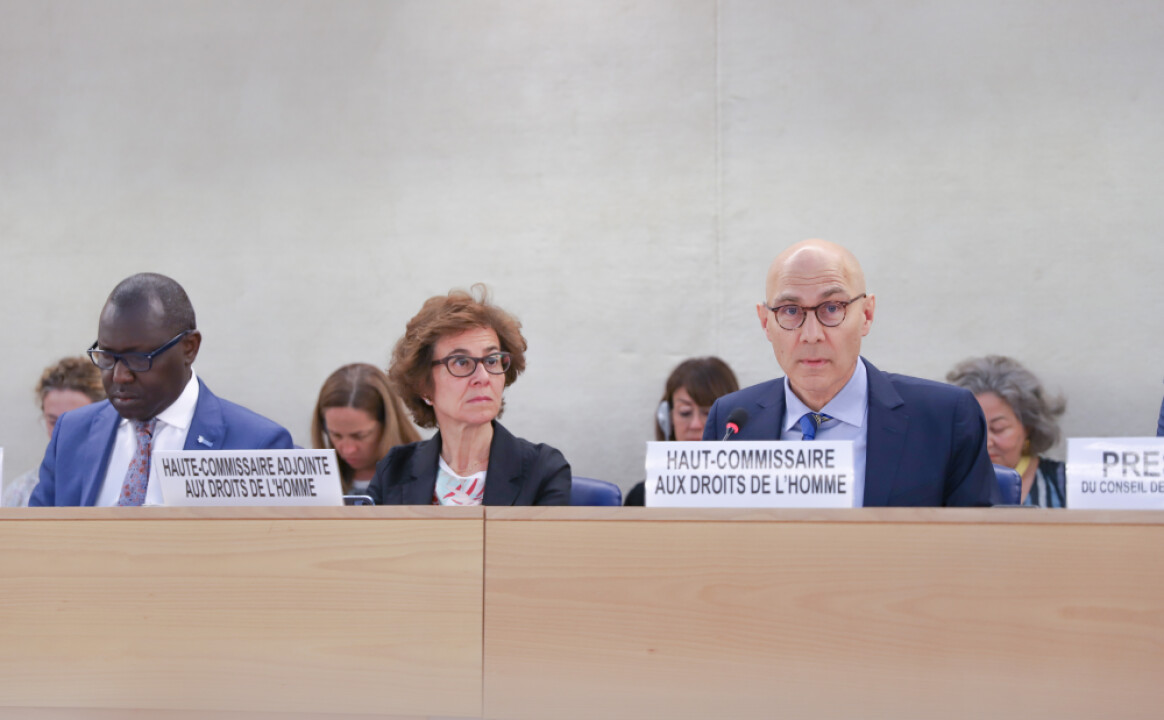
A lack of strong cooperation with the international human rights system leaves States “adrift”, UN human rights chief Volker Türk said on Monday, as he addressed rights emergencies in dozens of countries including Iran, Mali and Russia.
In his annual review presented to the Human Rights Council, which opened its 53rd regular session on Monday, Mr. Türk insisted that such cooperation was “vital” in a world plagued by conflict, climate disasters and development setbacks.
Human rights “must always be above the fray of politics”, Mr. Türk said, following a request from Mali on Friday to the Security Council for the UN to immediately withdraw its peacekeeping mission, known as MINUSMA, from the country.
“When serious human rights violations or abuses occur, irrespective of the perpetrator, we need to monitor, document and report on them, in the interest of all Malians, in addition to working on prevention and delivering support to national institutions,” he said, while reiterating his Office’s commitment to continuing its work in Mali.
Mr. Türk called on Russia to cooperate with the Council-appointed Independent International Commission of Inquiry on Ukraine. He stressed the need for human rights monitors to have access to both Ukrainian territory occupied by Russia, and to Russia itself, “not least, to visit civilian detainees, prisoners of war and Ukrainian children and people with disabilities who have been taken to these areas”.
Turning to Iran, Mr. Türk expressed concern over the “massive” recent increase in executions of prisoners – mostly for drug-related offences and a disproportionately high number representing minorities – as well as continuing discrimination against women and girls.
Countries and civil society organizations will have the opportunity to respond to the UN human rights chief’s comments during an interactive dialogue scheduled on Tuesday and Wednesday.
Mr. Türk’s statement highlighted the main points of his report to the Human Rights Council, which reviews the cooperation of Member States with the international human rights ecosystem, which includes the 10 Treaty bodies, the Council itself, with its Universal Periodic Review process, investigations and Special Procedures, as well as the UN Human Rights Office (OHCHR).
STORY: Volker Türk - Human Rights Council 53rd Session
TRT: 2’08”
SOURCE: UNTV CH
LANGUAGE: ENGLISH, NATS
ASPECT RATIO: 16:9
RELEASE DATE: 19 June 2023
FORMAT: HYBRID PRESS BRIEFING
DATELINE: GENEVA, SWITZERLAND
SHOTLIST
- Exterior wide shot: UN flag alley UN Geneva.
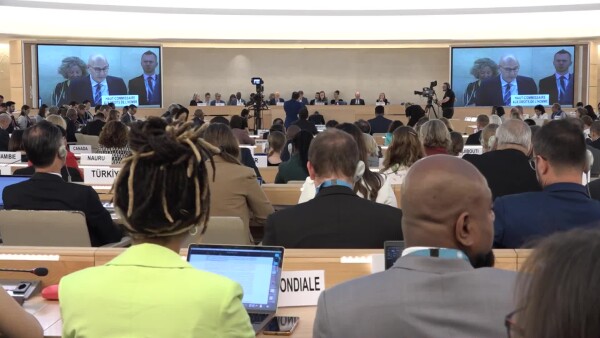
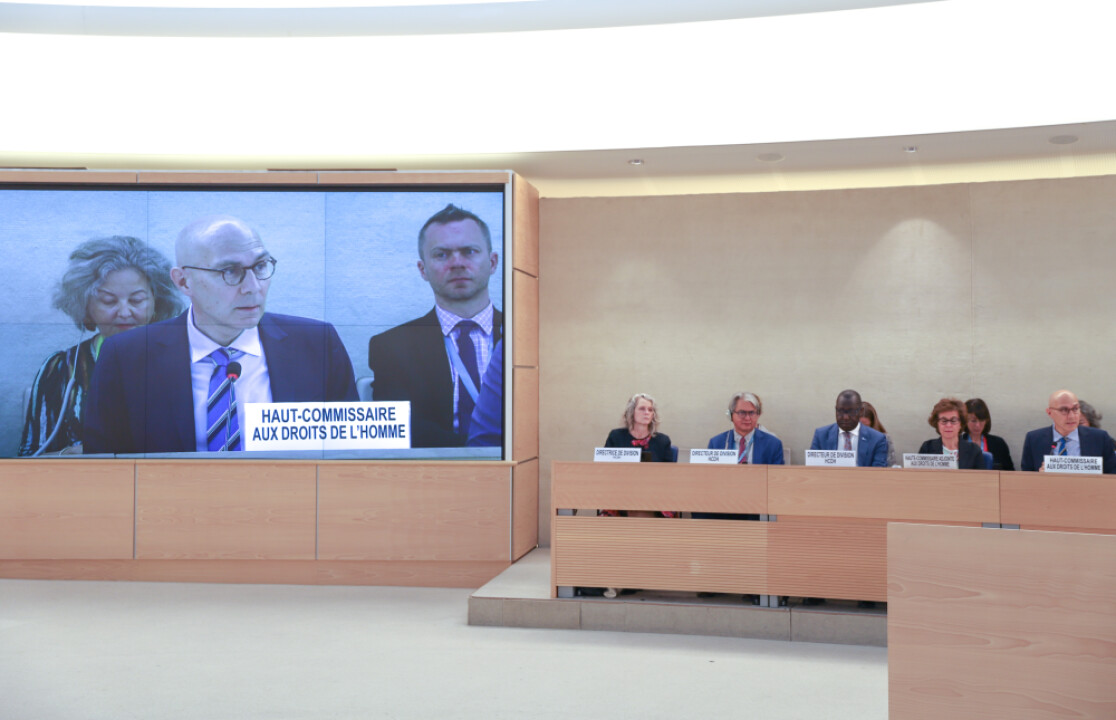
- Cutaway: wide shots, delegates at Human Rights Council, UN Geneva.
- SOUNDBITE (ENGLISH) Volker Türk, UN High Commissioner for Human Rights: “Regarding Mali's request for the withdrawal of MINUSMA, let me be clear: human rights must always be above the fray of politics. In exercising the responsibilities entrusted to my Office, we are guided solely by our mandate. When serious human rights violations or abuses occur, irrespective of the perpetrator, we need to monitor, document and report on them, in the interest of all Malians, in addition of course to working on prevention and delivering support to national institutions.”
- Cutaway: wide shot, delegates and journalists at Human Rights Council, UN Geneva.
- SOUNDBITE (ENGLISH) Volker Türk, UN High Commissioner for Human Rights: “I reiterate the need for cooperation with the Council's Commission of Inquiry, and for my colleagues to have access to both Ukrainian territory occupied by the Russian Federation, and to the Russian Federation itself – not least, to visit civilian detainees, prisoners of war and Ukrainian children and people with disabilities who have been taken to these areas.”
- Cutaway: close lateral shot, delegates at Human Rights Council, UN Geneva.
- SOUNDBITE (ENGLISH) Volker Türk, UN High Commissioner for Human Rights: “Iran continues to engage formally with my Office, including on issues pertaining to discrimination against women and girls; accountability for severe human rights violations; and imminent executions. Yet substantive implementation of the State’s obligations under international human rights law remains very limited, and I am concerned by the massive recent increase in executions, as well as continuing discrimination against women and girls.”
- Various cutaways of delegates and journalists, Human Rights Council, UN Geneva.
Similar Stories

1
1
1
Edited News | OCHA , UNICEF , WFP
Aid agencies warned on Friday of the fast-developing humanitarian emergency inside Taiz City in Yemen, which has been encircled by de facto Houthi forces fighting government troops along the country’s west coast.
1
12
1
1
Press Conferences , Images | UNOG
Closing Press Conference following the Sixth Consultative Meeting on Enhancing Coordination of Peace Initiatives and Efforts in Sudan

2
17
1
2
Edited News , Press Conferences , Images | OCHA , WMO
Two UN agencies teamed up on Wednesday to issue an appeal for immediate assistance to help communities already being impacted by the strongest El Niño on record.

3
16
2
2
Edited News , B-roll , Conferences , Images | UNITED NATIONS , UNOG
Sixth Consultative Meeting on Enhancing Coordination of Peace Initiatives and Efforts for Sudan

1
1
1
Edited News | UNICEF , WHO , UNHCR
Yemen war continues to force families from homes amid hunger and disease
More than 250,000 people have now fled renewed fighting in Yemen, the UN said on Tuesday, citing particular concern for those sheltering in the southwestern city of Taiz and the wider governorate, where access is “essentially blocked”.

1
1
1
Edited News | UNICEF
A little over one year since a ceasefire agreement was announced between Hamas fighters and Israel, more than 340 children have been reported killed and hundreds more injured, the UN Children’s Fund, UNICEF, said on Friday.

1
1
1
Edited News | UNICEF , IFRC
Six weeks after Nepal’s deadly flooding disaster, communities are still struggling to rebuild their lives, but they will need sustained help as global warming increases the risk of another Himalayan catastrophe, the UN Children’s Fund (UNICEF) said on Friday.

1
1
1
Edited News | WHO
In suspected Russia plague death, testing and monitoring underway – WHO
The death of a lab worker in Russia’s Siberia region has sparked concerns about plague being the cause, the UN World Health Organization (WHO) said on Tuesday, adding that it was following the situation closely.

1
1
Edited News | OHCHR , UNOG
UN Human Rights Chief Volker Türk on Friday provided and oral update to the 63rd session of the Human rights Council on Ukraine.

1
1
1
Edited News | OHCHR , UNOG
UN Human Rights Chief Volker Türk on Friday provided and oral update to the 63rd session of the Human rights Council on the human rights situation in Haiti.

1
1
1
Edited News | WHO
Repeated delays in bringing lifesaving medicines, prosthetics and more from Israel into Gaza risk having devastating consequences on Palestinians who urgently need them in the wartorn enclave, the UN World Health Organization (WHO) said on Friday. “A truck full of non-priority supplies or the right supplies arriving too late, doesn't save lives. That's the question that actually matters," said Dr Reinhilde Van De Weerdt, WHO Representative in the OPT.

1
1
1
Edited News | WHO
DRC: Early access to care and oxygen decisive for Ebola patients’ survival – WHO
In the Democratic Republic of the Congo (DRC), health workers fighting the country’s largest-ever Ebola outbreak are struggling to overcome critical challenges to patient care, the UN World Health Organization (WHO) warned on Tuesday.