

The United Nations Office at Geneva
Multimedia Newsroom
Libya: Crimes against humanity and widescale exploitation of migrants
The UN Independent Fact-Finding Mission on Libya on Monday expressed deep concern in its final report about the country’s deteriorating human rights situation. The human rights investigators said that there are grounds to believe that Libyan authorities and armed militia groups have been responsible for “a wide array of war crimes, and crimes against humanity” in recent years.
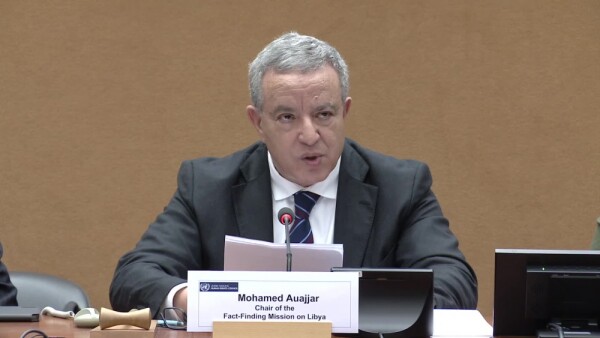
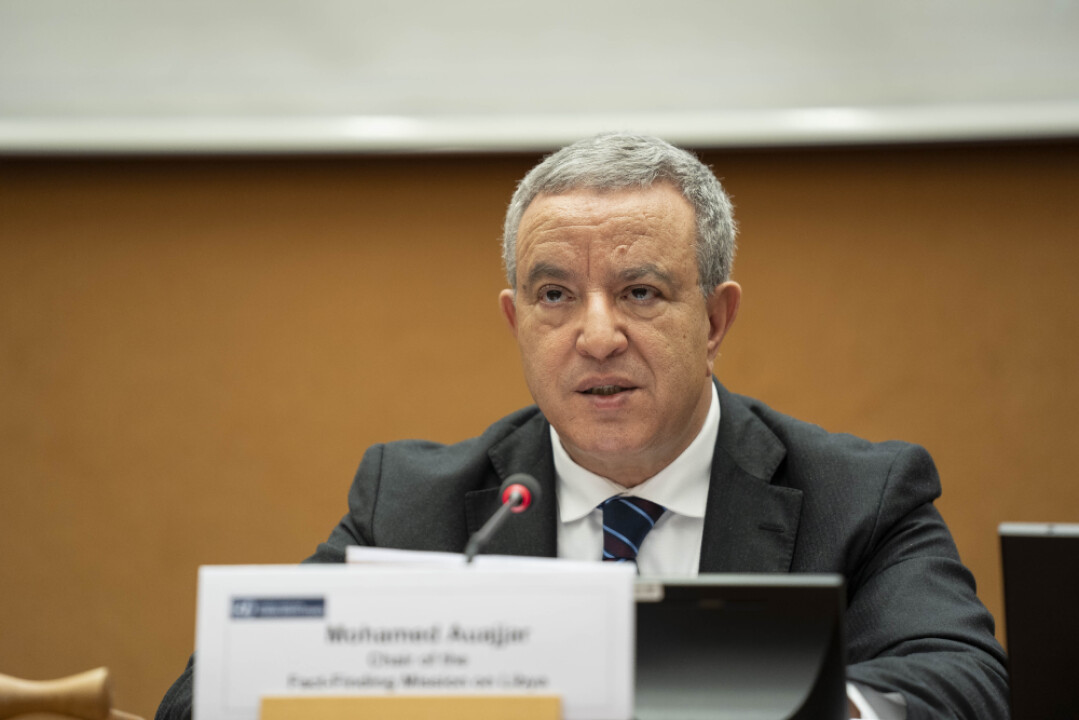
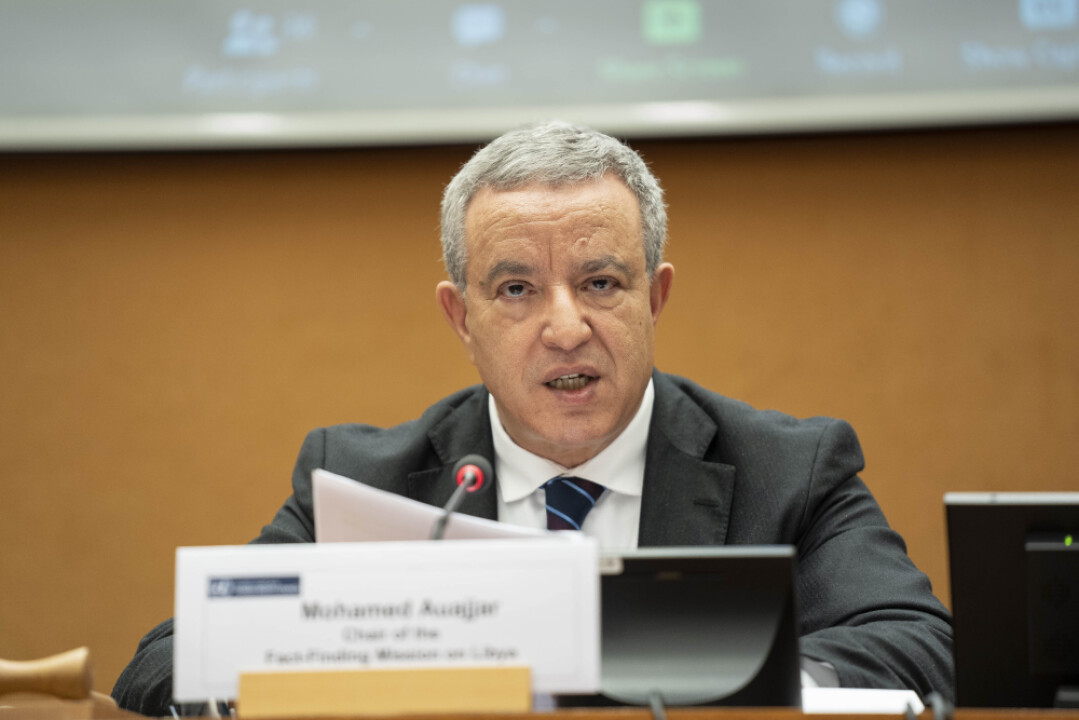
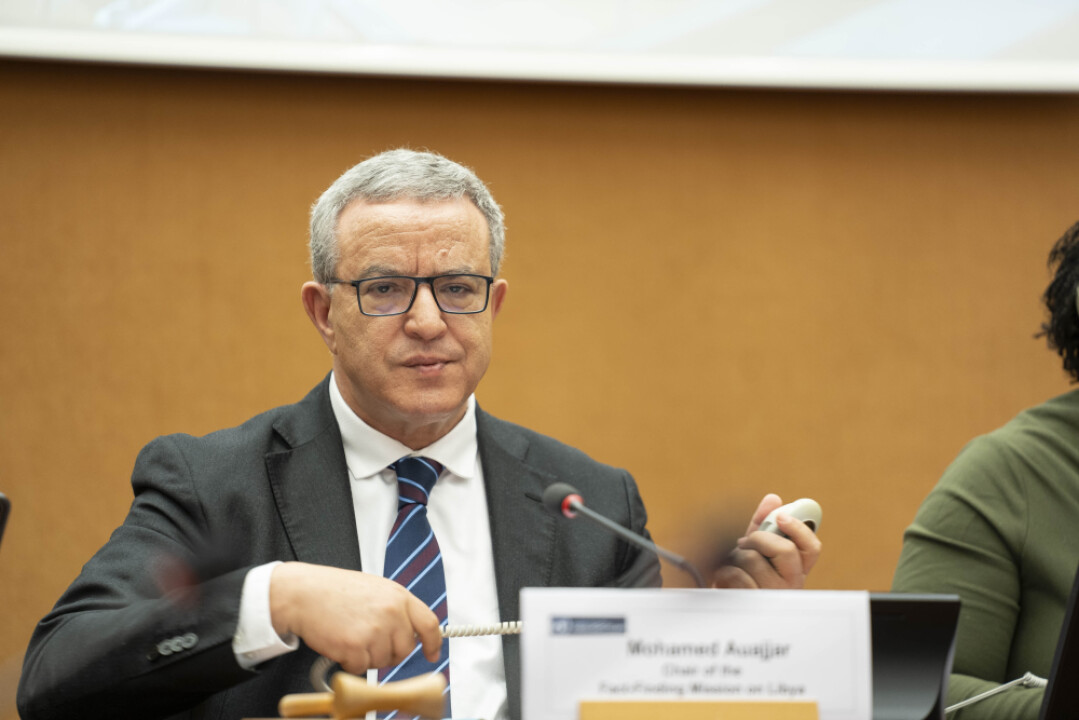
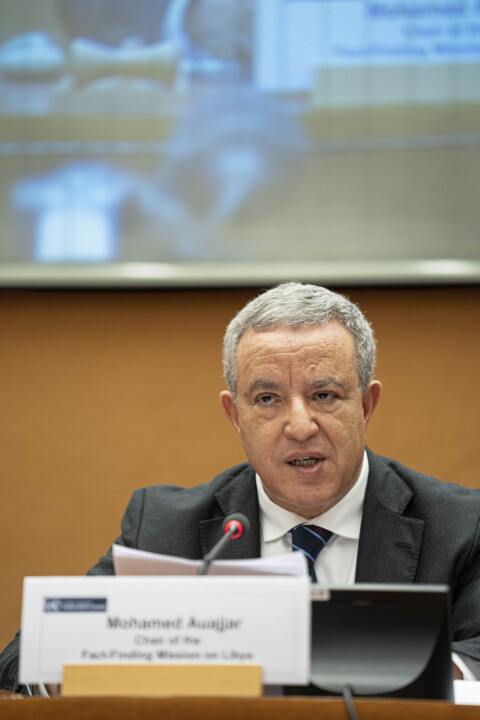
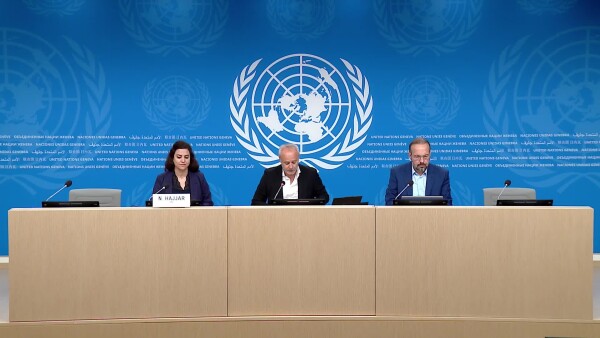
“The FFM on Libya has found reasonable ground to believe that crimes against humanity were committed against Libyan civilians and migrants who were deprived of their liberties throughout Libya since 2016,” said Mr. Mohamed Auajjar, Chair of the Libya Fact-Finding Mission, when talking to the media at the United Nations in Geneva.
Libya has been in turmoil since former long-time leader Muammar Gaddafi was ousted leaving the country divided between a UN-recognized Government of National Accord based in the capital Tripoli and the forces of General Khalifa Haftar’s self-styled Libyan National Army which holds sway in the east and southern areas of the country.
Migrants, in particular, have been targeted and there is overwhelming evidence that they have been systematically tortured, the report indicated.
“The Commission finalized its assessment of the evidence in the treatment of migrants,” said Mr. Auajjar. “The Mission has proven that it had enough reasons to believe that sexual slavery which is also a crime against humanity was committed against migrants.”
The Chair of the Fact-Finding mission also said that ”the Mission found that crimes against humanity have been committed against migrants in detention, and which are under the actual or nominal control of the Anti-illegal Immigration Agency, the Libyan port and the Stability Support Apparatus. He added that “these entities received technical, logistical and financial support from the EU and from the EU member countries in order to intercept the paths of migrants and to bring them back home.”
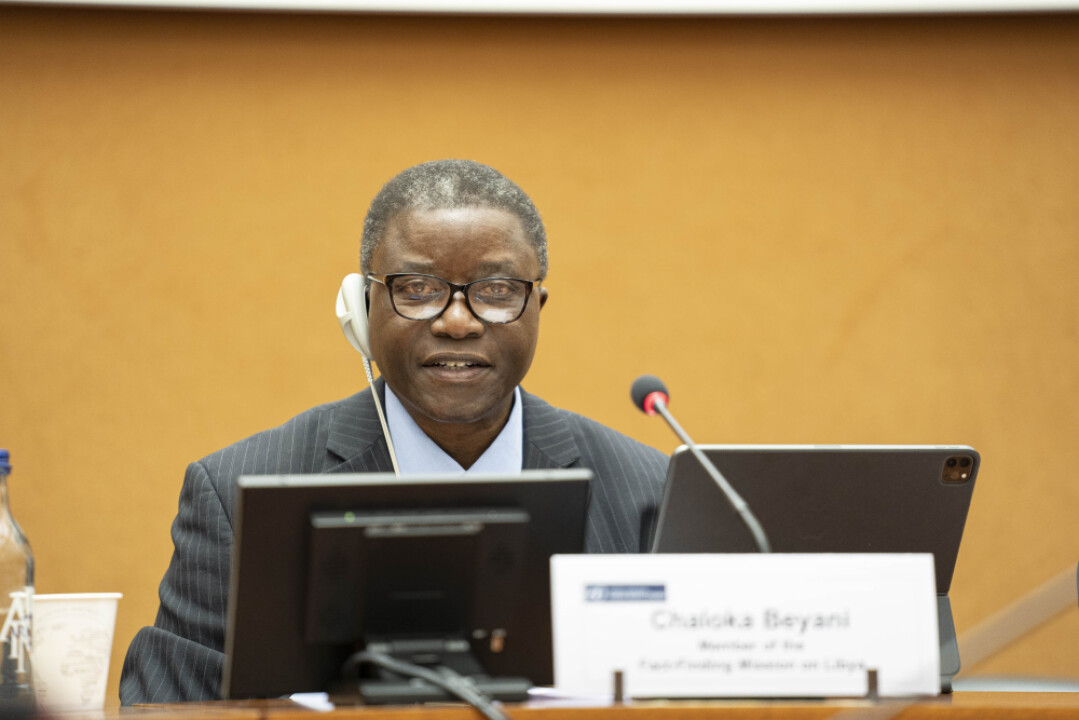
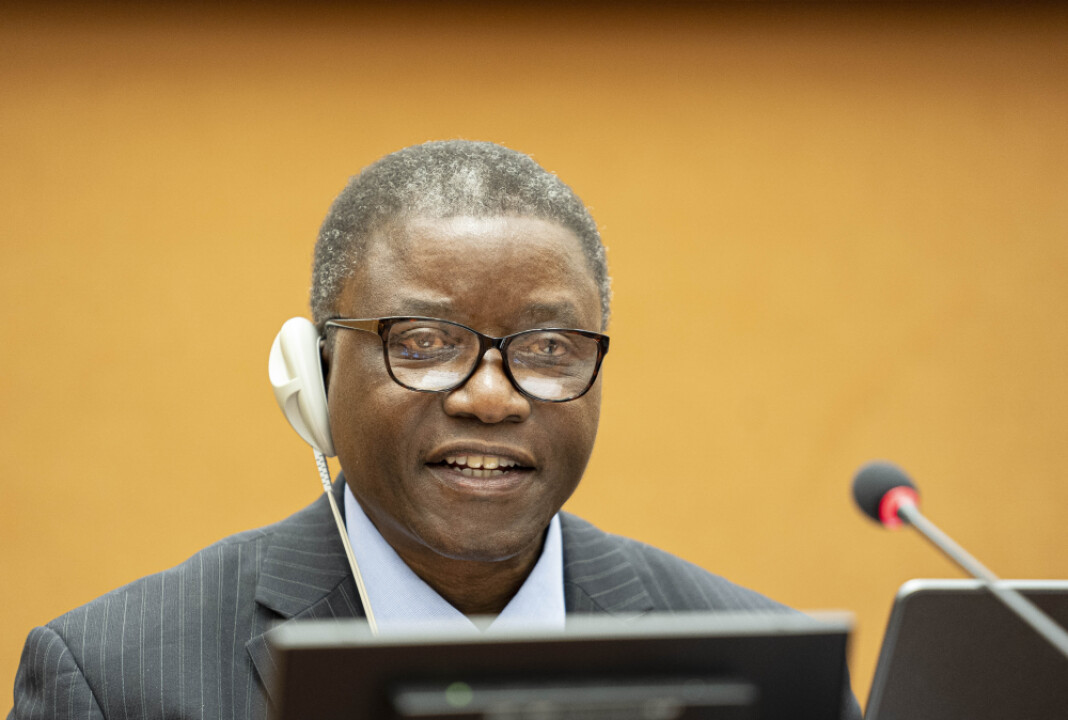
The Mission also expressed its concern about the role of the EU. “The support given by the EU to the Libyan coast guard in terms of pullbacks, pushbacks, interceptions, lead to violations of certain human rights,” said Chaloka Beyani. “Non-refoulement, for example, you can’t push people back to areas that are unsafe, and the Libyan waters are unsafe for embarkation of migrants, quite clearly.”
The report said that detainees were subjected regularly to torture, solitary confinement, held incommunicado and denied adequate access. It documents the “widespread practice” of arbitrary detention, murder, torture, rape, enslavement and enforced disappearance in the country. The Mission states for the first time that sexual slavery was committed against migrants in official detention centres and in secret prisons, amid rampant impunity.
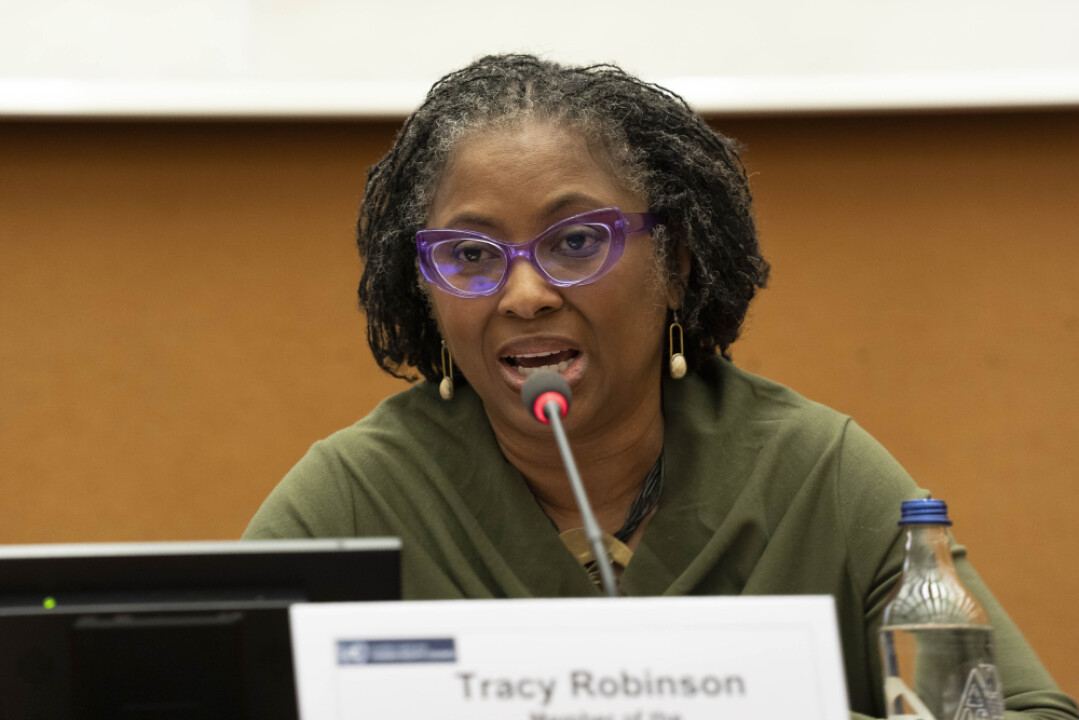
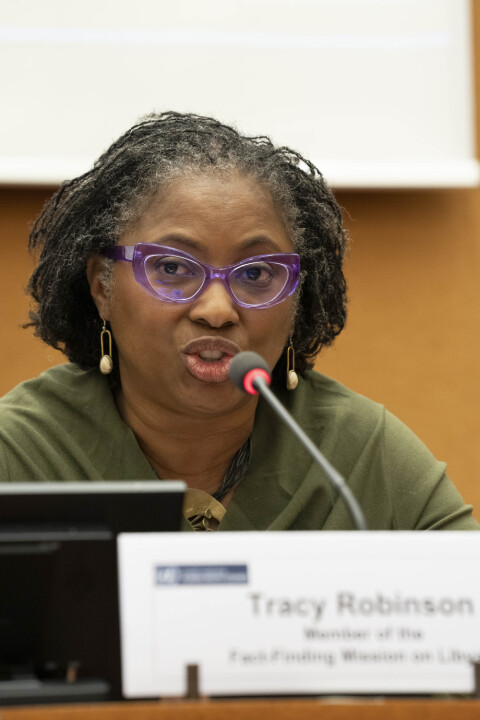
“We have found instances of enslavement, of persons who have been traded to outside entities, to perform various services, but also sexual slavery of women of in and around detention centres,” said Tracy Robinson, Member of the Libya Fact-Finding Mission (FFM). “The findings in respect of both are new for the FFM and represents, I think, a very significant set of violations which we had not been able to establish in our previous reporting cycles.”
Established by the Human Rights Council in 2020 to look investigate human rights violation by all parties since the beginning of 2016, the FFM has undertaken 13 missions and conducted more than 400 interviews. It has also collected more than 2,800 items of information, including photograph and audiovisual imagery. To strengthen accountability, the FFM will share material with the International Criminal Court and other findings that it has collected throughout its mandate.
“Our focus was on the victims and the measures that needed to be taken in relation to the victims,” Mr. Beyani said. “So taking that line in the context of violations, in the context of the State-building project in Libya which is what it is - it’s the collapse of the State of Libya that has led to these violations and, therefore, for the International community - the Fact-Finding Mission has laid out bare facts and bare findings.”
With its mandate coming to an end next week, the Mission called on the Human Rights Council to establish a new monitoring and investigating mechanism for Libya.
-ends-
STORY: Fact-finding Mission Libya
TRT: 3:31”
SOURCE: UNTV CH
RESTRICTIONS: NONE
LANGUAGE: ENGLISH/NATS
ASPECT RATIO: 16:9
DATELINE: 27 March 2023 GENEVA, SWITZERLAND
SHOTLIST
- Medium shot, UN Geneva flag alley.
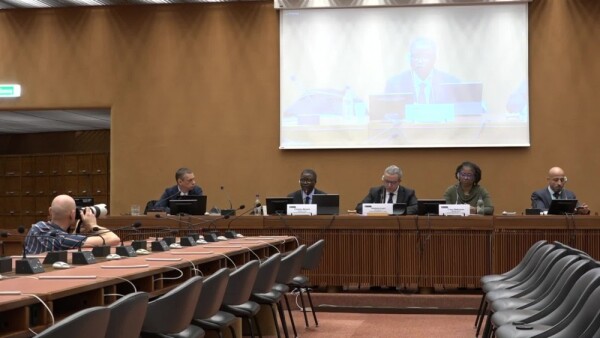
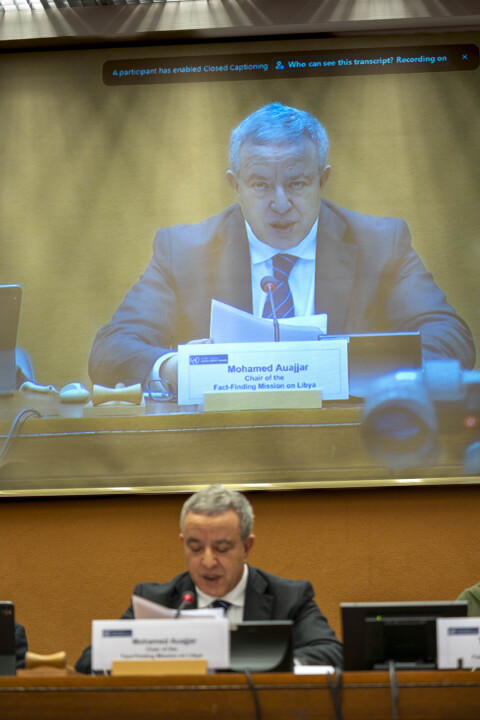
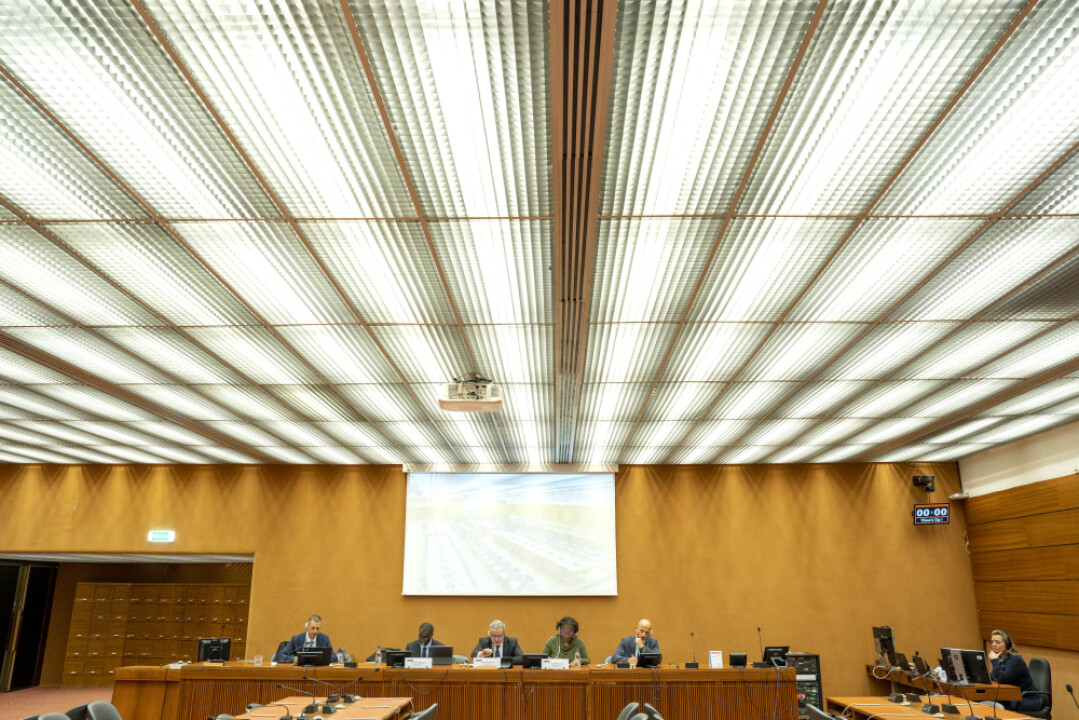
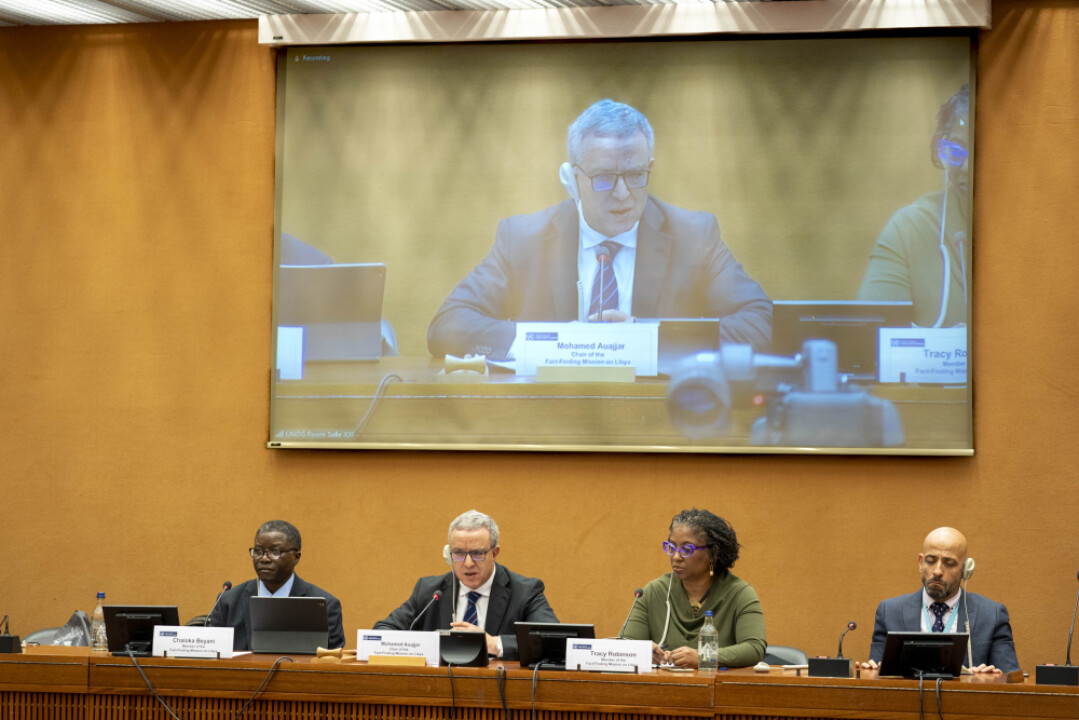
- Wide shot, press room with speakers at the podium
- SOUNDBITE (Arabic) – Mohamed Auajjar, Chair of the Libya Fact-Finding Mission: “The FFM on Libya has found reasonable ground to believe that crimes against humanity were committed against Libyan civilians and migrants who were deprived of their liberties throughout Libya since 2016”.
- Close up, photographer
- SOUNDBITE (Arabic) – Mohamed Auajjar, Chair of the Libya Fact-Finding Mission: “The Commission finalized its assessment of the evidence in the treatment of migrants. The mission has proven that it had enough reasons to believe that sexual slavery which is also a crime against humanity was committed against migrants”.
- Medium shot, journalist taking notes
- SOUNDBITE (Arabic) - Mohamed Auajjar, Chair of the Libya Fact-Finding Mission: ”The mission found that crimes against humanity have been committed against migrants in detention, and which are under the actual or nominal control of Anti-illegal Immigration Agency, the Libyan port guard and the Stability Support Apparatus, these entities received technical, logistical and financial support from the EU and from the EU member countries in order to intercept the paths of migrants and to bring them back home”.
- Wide shot, speakers at the podium with photographer
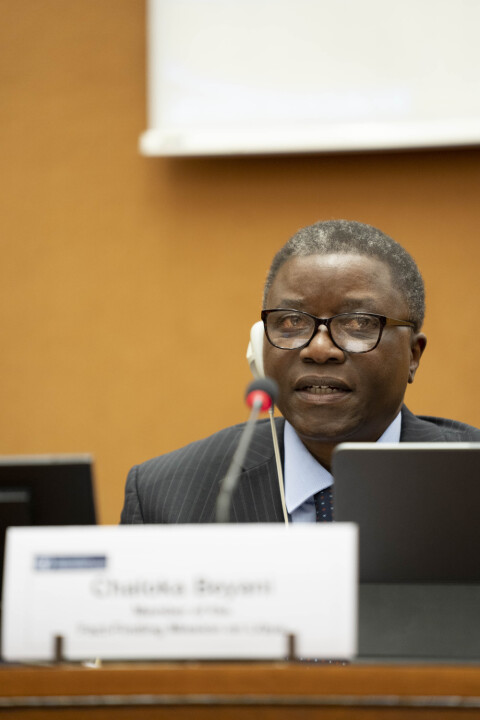
- SOUNDBITE (ENGLISH) – Chaloka Beyani, Member of the Libya Fact-Finding Mission: “The support given by the EU to the Libyan coast guard in terms of pullbacks, pushbacks, interceptions, lead to violations of certain human rights. Non-refoulement, for example- you can’t push people back to areas that are unsafe, and the Libyan waters are unsafe for embarkation of migrants, quite clearly”.
- Wide shot, speakers at the podium with photographer
- SOUNDBITE (ENGLISH) - Tracy Robinson, Member of the Libya Fact-Finding Mission: “We have found instances of enslavement, of persons who have been traded to outside entities, to perform various services, but also sexual slavery of women of in and around detention centers. The findings in respect of both are new for the FFM and represents, I think, a very significant set of violations which we had not been able to establish in our previous reporting cycles”.
- Wide shot, speakers at podium with journalists
- SOUNDBITE (ENGLISH) – Chaloka Beyani, Member of the Libya Fact-Finding Mission: “Our focus was on the victims, and the measures that needed to be taken in relation to the victims. So taking that line in the context of violations, in the context of the State-building project in Libya which is what it is- it’s the collapse of the state of Libya that has led to these violations and, therefore, for the International community, the Fact-Finding Mission has laid out bare facts and bare findings”.
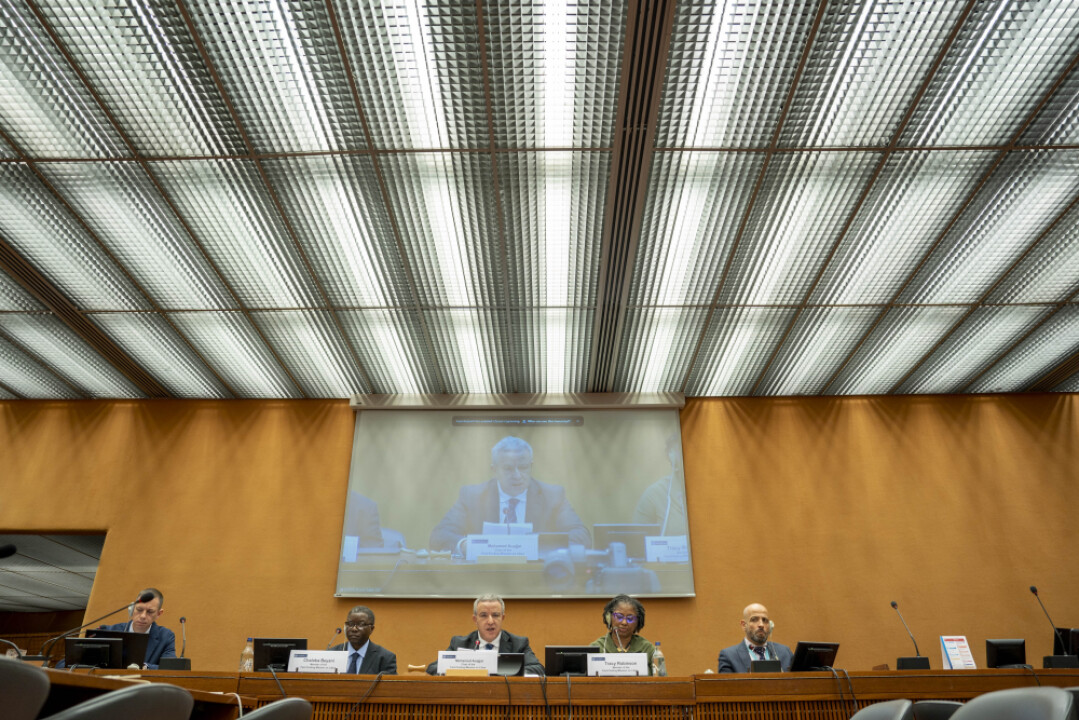
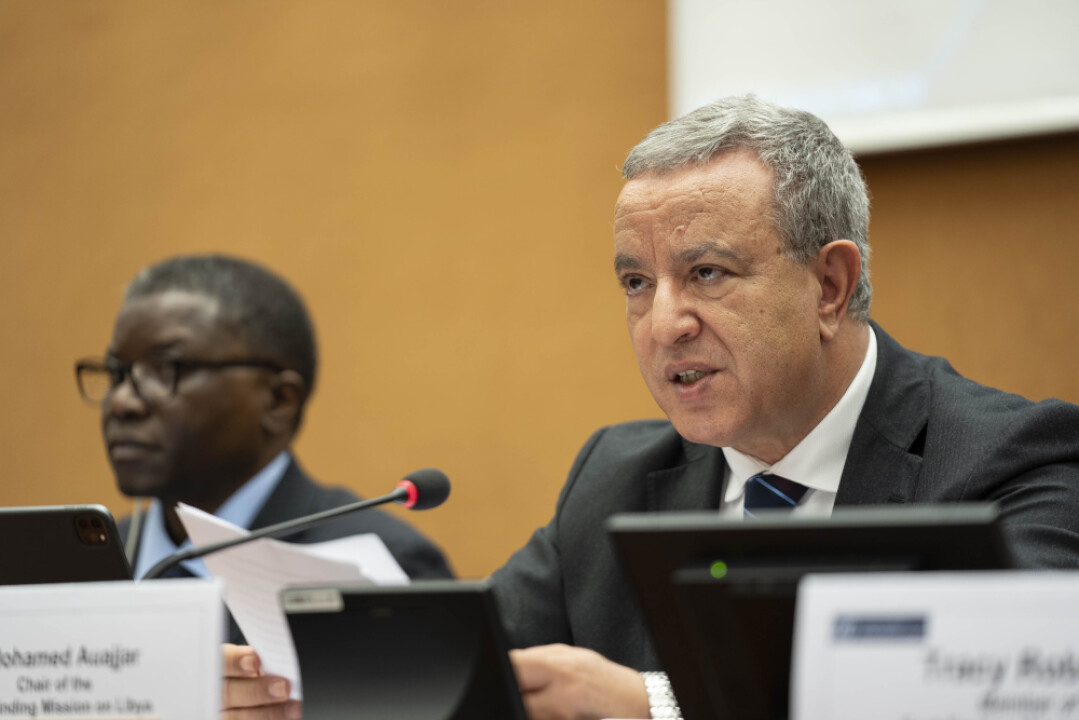
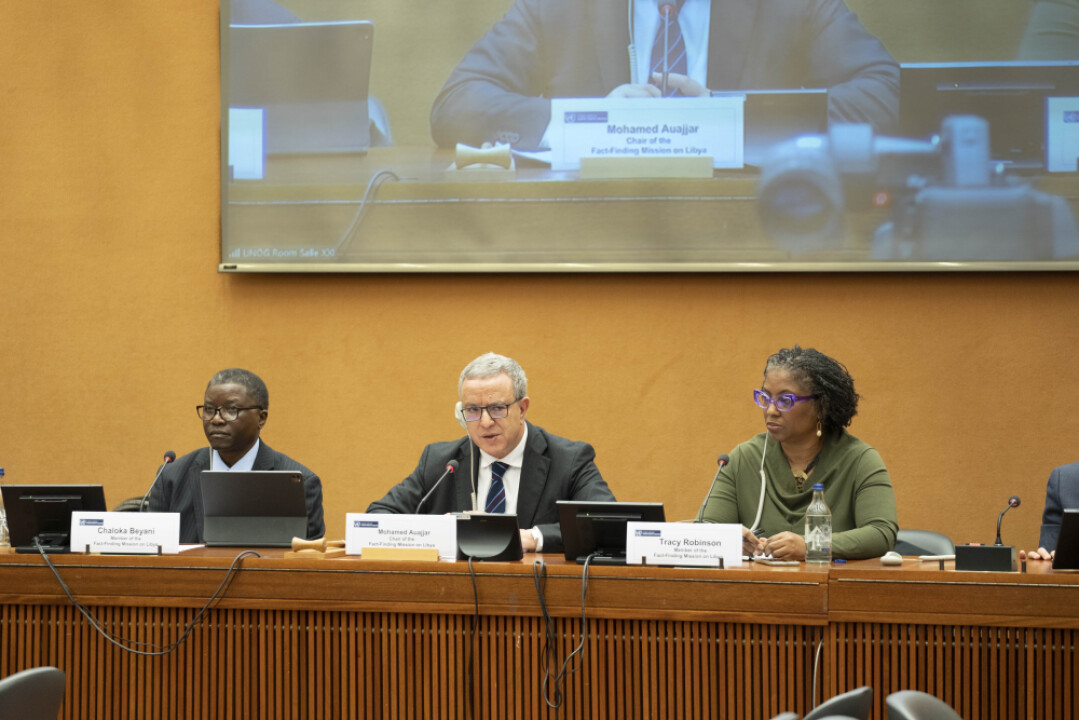
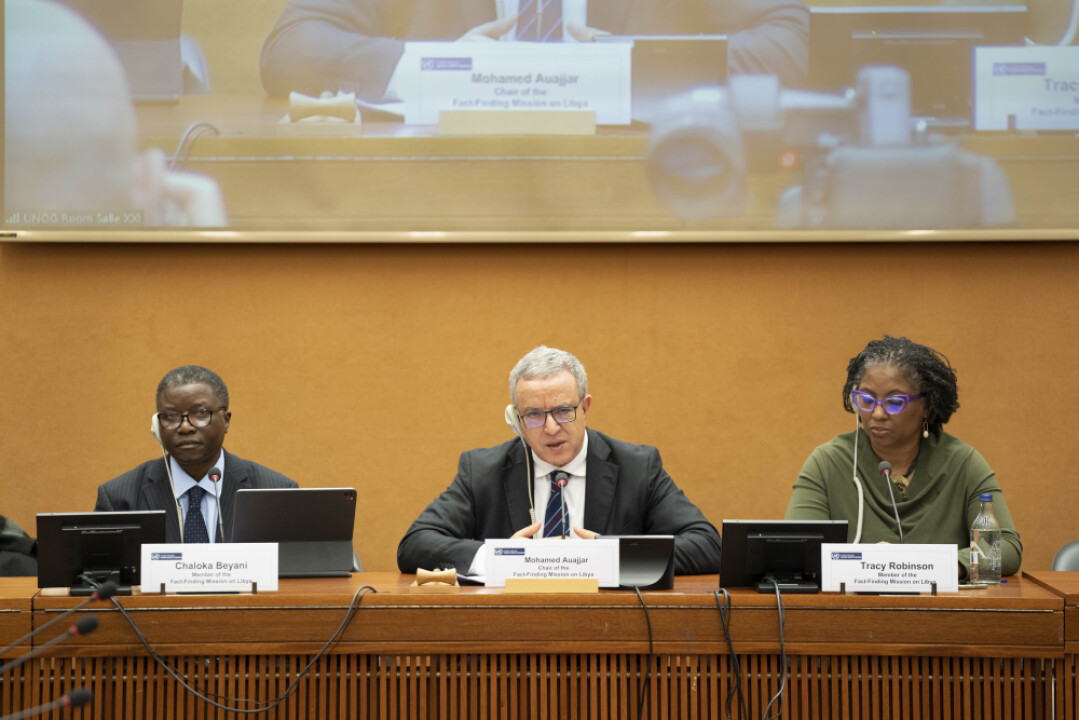
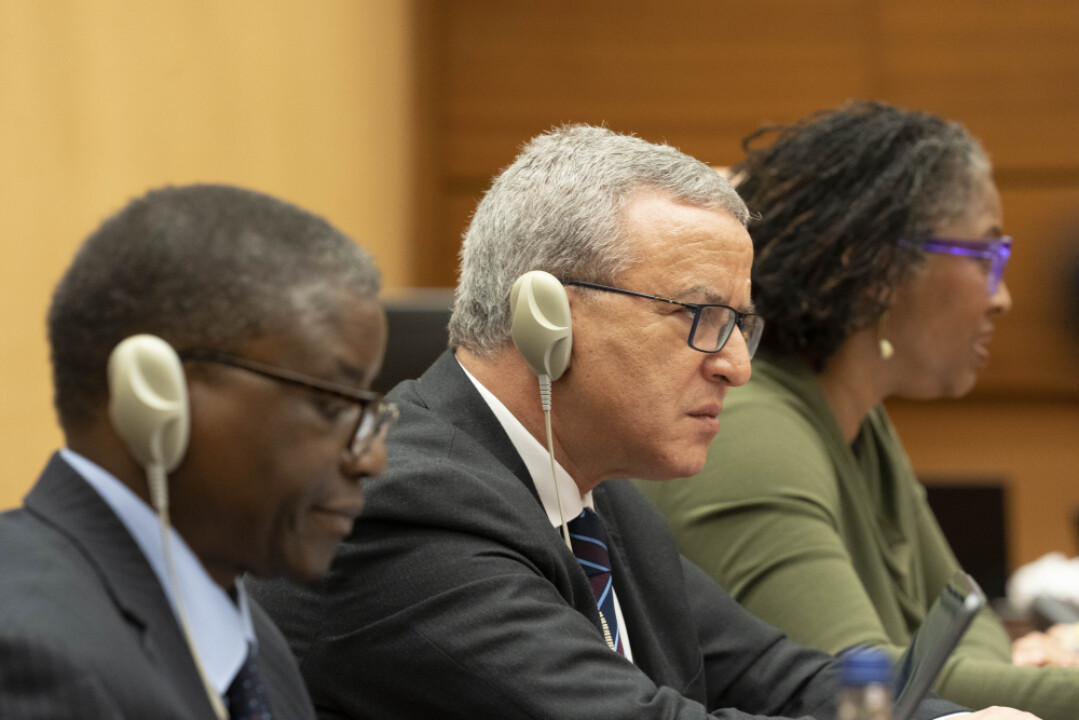
- Medium shot, three Commissioners at the podium
- Close up, hands writing on paper
- Medium shot, journalists with screen on the side
Similar Stories

1
1
1
Edited News | OCHA , UNICEF , WFP
Aid agencies warned on Friday of the fast-developing humanitarian emergency inside Taiz City in Yemen, which has been encircled by de facto Houthi forces fighting government troops along the country’s west coast.
1
1
1
Press Conferences | UN WOMEN , WFP , WHO
UN WOMEN: Sudan Women and girls one year after the fall of El Fasher; increasing drone attacks across the country; WFP: DRC - Ebola spreads to eighth DRC province as WFP delivers food, builds treatment centres and keeps supplies moving; WHO - Update on Ebola (Bundibugyo Virus Disease)
1
12
1
1
Press Conferences , Images | UNOG
Closing Press Conference following the Sixth Consultative Meeting on Enhancing Coordination of Peace Initiatives and Efforts in Sudan

2
17
1
2
Edited News , Press Conferences , Images | OCHA , WMO
Two UN agencies teamed up on Wednesday to issue an appeal for immediate assistance to help communities already being impacted by the strongest El Niño on record.

3
16
2
2
Edited News , B-roll , Conferences , Images | UNITED NATIONS , UNOG
Sixth Consultative Meeting on Enhancing Coordination of Peace Initiatives and Efforts for Sudan
1
1
1
Press Conferences | CITES
Wildlife trade and conservation policy discussions at the 81st meeting of the CITES Standing Committee (SC81)

1
1
1
Edited News | UNICEF , WHO , UNHCR
Yemen war continues to force families from homes amid hunger and disease
More than 250,000 people have now fled renewed fighting in Yemen, the UN said on Tuesday, citing particular concern for those sheltering in the southwestern city of Taiz and the wider governorate, where access is “essentially blocked”.
1
1
1
Press Conferences | UNHCR , UNCTAD , WMO , OCHA , UNICEF , WHO
UNHCR Hungary’s 1956 Refugee Crisis: 70 Years On, UNCTAD World Investment Forum 2026, Doha, WMO Greenhouse Gas Bulletin and Climate Update for COP31, OCHA Afghanistan: Malnutrition, Girls’ Education and Recovery, UNICEF Yemen: Child Malnutrition and Unsafe Water in Taiz, WHO Inequalities in Noncommunicable Diseases and Risk Factors
1
1
1
Press Conferences | UNHCR
End of UNHCR's 77th Annual Executive Committee (ExCom) meeting week

1
1
1
Edited News | UNICEF
A little over one year since a ceasefire agreement was announced between Hamas fighters and Israel, more than 340 children have been reported killed and hundreds more injured, the UN Children’s Fund, UNICEF, said on Friday.
1
1
1
Press Conferences | UNICEF , IOM , UNHCR
UN Special Assistant to the Personal Envoy Office (SUDAN): Peace Initiatives and Efforts in Sudan; UNICEF: Dire situation of children in Gaza; IOM: Damaged Homes and Energy Attacks Risk Displacing Ukrainians for this winter; UNHCR: update on EXCOM week
1
1
1
Press Conferences | IOM , UNDRR
UN stresses importance of household preparedness for disaster risk reduction.