

The United Nations Office at Geneva
Multimedia Newsroom
À Gaza, « chaque heure compte », déclare le chef de l'UNRWA dans un appel au cessez-le-feu
Le chef de l'agence des Nations Unies pour les réfugiés palestiniens, UNRWA, a réitéré son appel urgent à un cessez-le-feu à Gaza vendredi, au milieu d'une activité militaire israélienne accrue dans la plus grande ville de l'enclave.
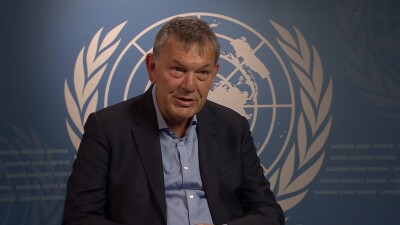
« Chaque heure aujourd'hui compte, plus nous attendons, plus de gens mourront, » a déclaré Philippe Lazzarini, Commissaire général de l'UNRWA, qui a souligné les nombreux dangers mortels auxquels les Gazaouis sont confrontés aujourd'hui.
« Soit ils mourront à cause de l'opération militaire sous les bombardements, soit ils mourront parce qu'ils n'ont pas pu être assistés à temps et meurent silencieusement de faim, » a-t-il déclaré à ONU Info à Genève.
« Ils meurent même parce qu'ils essaient désespérément de chercher de la nourriture en se rendant dans ces lieux de distribution tristement célèbres de la Fondation humanitaire de Gaza, » a déclaré M. Lazzarini, faisant référence aux centres d'aide controversés non-ONU où les fournitures sont distribuées à ceux qui peuvent s'y rendre à pied et emporter des secours vitaux.
Selon le bureau des droits de l'homme de l'ONU, OHCHR, depuis le 27 mai et jusqu'au 17 août, 1 857 Palestiniens ont été tués « en cherchant de la nourriture », dont 1 021 tués près des sites de la Fondation humanitaire de Gaza. 836 autres Palestiniens ont été tués sur les routes des camions de ravitaillement ; « la plupart de ces meurtres semblent avoir été commis par l'armée israélienne », a noté l'OHCHR noté.
Le chef de l'UNRWA a également fait écho à l'appel du Secrétaire général de l'ONU jeudi pour un arrêt immédiat de l'escalade militaire israélienne à Gaza et la libération de tous les otages pris lors des attaques terroristes menées par le Hamas qui ont déclenché la guerre en octobre 2023.
La violence « doit cesser immédiatement », a déclaré M. Lazzarini. « Les habitants de Gaza sont maintenant dans un état de famine qui a été déclaré il y a environ une semaine et maintenant nous parlons d'une offensive militaire majeure, avec une évacuation totale d'une population extrêmement affaiblie. »
Les déplacements massifs répétés sont devenus monnaie courante à Gaza, y compris pour un travailleur de l'UNRWA dans le nord de l'enclave, apparemment déraciné pour la dix-neuvième fois et contraint de chercher refuge, a déclaré l'agence plus tôt cette semaine.
Le problème est qu'aucun endroit n'est sûr à Gaza, a insisté M. Lazzarini, répondant aux rapports de nouveaux bombardements dans le refuge côtier d'Al Mawasi près de Khan Younis.
Des centaines de milliers de Palestiniens déplacés à Al Mawasi ont peu ou pas accès aux services et fournitures essentiels, y compris la nourriture, l'eau, l'électricité et les tentes.
Malgré cette situation désespérée, « il n'y a pas d'autre endroit qu'Al Mawasi pour que les gens puissent y aller car le reste de la bande de Gaza est en zone militaire avec des combats actifs en cours, » a-t-il expliqué. « Mais même Al Mawasi... n'est pas sûr pour les gens car il peut aussi être la cible d'un bombardement. C'est tout simplement indescriptible. »
Malgré les restrictions israéliennes en cours sur la quantité d'aide atteignant Gaza rapportées par les coordinateurs de l'aide de l'ONU, le chef de l'UNRWA a insisté sur le fait que le personnel de l'agence continue de fournir un soutien vital aux Gazaouis.
En plus de dispenser au moins 15 000 consultations médicales par jour dans les centres de santé primaires de l'UNRWA, l'agence de l'ONU dépiste les enfants pour la malnutrition aiguë, gère la gestion des déchets pour prévenir la propagation des maladies transmissibles et travaille à donner accès à l'eau potable. Environ 100 000 personnes sont encore abritées dans ses écoles.
« Là où l'UNRWA ne peut pas fonctionner pour le moment, c'est en ce qui concerne la distribution de nourriture, la livraison d'articles vitaux aux gens, car nous avons été contraints et empêchés d'apporter quoi que ce soit depuis que le cessez-le-feu a échoué en mars de cette année, » a expliqué M. Lazzarini.
HISTOIRE : Mise à jour sur Gaza – Philippe Lazzarini, UNRWA
TRT : 2’39”
SOURCE : UNTV CH
RESTRICTIONS : AUCUNE
LANGUE : ANGLAIS/ NATS
FORMAT D'IMAGE : 16:9
DATE : 29 AOÛT 2025 GENÈVE, SUISSE
Orateur :
- Philippe Lazzarini, Commissaire général, UNRWA
LISTE DE PLANS
- Plan large extérieur : Palais des Nations, allée des drapeaux.
- EXTRAIT SONORE (Anglais) – Philippe Lazzarini, Commissaire général, UNRWA : “Cela doit s'arrêter immédiatement. Comme vous le savez, les personnes vivant à Gaza sont maintenant en état de famine, déclarée il y a environ une semaine, et maintenant nous parlons d'une offensive militaire majeure, avec une évacuation totale d'une population extrêmement affaiblie.”
- Plan large, Philippe Lazzarini assis dans le studio UNTV Genève.
- EXTRAIT SONORE (Anglais) – Philippe Lazzarini, Commissaire général, UNRWA : “Nous avons à Gaza près d'un million de personnes entre la ville et le gouvernorat du nord qui n'ont essentiellement nulle part où aller, n'ont pas de ressources même pour se déplacer.”
- Moyen, panoramique, moniteurs du studio UNTV Genève montrant Philippe Lazzarini en interview.
- EXTRAIT SONORE (Anglais) – Philippe Lazzarini, Commissaire général, UNRWA : “Si l'opération militaire a lieu au milieu de cette population, cela ajoutera encore plus de souffrances, tuera encore plus de personnes et c'est un désastre total, total.”
- Moyen-large, travelling, Philippe Lazzarini en interview.
- EXTRAIT SONORE (Anglais) – Philippe Lazzarini, Commissaire général, UNRWA : “Aujourd'hui, il n'y a pas d'autre endroit que Al Mawasi pour que les gens puissent aller parce que le reste de la bande de Gaza est en zone militaire avec des combats actifs en cours. Mais même Al Mawasi, comme je l'ai dit, n'est pas sûr pour les gens car cela peut aussi être la cible d'un bombardement. C'est tout simplement indescriptible.”
- Moyen, moniteurs de la salle de contrôle du studio UNTV Genève.
- EXTRAIT SONORE (Anglais) – Philippe Lazzarini, Commissaire général, UNRWA : “Chaque heure compte aujourd'hui. Plus nous attendons, plus de personnes mourront. Soit elles mourront à cause de l'opération militaire sous les bombardements, soit elles mourront parce qu'elles n'ont pas pu être assistées à temps et elles meurent silencieusement de faim, ou elles meurent même parce qu'elles essaient désespérément de chercher de la nourriture en se rendant dans ces lieux de distribution infâmes de la Fondation Humanitaire de Gaza.”
- Plan large, allée des drapeaux de l'ONU Genève.
- EXTRAIT SONORE (Anglais) – Philippe Lazzarini, Commissaire général, UNRWA : “Là où l'UNRWA ne peut pas fonctionner pour le moment, c'est en ce qui concerne la distribution de nourriture, la livraison d'articles vitaux aux personnes, car nous avons été contraints et empêchés d'apporter quoi que ce soit depuis que le cessez-le-feu s'est effondré en mars de cette année.”
- Plan large, allée des drapeaux de l'ONU Genève.
Similar Stories

1
1
1
Edited News | UNICEF
A little over one year since a ceasefire agreement was announced between Hamas fighters and Israel, more than 340 children have been reported killed and hundreds more injured, the UN Children’s Fund, UNICEF, said on Friday.

1
1
1
Edited News | UNICEF , IFRC
Six weeks after Nepal’s deadly flooding disaster, communities are still struggling to rebuild their lives, but they will need sustained help as global warming increases the risk of another Himalayan catastrophe, the UN Children’s Fund (UNICEF) said on Friday.

1
1
1
Edited News | WHO
In suspected Russia plague death, testing and monitoring underway – WHO
The death of a lab worker in Russia’s Siberia region has sparked concerns about plague being the cause, the UN World Health Organization (WHO) said on Tuesday, adding that it was following the situation closely.

1
1
Edited News | OHCHR , UNOG
UN Human Rights Chief Volker Türk on Friday provided and oral update to the 63rd session of the Human rights Council on Ukraine.

1
1
1
Edited News | OHCHR , UNOG
UN Human Rights Chief Volker Türk on Friday provided and oral update to the 63rd session of the Human rights Council on the human rights situation in Haiti.

1
1
1
Edited News | WHO
Repeated delays in bringing lifesaving medicines, prosthetics and more from Israel into Gaza risk having devastating consequences on Palestinians who urgently need them in the wartorn enclave, the UN World Health Organization (WHO) said on Friday. “A truck full of non-priority supplies or the right supplies arriving too late, doesn't save lives. That's the question that actually matters," said Dr Reinhilde Van De Weerdt, WHO Representative in the OPT.

1
1
1
Edited News | WHO
DRC: Early access to care and oxygen decisive for Ebola patients’ survival – WHO
In the Democratic Republic of the Congo (DRC), health workers fighting the country’s largest-ever Ebola outbreak are struggling to overcome critical challenges to patient care, the UN World Health Organization (WHO) warned on Tuesday.

1
1
1
Edited News | OCHA , UN
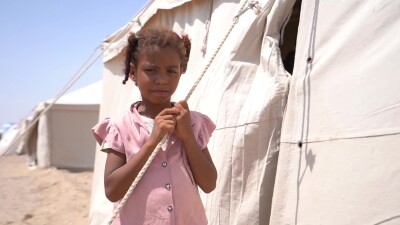
Civilians in Iran are continuing to feel the consequences of months of conflict and military escalation, the UN’s top official in the country has said, as loss of life, damage to civilian infrastructure and mounting economic pressures leave many facing continued uncertainty.
1
1
1
Edited News | WHO , UNICEF
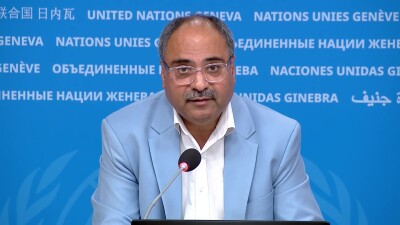
Aid agencies in Yemen highlighted the growing hunger emergency sparked by renewed fighting between Houthi opposition forces and Government troops, after mobile health clinics reported that hundreds of children displaced by the violence are suffering from the most deadly form of malnutrition.
1
1
1
Edited News | UNHCR
Displacement on the rise in Yemen as fighting continues - UNHCR
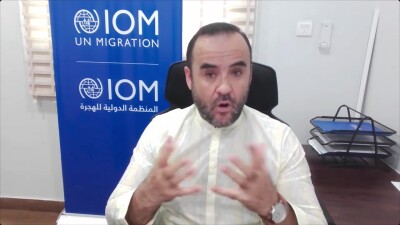
As hostilities worsen in Yemen, more people have been fleeing their homes, further intensifying the humanitarian crisis within the region, the UN Refugee Agency (UNHCR) warned on Tuesday.
1
1
1
Edited News | IOM , OHCHR , UNFPA , UNOG , UNHCR , WHO
Yemen’s humanitarian crisis growing by the hour amid spike in displacement
Yemenis displaced by renewed fighting have described fleeing for their lives amid shelling and gunfire, aid agencies reported on Friday, while highlighting the dramatic increase in humanitarian needs in the country and in Djibouti, where thousands have sought shelter.
1
1
1
Edited News | OHCHR , UNOG
The UN Human Rights Office issued on Friday a report documenting a shocking pattern of sexual violence amid Russia’s full-scale armed attack on Ukraine.