

The United Nations Office at Geneva
Multimedia Newsroom
Crisis Iran-Israël : le bureau des droits de l'homme de l'ONU lance un appel à une désescalade urgente
Alors que la crise Iran-Israël se poursuit pour un sixième jour, la cheffe adjointe des droits de l'homme de l'ONU, Nada Al-Nashif, a appelé à des pourparlers urgents pour mettre fin aux échanges continus d'attaques de missiles entre Téhéran et Tel-Aviv.
Israël a commencé à cibler des sites nucléaires et militaires à travers l'Iran vendredi dernier, ce qui a entraîné une série de frappes de représailles sur les villes israéliennes.
« Le bureau des droits de l'homme de l'ONU appelle à la désescalade et à des négociations diplomatiques urgentes pour mettre fin à ces attaques et trouver une voie à suivre, » a déclaré Mme Al-Nashif. « Nous suivons de près et sommes conscients des rapports indiquant que des milliers de résidents fuient des parties de la capitale, Téhéran, à la suite d'avertissements couvrant de vastes zones. »
Les derniers rapports de la région indiquent que plus de 200 personnes ont été tuées en Iran et 24 en Israël à ce jour.
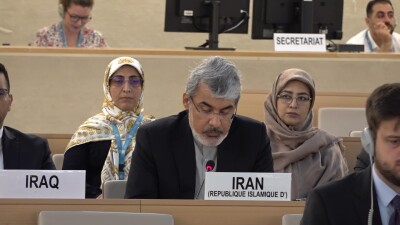
S'adressant au Conseil des droits de l'homme à Genève lors d'une réunion prévue pour discuter du bilan des droits de l'Iran, la Haute-Commissaire adjointe a souligné de sérieuses préoccupations concernant le fait que des zones peuplées ont été touchées dans l'escalade.
« Il est impératif que les deux parties respectent pleinement le droit international, en particulier en assurant la protection des civils dans les zones densément peuplées et des objets civils, » a-t-elle déclaré. « Nous exhortons tous ceux qui ont de l'influence à s'engager dans des négociations en priorité. »
Dans un développement connexe, l'agence de surveillance nucléaire soutenue par l'ONU a déclaré mercredi que deux installations de production de centrifugeuses iraniennes avaient subi des dommages majeurs après avoir été ciblées.
« L'atelier TESA Karaj et le Centre de recherche de Téhéran ont été touchés, » a-t-elle déclaré dans une mise à jour. « Sur le site de Téhéran, un bâtiment a été touché où des rotors de centrifugeuses avancées étaient fabriqués et testés. À Karaj, deux bâtiments ont été détruits où différents composants de centrifugeuses étaient fabriqués, » a déclaré l'Agence internationale de l'énergie atomique (AIEA).
En s'exprimant au Conseil après la Haute-Commissaire adjointe aux droits de l'homme, le Représentant permanent de l'Iran, l'Ambassadeur Ali Bahreini, a condamné les frappes israéliennes : « Il n'y a pas eu de violation pire que l'acte d'agression du 13 juin contre l'Iran, » a-t-il déclaré, en pointant du doigt « des attaques aveugles continues sur des zones résidentielles, le bombardement de fournitures vitales, l'explosion de ressources en eau potable et des frappes imprudentes sur des installations nucléaires impactent immédiatement les civils et le peuple iranien. »
Un tel « ciblage délibéré » des installations nucléaires de son pays risquait d'exposer les communautés locales à une « fuite potentiellement dangereuse », a poursuivi l'ambassadeur iranien. « Ce n'est pas un acte de guerre contre notre pays, c'est une guerre contre l'humanité. »
Dans une courte déclaration au Conseil dont Israël a annoncé son retrait plus tôt cette année, M. Bahreini a appelé à la responsabilité et à la condamnation internationale des attaques israéliennes. « Cette impunité doit cesser, » a-t-il dit. « Les activités d'Israël ne sont pas seulement contre un ou deux pays. Elles agissent contre toute l'humanité et leurs actions visent tous les droits de l'homme. »
fin
HISTOIRE : Conseil des droits de l'homme – Iran
TRT : 2’23”
SOURCE : UNTV CH
RESTRICTIONS : AUCUNE
LANGUE : ANGLAIS/ NATS
FORMAT D'IMAGE : 16:9
DATE : 18 JUIN 2025 GENÈVE, SUISSE
Orateurs
- Mme Nada Al-Nashif, Haut-Commissaire adjointe des Nations Unies aux droits de l'homme
- M. Ali Bahreini, Représentant permanent et Ambassadeur extraordinaire et plénipotentiaire de l'Iran auprès de l'Office des Nations Unies et d'autres organisations internationales à Genève.
LISTE DE PLANS
- Plan large extérieur : Palais des Nations, allée des drapeaux.
- Plan large : Conseil des droits de l'homme.
- EXTRAIT SONORE (Anglais) – Nada Al-Nashif, Haut-Commissaire adjointe des Nations Unies aux droits de l'homme : « Le Bureau des droits de l'homme des Nations Unies appelle à une désescalade et à des négociations diplomatiques urgentes pour mettre fin à ces attaques et trouver une voie à suivre. Nous suivons de près et sommes conscients des rapports selon lesquels des milliers de résidents fuient certaines parties de la capitale, Téhéran, à la suite d'avertissements couvrant de vastes zones. Il y a de sérieuses préoccupations quant au fait que certaines attaques se déroulent dans des zones peuplées, avec des rapports de victimes civiles.»
- Plan large extérieur : Palais des Nations, allée des drapeaux.
- EXTRAIT SONORE (Anglais) – Nada Al-Nashif, Haut-Commissaire adjointe des Nations Unies aux droits de l'homme : « Il est impératif que les deux parties respectent pleinement le droit international, en particulier en assurant la protection des civils dans les zones densément peuplées et des objets civils. Nous exhortons tous ceux qui ont de l'influence à s'engager dans des négociations en priorité.»
- Plan large : Conseil des droits de l'homme.
- EXTRAIT SONORE (Anglais) – Ali Bahreini, Représentant permanent de l'Iran : « Il n'y a pas eu de violation pire que l'acte d'agression du 13 juin contre l'Iran. Les conséquences énormes sur les droits de l'homme de telles offenses odieuses, non provoquées et injustifiées, y compris les attaques aveugles continues sur les zones résidentielles, le bombardement des approvisionnements vitaux, l'explosion des ressources en eau potable et les frappes imprudentes sur les installations nucléaires affectent immédiatement les civils et le peuple iranien.»
- Plan large extérieur : Palais des Nations, allée des drapeaux.
- EXTRAIT SONORE (Anglais) – Ali Bahreini, Représentant permanent de l'Iran : « Le ciblage délibéré des installations nucléaires iraniennes constitue non seulement une grave violation du droit international et de la Charte des Nations Unies, mais expose également toutes les personnes de notre voisinage à un risque de fuite dangereuse. Ce n'est pas un acte de guerre contre notre pays, c'est une guerre contre l'humanité.»
- Plan large extérieur : Palais des Nations, allée des drapeaux.
- EXTRAIT SONORE (Anglais) – Ali Bahreini, Représentant permanent de l'Iran : « Cette impunité doit prendre fin. Les activités d'Israël ne sont pas seulement contre un ou deux pays. Elles agissent contre toute l'humanité et leurs actions ciblent tous les droits de l'homme.»
- Plan large extérieur : Palais des Nations, allée des drapeaux.
Similar Stories

1
1
1
Edited News | OCHA , UNICEF , WFP
Aid agencies warned on Friday of the fast-developing humanitarian emergency inside Taiz City in Yemen, which has been encircled by de facto Houthi forces fighting government troops along the country’s west coast.

2
17
1
2
Edited News , Press Conferences , Images | OCHA , WMO
Two UN agencies teamed up on Wednesday to issue an appeal for immediate assistance to help communities already being impacted by the strongest El Niño on record.

3
16
2
2
Edited News , B-roll , Conferences , Images | UNITED NATIONS , UNOG
Sixth Consultative Meeting on Enhancing Coordination of Peace Initiatives and Efforts for Sudan

1
1
1
Edited News | UNICEF , WHO , UNHCR
Yemen war continues to force families from homes amid hunger and disease
More than 250,000 people have now fled renewed fighting in Yemen, the UN said on Tuesday, citing particular concern for those sheltering in the southwestern city of Taiz and the wider governorate, where access is “essentially blocked”.

1
1
1
Edited News | UNICEF
A little over one year since a ceasefire agreement was announced between Hamas fighters and Israel, more than 340 children have been reported killed and hundreds more injured, the UN Children’s Fund, UNICEF, said on Friday.

1
1
1
Edited News | UNICEF , IFRC
Six weeks after Nepal’s deadly flooding disaster, communities are still struggling to rebuild their lives, but they will need sustained help as global warming increases the risk of another Himalayan catastrophe, the UN Children’s Fund (UNICEF) said on Friday.

1
1
1
Edited News | WHO
In suspected Russia plague death, testing and monitoring underway – WHO
The death of a lab worker in Russia’s Siberia region has sparked concerns about plague being the cause, the UN World Health Organization (WHO) said on Tuesday, adding that it was following the situation closely.

1
1
Edited News | OHCHR , UNOG
UN Human Rights Chief Volker Türk on Friday provided and oral update to the 63rd session of the Human rights Council on Ukraine.

1
1
1
Edited News | OHCHR , UNOG
UN Human Rights Chief Volker Türk on Friday provided and oral update to the 63rd session of the Human rights Council on the human rights situation in Haiti.

1
1
1
Edited News | WHO
Repeated delays in bringing lifesaving medicines, prosthetics and more from Israel into Gaza risk having devastating consequences on Palestinians who urgently need them in the wartorn enclave, the UN World Health Organization (WHO) said on Friday. “A truck full of non-priority supplies or the right supplies arriving too late, doesn't save lives. That's the question that actually matters," said Dr Reinhilde Van De Weerdt, WHO Representative in the OPT.

1
1
1
Edited News | WHO
DRC: Early access to care and oxygen decisive for Ebola patients’ survival – WHO
In the Democratic Republic of the Congo (DRC), health workers fighting the country’s largest-ever Ebola outbreak are struggling to overcome critical challenges to patient care, the UN World Health Organization (WHO) warned on Tuesday.

1
1
1
Edited News | OCHA , UN
Civilians in Iran are continuing to feel the consequences of months of conflict and military escalation, the UN’s top official in the country has said, as loss of life, damage to civilian infrastructure and mounting economic pressures leave many facing continued uncertainty.