

The United Nations Office at Geneva
Multimedia Newsroom
Press Conferences , Edited News | WMO
Conférence de presse de l'OMM : rapport « Unis dans la science 2024 » - 18 septembre 2024
Rapport annuel "Unis dans la science"
Orateurs :
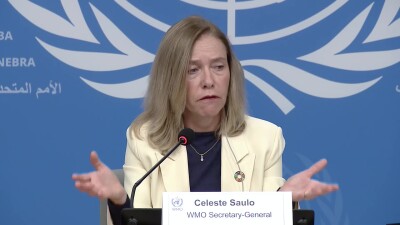
Celeste Saulo, Secrétaire générale de l'OMM
Lauren Stuart, coordinatrice scientifique
Les impacts du changement climatique et des conditions météorologiques dangereuses inversent les gains de développement et menacent le bien-être des personnes et de la planète, selon un nouveau rapport multi-agences coordonné par l'Organisation météorologique mondiale (OMM).
- Le rapport multi-agences met en lumière les défis et les opportunités
- Décisions du Sommet du Futur : un choix entre percée ou effondrement
- Les impacts croissants du changement climatique inversent les gains de développement
- Le fossé entre l'aspiration et la réalité se creuse
- Les nouvelles technologies et l'innovation sont des changements potentiels
- Les sciences naturelles et sociales font partie d'une approche transdisciplinaire plus large
Histoire : “Rapport 'Unis dans la science' - OMM” – 18 septembre 2024
Orateurs :
- Celeste Saulo, Secrétaire générale de l'Organisation météorologique mondiale (OMM)
- Lauren Stuart, coordinatrice scientifique à l'Organisation météorologique mondiale (OMM)
TRT : 02’26”
SOURCE : UNTV CH
LANGUE : ANGLAIS / NATS
FORMAT : 16:9
DATELINE : 18 septembre 2024 - GENÈVE, SUISSE
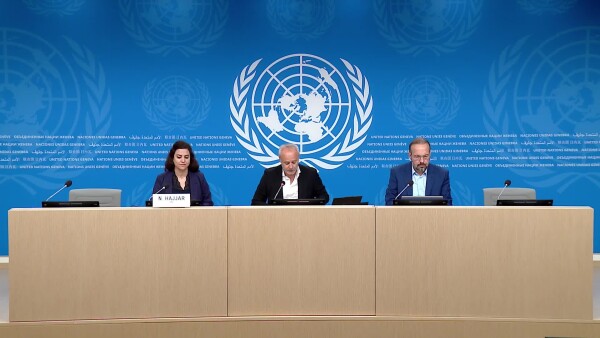
Conférence de presse à Genève
LISTE DES PLANS
- Plan moyen extérieur : allée des drapeaux de l'ONU.
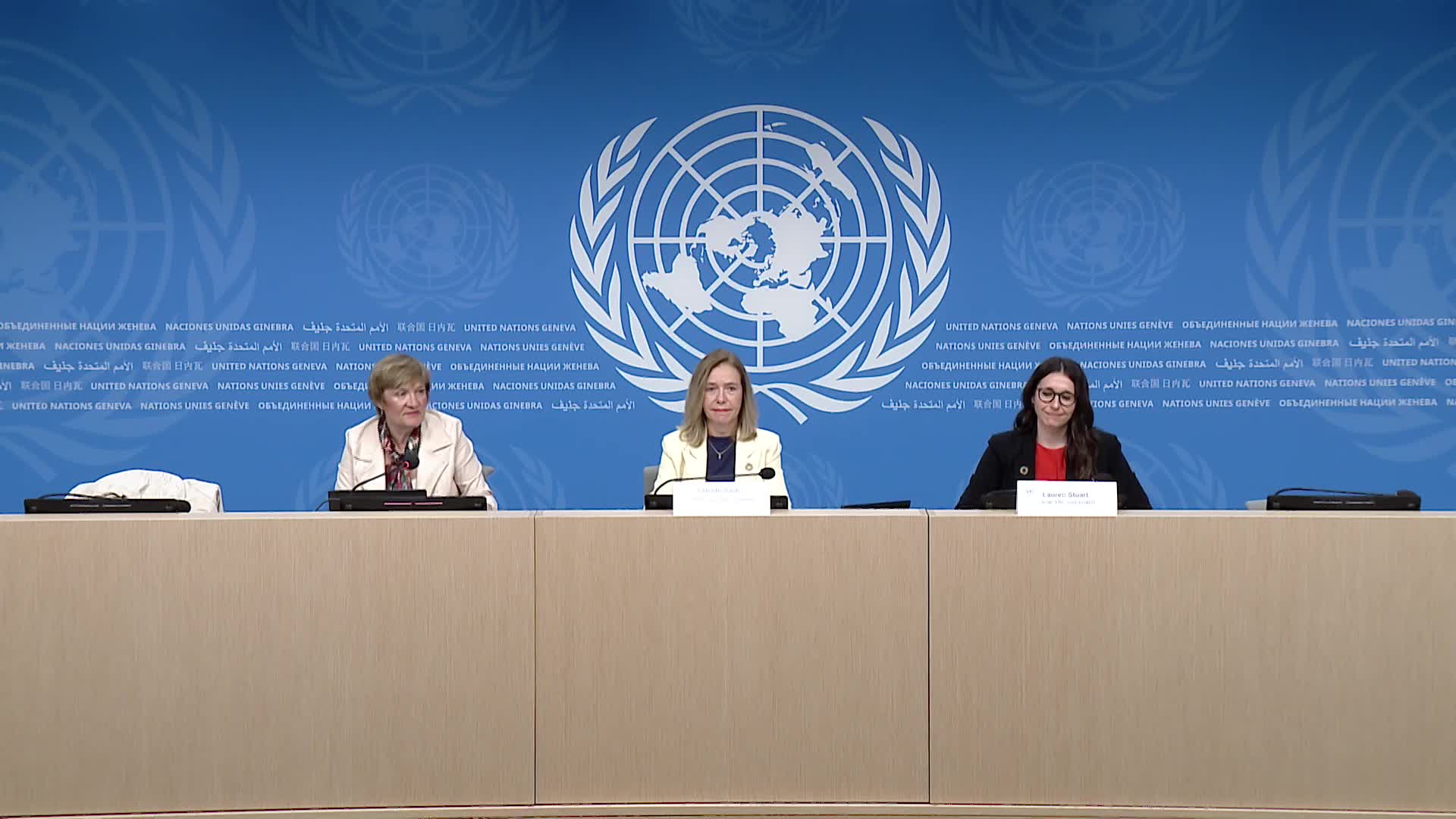
- Plan large de la salle de conférence de presse avec les orateurs au podium.
- EXTRAIT SONORE (Anglais) Celeste Saulo, Secrétaire générale de l'Organisation météorologique mondiale (OMM) : “La science est claire : nous sommes loin d'atteindre les objectifs climatiques mondiaux. 2023 a été l'année la plus chaude jamais enregistrée avec une marge énorme. Les principaux ensembles de données internationales indiquent que les huit premiers mois de 2024 sont également les plus chauds jamais enregistrés.”
- Plan moyen du podium avec les orateurs.
- EXTRAIT SONORE (Anglais) Celeste Saulo, Secrétaire générale de l'OMM : “Lorsque l'Accord de Paris a été adopté, les émissions de gaz à effet de serre devaient augmenter de 16 % d'ici 2030 par rapport à 2015. Maintenant, cette augmentation projetée est de trois pour cent. Donc, des progrès ont été réalisés, mais nous devons être beaucoup plus ambitieux. Le fossé entre l'aspiration et la réalité est flagrant.”
- Plan moyen des orateurs de dos et de la salle de conférence de presse.
- EXTRAIT SONORE (Anglais) Lauren Stuart, coordinatrice scientifique à l'Organisation météorologique mondiale (OMM) : “Les satellites améliorent notre capacité à surveiller les émissions de gaz à effet de serre, ce qui est crucial pour informer nos efforts de réduction des émissions et atteindre les objectifs de l'Accord de Paris. Un autre exemple que nous mettons en avant est les technologies immersives, qui rapprochent vraiment les mondes numérique et physique. Et un exemple de cela est ce que nous appelons les 'jumeaux numériques', qui sont essentiellement une réplique numérique de la Terre.”
- Plan large latéral : journalistes dans la salle de conférence de presse.
- EXTRAIT SONORE (Anglais) Celeste Saulo, Secrétaire générale de l'OMM : “J'ai confiance dans les gouvernements. J'ai confiance dans le multilatéralisme. J'ai confiance dans le Sommet du Futur et comment cela nous aidera à aborder, à utiliser la technologie pour le mieux tout en contrôlant les impacts négatifs de la technologie.”
- Plan large de la salle de conférence de presse.
- EXTRAIT SONORE (Anglais) Celeste Saulo, Secrétaire générale de l'OMM : “La science ne doit pas être gardée dans une boîte pour quelques-uns d'entre nous. La science doit être le mécanisme moteur dans le monde entier pour vraiment transformer et offrir plus d'opportunités aux générations futures.”
- Plans variés de la salle de conférence de presse avec des journalistes prenant des notes et des caméramans.
Similar Stories
1
1
1
Press Conferences | WMO , UNHCR , WHO , ILO
WMO: Greenhouse Gas Bulletin; UNHCR: As attacks intensify UNHCR urges support for war ravaged Ukrainians; WHO: Clinical trials in DRC: vaccines and beyond; ILO: New global and regional estimates on domestic work, informality and working conditions

1
1
1
Edited News | OCHA , UNICEF , WFP
Aid agencies warned on Friday of the fast-developing humanitarian emergency inside Taiz City in Yemen, which has been encircled by de facto Houthi forces fighting government troops along the country’s west coast.
1
1
1
Press Conferences | UN WOMEN , WFP , WHO
UN WOMEN: Sudan Women and girls one year after the fall of El Fasher; increasing drone attacks across the country; WFP: DRC - Ebola spreads to eighth DRC province as WFP delivers food, builds treatment centres and keeps supplies moving; WHO - Update on Ebola (Bundibugyo Virus Disease)
1
12
1
1
Press Conferences , Images | UNOG
Closing Press Conference following the Sixth Consultative Meeting on Enhancing Coordination of Peace Initiatives and Efforts in Sudan

2
17
1
2
Edited News , Press Conferences , Images | OCHA , WMO
Two UN agencies teamed up on Wednesday to issue an appeal for immediate assistance to help communities already being impacted by the strongest El Niño on record.

3
16
2
2
Edited News , B-roll , Conferences , Images | UNITED NATIONS , UNOG
Sixth Consultative Meeting on Enhancing Coordination of Peace Initiatives and Efforts for Sudan
1
1
1
Press Conferences | CITES
Wildlife trade and conservation policy discussions at the 81st meeting of the CITES Standing Committee (SC81)

1
1
1
Edited News | UNICEF , WHO , UNHCR
Yemen war continues to force families from homes amid hunger and disease
More than 250,000 people have now fled renewed fighting in Yemen, the UN said on Tuesday, citing particular concern for those sheltering in the southwestern city of Taiz and the wider governorate, where access is “essentially blocked”.
1
1
1
Press Conferences | UNHCR , UNCTAD , WMO , OCHA , UNICEF , WHO
UNHCR Hungary’s 1956 Refugee Crisis: 70 Years On, UNCTAD World Investment Forum 2026, Doha, WMO Greenhouse Gas Bulletin and Climate Update for COP31, OCHA Afghanistan: Malnutrition, Girls’ Education and Recovery, UNICEF Yemen: Child Malnutrition and Unsafe Water in Taiz, WHO Inequalities in Noncommunicable Diseases and Risk Factors
1
1
1
Press Conferences | UNHCR
End of UNHCR's 77th Annual Executive Committee (ExCom) meeting week

1
1
1
Edited News | UNICEF
A little over one year since a ceasefire agreement was announced between Hamas fighters and Israel, more than 340 children have been reported killed and hundreds more injured, the UN Children’s Fund, UNICEF, said on Friday.
1
1
1
Press Conferences | UNICEF , IOM , UNHCR
UN Special Assistant to the Personal Envoy Office (SUDAN): Peace Initiatives and Efforts in Sudan; UNICEF: Dire situation of children in Gaza; IOM: Damaged Homes and Energy Attacks Risk Displacing Ukrainians for this winter; UNHCR: update on EXCOM week